
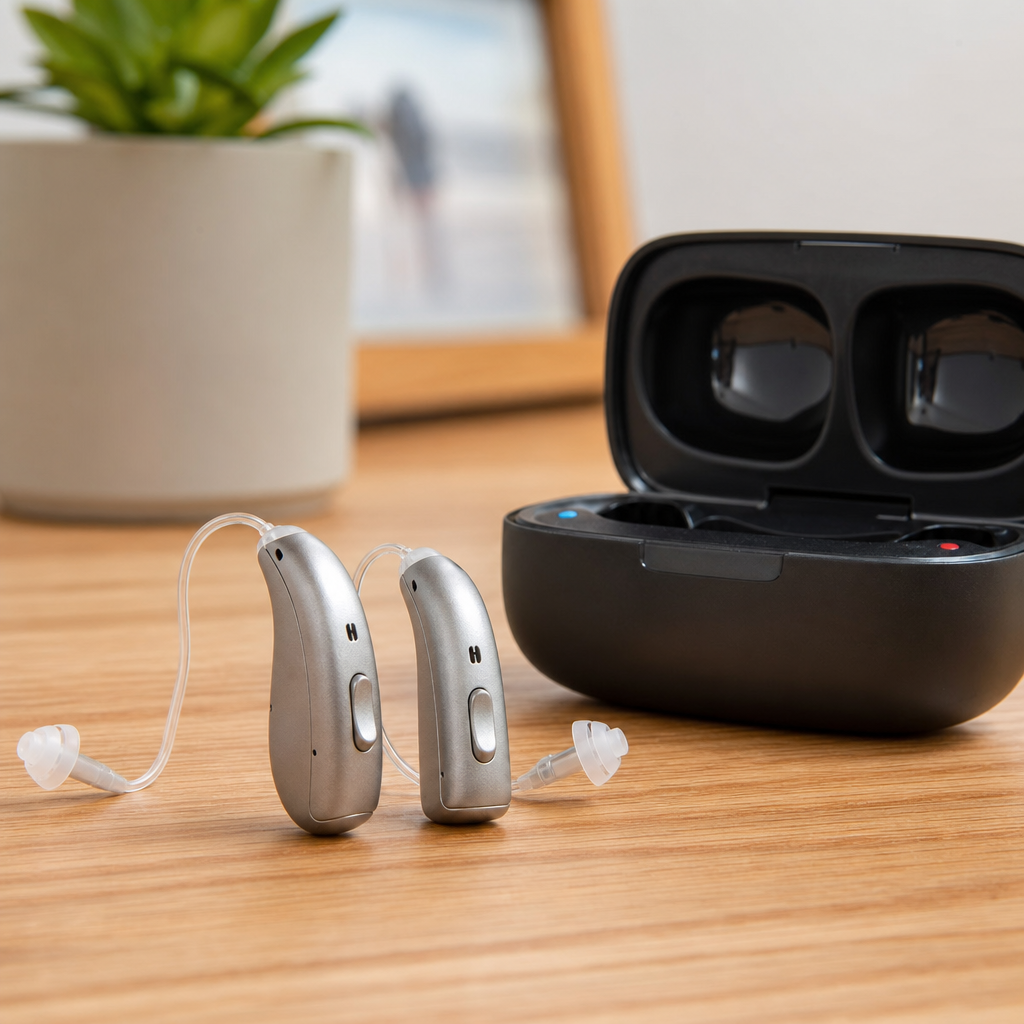
Best Buy hearing aids in 2025 sit at the intersection of medical technology, retail convenience, and changing hearing care rules. For shoppers, that combination creates opportunity and confusion at the same time. Hearing aids are no longer limited to traditional audiology clinics. You can now compare prescription devices, over-the-counter products, hearing aid accessories, remote fitting services, and hearing tests through major retailers and health providers. After working with patients and families who were choosing between clinic-based care and store-based purchasing, I have seen the same questions come up repeatedly: What does Best Buy actually sell, who should use these products, and how do you tell a good hearing aid from an expensive amplifier?
In plain terms, a hearing aid is a regulated device designed to amplify sound in a way that matches a person’s hearing loss profile. In the United States, hearing aids fall into two broad paths. Prescription hearing aids are fitted by licensed professionals and are typically intended for a wide range of hearing losses, including more complex cases. Over-the-counter hearing aids are intended for adults with perceived mild to moderate hearing loss and can be purchased without a medical exam or prescription. Best Buy’s relevance in 2025 comes from offering access to that second category, plus supporting products such as earbuds with hearing features, TV streamers, charging cases, hearing protection, and personal sound amplification products.
This matters because hearing loss affects communication, safety, work performance, and cognitive load. The National Institute on Deafness and Other Communication Disorders has long reported that tens of millions of U.S. adults have some degree of hearing loss, while adoption of hearing treatment remains lower than it should be. Cost, stigma, and complexity are major barriers. Retail availability helps reduce friction, but it also puts more responsibility on the buyer. A strong 2025 buying decision requires understanding return policies, app controls, battery life, fit styles, Bluetooth compatibility, telecoil support, and whether the product is truly a hearing aid rather than a listening gadget. A useful hub article should answer those questions directly and give readers a framework they can use before they buy.
What Best Buy offers for hearing aids in 2025
Best Buy hearing aids in 2025 are best understood as a curated retail channel, not a full replacement for audiology care. In practice, Best Buy tends to carry over-the-counter hearing aids from recognized consumer and hearing technology brands, along with related devices that can look similar but serve different purposes. That distinction is essential. A regulated OTC hearing aid is intended to compensate for self-perceived mild to moderate hearing loss in adults. A personal sound amplification product, often called a PSAP, amplifies environmental sounds but is not marketed to treat hearing loss. Earbuds with transparency or conversation boost modes may improve situational listening, but they are not substitutes for hearing aids when speech understanding is the real problem.
When I evaluate retail hearing options, I separate the shopping experience into four layers. First is the device category: OTC hearing aid, prescription hearing aid referral, PSAP, or hearable. Second is fit style: receiver-in-canal, behind-the-ear, in-the-ear, or completely-in-canal. Third is software support: self-fitting app, remote support, presets, and firmware updates. Fourth is after-purchase protection: trial period, return window, manufacturer warranty, and loss support. Best Buy generally performs best on product discovery, price transparency, and convenience. It is weaker than a dedicated clinic when a customer needs cerumen management, real-ear measurement, medical screening, or custom earmolds.
Shoppers should also recognize that inventory changes over time. Some products are sold directly online, some are available in selected stores, and some are fulfilled through marketplace partners. That affects support and returns. I advise buyers to check whether the seller is Best Buy, whether Geek Squad protection applies, and whether manufacturer support includes live hearing specialists. Those practical details matter more than marketing language.
How to choose the right hearing aids
The best hearing aids are not the ones with the most features. They are the ones that match the user’s hearing profile, dexterity, listening environments, smartphone habits, and budget. Start with the core question: do you mainly struggle in quiet, in noise, on phone calls, or while watching television? Someone who hears reasonably well one-on-one but cannot follow restaurant conversation often needs strong directional microphones and effective noise management. Someone who misses doorbells, family speech, and television dialogue at home may benefit from simpler amplification and TV connectivity more than advanced restaurant performance.
Fit and usability are where many first-time buyers succeed or fail. Tiny in-ear devices look discreet, but they can be harder to insert, clean, and recharge. Receiver-in-canal devices are often easier to handle and usually provide more stable acoustics, better battery size, and stronger Bluetooth performance. Rechargeable hearing aids now dominate the market because users prefer nightly charging to changing disposable batteries, but travel habits still matter. A person who camps or flies frequently may prefer a model with a robust charging case, fast charging, or replaceable cells.
Speech understanding is the real target, not simple loudness. Good hearing aids process sound using wide dynamic range compression, feedback suppression, impulse noise control, and directional microphone steering. Better systems can improve clarity, but no device restores normal hearing. That limitation should be stated clearly. If a buyer has sudden hearing loss, one-sided hearing loss, ear pain, drainage, dizziness, or rapidly worsening hearing, retail purchase should stop and medical assessment should come first.
| Buying factor | What to look for | Best for |
|---|---|---|
| Hearing loss level | OTC models labeled for mild to moderate loss | Adults with gradual, bilateral difficulty |
| Fit style | RIC or BTE for easier handling and power | First-time users and older adults |
| App control | Self-hearing test, custom tuning, remote support | Users comfortable with smartphones |
| Battery system | Rechargeable with all-day runtime and portable case | Daily wearers and frequent streamers |
| Connectivity | Bluetooth LE Audio, iPhone or Android compatibility | Call, media, and TV streaming users |
| Return policy | At least 30 to 45 days with clear restocking terms | Anyone buying without clinic fitting |
Features that matter most in real-world use
In 2025, several hearing aid features deserve more attention than flashy brand claims. The first is self-fitting quality. Strong OTC products guide the user through in-app hearing assessment, fit verification, and fine tuning that adjusts gain by frequency rather than just increasing volume. The second is directional performance. In busy environments, dual microphones and adaptive beamforming can reduce listening effort substantially, especially when speech comes from in front of the wearer. The third is connectivity. Bluetooth streaming for calls and media is no longer optional for many users, and compatibility still varies between iPhone and Android ecosystems.
Another critical feature is feedback management. Users who wear glasses, masks, or hats, or who hug family members frequently, can trigger acoustic feedback if the seal and programming are poor. Modern systems control this well, but only if domes fit correctly. Moisture resistance also matters more than shoppers assume. An IP rating can be useful for people in humid climates, active users, and anyone who sweats heavily. For tinnitus sufferers, built-in sound therapy programs can add value, though they are not equally effective for everyone.
Artificial intelligence marketing deserves a sober reading. Many hearing brands now describe scene analysis, intent detection, and machine learning personalization. Some of these systems genuinely improve automatic adaptation between quiet speech, wind, traffic, and noise. Yet the benefit depends on the microphones, fitting quality, venting, and user tolerance. I have seen expensive devices underperform simply because the physical fit was wrong or the user never completed app-based training. Practical execution still beats futuristic language.
Best Buy versus audiology clinics and online hearing aid sellers
Best Buy hearing aids in 2025 compete with two other buying paths: local hearing clinics and direct-to-consumer hearing aid brands sold online. Each path solves a different problem. Best Buy is strongest for shoppers who want to compare products quickly, see prices upfront, and purchase from a familiar retailer. Online hearing aid companies often offer lower pricing and strong app-guided setup, with support by phone or video. Audiology clinics remain the best option for people with asymmetrical loss, severe hearing loss, dexterity limitations, recurrent wax impaction, or prior dissatisfaction with self-fitting devices.
The clinic advantage is not just expertise in the abstract. It includes diagnostic audiometry, otoscopy, counseling, verification with real-ear measurements, and iterative programming over time. Real-ear measurement is particularly important because it confirms the sound delivered in the ear canal actually matches the prescribed target. Retail and online channels rarely provide this. That does not make them ineffective, but it does mean the user carries more trial-and-error burden. For straightforward mild to moderate hearing loss, that tradeoff may be acceptable. For complex loss, it is often not.
Price comparison also needs nuance. An OTC pair may cost far less than prescription devices, but the clinic package can include follow-up visits, cleaning, firmware support, and several years of professional adjustments. Buyers who compare sticker price alone often miss the service component. On the other hand, many adults with untreated hearing loss simply need a lower-friction starting point. For them, Best Buy can be a practical entry into hearing care rather than an endpoint.
Top use cases, budgets, and common mistakes
The best Best Buy hearing aids for 2025 depend on use case more than brand prestige. For first-time users with mild hearing loss, comfort and easy setup usually matter most. A straightforward rechargeable OTC model with a strong app and conservative default tuning is often the right starting point. For active professionals, call quality, all-day battery life, and fast switching between laptop and phone can matter more than size. For older adults, large controls, clear charging indicators, wax guard availability, and responsive customer support often determine long-term satisfaction.
Budget planning should include accessories and maintenance. Ear domes, wax filters, drying kits, cleaning tools, and backup chargers can add meaningful cost over a year. If a user streams audio for hours daily, battery performance may differ noticeably from the headline estimate. Extended warranty value also depends on lifestyle. For a careful home user, a standard manufacturer warranty may be enough. For someone who travels, exercises outdoors, or has pets and young children, damage protection can be worth the extra spend.
The most common mistake I see is buying for volume instead of speech clarity. The second is choosing the smallest device available even when hand strength and vision are limited. The third is assuming two weeks is enough to judge performance. Most new users need an adjustment period because the brain has to relearn everyday sounds it has been missing. Consistent use in varied environments matters. If a product has a trial period, the user should test it in the car, at dinner, during television viewing, on phone calls, and during outdoor walks before deciding whether to keep it.
How this hearing aids hub should guide your next step
A strong hearing aids hub should help readers move from general understanding to the right specific solution. Best Buy hearing aids in 2025 are a useful option when you want transparent pricing, retail convenience, and access to OTC devices for mild to moderate hearing loss. They are not the best answer for every ear or every hearing profile. The right choice depends on whether you need self-fitting simplicity, advanced support, or full diagnostic care.
The key takeaways are straightforward. Confirm that the product is a true hearing aid if your goal is hearing treatment. Match the style and controls to your dexterity and daily routine. Prioritize speech clarity, app quality, return policy, and battery performance over marketing labels. Use retail channels as a practical starting point, but do not hesitate to seek medical or audiology support when symptoms are unusual, one-sided, sudden, painful, or severe. Hearing technology has improved dramatically, yet outcomes still depend on fit, expectations, and follow-through.
If you are building your shortlist now, compare a few OTC hearing aids at Best Buy, review the return terms carefully, and be honest about your listening challenges. Then move to the next article in this hearing aids cluster for deeper guidance on styles, brands, and fitting choices. The best result is not simply buying a device. It is hearing speech more clearly, with less effort, in the places that matter most every day.
Frequently Asked Questions
What should shoppers know about buying hearing aids from Best Buy in 2025?
Best Buy hearing aids in 2025 appeal to many shoppers because they combine retail accessibility with a broader range of hearing technology than many people expect. Depending on location and current partnerships, shoppers may find over-the-counter hearing aids, hearing enhancement devices, accessories, hearing screenings, and support services through Best Buy or connected hearing care providers. The biggest advantage is convenience. You can compare products in a familiar retail environment, browse online, read specifications, and sometimes access setup help without starting in a traditional clinic.
That said, convenience should not replace careful evaluation. The most important first step is understanding whether you likely need an over-the-counter device for perceived mild to moderate hearing loss or a prescription hearing aid for more complex hearing needs. If you have sudden hearing loss, one-sided hearing loss, ear pain, ringing that is new or worsening, dizziness, or a history of ear disease, you should start with a licensed medical or hearing professional rather than a retail shelf. Best Buy can be a useful shopping channel, but it is still important to match the device type to your hearing profile, lifestyle, and support expectations.
Shoppers should also compare what is included with the price. Some products may look affordable up front but offer limited fitting help, short trial periods, or weak return terms. Others may include app controls, rechargeability, remote adjustments, hearing tests, or care support that improve long-term value. In 2025, the smartest buyers are not just asking, “What is the cheapest option?” They are asking, “What level of hearing care, service, and customization comes with this purchase?” That question often matters more than the sticker price alone.
Are over-the-counter hearing aids at Best Buy a good option, or is prescription care still better?
Over-the-counter hearing aids can be an excellent option for adults with perceived mild to moderate hearing loss, especially if they want a faster, more affordable, and less intimidating way to begin addressing hearing problems. In a retail setting such as Best Buy, OTC options can make hearing care feel more approachable. Many current devices offer surprisingly advanced features, including Bluetooth streaming, smartphone-based hearing tests, app-guided setup, directional microphones, rechargeable batteries, feedback control, and customizable sound profiles. For price-conscious shoppers who mainly struggle in restaurants, group conversations, or while watching television, OTC hearing aids may provide meaningful improvement.
However, prescription hearing aids are still the better choice for many people. If your hearing loss is moderate to severe, uneven between ears, medically complicated, or difficult to describe clearly, prescription care usually provides better outcomes. A licensed audiologist or hearing instrument specialist can perform comprehensive testing, verify how the aids are performing in your ears, fine-tune settings to speech frequencies, and help solve comfort and clarity issues over time. That professional layer can make a major difference, especially for first-time users who are not sure whether the problem is volume, speech understanding, background noise, or ear anatomy.
The right answer depends on your hearing needs, your comfort with self-fitting technology, and how much support you want after purchase. OTC hearing aids at Best Buy may be a strong fit if you are tech-comfortable, have relatively straightforward symptoms, and want a lower-cost entry point. Prescription care is often better if you want deeper customization, more clinical oversight, and stronger long-term service. In 2025, neither path is automatically “better” for everyone. The best choice is the one that aligns with your hearing loss severity, health history, and likelihood of getting consistent follow-up support.
How can you tell whether a hearing aid sold through Best Buy is actually worth the money?
To judge value, start by looking beyond brand recognition and advertised discounts. A hearing aid is worth the money when it improves speech understanding in the situations that matter most to you and comes with enough support to help you succeed. That means evaluating sound processing quality, comfort, battery life, rechargeability, app usability, Bluetooth compatibility, background noise management, and the practical strength of the return policy. If a device is inexpensive but frustrating to wear, hard to adjust, or ineffective in conversation, it is not a good value no matter how low the price looks.
One of the best ways to assess value is to compare included services. Ask whether the product comes with a hearing test, remote programming, setup assistance, warranty coverage, loss protection, wax guards, domes, charger, and access to troubleshooting help. In many cases, these extras shape the real ownership experience far more than a single hardware feature does. Hearing aids are not one-time purchases in the way headphones are. They are ongoing care tools that often need adjustments, cleaning, software updates, and occasional replacement parts.
You should also compare use case fit. Someone who mainly wants clearer television audio and better one-on-one conversation may not need the same performance level as a person who attends business meetings, travels frequently, or struggles in noisy social settings. A worthwhile hearing aid should match your daily listening demands. In 2025, a good retail hearing aid purchase is one that balances technology, support, and realistic expectations. The devices that deliver the best value are usually those that solve your most common hearing frustrations consistently, not necessarily those with the longest feature list.
What features matter most when comparing Best Buy hearing aids in 2025?
The most important hearing aid features in 2025 depend on your lifestyle, but several stand out for most shoppers. Speech clarity in noise remains one of the top priorities. Look for directional microphones, noise reduction, and speech enhancement tools designed to make conversations easier in restaurants, family gatherings, stores, and other busy places. Rechargeability is also high on the list because it removes the hassle of frequent battery changes and makes daily use simpler for many adults. Bluetooth connectivity matters too, especially if you want to stream calls, television audio, music, or navigation directly from a smartphone or other compatible devices.
App-based controls have become increasingly important, particularly in retail and over-the-counter hearing aids. A well-designed app can let you adjust volume, change listening programs, fine-tune sound balance, check battery status, and sometimes complete self-hearing assessments or receive remote support. For many users, that level of control makes the difference between occasional use and everyday wear. Comfort and fit should not be overlooked either. Even the most advanced hearing aid will not help if it whistles, feels unstable, or becomes uncomfortable after a few hours.
Other features worth comparing include telecoil support, water and dust resistance, tinnitus masking options, automatic environment detection, and compatibility with accessories such as TV streamers, remote microphones, or charging cases. But the key is not to chase features for their own sake. The best hearing aid features are the ones you will actually use in real life. If you spend a lot of time on phone calls, Bluetooth may be essential. If you struggle in background noise, microphone performance matters more. If dexterity is a concern, easy insertion and rechargeable design may outrank everything else. The strongest buying decision is usually built around your listening habits, not the marketing checklist.
Should you get a hearing test before buying hearing aids from Best Buy?
Yes, in most cases getting a hearing test before buying hearing aids is a smart move, even if you are considering an over-the-counter product. A hearing test helps clarify whether your hearing loss appears mild, moderate, or more significant, and whether it is similar in both ears. That information can guide you toward the right category of device and reduce the risk of wasting money on a solution that does not match your needs. It can also reveal warning signs that should be evaluated medically, such as asymmetrical hearing loss, conductive issues, sudden changes, or other ear-related concerns.
For some shoppers, a formal audiologic evaluation provides confidence as much as clinical data. Many people know they are missing speech but are not sure how much support they need. A hearing test creates a baseline and helps distinguish between hearing loss, speech-in-noise difficulty, and situations where hearing aids alone may not solve the problem. In 2025, some retail pathways include self-screening tools or remote assessments, which may be useful as a starting point, but they are not always a substitute for a comprehensive professional evaluation when symptoms are more complex.
If you are choosing between OTC and prescription options, a hearing test can make that decision much easier. It can also improve satisfaction because you begin the process with more realistic expectations about what hearing aids can and cannot do. They can amplify speech, improve awareness, and reduce listening strain, but they do not restore normal hearing in every environment. Going into the purchase with accurate information usually leads to better product selection, better setup, and a better long-term result. Even in a convenient retail environment, informed shoppers tend to have the best outcomes.