
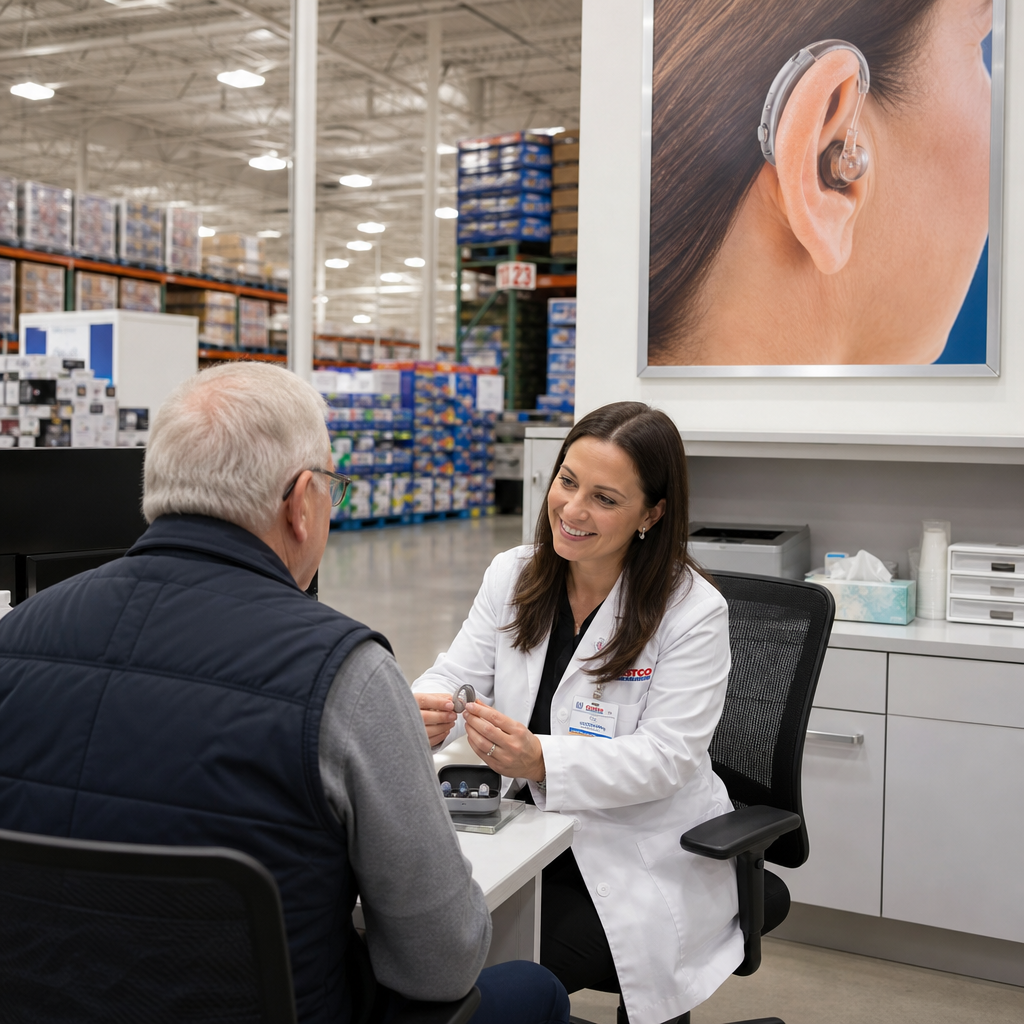
Searching for Costco hearing aid centers near me usually starts with a practical goal: better hearing at a reasonable price, from a retailer many people already trust. A Costco hearing aid center is an in-store department that offers hearing tests, consultations, fitting, programming, cleaning, and follow-up support for prescription hearing aids sold through Costco warehouses. For shoppers comparing hearing care options, this matters because hearing aids are a major health purchase, often costing thousands of dollars, requiring ongoing adjustments, and affecting daily communication, work, safety, and quality of life.
I have worked with patients and retail hearing programs long enough to know that convenience alone does not make a center a good choice. What matters is the combination of clinician availability, product selection, fitting quality, service policies, warranty terms, and whether the provider can support your hearing needs over time. Costco stands out because it typically offers lower prices than many private practices, carries established hearing aid technology, and provides routine service at no additional charge for devices purchased there. That said, it is not the right fit for every person, every hearing loss pattern, or every service expectation.
When people ask what they should know before visiting a Costco hearing aid center, the answer is straightforward. First, understand the type of care Costco provides. Most locations employ licensed hearing aid dispensers and, in some regions, audiologists. Second, know what products are sold, including behind-the-ear receiver-in-canal models, custom options at some locations, and accessories such as chargers, TV streamers, and remote microphones. Third, verify practical details: whether your local warehouse has a hearing center, whether appointments are required, whether your state imposes specific testing or medical clearance rules, and whether your insurance or hearing benefit can be used.
This hub article covers the general questions most shoppers have: how Costco hearing aid centers work, what hearing aids they typically sell, what the process looks like from testing through fitting, how pricing compares with competitors, and where Costco’s strengths and limitations show up in real life. If you are evaluating hearing aids for yourself or a family member, this guide will help you decide whether a nearby Costco hearing aid center deserves a spot on your shortlist.
What Costco hearing aid centers do and who they serve
Costco hearing aid centers primarily serve adults with perceived hearing difficulty who want hearing testing, prescription hearing aids, and ongoing support in a retail setting. In plain terms, they function as hearing care clinics inside Costco warehouses. Services generally include case history review, otoscopy to inspect the ear canal, pure-tone air-conduction testing, speech testing, hearing aid selection, ear impressions when needed, fitting, real-ear measures or verification procedures depending on location and provider, counseling, and follow-up cleanings or programming adjustments. Availability varies by state because licensing requirements differ.
The centers are best suited for people with common adult sensorineural hearing loss, especially mild to moderately severe loss, who are comfortable receiving care in a warehouse environment rather than a medical office. They are also attractive for budget-conscious buyers because Costco often negotiates lower device pricing than traditional clinics. In practice, I have seen shoppers who delayed treatment for years move forward once they learned Costco pricing was often far below quotes from local private practices. That lower barrier matters, because untreated hearing loss is associated with communication strain, social withdrawal, and increased listening fatigue.
Costco is less ideal when the hearing picture is medically complex. Red flags include sudden hearing loss, one-sided hearing loss, ear pain, drainage, active dizziness, significant asymmetry between ears, or a history suggesting conductive issues such as chronic middle-ear disease. Those cases usually need evaluation by an ear, nose, and throat physician or an audiology clinic with stronger medical referral coordination. Pediatric care is also generally outside Costco’s scope. If you need tinnitus therapy beyond basic masking options, auditory rehabilitation, vestibular testing, or cochlear implant evaluation, a specialty clinic will typically provide more comprehensive support.
How to find a Costco hearing aid center near you
The fastest way to find a Costco hearing aid center near you is to use the warehouse locator on Costco’s website or mobile app, then confirm the hearing center listing for your specific location. Not every warehouse has a hearing aid department, and hours may differ from the main store. Calling directly is still the smartest step, because hearing centers often operate by appointment, may close for lunch, and can have varying clinician schedules. If you are helping an older adult, verify parking, accessibility, and how far the hearing center sits from the entrance, because navigating a busy warehouse can be tiring.
When you call, ask five direct questions. Does this warehouse have a full-service hearing aid center? What credentials do the providers hold at this location? How long is the initial evaluation appointment? Which brands or private-label models are currently sold? Can the center bill insurance or a third-party hearing benefit administrator? These answers save time and prevent the common mistake of driving to a warehouse that only offers limited service or has no appointments available for weeks. During high-demand periods, wait times for evaluations and fittings can be longer than at some private clinics.
If you are comparing more than one center, use a simple decision framework.
| Question | Why it matters | What to listen for |
|---|---|---|
| Are appointments available within two weeks? | Faster access reduces treatment delay | Clear scheduling timeline, not vague estimates |
| Who performs testing and fitting? | Credentials affect scope and experience | Licensed dispenser or audiologist named clearly |
| Which hearing aid styles are stocked? | Selection affects comfort and cosmetic preference | Receiver-in-canal, custom, rechargeable options |
| How are follow-ups handled? | Most success comes after the fitting | Included cleanings, adjustment visits, repair process |
| What is the trial and return policy? | Adaptation is not guaranteed | Specific days, refund terms, restocking details |
Many shoppers also search maps, reviews, and local forums for “Costco hearing aid centers near me,” but treat ratings carefully. Reviews often reflect warehouse crowding, front-desk delays, or a single warranty dispute rather than the technical quality of the fitting itself. Useful comments mention whether the provider explained the audiogram clearly, adjusted the hearing aids based on real-world complaints, and scheduled follow-ups proactively. Those details tell you more than generic praise about low prices.
What to expect at your appointment
A first appointment at a Costco hearing aid center usually begins with intake questions about your hearing concerns, work demands, phone use, dexterity, tinnitus, noise exposure, and prior device experience. The provider should inspect your ears for wax or obvious issues before testing. A standard hearing evaluation for hearing aid purposes often includes air-conduction thresholds, bone-conduction testing when indicated, and speech measures such as speech reception thresholds or word recognition. The result is an audiogram, a graph showing the softest sounds you can hear at different pitches. That audiogram drives the hearing aid recommendation.
After testing, the provider should explain not just whether you have hearing loss, but what kind and how severe it is. Many first-time buyers need plain-language counseling here. High-frequency hearing loss, for example, often means people hear that someone is speaking but miss consonants like s, f, th, and t, which makes speech sound mumbled. In meetings, restaurants, and family gatherings, background noise makes the problem much worse. Good counseling connects the test results to your real listening environments, because hearing aid success depends on matching technology to everyday communication demands.
If hearing aids are appropriate, the provider will discuss style, battery type, rechargeability, smartphone compatibility, and premium features such as directional microphones, feedback management, wind-noise control, telecoil support, tinnitus programs, and Bluetooth streaming. In better fittings, expectations are set honestly. Hearing aids do not restore normal hearing. They amplify and process sound to improve audibility and speech understanding, but noisy places remain challenging even with advanced technology. I always look for providers who say this clearly, because realistic expectations reduce returns and improve satisfaction.
The fitting appointment is where the purchase starts to become useful. The hearing aids are physically placed, programmed to target settings, and adjusted for comfort and audibility. You should be taught insertion, removal, charging, cleaning, wax guard replacement, and app basics. Follow-up matters as much as the initial fitting. Most new users need at least one or two fine-tuning visits after wearing the devices in daily life. Problems such as sharp dish noise, occlusion, weak TV sound, or phone difficulties are common and usually fixable with careful adjustments.
Brands, models, and technology you may see
Costco’s hearing aid selection changes over time, but the center has historically focused on major manufacturers and Costco-specific product lines that deliver strong value. Shoppers often encounter names such as Philips HearLink through Costco channels, Jabra Enhance Pro models linked to GN technology, and Rexton devices related to Signia platforms. The exact lineup can shift with contracts and product cycles, so current availability always needs local confirmation. The important point is that these are not generic amplifiers. They are prescription hearing aids programmed to an audiogram and supported with clinic services.
Most buyers at Costco choose receiver-in-canal, or RIC, hearing aids. This style places the main electronics behind the ear and a small receiver in the ear canal, connected by a thin wire. RIC devices are popular because they fit many hearing losses, are relatively discreet, and usually provide reliable rechargeability and wireless features. Behind-the-ear models with earmolds may be recommended for more significant hearing loss or for users who need greater power and retention. Custom in-the-ear styles can be available depending on the center and manufacturer, though selection may be narrower than at a large audiology practice.
Feature differences matter, but not always in the way marketing suggests. The biggest practical divides are speech-in-noise performance, automatic environmental adaptation, Bluetooth stability, battery convenience, and how well the fitting software allows precise tuning. A person who attends frequent business dinners may benefit more from better directional processing and a remote microphone than from any cosmetic feature. Someone with arthritis may prioritize a rechargeable charger that is easy to dock. Someone who relies on iPhone or Android streaming needs verified compatibility. In real fittings, matching features to behavior beats chasing the most expensive tier.
Accessories can dramatically improve results. TV streamers send audio directly to the hearing aids, which helps when spouses prefer different volume levels. Remote microphones improve speech understanding in noise by placing the microphone closer to the talker. Smartphone apps let users adjust volume, change programs, locate lost devices, and sometimes request remote support. Ask whether accessories are included, discounted in a bundle, or sold separately. That cost can affect the total value comparison more than many shoppers expect.
Cost, warranties, returns, and value comparison
Price is the main reason many consumers search for Costco hearing aid centers near me, and Costco generally earns that attention. Hearing aids sold through Costco are often priced lower per pair than equivalent technology sold through private practices, sometimes by a significant margin. While exact pricing changes by model and region, Costco has built its reputation on bundled value: the hearing aids, fitting, follow-up programming, routine cleanings, and a standard package of support are commonly included. For shoppers paying out of pocket, that transparency is appealing because it reduces surprise service fees later.
Warranties and return windows are just as important as sticker price. Hearing aids are tiny electronic medical devices used all day in heat, humidity, wax, and motion, so repairs are part of ownership. A strong package usually includes a manufacturer warranty, a loss-and-damage provision with limits, and a trial period long enough for real adaptation. Before buying, ask exactly what is covered, how many repair claims are allowed, whether there is a deductible for replacement, and who handles loaner devices if a repair takes weeks. Policies differ, and small details become important fast when a device fails.
Costco’s value advantage has limits. Many private audiology clinics charge more because they offer broader diagnostics, more appointment time, specialized verification protocols, tinnitus management, pediatric care, cochlear implant services, cerumen management on site, and closer physician integration. If your needs are straightforward, Costco may provide excellent value. If your hearing loss is complicated or your communication needs are unusually demanding, the lower price may not outweigh the benefit of a more specialized clinic. The right comparison is not simply cheap versus expensive; it is scope of care versus your actual risk and goals.
Insurance is another variable. Some plans do not cover hearing aids at all. Others contract with hearing benefit managers that restrict where you can buy. In some cases, a private clinic may become cost-competitive once benefits are applied; in others, Costco remains less expensive even without coverage. Always verify whether your plan reimburses out-of-network purchases, whether you need preauthorization, and whether the hearing center will provide the itemized documentation required for reimbursement.
Pros, limitations, and how to decide
The clearest strengths of Costco hearing aid centers are price, recognizable technology, accessible follow-up service, and the convenience of combining hearing care with routine shopping. For many adults with uncomplicated age-related hearing loss, that combination is enough to achieve very good results. I have seen users do well for years with properly fitted Costco devices, especially when they returned for routine maintenance and were open about real-world listening problems. Success tends to be highest when buyers commit to the adjustment period, wear the hearing aids consistently, and attend follow-up visits rather than expecting perfection on day one.
The limitations are equally real. Appointment availability can be constrained. Warehouses are busy and noisy, which is not ideal for every patient. Product selection, while strong, is not unlimited. Some centers are outstanding; others vary based on staffing depth and local experience. Complex medical cases often need external referral, and if you travel extensively or relocate, continuity can depend on the support policies of other Costco centers. These are manageable issues, but they should be considered before purchase.
If you are deciding whether to schedule, start with your needs. If you want a good-value prescription hearing aid, have typical adult hearing loss symptoms, and prefer straightforward bundled pricing, Costco belongs on your shortlist. If you have sudden changes, one-sided symptoms, chronic ear disease, severe tinnitus distress, or need advanced medical-audiologic coordination, start with an ENT or comprehensive audiology clinic. The best next step is simple: locate your nearest Costco hearing aid center, call for current services and appointment availability, and compare that option against one reputable local clinic before you buy.
Frequently Asked Questions
What services do Costco hearing aid centers typically offer?
Costco hearing aid centers generally provide a full range of in-store hearing care services for people who are shopping for prescription hearing aids and want ongoing support after purchase. In many locations, that includes a hearing screening or test, a consultation to review your hearing needs and lifestyle, recommendations on appropriate hearing aid models, fitting appointments, device programming, adjustments, cleanings, and follow-up care. The goal is not simply to sell a hearing aid, but to help make sure it fits properly, sounds right, and works well in everyday situations like conversations, restaurants, television watching, and phone calls.
Many shoppers are drawn to Costco because the process can feel more straightforward and budget-conscious than some traditional retail hearing aid options. If you already know you need hearing help, a Costco hearing aid center can be a convenient place to compare devices, ask questions about features like rechargeability or Bluetooth connectivity, and get practical support from hearing care staff. Services can vary by warehouse, so it is smart to call your local center ahead of time to confirm appointment availability, testing options, and what brands or models are currently offered.
Do I need a Costco membership to use a Costco hearing aid center?
In most cases, yes, you should expect to need a valid Costco membership to purchase hearing aids and use hearing aid center services through Costco. Because the hearing aid center operates within the Costco warehouse model, membership is typically part of how you access products and pricing. That is one of the reasons many people searching for Costco hearing aid centers near me are specifically interested in whether the savings on hearing aids may justify the cost of membership.
That said, policies can differ depending on location and service type, so it is worth contacting the specific warehouse you plan to visit. If you are in the early research stage, the center may still be able to answer basic questions by phone about appointments, hearing aid brands, service offerings, and estimated costs. If you are comparing providers, make sure to ask not only whether membership is required, but also what is included after the sale, such as follow-up visits, cleanings, adjustments, warranty support, and loss-and-damage coverage. Those details can affect the overall value just as much as the initial price tag.
How much do hearing aids cost at Costco compared with other providers?
Costco is widely known for competitive hearing aid pricing, and that is one of the biggest reasons people look for a Costco hearing aid center nearby. In general, hearing aids sold through Costco often cost less than similar prescription devices purchased through many private hearing clinics. Prices depend on the technology level, features, style, and current inventory, but shoppers often consider Costco because it may offer a lower total out-of-pocket cost for a pair of hearing aids while still including fitting, programming, and follow-up support.
However, the best way to compare cost is to look beyond the sticker price. Ask what is included in the purchase, such as hearing testing, follow-up appointments, routine maintenance, professional cleanings, software adjustments, chargers, warranties, and trial periods. A lower upfront price is valuable, but what matters most is the full package of care over time. Hearing aids are not a one-time purchase in practical terms; they usually require periodic tuning and support. If you are comparing Costco with an audiology clinic or another hearing retailer, request a written breakdown so you can evaluate total value, not just the advertised number.
Can I get a hearing test and same-day hearing aids at Costco?
Some Costco hearing aid centers may be able to complete a hearing evaluation and begin the process quickly, but same-day hearing aids are not always guaranteed. The timeline depends on several factors, including appointment availability, whether the center has the right device in stock, the complexity of your hearing loss, and whether a custom fitting or special order is needed. For many people, the process involves an initial hearing test and consultation followed by a later fitting appointment once the hearing aids are prepared and programmed for their specific hearing profile.
If speed matters to you, call ahead and ask exactly how the process works at your local warehouse. Find out whether they offer diagnostic testing on-site, how long it typically takes to receive devices, and whether follow-up visits are scheduled as part of the fitting process. It is also helpful to ask what to bring, such as your current hearing aids, hearing test records, medication list, or insurance information if relevant. Even if you do not walk out with hearing aids the same day, a well-managed fitting process is often more important than speed alone, because careful programming and follow-up adjustments play a major role in long-term satisfaction.
How do I choose the best Costco hearing aid center near me?
Choosing the best Costco hearing aid center near you involves more than picking the closest warehouse on the map. Start by looking at practical factors such as appointment availability, travel convenience, hours of operation, and how easy it will be to return for follow-up visits. Because hearing aids often require multiple adjustments, a location that is simple for you to reach can make a real difference. It is also worth checking reviews for comments about staff professionalism, communication, wait times, and quality of aftercare.
When you contact a center, ask detailed questions about the services they provide, the hearing aid brands and technology levels they carry, whether they offer ongoing cleanings and reprogramming, and how they handle repairs or warranty claims. You may also want to ask about trial periods, return policies, and what happens if your hearing needs change after purchase. The best center is usually the one that combines fair pricing with responsive support, clear explanations, and a process that makes you feel comfortable. Hearing aids are a major health purchase, so good follow-up care, not just a good deal, should be a central part of your decision.