
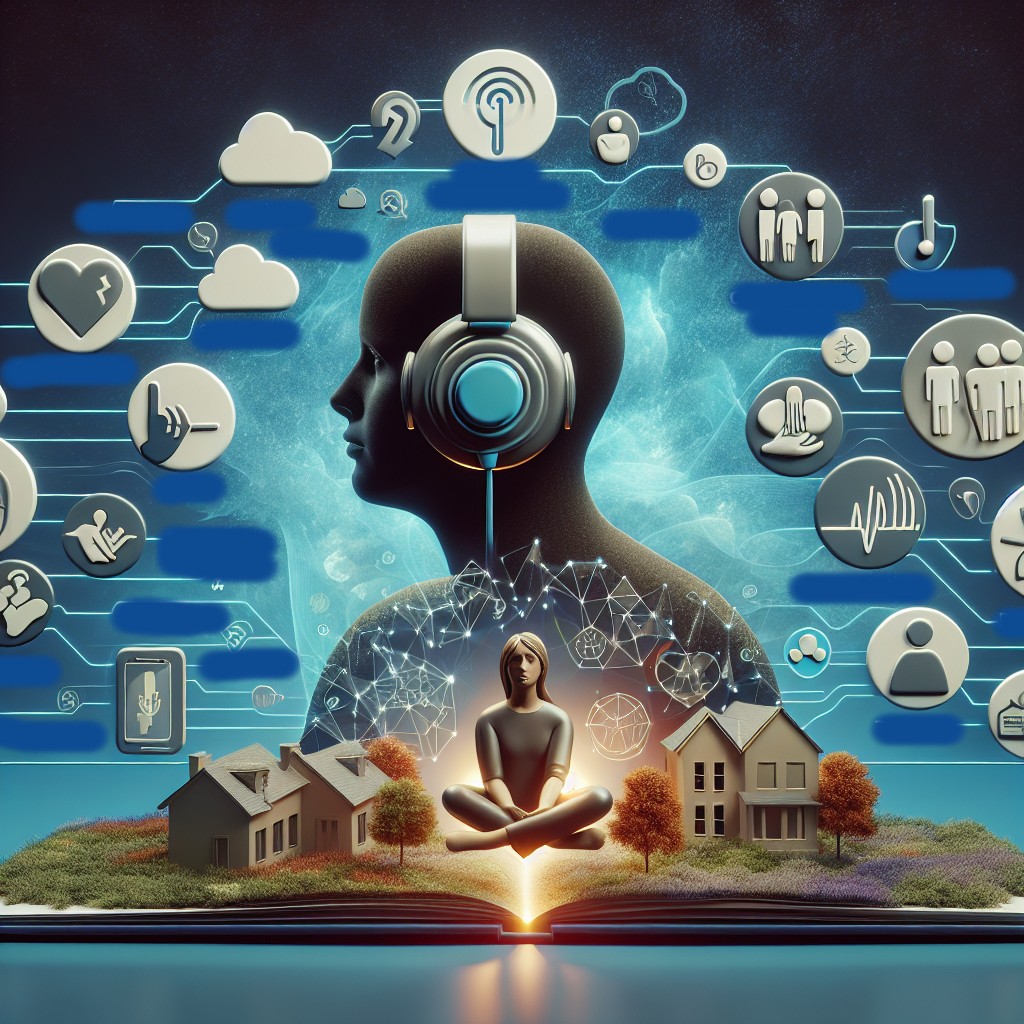
Mental health is a critical component of our overall well-being, yet it often remains underrepresented in conversations about health care, particularly for marginalized groups. One such group that frequently faces unique challenges when accessing mental health resources is the Deaf community. Deaf individuals, who use a combination of sign language and other communication methods, often find traditional mental health services inaccessible. This gap in service can lead to exacerbated mental health issues, further isolating and disadvantaging Deaf individuals.
The need for accessible mental health resources tailored for Deaf individuals cannot be overstated. The intersection of deafness and mental health presents unique challenges, including communication barriers, lack of awareness among health care providers, and social isolation. To combat these challenges, various support groups, hotlines, and therapy options have been developed to cater specifically to the Deaf community. This article will provide a comprehensive list of these resources, while also shedding light on the importance of mental health awareness and education within the Deaf community.
Understanding and utilizing these resources can significantly improve the mental health outcomes of Deaf individuals. From specialized support groups to therapists fluent in sign language, the available resources are designed to bridge the communication gap and provide effective mental health support. Let’s dive into the various options available.
Support Groups
Support groups are vital for providing a sense of community and shared experiences. For Deaf individuals, support groups that use sign language or are led by Deaf facilitators can be particularly beneficial. These groups offer a space where members can communicate freely without the barrier of needing an interpreter.
Deaf Counseling Center Support Groups: The Deaf Counseling Center offers various support groups across the United States. These groups focus on different issues such as depression, anxiety, or grief and are conducted in American Sign Language (ASL).
National Association of the Deaf (NAD): NAD provides information and links to local and national support groups tailored for the Deaf community. These groups are an excellent resource for finding others who understand the unique challenges faced by Deaf individuals.
Meetup Groups: There are numerous local Meetup groups for Deaf individuals that focus on mental health and overall well-being. These groups often organize events and meetups that encourage socialization, mental health discussions, and mutual support.
Hotlines
In times of crisis, having a reliable and accessible hotline is crucial. Unfortunately, many standard hotlines are not equipped to handle calls from Deaf individuals. However, there are several hotlines specifically designed to assist the Deaf community.
Deaf Crisis Line: The Deaf Crisis Line is a national resource that provides immediate assistance to Deaf individuals in crisis. This line is staffed by professionals who are fluent in ASL and trained to handle a variety of mental health emergencies.
Crisis Text Line: While not exclusively for Deaf individuals, the Crisis Text Line is accessible via text, making it a valuable resource for those who are deaf or hard of hearing. Users can text a designated number to connect with a trained counselor.
National Suicide Prevention Lifeline: This hotline, available through TTY (Text Telephone), offers support to Deaf individuals experiencing suicidal thoughts. The lifeline ensures all callers, regardless of hearing ability, receive the help they need.
Therapy Options
Therapy is an essential aspect of mental health treatment, but finding a therapist who can communicate effectively with Deaf clients can be challenging. Fortunately, there are therapists and therapy options available specifically for the Deaf community.
Deaf Counseling Center: The Deaf Counseling Center offers therapy services conducted in ASL. Their therapists are skilled in working with Deaf clients, ensuring effective communication and culturally competent care.
Online Therapy Services: Platforms like BetterHelp and Talkspace now include options to filter for therapists who are fluent in sign language or have experience working with Deaf individuals. This makes it easier to find suitable therapy options from the comfort of home.
Community Mental Health Centers: Many community mental health centers are increasing their efforts to include Deaf-friendly services. Some have therapists on staff who are fluent in ASL or provide interpreting services to facilitate communication.
Educational Resources and Apps
Education plays a crucial role in managing and understanding mental health. For Deaf individuals, having access to resources that cater to their specific communication needs is imperative. Numerous educational materials and apps have been developed to bridge this gap.
SignHealth: An organization that provides various resources, including mental health information in British Sign Language (BSL). They offer videos and guides to help Deaf individuals understand mental health issues and seek appropriate help.
Mental Health App for Deaf Individuals: Apps like “Coral Sign” offer mental health resources and guidance in ASL. These apps provide a wealth of information on managing mental health, mindfulness practices, and stress reduction techniques.
DeafWellbeing.org: A comprehensive online platform that provides articles, videos, and other resources centered on the mental health of Deaf individuals. This website is a valuable tool for anyone seeking to educate themselves or others about mental health in the Deaf community.
Awareness and Advocacy
Raising awareness about the mental health challenges faced by Deaf individuals and advocating for more inclusive resources are critical steps toward improving overall well-being. Various organizations and initiatives are dedicated to this cause.
National Association of the Deaf (NAD): The NAD advocates for the rights of Deaf individuals and provides valuable information on mental health resources and accessibility. Their efforts include lobbying for policy changes and raising public awareness.
Deaf Empowerment Society: This organization focuses on empowering Deaf individuals through education, outreach, and advocacy. They work to dismantle barriers to mental health care and promote inclusivity in health services.
SignHealth Campaigns: SignHealth regularly launches campaigns to improve the mental health services available to Deaf individuals. They provide training for healthcare providers, develop accessible materials, and lead initiatives to influence healthcare policy.
Conclusion
Accessible mental health resources for Deaf individuals are a growing need that must be addressed comprehensively. By recognizing the unique challenges faced by the Deaf community, and supporting specialized services such as support groups, hotlines, and therapy options, we can make significant strides toward inclusivity and mental health equity.
As we’ve highlighted in this article, there are numerous resources available specifically for Deaf individuals. From support groups that foster a sense of community to hotlines that provide immediate assistance, these resources are tailored to ensure effective communication and culturally competent care.
Education and advocacy also play pivotal roles in this effort. By raising awareness and pushing for policy changes, we can create a more inclusive health care system. Organizations like the National Association of the Deaf, Deaf Counseling Center, and SignHealth are leading the charge in these areas, providing invaluable support and driving necessary change.
In conclusion, while there are still many challenges to overcome, the resources and efforts detailed in this article represent a vital step toward a more inclusive and accessible mental health care system for Deaf individuals. By utilizing these resources and continuing to advocate for better services, we can ensure that Deaf individuals receive the mental health support they need and deserve.