
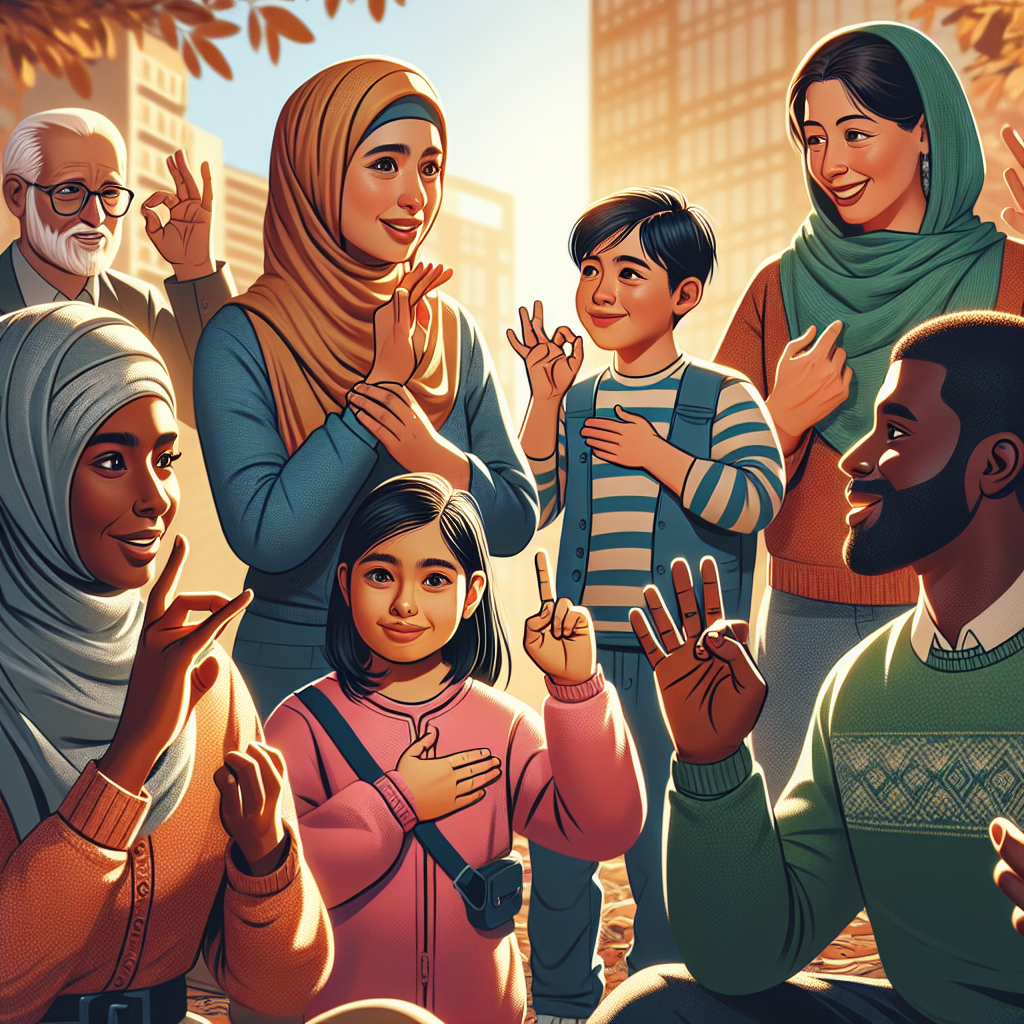
World Kindness Day, celebrated annually on November 13th, is a day dedicated to promoting kindness and compassion around the globe. It serves as a reminder that small gestures of kindness can have a profound impact on individuals and communities. This day is not just about being kind, but also about fostering inclusivity, especially for marginalized communities such as the Deaf community. Deaf individuals often face various challenges that can make them feel excluded from many social, educational, and professional settings. By raising awareness and understanding their unique needs, we can create a more inclusive society where everyone feels valued and respected.
The Deaf community comprises people with varying degrees of hearing loss. While some use hearing aids or cochlear implants, others rely on sign language as their primary mode of communication. It’s essential to recognize that being Deaf is not a limitation but rather a different way of experiencing and interacting with the world. Education systems, workplaces, and social settings can sometimes inadvertently exclude Deaf individuals by not accommodating their communication needs. On World Kindness Day, it’s crucial to highlight the importance of inclusivity and share how simple acts of kindness can make a significant difference in the lives of Deaf individuals.
This comprehensive article aims to shed light on the importance of inclusivity towards the Deaf community, especially in the context of World Kindness Day. We will explore various ways to show kindness, discuss the challenges faced by Deaf individuals, and provide actionable steps to create more inclusive environments. By doing so, we can celebrate World Kindness Day in a manner that truly embodies its spirit – making the world a kinder and more inclusive place for everyone.
Understanding the Deaf Community
To effectively promote inclusivity and show kindness towards the Deaf community, it is essential to first understand their unique experiences and challenges. The Deaf community is diverse, with individuals having different levels of hearing loss and varying preferences for communication methods. Some Deaf individuals may prefer oral communication, while others primarily use sign language. Knowing these differences is the first step towards effective communication and interaction.
It’s important to acknowledge that Deafness is not a disability but a cultural identity for many. Deaf culture has its own language, values, and social norms, primarily centered around sign language. American Sign Language (ASL) in the United States, for example, is a rich, vibrant language with its own syntax and grammar. Respecting and learning about Deaf culture is a significant act of kindness and inclusivity.
Deaf individuals often face challenges in accessing information, entertainment, and education due to communication barriers. Despite advancements in technology, many public services and institutions have yet to fully accommodate Deaf individuals. Simple gestures, such as providing subtitles in videos, using visual aids during presentations, or learning basic sign language, can go a long way in making Deaf individuals feel included and respected.
Acts of Kindness towards the Deaf Community
One of the simplest yet most impactful acts of kindness you can offer the Deaf community is learning basic sign language. Even a few signs like “hello,” “thank you,” and “how are you?” can significantly improve your communication with Deaf individuals. This effort shows respect and a willingness to engage with them on their terms.
Another way to be inclusive is by ensuring that any events or meetings you organize are accessible to Deaf individuals. This can include hiring a sign language interpreter, providing real-time captioning services, or ensuring that venue acoustics are suitable for those who use hearing aids. Ensuring access in these ways demonstrates a commitment to inclusivity that goes beyond mere gestures.
Supporting businesses owned by Deaf individuals or those that actively employ Deaf people is another powerful way to show kindness. These businesses often offer high-quality services and products and contribute significantly to the local economy. By supporting them, you not only help these businesses thrive but also promote the importance of inclusivity in the business world.

Education and Inclusivity
Education is a critical area where inclusivity can have a profound impact. Deaf students often face significant challenges in traditional educational settings due to communication barriers. To create an inclusive educational environment, schools and educators must be proactive in providing resources and accommodations.
One of the most effective ways to support Deaf students is through the use of sign language interpreters and real-time captioning services in classrooms. These tools ensure that Deaf students have equal access to the information being presented. Additionally, teachers can use visual aids and interactive teaching methods to cater to the diverse learning needs of Deaf students.
Teacher training is also essential for fostering an inclusive educational environment. Educators should receive training on Deaf culture, communication methods, and the specific needs of Deaf students. This knowledge equips teachers to create a supportive and effective learning environment for all students, regardless of their hearing abilities.
Workplace Inclusivity
Inclusivity in the workplace is not only a legal requirement but also a moral and ethical obligation. Deaf individuals often face barriers to employment due to a lack of accommodations and understanding from employers. Creating an inclusive workplace begins with acknowledging and valuing the unique contributions that Deaf individuals can bring to the table.
One of the first steps towards workplace inclusivity is ensuring that job advertisements and interview processes are accessible to Deaf candidates. This can include providing sign language interpreters during interviews or offering written communication alternatives. Once employed, Deaf individuals should have access to the same opportunities for growth and development as their hearing peers.
Employers can also invest in technology and resources that facilitate communication within the workplace. Video relay services, captioning software, and specialized training can help bridge communication gaps. Creating a culture of inclusivity within the workplace not only benefits Deaf employees but also enriches the entire organization.
Public Awareness and Advocacy
Raising public awareness about the needs and experiences of the Deaf community is crucial for promoting inclusivity. Media, educational institutions, and community organizations play a significant role in shaping public perceptions and attitudes towards Deaf individuals.
One effective way to raise awareness is through storytelling and representation. Featuring Deaf individuals in media, whether in movies, television shows, or news stories, helps to normalize Deafness and challenge stereotypes. Additionally, public campaigns and educational programs can provide valuable information about Deaf culture and the importance of inclusivity.
Advocacy is another powerful tool for promoting inclusivity. Supporting policies and legislation that protect the rights of Deaf individuals helps ensure that they have equal access to education, employment, and public services. Advocacy can also involve collaborating with Deaf organizations to address specific issues and promote positive change.
Conclusion
World Kindness Day is an opportunity for all of us to reflect on the importance of kindness and inclusivity, especially towards the Deaf community. By understanding the unique experiences and challenges faced by Deaf individuals, we can take meaningful actions to promote inclusivity in our daily lives.
Simple acts of kindness, such as learning basic sign language, ensuring accessibility at events, and supporting Deaf-owned businesses, can make a significant difference. In educational settings, providing necessary resources and training educators can create a more inclusive environment for Deaf students. Similarly, workplaces that prioritize inclusivity benefit both Deaf employees and the organization as a whole.
Public awareness and advocacy are also essential for creating lasting change. By raising awareness about Deaf culture and supporting policies that protect the rights of Deaf individuals, we can build a more inclusive society. World Kindness Day reminds us that small, impactful acts of kindness can bring about significant positive change.
As we celebrate World Kindness Day, let us commit to fostering a culture of inclusivity and respect for all. By doing so, we can honor the spirit of this special day and create a kinder, more inclusive world for everyone, including the Deaf community.