
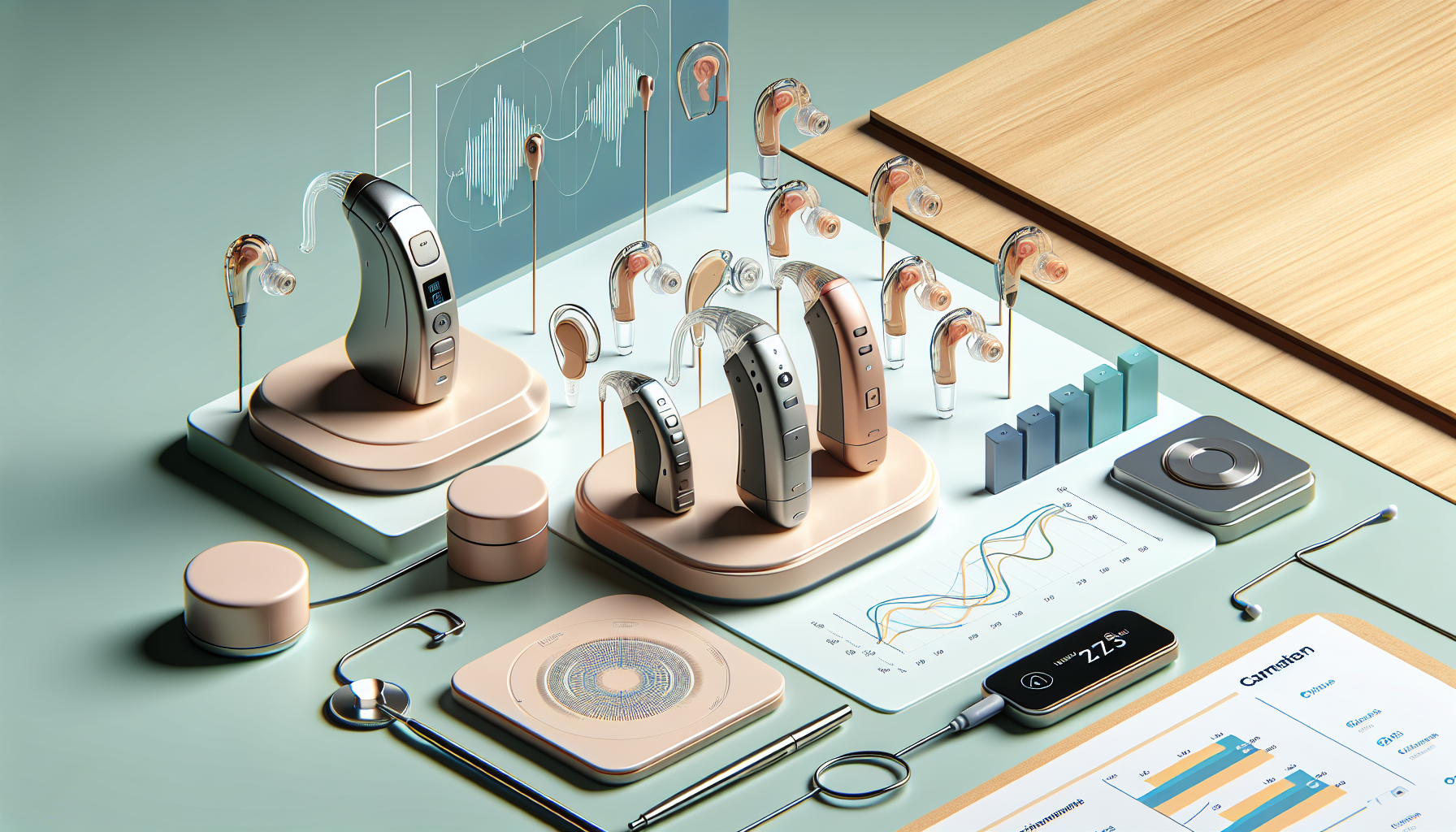
Choosing the best hearing aid brand is not as simple as picking the most advertised name. The right answer depends on your hearing loss, ear anatomy, lifestyle, budget, dexterity, phone habits, and the quality of the fitting you receive. After working with people comparing devices across private clinics, hospital systems, and over-the-counter channels, I have seen one pattern repeatedly: brand matters, but the support model matters just as much.
A hearing aid is a small electronic medical device that amplifies and processes sound to improve communication. Brands differ in hardware design, sound processing, wireless connectivity, rechargeable battery systems, app quality, tinnitus features, and service networks. Some manufacturers sell through audiology clinics only, while others offer direct-to-consumer or over-the-counter models for adults with perceived mild to moderate hearing loss. Understanding those differences helps you avoid buying a device that looks good on paper but performs poorly in your real environments.
This guide explains how to evaluate major hearing aid brands, what features actually affect daily use, and why there is no universal winner for everyone. It also serves as a hub for the broader hearing aids topic by outlining the core decisions behind style, technology level, fitting, maintenance, and long-term value. If you want one practical takeaway from the start, it is this: the best hearing aid brand is the one that matches your hearing profile and is fitted, adjusted, and supported correctly over time.
What “best hearing aid brand” really means
When patients ask which brand is best, they usually mean one of four things: which brand sounds most natural, which is most reliable, which has the strongest Bluetooth and app experience, or which offers the best value. Those are different questions, and no single company leads every category all the time. A premium device can still disappoint if the receiver strength is wrong, the dome fit leaks sound, or the prescription target is never verified with real-ear measurements.
Clinically, the best hearing aid is the one that meets your audiogram and communication needs with consistent wear time. For someone with mild high-frequency loss who spends the day on video calls, a discreet rechargeable receiver-in-canal model with stable phone streaming may be ideal. For someone with more severe loss and poor speech clarity, a behind-the-ear device with more power, custom earmolds, directional microphones, and careful speech mapping may be the better choice. Brand affects performance, but fitting accuracy and follow-up often determine satisfaction.
It also helps to separate hearing aid manufacturers from retailers. Large brands such as Phonak, Oticon, ReSound, Signia, Starkey, Widex, and Unitron make the devices. Retailers, clinics, and warehouse clubs decide which products they carry, how they bundle service, and how much counseling you get. In practice, two people can buy excellent devices from the same manufacturer and have opposite experiences because one received comprehensive testing and verification while the other got a basic setup with limited adjustment.
Major hearing aid brands and where they tend to stand out
The leading global hearing aid brands are established for a reason: they invest heavily in research, miniaturization, wireless protocols, machine learning features, and fitting software. Phonak is widely known for strong connectivity, broad Bluetooth compatibility, and robust solutions for more significant hearing loss. Oticon is often praised for open, natural sound and speech support in complex listening environments. ReSound has built a strong reputation for app control and ecosystem integration, especially for users who value mobile customization. Signia is frequently recognized for sleek design, portable charging options, and speech enhancement. Starkey emphasizes health-focused features such as fall alerts and activity tracking in selected models. Widex has long attracted listeners who prioritize music quality and smooth sound character. Unitron appeals to value-conscious buyers who still want advanced technology and flexible upgrade paths.
These brand reputations are helpful, but they are not guarantees. Product generations change. A company that led in Bluetooth stability three years ago may now be average, while another that once had a weak app may have improved significantly. That is why the smartest comparison starts with current product families, not old impressions. Look at the latest platform, battery runtime, telecoil availability, moisture resistance, AI features, and support for accessories such as TV streamers and remote microphones.
| Brand | Common strengths | Best fit for | Potential tradeoff |
|---|---|---|---|
| Phonak | Universal Bluetooth, power options, strong accessory lineup | Android users, active phone users, moderate to profound loss | Some users find sound less soft than competitors initially |
| Oticon | Natural sound processing, speech support, premium clinic presence | Users wanting open sound in busy places | Pricing can be high depending on clinic bundling |
| ReSound | Strong app control, connectivity, tinnitus tools | Tech-comfortable users who want customization | Performance depends heavily on correct setup |
| Signia | Compact designs, charging convenience, clear speech features | Style-focused wearers and frequent travelers | Battery and accessory preferences vary by model |
| Starkey | Health tracking, custom products, broad U.S. presence | Users who want wellness features and domestic support | Advanced feature sets may increase cost |
| Widex | Music-friendly sound, smooth listening comfort | Musicians and sound-sensitive listeners | Connectivity priorities may point some buyers elsewhere |
How hearing loss, lifestyle, and fit affect brand choice
Your hearing test should drive the shortlist. Mild sloping high-frequency hearing loss opens the door to many small open-fit devices. Severe loss narrows the field because you need enough gain, feedback control, and receiver or earhook power. Speech discrimination scores matter too. If clarity is poor even when sounds are loud enough, counseling, realistic expectations, and advanced directional processing become especially important.
Lifestyle is the second filter. I ask people where communication breaks down most: restaurants, worship services, family gatherings, conference rooms, lectures, the car, outdoor walks, or television. The answer changes the recommendation. A retired couple who mostly talks at home may not need flagship technology. A sales manager moving between airports, meetings, and calls often benefits from stronger noise management, remote microphones, and reliable streaming. Someone with arthritis may need larger controls or a charger that is easy to dock. Someone with visual impairment may rely on better app design or automatic programs.
Ear anatomy also influences comfort and retention. Very narrow canals may limit some custom styles. Excessive cerumen, moisture, or recurrent ear infections may favor easier-to-clean designs. Glasses, masks, helmets, and oxygen tubing can make certain behind-the-ear shapes less practical. In clinic, these details often explain success better than brand prestige does.
Features that matter most when comparing hearing aid brands
Sound processing is the core feature, but buyers often focus on the wrong specifications. More channels do not automatically mean better hearing. What matters is how effectively the software applies amplification across frequencies, controls feedback, manages sudden loud sounds, and preserves speech cues. Directional microphones are critical for noisy settings because they improve the signal-to-noise ratio, one of the main predictors of speech understanding in restaurants and group conversations.
Connectivity matters more than ever. Many users expect hands-free calling, video meeting audio, TV streaming, and app-based volume changes. iPhone compatibility is generally strong across premium brands, but Android support varies by protocol and handset. If calls are central to your day, test real streaming performance before buying. Battery systems matter too. Rechargeables are convenient and now mainstream, yet disposable batteries remain useful for travelers, backup needs, and users who cannot reliably charge nightly.
Also compare tinnitus masking options, telecoil support for looped venues, moisture resistance ratings, charger portability, and accessory ecosystems. A teacher may need a remote microphone. A TV watcher may value a dedicated streamer. A person with unilateral hearing loss may need CROS or BiCROS capability, which not every product line handles equally well. These practical details determine whether a hearing aid helps in the moments that matter most.
Prescription hearing aids versus over-the-counter options
Since the U.S. created an over-the-counter category for adults with perceived mild to moderate hearing loss, brand comparisons have become more complicated. OTC hearing aids can reduce cost and improve access, especially for people comfortable with self-fitting and app-based adjustments. Some reputable consumer audio companies and established hearing care manufacturers now offer OTC products with hearing tests, tuning guides, and remote support.
But OTC devices are not interchangeable with prescription hearing aids. They are intended for adults who do not have red-flag symptoms such as sudden hearing loss, ear pain, drainage, asymmetrical loss, or significant dizziness. They also work best when the user has the patience and ability to handle setup, insertion, cleaning, and troubleshooting independently. In my experience, motivated users with straightforward mild loss can do well with OTC products, but people with more complex hearing patterns usually benefit from diagnostic testing and professional fitting.
If you are unsure whether to choose OTC or prescription, start with a full hearing evaluation. The American Speech-Language-Hearing Association and the American Academy of Audiology both emphasize the value of comprehensive assessment, counseling, and verification. Even when the final purchase is lower cost, the information from proper testing prevents expensive mistakes.
Why professional fitting often matters more than the logo
The most overlooked factor in hearing aid success is verification. Real-ear measurement, sometimes called probe microphone testing, uses a tiny microphone in the ear canal to confirm that amplified sound matches prescriptive targets such as NAL-NL2. This is the standard of care in evidence-based fitting because software first-fit settings are often inaccurate. Without verification, a device can be underfit, leaving speech too soft, or overfit, making sound sharp and tiring.
Follow-up care is equally important. New wearers need adaptation time, cleaning instruction, insertion coaching, and adjustments for specific complaints like wind noise, occlusion, restaurant difficulty, or phone issues. The first settings are rarely the final settings. Brands supply the platform, but the clinician or hearing care provider translates that platform into daily benefit. That is why a well-supported mid-tier product often outperforms a premium device fit poorly.
Ask any provider whether the price includes hearing testing, fitting, real-ear verification, follow-up visits, warranty coverage, loss-and-damage protection, and loaner devices during repair. Those service details affect value as much as chip-level technology does.
Cost, warranties, and long-term value
Hearing aid prices vary dramatically by country, clinic model, and included service. In the United States, a pair of prescription hearing aids may range from roughly $2,000 to more than $7,000, while OTC options can be far lower. Higher price does not always mean better results. Often it reflects bundled appointments, office overhead, included accessories, longer warranty periods, and provider expertise.
When I help people compare quotes, I recommend focusing on total ownership cost over three to five years. Ask about rechargeable battery lifespan, charger replacement cost, wax guard and dome supplies, out-of-warranty repair fees, and whether future programming visits are included. Also ask if the trial period offers a meaningful refund option. A good trial reduces the risk of choosing the wrong brand or style.
Value also includes durability. If you perspire heavily, work outdoors, or live in a humid climate, moisture management can outweigh cosmetic preferences. If you upgrade phones often, choose a brand with a strong record of app updates and compatibility support. The best hearing aid brand is the one you will wear consistently because it fits your hearing, your routine, and your support needs. Use this hub to guide your shortlist, then compare models, providers, and trial terms before you buy.
Start with a hearing test, list your daily listening challenges, and demo the top options with real-world goals in mind.
Frequently Asked Questions
Which brand of hearing aid is best overall?
There is no single best hearing aid brand for everyone, and that is the most important point to understand before comparing names, prices, or features. The best brand for you depends on several factors working together: the type and degree of your hearing loss, the shape of your ear canals, how comfortable you are with technology, whether you use an iPhone or Android phone, how often you are in noise, your budget, your hand dexterity, and the quality of the fitting and follow-up care you receive. A hearing aid is a small electronic medical device, not a one-size-fits-all consumer gadget, so the real-world outcome often depends as much on programming and professional support as it does on the logo on the device.
Many leading brands make excellent products, including premium prescription devices from well-known manufacturers and a growing number of capable over-the-counter options for adults with perceived mild to moderate hearing loss. Some brands stand out for Bluetooth streaming, some for rechargeability, some for background noise management, and others for discreet designs or app usability. However, even a technically advanced hearing aid can perform poorly if it is not fit properly, verified carefully, and adjusted to your listening needs over time. That is why people sometimes report completely different experiences with the same brand.
If you want the best answer rather than the simplest answer, focus on brand plus service model. Ask who will program the device, how many follow-up visits are included, whether real-ear measurements are used, how repairs and cleanings are handled, and what the trial and return policy looks like. In many cases, the best brand is the one that offers the right technology for your hearing profile and comes with the strongest fitting, education, and long-term support.
Does the hearing aid brand matter as much as the audiologist or provider?
Brand matters, but the provider often matters just as much, and in many cases more. Modern hearing aids from reputable manufacturers are highly sophisticated, but they still need to be selected correctly and programmed correctly. Two people can wear the same model from the same brand and have very different results based on the hearing test, the fitting targets used, the physical fit in the ear, the counseling they receive, and how willing the provider is to fine-tune settings after the initial fitting.
A strong provider does more than hand over devices. They help determine whether you need a prescription hearing aid or might be a candidate for an over-the-counter device, explain realistic expectations, choose the appropriate style, verify the output, and make adjustments based on your most difficult listening situations. They also help with comfort issues, wax management, dome or earmold selection, retention, connectivity problems, and ongoing maintenance. This support can be especially important for first-time users, people with asymmetrical hearing loss, those with tinnitus, or anyone with more complex hearing needs.
That is why support model matters so much. A private clinic may offer highly personalized care and broader brand access. A hospital system may provide medically integrated hearing care, which can be useful if you also have ear disease, balance issues, or a history of surgeries. Over-the-counter channels can be more affordable and convenient, but they typically require more self-management and may not be ideal for people who need diagnostic evaluation or custom fitting. In short, a good brand helps, but expert assessment and follow-up often determine whether the hearing aid actually improves daily life.
Are premium hearing aid brands really better than budget or over-the-counter options?
Premium hearing aid brands can be better in certain situations, but they are not automatically better for every person. Higher-priced devices often include more advanced sound processing, better performance in complex noise, more customization options, stronger feedback control, more refined directional microphones, and broader connectivity features. For someone who spends time in restaurants, meetings, social gatherings, worship services, or outdoor environments with shifting sound sources, those added features may provide meaningful benefits.
That said, budget and over-the-counter hearing aids have improved substantially. For adults with perceived mild to moderate hearing loss, especially those who are comfortable using smartphone apps and doing some self-adjustment, some over-the-counter devices can provide a very reasonable starting point. They may offer good speech support in quiet and moderate listening environments, rechargeability, and app-based control at a much lower upfront cost. For some users, that is enough to make a real difference.
The limitation is that lower-cost options usually come with fewer personalized fitting tools and less professional support. They may not be appropriate for severe hearing loss, unusual hearing patterns, significant earwax issues, chronic ear conditions, or people who struggle with insertion, controls, or app navigation. They also may not perform as well in highly demanding listening situations. The right question is not whether premium is always better, but whether the extra cost will translate into benefits you will actually notice in your own life. If your hearing needs are complex, premium prescription devices with skilled fitting often justify the investment. If your needs are simpler, a lower-cost solution may be perfectly reasonable.
How do I choose the best hearing aid brand for my lifestyle and hearing needs?
Start with your hearing profile and daily routine rather than starting with advertising. Think about where you struggle most. If you mostly want to hear one-on-one conversations at home, your needs may differ significantly from someone who attends business meetings, travels often, streams media every day, or spends time in noisy social settings. You should also consider whether you need all-day battery life, rechargeable convenience, easy controls, strong phone compatibility, tinnitus features, telecoil access, or discreet styling.
Your physical comfort and usability matter too. Ear anatomy affects how well certain styles fit and how much feedback control is needed. Dexterity and vision affect whether you can manage tiny batteries, slim tubes, domes, wax guards, or small push buttons. If you have arthritis or limited finger control, rechargeable devices with simple charging docks may be a better match than models that require frequent battery handling. If you rely heavily on phone calls or video calls, make sure the brand works well with your specific phone and supports the streaming experience you want.
It is also smart to evaluate the care pathway. Ask whether the provider offers multiple brands or only one line, whether real-ear verification is included, how often adjustments are expected during the trial period, and what happens if the first choice is not ideal. The best selection process combines audiologic data, personal priorities, and practical support. A brand is a toolset; the right choice is the one whose features align with your hearing challenges and whose provider can help you get the most from it over time.
What should I ask before buying a hearing aid from any brand?
Before buying, ask questions that go beyond the device name. First, ask whether you need a full hearing evaluation and whether your results show any medical red flags that should be addressed by an ear specialist. Then ask which hearing aid styles are appropriate for your hearing loss and ear anatomy, and why one recommendation is being made over another. A trustworthy provider should be able to explain the reasoning clearly and in plain language.
Next, ask about the fitting process. Find out whether the hearing aids will be programmed to prescriptive targets, whether real-ear measurements are used to verify the fitting, and how many follow-up visits are included in the quoted price. Ask what support is available if speech sounds sharp, background noise feels overwhelming, or the devices feel physically uncomfortable. These issues are common early on, and successful users usually need a period of adjustment and fine-tuning.
You should also ask practical ownership questions: How long is the trial period? What are the return terms and any nonrefundable fees? What warranty is included? Are loss and damage coverage, cleanings, repairs, loaner devices, and future adjustments included? How often will supplies such as wax guards, domes, or earmolds need replacement? Finally, ask whether the device works with your phone and whether you can test streaming and app control before committing. The best purchase decision comes from understanding the full package: the hearing aid, the fitting quality, the service plan, and the long-term support you can count on.