
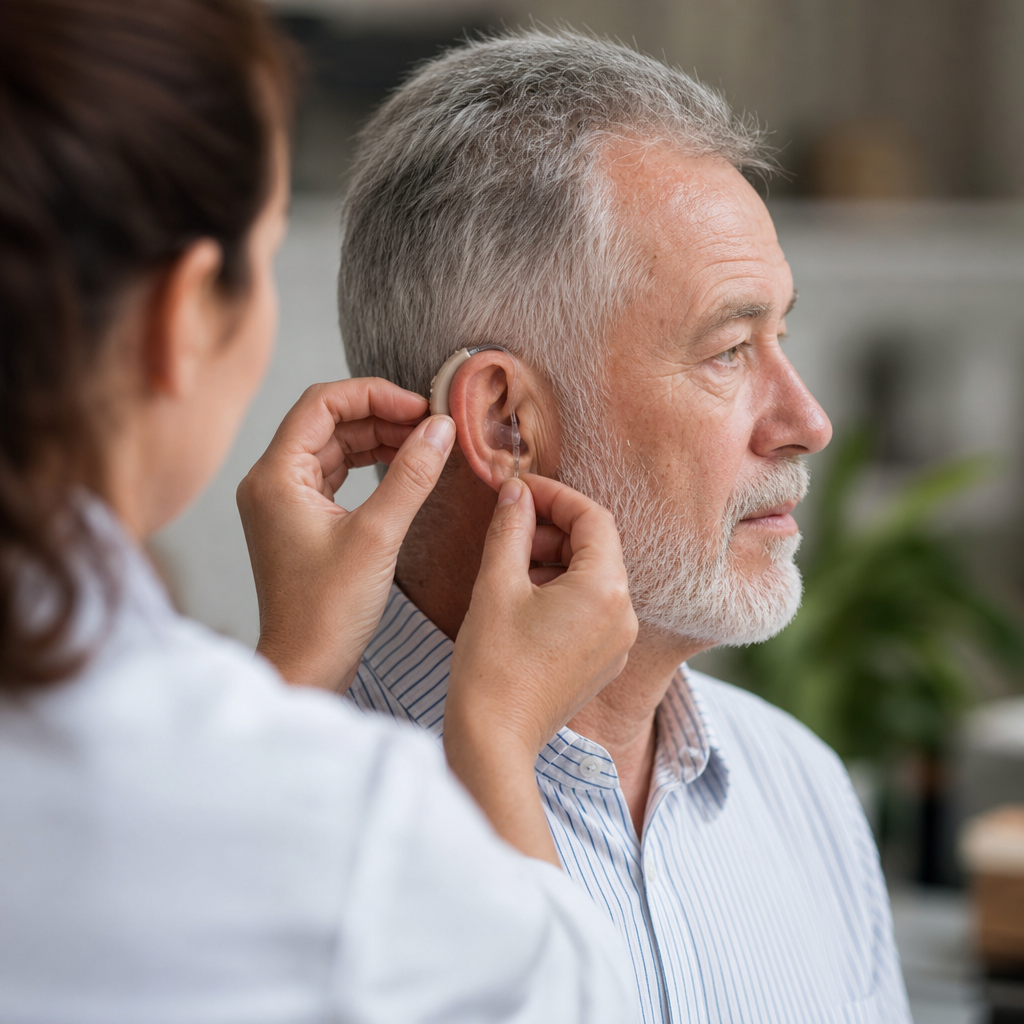
Ringing in the ears can be exhausting, distracting, and emotionally draining, which is why many people ask whether a hearing aid will help with tinnitus. Tinnitus is the perception of sound without an external source, often described as ringing, buzzing, hissing, clicking, roaring, or humming. A hearing aid is a medical device designed to amplify sound for people with hearing loss, but modern devices can also support tinnitus management in several clinically useful ways. In practice, I have seen the question come up most often when someone notices that quiet rooms make the internal noise feel louder, conversations become harder to follow, and stress starts amplifying both problems at once.
The short answer is yes, a hearing aid can help with ringing in the ears for many people, especially when tinnitus occurs alongside hearing loss. It does not cure tinnitus, and it does not work equally well for every cause, but it can reduce awareness of the sound, improve communication, and lower the strain tinnitus places on daily life. This matters because tinnitus is common. According to the National Institute on Deafness and Other Communication Disorders, roughly 10 percent of U.S. adults experienced tinnitus lasting at least five minutes in the past year. Hearing loss is also strongly associated with tinnitus, which is why hearing aids are frequently part of an audiologist’s treatment plan.
To understand why hearing aids may help, it is useful to define a few key terms. Tinnitus management refers to strategies that reduce the impact of tinnitus rather than eliminate the signal entirely. Masking uses external sound to make tinnitus less noticeable. Habituation means the brain learns to treat the tinnitus signal as less important, similar to how people stop noticing a refrigerator hum. A hearing aid fitting is the process of programming a device to a patient’s hearing thresholds, often using real-ear measurement to verify that amplification matches prescription targets such as NAL-NL2. Those details matter because a poorly fit device may provide little relief, while a well-fit device can change how the auditory system and attention networks respond throughout the day.
People also need clear expectations. Hearing aids help most when tinnitus is tied to measurable hearing loss, but they may be less effective when hearing is normal, tinnitus is caused by a medical condition requiring treatment, or the sound is pulsatile and follows the heartbeat. In those cases, an ear, nose, and throat physician may need to rule out wax impaction, middle ear disease, medication effects, Ménière’s disease, temporomandibular joint dysfunction, or vascular problems. The goal of this guide is to explain when hearing aids help, how they work, what features matter, and what other tinnitus treatments should be considered so you can make an informed next step.
Why hearing aids can reduce tinnitus perception
Hearing aids often help ringing in the ears because they restore access to environmental sounds that hearing loss has reduced. When the brain receives less input from damaged portions of the auditory system, it may increase internal gain, a compensatory response sometimes compared to turning up a weak radio signal. Many tinnitus models suggest that this reduced auditory input contributes to the phantom sound. By amplifying speech, room noise, traffic, birdsong, and other everyday sounds, hearing aids can decrease the contrast between tinnitus and silence. In plain terms, the ringing stands out less when the world becomes audible again.
There is also a practical communication benefit. Tinnitus becomes more intrusive when listening already feels effortful. If someone is straining to catch words in meetings or restaurants, the brain has fewer resources left to ignore internal noise. Once amplification improves speech access, listening effort drops, fatigue often decreases, and tinnitus may feel less dominant. This is one reason patients frequently report that the device helps more during active daytime use than at bedtime. The relief is not just acoustic; it is cognitive and emotional.
Research and clinical guidance support this approach. The American Academy of Otolaryngology–Head and Neck Surgery guideline recommends hearing aid evaluation for patients with hearing loss and persistent, bothersome tinnitus. The evidence does not show a universal cure, but it consistently supports hearing aids as a reasonable management tool when hearing loss is present. In my experience, the people who benefit most are those with mild to moderate high-frequency hearing loss who say the tinnitus is loudest in quiet settings and least noticeable when they are engaged in conversation, outdoors, or listening to soft background sound.
Who is most likely to benefit from a hearing aid for ringing in the ears
The best candidate is a person with both tinnitus and documented hearing loss on a comprehensive hearing test. High-frequency sensorineural hearing loss is especially common. These patients often describe a high-pitched ring, trouble hearing women’s or children’s voices, difficulty in background noise, and temporary relief when the television or shower is on. A hearing aid can address both the hearing deficit and the tinnitus burden at the same time.
People with recent changes in tinnitus should seek evaluation promptly. Sudden hearing loss with tinnitus is an urgent medical issue and should not wait for a routine hearing aid appointment. Unilateral tinnitus, dizziness, ear fullness, pain, drainage, or pulsatile tinnitus may also point to conditions that need medical workup before hearing aid selection. If hearing is essentially normal, an audiologist may still discuss sound therapy devices, counseling, sleep strategies, and cognitive behavioral therapy, but standard amplification may be less helpful.
Severity matters too. Someone with mild tinnitus annoyance may need only education and environmental sound. Someone with severe, persistent tinnitus affecting sleep, concentration, and mood may need a combination plan. That plan can include hearing aids, tinnitus sound support, counseling, CBT, and management of anxiety, depression, jaw tension, caffeine habits, or noise exposure. The most successful care is individualized rather than device-centered.
What features matter in tinnitus-focused hearing aids
Not every hearing aid is equally useful for tinnitus management. The most important feature is accurate amplification matched to the hearing loss. Beyond that, many major manufacturers offer built-in tinnitus programs. These may generate broadband noise, ocean-like sound, fractal tones, or customizable relief signals through a smartphone app. Brands such as Phonak, Oticon, Widex, ReSound, Signia, and Starkey all offer tinnitus-oriented features, but the quality of fitting matters more than brand marketing.
Open-fit receiver-in-canal devices are common because many tinnitus patients have better low-frequency hearing and need high-frequency amplification without feeling blocked. Directional microphones and noise reduction can improve speech understanding, which indirectly helps tinnitus by lowering listening strain. Bluetooth streaming is valuable because patients can send sound therapy, music, podcasts, or relaxation audio directly to the devices. Rechargeable batteries improve convenience, which can increase all-day wear time, and wear time strongly influences benefit.
| Feature | How it helps tinnitus | Best use case |
|---|---|---|
| Precise amplification | Reduces contrast between tinnitus and environmental sound | Tinnitus with measurable hearing loss |
| Built-in sound generator | Adds relief sound without needing a separate device | Quiet offices, reading, stress spikes |
| Bluetooth streaming | Delivers customized sound therapy or relaxation audio | Commutes, work breaks, evening wind-down |
| Open-fit design | Improves comfort and preserves natural low-frequency hearing | High-frequency hearing loss |
| Data logging and apps | Helps fine-tune settings based on real-world use | Follow-up adjustments after fitting |
One caution is that more sound is not always better. Overamplification can be uncomfortable and may worsen sound sensitivity in some patients. That is why best practice includes verification, gradual adjustment, and follow-up visits. A hearing aid should be comfortable, sustainable, and tuned for daily listening, not set to drown out tinnitus aggressively all day.
What to expect during evaluation, fitting, and follow-up
A proper tinnitus and hearing aid evaluation begins with history taking. The clinician should ask when the tinnitus started, whether it is constant or intermittent, one ear or both, tonal or pulsatile, and what makes it better or worse. They should review noise exposure, medications, ear disease, dizziness, jaw symptoms, sleep, stress, and hearing difficulties. Testing usually includes otoscopy, pure-tone audiometry, speech testing, and sometimes tympanometry. Some clinics also measure tinnitus pitch and loudness, though those values are less important than the patient’s reported burden.
If hearing aids are recommended, fitting should be based on your audiogram and verified in the ear canal with real-ear measurement. This step is not optional in high-quality care; it confirms the device is meeting prescription targets for soft, average, and loud speech. If tinnitus features are enabled, the audiologist should explain whether the relief sound is intended for masking, mixing, or relaxation. In many fittings I have managed, the best starting point was low-level amplification first, with a tinnitus program added only after the patient adapted to everyday sound.
Follow-up is where much of the success happens. Patients need time to adjust to amplified environmental sound, especially if they have been under-hearing for years. Early issues often include sharp paper noise, clattering dishes, or discomfort with their own voice. Those problems are usually fixable through programming changes. Tinnitus outcomes also change over weeks rather than hours. The right question is not only whether the ringing vanished, but whether you are noticing it less, sleeping better, hearing more easily, and feeling less distressed by it.
What hearing aids cannot do and when other treatments are needed
Hearing aids are helpful tools, but they are not a standalone cure for every form of tinnitus. They do not reverse inner ear damage, erase the phantom signal permanently, or treat serious medical causes. If tinnitus is pulsatile, one-sided without hearing loss, or associated with asymmetric hearing loss, sudden change, vertigo, or neurologic symptoms, medical evaluation comes first. Imaging or specialist referral may be necessary depending on findings.
Many patients need a broader plan. Cognitive behavioral therapy has the strongest evidence for reducing tinnitus distress, even though it does not lower the sound itself. CBT helps patients change catastrophic thoughts, reduce hypervigilance, and improve coping. Sound therapy using bedside sound machines, fans, or app-based noise can help in quiet environments, particularly for sleep. Sleep hygiene, treatment of anxiety or depression, and avoidance of loud noise are all clinically important. Custom earplugs may be useful for musicians or industrial workers, but overusing earplugs in safe environments can make tinnitus seem louder by increasing silence.
It is also worth addressing supplements and miracle claims. Products marketed as tinnitus cures rarely have strong evidence. Patients are better served by a structured plan grounded in audiology, medical screening, counseling, and realistic device use. When expectations are clear, satisfaction is much higher.
How to choose the right provider and next step
If you are considering hearing aids for ringing in the ears, choose a provider who treats tinnitus routinely rather than simply selling devices. Ask whether the clinic performs comprehensive hearing testing, real-ear verification, tinnitus counseling, and follow-up fine-tuning. Ask which manufacturers they fit and whether they can demonstrate tinnitus features in the office. A strong provider will talk as much about your hearing goals, sleep, stress, and listening environments as they do about technology levels and pricing.
Cost and care model matter. Hearing aids can range from lower-cost over-the-counter options for perceived mild hearing loss to professionally fit prescription devices with bundled care. For tinnitus, professional care usually adds significant value because the success of amplification depends on accurate diagnosis, customization, and support. OTC devices may help some adults with mild, self-perceived hearing loss, but they are not appropriate when red-flag symptoms are present or when tinnitus is complex and bothersome.
A hearing aid can absolutely help with ringing in the ears, but the best results come when treatment starts with the right diagnosis and continues with careful fitting and follow-up. If your tinnitus is paired with hearing difficulty, schedule a full hearing evaluation with an audiologist or ENT-based hearing clinic. The sooner you understand the cause and your options, the sooner you can build a plan that makes the noise easier to live with and, for many people, much easier to ignore.
Frequently Asked Questions
Will a hearing aid help with ringing in the ears?
Yes, for many people a hearing aid can help reduce the burden of ringing in the ears, especially when tinnitus is linked to hearing loss. Tinnitus is often more noticeable when the brain is not receiving enough external sound input. When hearing is reduced, the contrast between quiet surroundings and internal tinnitus can make the ringing seem louder and more intrusive. A properly fitted hearing aid amplifies environmental sounds, speech, and other meaningful everyday noises, which can make tinnitus less prominent and easier to ignore.
It is important to understand that a hearing aid is not usually a cure for tinnitus. Instead, it is a management tool. Many patients describe the benefit as relief rather than elimination. By improving access to outside sound, hearing aids can reduce the awareness of tinnitus, improve communication, decrease listening strain, and lower stress levels that may otherwise make tinnitus feel worse. For some people, this leads to major day-to-day improvement in concentration, mood, and sleep quality.
Results vary from person to person. People with both tinnitus and measurable hearing loss tend to be among the best candidates. If hearing is normal, a standard hearing aid may be less helpful, although other tinnitus management options may still be appropriate. The best way to know whether a hearing aid may help is to have a full hearing evaluation and discuss your symptoms, hearing profile, and lifestyle needs with a hearing professional.
How do hearing aids reduce tinnitus symptoms?
Hearing aids can reduce tinnitus symptoms in several clinically useful ways. The first is sound enrichment. By making external sounds more audible, hearing aids reduce the contrast between tinnitus and the listening environment. When the brain has more meaningful sound to pay attention to, the internal ringing often becomes less dominant. This is one of the most common reasons people report tinnitus relief when they begin wearing hearing aids.
The second benefit is improved auditory stimulation. In people with hearing loss, reduced sound input may contribute to changes in the brain’s sound-processing pathways. Amplification helps restore access to sounds the ears are missing, and this may help the auditory system function in a more balanced way. While the exact mechanisms of tinnitus are complex and not identical for every patient, increasing appropriate sound input is a well-established part of tinnitus management.
Third, hearing aids often reduce listening fatigue and stress. When hearing is difficult, the brain works harder to follow conversations and interpret the environment. That extra effort can increase frustration, tension, and mental exhaustion, all of which can make tinnitus feel more intrusive. Better hearing can improve communication and reduce that load. Some modern devices also include tinnitus features such as built-in sound generators, customizable masking sounds, and app-based controls, which can provide an added layer of relief tailored to the user’s needs.
Do all hearing aids have tinnitus masking or sound therapy features?
No, not all hearing aids include built-in tinnitus programs, but many modern prescription devices do offer tinnitus support features. These may include white noise, pink noise, ocean-like sounds, soft broadband noise, or other customizable sound therapy options that can be adjusted by an audiologist. Some devices allow users to change settings through a smartphone app, making it easier to find a comfortable sound level for different situations, such as quiet evenings, work hours, or bedtime routines.
Even when a hearing aid does not include a dedicated tinnitus masker, it may still help by amplifying environmental sounds. For many people, that alone provides meaningful relief. However, if tinnitus is a major concern, it is worth asking specifically about tinnitus-focused features before choosing a device. The right hearing aid selection depends on hearing test results, the pitch and loudness of tinnitus, daily listening demands, dexterity, budget, and personal preferences.
It is also worth noting that more sound is not always better. Tinnitus management should be comfortable and carefully programmed. The goal is not to drown tinnitus out aggressively, but to make it less noticeable and less distressing over time. A hearing professional can determine whether a standard amplification approach is enough or whether a device with integrated sound therapy would likely be more beneficial.
If I have tinnitus but no hearing loss, should I still consider a hearing aid?
If you have tinnitus but no measurable hearing loss, a traditional hearing aid may not be the first or best option. Hearing aids are primarily designed to treat hearing loss, so if your hearing test is normal, amplification may offer limited benefit. That said, not every person with tinnitus and “normal” hearing has identical auditory function. Some people struggle in noise, have subtle high-frequency deficits not obvious to them, or experience tinnitus patterns that may still respond to sound-based strategies.
In these cases, a hearing professional may recommend other tinnitus tools instead of or in addition to hearing aids. These can include wearable sound generators, sound therapy apps, bedside noise machines, counseling, tinnitus retraining approaches, cognitive behavioral strategies, stress reduction, and sleep-focused interventions. Tinnitus is not just an ear issue; it often affects attention, emotional response, and quality of life. A broader treatment plan is often more effective than relying on one device alone.
If tinnitus is persistent, one-sided, pulsatile, sudden, or associated with dizziness, ear pain, or a noticeable drop in hearing, prompt medical evaluation is important. Those features can signal a condition that needs medical assessment rather than routine tinnitus management alone. The most appropriate next step is usually a comprehensive hearing exam and a discussion of all symptoms so the right treatment path can be identified.
How long does it take to notice tinnitus relief from hearing aids?
The timeline varies, but some people notice partial relief as soon as their hearing aids are fitted and turned on. This often happens because everyday environmental sounds immediately become more audible, which can make tinnitus feel less intense. Others improve more gradually over several weeks or months as they adapt to amplified sound, wear the devices more consistently, and learn which settings are most comfortable for their tinnitus profile.
Consistent use matters. Hearing aids generally work best for tinnitus when worn regularly during waking hours, not only in moments when ringing becomes unbearable. The brain benefits from steady access to external sound. Follow-up adjustments are also a key part of success. Initial programming may need refinement based on your real-world experience, especially if your tinnitus changes in quiet places, busy environments, or at the end of the day.
It is also helpful to set realistic expectations. Relief is often gradual and functional rather than dramatic. You may notice that tinnitus bothers you less, interrupts you less often, or is easier to tune out rather than completely disappearing. That is still meaningful progress. With the right device, careful fitting, and a broader tinnitus management plan when needed, many people experience worthwhile improvement in daily comfort and quality of life.