
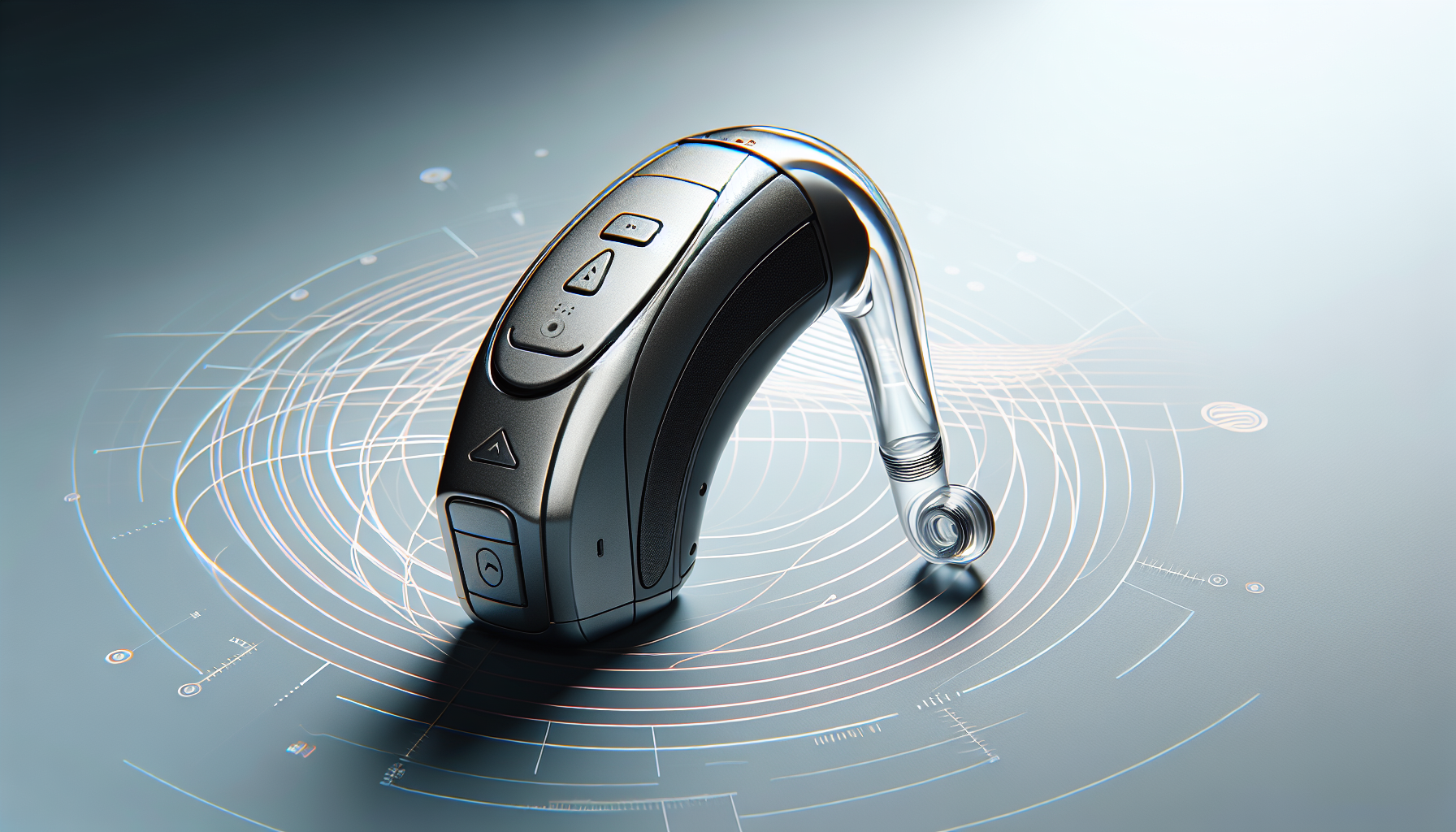
Widex hearing aid technology is known for natural sound, flexible fitting options, and a long history of innovation, making it a leading choice for people researching better hearing. A Widex hearing aid is a digital medical device designed to amplify speech, manage background noise, and support day to day listening in environments ranging from quiet living rooms to busy restaurants. This matters because untreated hearing loss affects communication, cognitive load, work performance, social connection, and overall quality of life. In clinic, I have seen the difference a well fitted device makes: people stop guessing at conversations, family members stop repeating themselves, and listening becomes less exhausting. As a hub topic, Widex hearing aid research should answer the core questions buyers ask first: what Widex is, how its models differ, who it suits, what features matter, how fitting works, and what tradeoffs to expect before purchasing.
Widex is a Danish hearing care brand founded in 1956 and now part of WS Audiology, one of the largest hearing aid manufacturers in the world. The company built its reputation on sound quality and low processing delay, which affects how natural a user’s own voice and environmental sounds feel. Key terms help frame the rest of this guide. Hearing loss usually refers to reduced sensitivity to sound, commonly sensorineural loss caused by inner ear damage. Channels are adjustable frequency regions used during programming. Receiver in canal, often shortened to RIC, describes a style with a small case behind the ear and a speaker placed in the ear canal. Custom in the ear devices are molded to the user’s ear. Rechargeable hearing aids use built in lithium ion batteries, while traditional models use disposable zinc air cells. Telecoil, Bluetooth streaming, feedback management, directional microphones, tinnitus programs, and real ear measurement are also central concepts because they directly affect performance, usability, and long term satisfaction.
Choosing the right Widex hearing aid is not just about buying premium hardware. Hearing outcomes depend on three factors working together: the technology level, the physical style, and the quality of the fitting process. Even excellent devices can underperform if domes fit poorly, gain is set too low, or counseling is rushed. Widex attracts buyers who prioritize clear, refined sound, especially for music, conversation, and mixed environments where harsh processing can be fatiguing. At the same time, no hearing aid restores natural hearing completely, and every brand has strengths and limitations. This guide covers the full landscape so you can compare options intelligently, know what to ask an audiologist, and understand where a Widex hearing aid fits within the broader hearing aid market.
What Makes a Widex Hearing Aid Different
Widex has consistently differentiated itself through sound processing choices intended to preserve naturalness. In practical terms, that usually means low input lag, smooth amplification, and careful handling of soft sounds without making loud sounds uncomfortable. Widex Moment became especially well known for minimizing the artificial echo or hollow quality some wearers notice when amplified sound arrives later than direct sound reaching the eardrum. The company refers to this delay management as a core part of its listening philosophy, and many first time users notice the benefit most in their own voice. When the wearer says a word and it sounds less boomy or metallic, adaptation tends to be easier.
Another defining trait is Widex’s long standing reputation among musicians and users sensitive to sound fidelity. No hearing aid is a studio reference monitor, but Widex has often been preferred by people who care about timbre, tonal balance, and listening comfort over long periods. The brand also offers tinnitus management features through Zen fractal tones, a well known Widex program that provides relaxing, non repeating sound patterns. Clinically, that can be helpful for patients with bothersome tinnitus, though it works best as part of a broader tinnitus management plan rather than as a standalone cure.
Widex also emphasizes app based personalization. Through the Widex app, users can adjust volume, change listening programs, stream audio on supported devices, and in some product families use guided sound personalization tools. Remote fine tuning has become more common as hearing care providers support follow up care without requiring every adjustment to happen in person. For patients with transportation limits or busy schedules, that can materially improve adherence and satisfaction.
Widex Hearing Aid Styles, Models, and Features
Widex hearing aids are sold in several form factors, each designed around different hearing loss patterns, dexterity needs, cosmetic preferences, and lifestyle demands. The most common modern style is RIC because it balances power, comfort, and discreet appearance. Widex offers slim behind the ear options with rechargeable batteries and receivers in different power levels. These devices often fit mild to severe hearing loss depending on the receiver, earmold, and venting configuration. Behind the ear models with tubing are still important for people needing more power, pediatric fittings, or easier handling.
Custom styles remain relevant for users who prioritize a self contained form factor. Depending on the product line and hearing profile, Widex may offer in the canal, completely in canal, or full shell custom devices. These can be appealing for glasses wearers or users who dislike behind the ear hardware, but they are usually smaller, can be harder to handle, and may have fewer wireless features than larger styles. Ear canal anatomy, cerumen production, and manual dexterity should always guide selection.
Recent Widex product families that buyers commonly encounter include Widex Moment and Moment Sheer, with feature updates around design, rechargeability, and connectivity. Availability can vary by market, and audiologists may still fit earlier lines where appropriate. Technology tiers within a family matter because they determine how advanced the directional microphone system, noise reduction, environmental classification, and automation will be. Higher tiers generally perform better in complex noise, but the jump is not always equally noticeable for every user. Someone who mostly watches television at home may not need the same top tier processing as someone attending meetings, dining out often, and navigating group conversation daily.
| Category | Typical Widex Options | Best For | Main Tradeoff |
|---|---|---|---|
| RIC | Rechargeable or battery powered, open or custom coupling | Most adults with mild to severe loss | Small parts require maintenance |
| BTE | Standard tubing or earmold based fittings | Higher power needs, easier handling | More visible behind the ear |
| Custom ITE/ITC/CIC | Shells molded to ear anatomy | Users wanting one piece design | Less space for battery and wireless features |
| Rechargeable | Lithium ion charging systems | Convenience and daily routine users | Need reliable charging access |
Feature wise, buyers should focus on what changes real listening outcomes. Directional microphones help emphasize speech from the front. Noise reduction reduces listening effort but does not erase background sound. Feedback cancellation manages whistling. Wind noise management improves outdoor comfort. Bluetooth lets users stream calls, music, and media, though exact compatibility differs between iPhone, Android, and accessory pathways. Telecoil may still matter in venues with hearing loop systems such as houses of worship, theaters, and some public meeting spaces. For many patients, rechargeability and app usability end up affecting satisfaction as much as sound processing because convenience drives consistent wear.
Who Should Consider Widex and How Fitting Works
A Widex hearing aid can be a strong option for adults with mild to severe sensorineural hearing loss, especially those who value natural sound and use their devices for extended periods in varied settings. I often consider Widex for first time wearers worried about their own voice sounding strange, for music listeners, and for patients with tinnitus who may benefit from integrated sound therapy tools. It can also suit experienced wearers switching from other brands after dissatisfaction with listening comfort. That said, brand selection should never happen in isolation from the audiogram, loudness tolerance, ear anatomy, smartphone ecosystem, and communication goals.
The fitting process starts with a comprehensive hearing evaluation, ideally including otoscopy, pure tone air and bone conduction testing, speech testing, and a review of medical history and listening challenges. Once candidacy is confirmed, the provider helps match style and technology level to the patient’s needs and budget. Physical fit matters immediately. An open dome may feel comfortable and reduce occlusion, but some losses require a more closed fit or custom earmold to deliver enough gain and preserve speech audibility. Receiver strength, vent size, and retention support all influence comfort and performance.
Programming should be verified, not guessed. Best practice is real ear measurement, sometimes called probe microphone verification, which measures actual sound levels in the ear canal and compares them to prescriptive targets such as NAL-NL2. This step is essential because manufacturer first fit settings are often not accurate enough on their own. I have repeatedly seen users labeled as unsuccessful hearing aid candidates simply because their previous devices were underfit. Follow up visits are equally important because adaptation takes time. Fine tuning after one or two weeks of real world use often improves speech clarity, streaming balance, and noise comfort significantly.
Counseling completes the process. Users need realistic expectations about what hearing aids can and cannot do. A Widex hearing aid can improve access to speech and environmental awareness, but crowded spaces remain difficult because the auditory system itself may be damaged. Lip reading, strategic seating, remote microphones, and captioned phone solutions may still be useful. Strong outcomes come from combining good technology with evidence based fitting and practical communication strategies.
Costs, Maintenance, and How Widex Compares With Other Brands
Widex hearing aid prices vary widely based on model family, technology level, service bundle, and region. In many private clinics, a pair may range from roughly two thousand to more than seven thousand dollars when professional services are included. The higher figure often reflects bundled care such as testing, fitting, adjustments, warranty support, and follow up rather than hardware alone. Insurance coverage is inconsistent in the United States, though some Medicare Advantage plans, state Medicaid programs, Veterans Affairs benefits, and private plans offer partial help. Buyers should ask whether quoted pricing includes chargers, replacement receivers, loss damage coverage, and office visits.
Maintenance is straightforward but non negotiable. Wax guards, domes, microphone ports, and charging contacts need regular attention. Receivers can fail from moisture or debris, and custom devices require periodic cleaning because cerumen accumulation affects output. Rechargeable systems reduce battery handling but make nightly charging a routine task. Professional clean and check visits extend device life and catch issues before users assume their hearing has worsened. Warranties commonly cover repairs for a set term, but accidental loss coverage may be separate or involve deductibles.
Compared with other major brands such as Phonak, Oticon, ReSound, Signia, and Starkey, Widex generally stands out for sound character and tinnitus features rather than for one universally dominant category. Phonak often leads in broad connectivity and power options. Oticon is known for open sound processing strategies. ReSound has long emphasized wireless ecosystem integration. Starkey highlights health and sensor features in some lines. Signia is frequently noted for own voice processing and sleek charging designs. Widex competes effectively when natural listening quality is the priority, but the best brand for any one person depends on hearing profile, phone compatibility, dexterity, and local provider expertise. A great audiologist with a solid fitting protocol usually matters more than small differences between premium brands.
How to Choose the Right Widex Hearing Aid
The smartest way to choose a Widex hearing aid is to align the device with your real listening life, not with marketing language. Start by listing where hearing breaks down most often: one on one conversation, television, meetings, driving, restaurants, worship services, music, phone calls, or tinnitus relief. Then match those needs to style, power, and feature level. If you wear hearing aids all day and move through varied environments, higher technology may reduce listening effort enough to justify the cost. If your world is quieter, a mid level option may perform nearly as well.
Ask direct questions during the appointment. Will the fitting be verified with real ear measurement. Is the device rechargeable. How does it stream with your specific phone. What is the trial period. What happens if the receiver fails. Are remote follow ups available. Can you test speech in noise performance before and after fitting. These questions reveal the quality of the care model and help avoid buyer regret. Also ask about accessories such as TV streamers or remote microphones, which can produce larger improvements in difficult listening situations than a jump to a higher technology tier alone.
Widex hearing aids are a credible premium option because they combine refined sound processing, modern wireless convenience, and a track record of clinical innovation. They are not magic, and they are not automatically the right answer for every listener. The best results come from accurate diagnosis, careful fitting, verified programming, and ongoing support. If you are considering a Widex hearing aid, book a comprehensive hearing evaluation with a provider who uses evidence based fitting methods, compare models against your daily needs, and insist on a trial experience that lets you judge performance in the places that matter most.
Frequently Asked Questions
What is a Widex hearing aid, and how does it work?
A Widex hearing aid is a prescription digital medical device designed to help people with hearing loss hear speech more clearly, reduce the strain of listening, and stay more connected in everyday life. It works by picking up sound through built-in microphones, processing that sound with advanced digital technology, and delivering an amplified, shaped signal into the ear based on the user’s hearing needs. Rather than simply making everything louder, modern Widex devices are programmed to emphasize important sounds such as conversation while helping manage competing background noise.
One reason Widex hearing aids are widely recognized is their reputation for natural sound quality. The technology is built to preserve detail and listening comfort, which can be especially important for people who want speech to sound clear without feeling harsh or artificial. Depending on the model and fitting, Widex hearing aids may also include features such as directional microphones, noise management, feedback control, tinnitus support, and wireless connectivity for phones and accessories. In practical terms, that means the device is designed to help in a range of listening situations, from one-on-one conversations at home to group settings, meetings, and restaurants.
What makes Widex hearing aids different from other hearing aid brands?
Widex has a long-standing reputation for innovation, particularly in the areas of sound processing, listening comfort, and flexible fitting options. Many people researching hearing aids are looking for a device that does more than amplify sound—they want something that helps speech feel more understandable and less tiring to follow. Widex is often associated with a sound profile that users describe as natural, detailed, and less “processed” than they expected from a hearing device. For people who are sensitive to sound quality, that can be a major advantage.
Another differentiator is fitting flexibility. Hearing loss is highly individual, and successful treatment depends on more than the hearing aid itself. Widex hearing aids can be programmed and adjusted to match the specific hearing pattern, lifestyle, and comfort preferences of the wearer. This matters because someone who spends most of the day in quiet environments may need a different setup than someone who works in meetings or enjoys social events in noisy places. Widex also offers a range of styles, technology levels, and feature sets, making it possible to tailor the solution more closely to the person rather than forcing the person to adapt to the device.
Are Widex hearing aids good for noisy environments like restaurants or family gatherings?
Widex hearing aids are designed to support listening in challenging environments, including restaurants, family gatherings, and other situations where background noise can make speech difficult to follow. No hearing aid can completely eliminate noise or make every busy setting sound effortless, but Widex technology is built to improve speech access and reduce listening fatigue. Features such as directional microphones and digital noise management help the device focus more on speech coming from a desired direction while softening some of the competing sounds around the listener.
This can be especially helpful because untreated hearing loss often increases cognitive load—the extra mental effort needed to piece together conversation. In noisy spaces, that effort can become exhausting. A properly fitted Widex hearing aid can reduce that burden by making speech cues clearer and more available to the brain. Results still depend on factors such as the degree of hearing loss, the specific model selected, and how well the hearing aid is programmed, but many users find that hearing aids make social situations more manageable, less stressful, and more enjoyable than going without amplification.
What styles and features are available with Widex hearing aids?
Widex hearing aids are available in a variety of styles to suit different levels of hearing loss, cosmetic preferences, and dexterity needs. Common options include receiver-in-canal models, behind-the-ear designs, and certain custom in-ear styles, depending on the product line and local availability. Receiver-in-canal styles are especially popular because they combine a discreet appearance with strong performance and flexible fitting. Behind-the-ear options may be preferred for users who need more power, easier handling, or longer battery life.
Feature options can include rechargeable batteries, Bluetooth connectivity, smartphone app control, telecoil support, tinnitus management, feedback suppression, and personalized listening programs for different environments. Some Widex hearing aids can stream calls or audio directly from compatible devices, while others can be adjusted remotely or fine-tuned in the clinic based on user feedback. These features matter because hearing care is not one-size-fits-all. A person who values convenience may prioritize rechargeability, while someone with tinnitus may benefit from integrated relief sounds. The right combination depends on hearing needs, daily routine, and personal goals.
How do you know if a Widex hearing aid is right for you?
The best way to know whether a Widex hearing aid is right for you is to start with a comprehensive hearing evaluation from a qualified hearing care professional. Hearing loss can vary widely in type, degree, and impact, so choosing a hearing aid should be based on more than online reviews or brand familiarity. During an evaluation, the provider can measure hearing levels, discuss communication difficulties, identify listening priorities, and recommend a device style and technology level that matches both hearing needs and lifestyle. If natural sound quality, comfort, and flexibility are high on your priority list, Widex is often a brand worth serious consideration.
It is also important to think about the full hearing care process, not just the product. A successful outcome depends on accurate fitting, realistic expectations, follow-up adjustments, and ongoing support as your listening needs evolve. Many people benefit from trying hearing aids and then refining the settings based on real-world experience. If you often struggle to hear in conversation, feel worn out after listening, or notice that hearing challenges are affecting work, relationships, or social confidence, addressing hearing loss sooner rather than later can make a meaningful difference. In that context, a Widex hearing aid can be a strong option for people seeking advanced digital hearing support with an emphasis on clarity and everyday usability.