
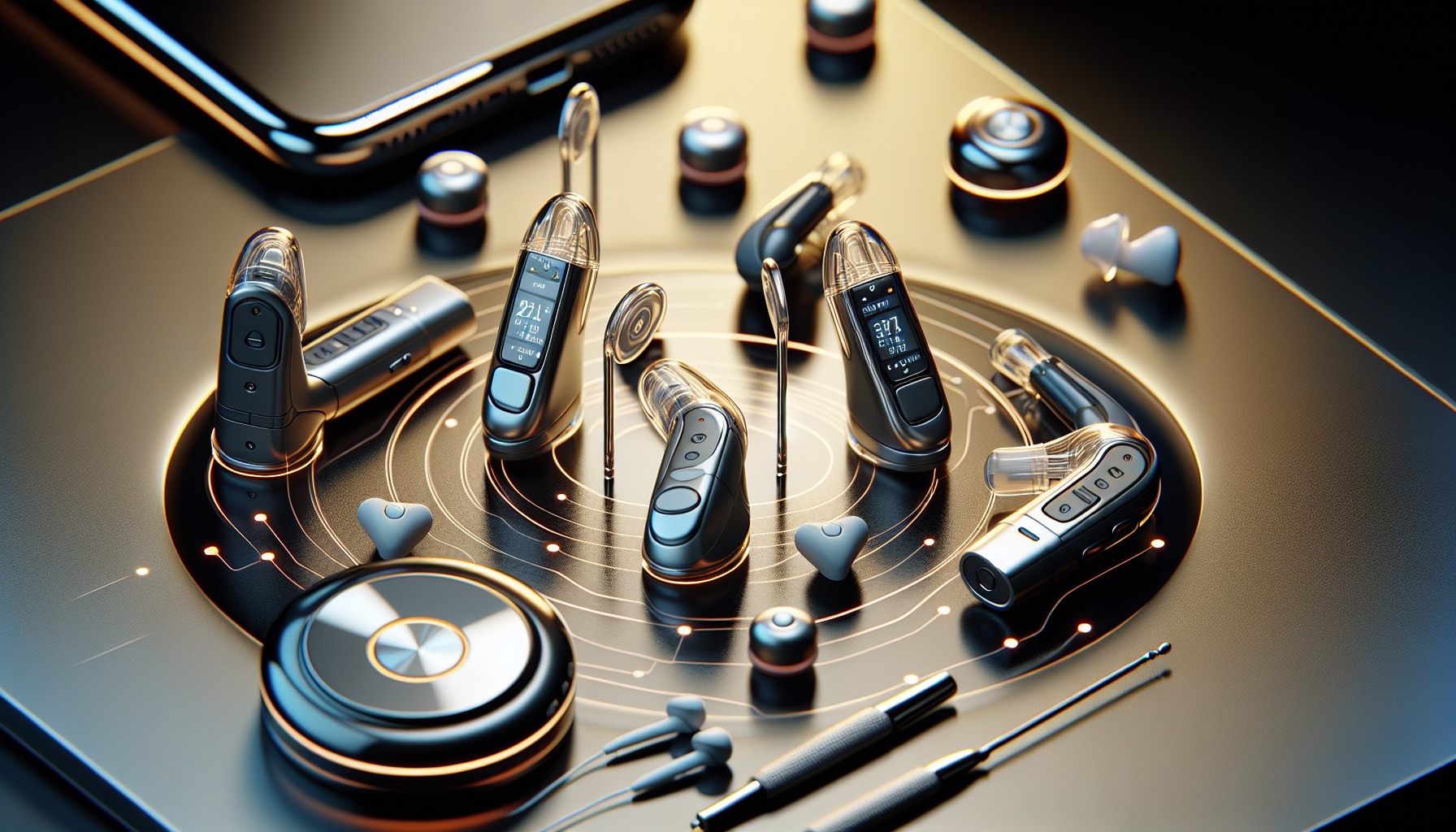
Choosing the best hearing aids starts with understanding that no single device is best for everyone. The right option depends on your hearing loss pattern, ear anatomy, lifestyle, dexterity, budget, and whether you value rechargeability, Bluetooth streaming, discreet fit, or the strongest speech clarity in noise. In clinic fittings, I have seen the same premium model feel life changing for one patient and frustrating for another, which is why a good guide to what are the best hearing aids must explain categories, features, limitations, and selection criteria rather than pushing a single brand.
Hearing aids are medical devices that amplify and process sound to improve audibility and speech understanding. They do not restore natural hearing, and they do not work like simple volume boosters. Modern digital hearing aids analyze incoming sound, separate speech from background noise, reduce feedback, and adjust gain across frequencies based on an audiogram. Some are prescription devices fit by hearing care professionals, while others are over-the-counter models designed for adults with perceived mild to moderate hearing loss. Understanding that distinction matters because candidacy, programming precision, follow-up care, and expected results differ substantially.
This topic matters because untreated hearing loss affects far more than volume. It can reduce speech comprehension, increase listening fatigue, strain relationships, and make work, driving, dining out, worship services, and phone calls harder. Research also links unmanaged hearing loss with social isolation and reduced quality of life. The best hearing aids improve communication by matching technology to the user’s real environments. A retiree who mainly talks one to one at home needs something different from a teacher moving through noisy classrooms, and both differ from a music lover who wants natural sound and direct streaming.
As a hub page, this guide covers the general decision framework: hearing aid styles, core features, major brands, prescription versus OTC choices, fitting process, pricing, and maintenance. If you want a simple answer, the best hearing aids are the ones professionally matched to your hearing test, comfortable enough to wear all day, and effective in your toughest listening situations. Everything else flows from that principle.
What makes a hearing aid the best for you
The best hearing aid is the one that solves your specific communication problems consistently. Audiologists usually begin with three questions: what degree and configuration of hearing loss do you have, where do you struggle most, and what practical constraints affect daily use. A high-frequency sloping loss often benefits from open-fit receiver-in-canal devices that preserve natural low-frequency hearing while amplifying speech consonants. More severe loss may require custom molds or powerful behind-the-ear models that control feedback and deliver higher output safely.
Lifestyle is equally important. If restaurants, family gatherings, and meetings are your pain points, prioritize directional microphones, noise reduction, and strong speech-in-noise performance. If phone calls matter most, look for Made for iPhone, Android ASHA compatibility, or LE Audio support where available. If hand strength or vision is limited, tiny disposable-battery devices may be less practical than rechargeable models with simple charger docks and app-based controls. These are not secondary details; they often determine whether a hearing aid is worn happily or abandoned in a drawer.
Fit and follow-up care matter more than shoppers expect. Even excellent technology underperforms when domes fit poorly, gain is set too conservatively, or loudness comfort is not fine-tuned. Best practice uses real-ear measurement, sometimes called probe-mic verification, to confirm that the aid is meeting prescriptive targets such as NAL-NL2. In my experience, patients who receive verification and structured follow-up adapt faster and report more natural sound because adjustments are based on measured output, not guesswork.
Best hearing aid styles and who they suit
Hearing aids come in several form factors, and the style affects comfort, visibility, power, features, and maintenance. Receiver-in-canal, often abbreviated RIC or RITE, is the most popular style because it balances cosmetic appeal, acoustic flexibility, and room for advanced processing. The main body sits behind the ear, while a thin wire leads to a receiver in the ear canal. This design supports open fittings, good retention, and easy receiver replacement if moisture or wax damages the speaker.
Behind-the-ear models place the electronics in a case behind the ear and route sound through tubing into an earmold. They are less discreet, but they are often the best choice for severe to profound hearing loss, pediatric use, and ears that need a secure custom mold. In-the-ear and in-the-canal custom aids fit within the outer ear or canal and can feel simpler for glasses wearers, though they have less space for batteries, antennas, and larger microphones. Completely-in-canal and invisible-in-canal devices are the most discreet but may sacrifice battery life, rechargeability, and ease of handling.
| Style | Best for | Main advantages | Main tradeoffs |
|---|---|---|---|
| RIC/RITE | Mild to severe loss | Comfort, streaming, natural sound, flexible fittings | Receiver can be exposed to wax and moisture |
| BTE | Moderately severe to profound loss | High power, durable, secure earmolds | More visible, sometimes bulkier |
| ITE/ITC | Mild to moderate loss, easier insertion | All-in-one custom shell, less behind-ear hardware | Less space for features, more wind and wax exposure |
| CIC/IIC | Users prioritizing cosmetics | Very discreet, natural pinna cues | Small batteries, harder handling, fewer features |
There is no universally superior style. For many adults, a rechargeable RIC from a major manufacturer is the practical sweet spot. For others, the best hearing aid is a custom device that matches anatomy, dexterity, and output needs.
Features that matter most in real life
Marketing materials often spotlight artificial intelligence, but core performance still depends on well-executed basics. The most valuable hearing aid features are directional microphones, adaptive noise reduction, feedback management, frequency-specific amplification, and dependable connectivity. Directional microphone systems focus on sounds in front of the listener, improving speech understanding in meetings and restaurants. Noise reduction lowers the annoyance of steady background sounds such as HVAC systems or road noise, though it cannot completely erase competing speech.
Rechargeable lithium-ion batteries have become a major quality-of-life upgrade. Many users prefer charging overnight instead of changing tiny zinc-air batteries every few days. Battery life varies with streaming and power demands, so heavy streamers should verify realistic runtime. Bluetooth streaming is another high-value feature because it improves phone access and media listening. Apple compatibility is often smoother, but Android support has improved significantly through ASHA and newer Bluetooth standards.
Telecoils remain useful in venues with hearing loop systems, including some theaters, houses of worship, airports, and government buildings. For people who attend public events, a telecoil can provide clearer direct audio than microphones in a reverberant room. Tinnitus sound support helps some users, but it is an adjunct feature, not a substitute for a proper tinnitus evaluation. Fall detection, tap controls, remote programming, and environmental classifiers can be genuinely beneficial, yet they should never outweigh comfort, acoustic fit, and measured audibility.
Which brands are usually considered the best hearing aids
The leading prescription brands include Phonak, Oticon, ReSound, Signia, Starkey, Widex, and Unitron. Each has strengths, and brand choice often comes down to sound processing philosophy, accessory ecosystem, app usability, power options, and local provider support. Phonak is widely known for broad Bluetooth compatibility and strong solutions for complex losses. Oticon emphasizes open sound processing that many users find spacious and less closed off. ReSound has long been strong in connectivity and has worked closely within Apple’s hearing access ecosystem.
Signia is often praised for sleek hardware, rechargeability, and features that address the occlusion effect through own-voice processing. Starkey has invested heavily in sensors, health tracking, and fall detection. Widex is frequently recommended for musicians and sound-sensitive users because of its reputation for natural sound quality and low processing delay in certain platforms. Unitron shares technology lineage with Phonak in some product families and is often appreciated for flexible upgrade structures in some markets.
For over-the-counter hearing aids, notable names have included Jabra Enhance, Sony, Lexie, Eargo, Sennheiser-branded consumer devices in some channels, and newer entrants tied to large electronics groups. OTC quality varies more than prescription quality because support models differ. The best brand for you is not simply the one with the biggest advertising budget; it is the one that offers a device appropriate for your audiogram and a service path you will actually use.
Prescription versus over-the-counter hearing aids
Prescription hearing aids are fit after a diagnostic hearing evaluation and are programmed to a verified target by an audiologist or hearing instrument specialist, depending on jurisdiction and clinic model. This path is best for moderate to severe loss, asymmetrical hearing loss, conductive components, poor word recognition, tinnitus concerns, and anyone who wants comprehensive counseling and follow-up. Prescription care also helps first-time users who need coaching through adaptation, communication strategies, dome or mold changes, and multiple fine-tuning visits.
OTC hearing aids are intended for adults age eighteen and older with perceived mild to moderate hearing loss. They can be a cost-effective entry point if hearing difficulty is straightforward and the buyer is comfortable with self-fitting through an app and basic troubleshooting. However, OTC devices are not appropriate when red-flag symptoms are present, such as sudden hearing loss, one-sided loss, ear pain, drainage, significant dizziness, or a large difference between ears. Those cases require medical evaluation before amplification.
In practice, OTC works best for motivated users with mild high-frequency loss and realistic expectations. Prescription care remains the gold standard for personalization and complex cases. If budget is the main barrier, ask local clinics about older platform discounts, unbundled service plans, or financing before assuming OTC is the only viable route.
How hearing aids are fit, adjusted, and evaluated
A good fitting process begins with a full hearing assessment, including pure-tone thresholds, speech testing, case history, otoscopy, and discussion of listening goals. From there, the provider recommends styles and technology tiers that match both the audiogram and lifestyle. Ear impressions may be taken for custom molds or shells. Initial programming is based on a prescriptive formula, most commonly NAL-NL2 or DSL in specific populations, and then verified with real-ear measurements. This step is crucial because manufacturer first-fit settings routinely miss target levels.
After the initial fitting, adaptation takes time. Many new users notice sharper environmental sounds, their own voice sounding different, or fatigue during the first week. That is normal. Follow-up visits refine gain, compression, noise settings, physical comfort, retention, and streaming preferences. Outcome questionnaires such as the APHAB, COSI, or HHIE can measure benefit beyond the booth. Speech-in-noise testing, including QuickSIN in some clinics, helps document whether settings are improving communication in realistic challenges.
The best hearing aid outcomes come from a partnership, not a transaction. Wearing time, consistent practice, and honest feedback during follow-up are as important as the device itself.
Cost, warranties, and long-term ownership
Hearing aid prices vary widely by country, clinic model, and service bundle. In the United States, a pair of prescription devices may range from roughly $2,000 to more than $7,000, often including fitting, follow-up, warranty, and sometimes loss-and-damage coverage. OTC products usually cost less, often a few hundred to around $2,000 a pair, but support is lighter. Higher price does not automatically mean better sound for every user. What often costs more is service time, verification, advanced features, and stronger rechargeability or accessory packages.
Ask exactly what is included: trial period, return fees, charger, earmolds, routine cleanings, software adjustments, telehealth appointments, and warranty length. Most prescription products include one to three years of repair coverage, and many include a one-time loss replacement with a deductible. Receivers, wax guards, domes, and earmold tubing are consumables that need periodic replacement. Batteries, if disposable, add recurring cost. Rechargeables avoid battery purchases but eventually lose capacity and may require service when the cell ages.
When comparing value, think in terms of cost per day over four to six years of use rather than sticker price alone. A well-fit device worn daily can improve work performance, relationship ease, and independence enough to justify the investment.
The best hearing aids are not defined by a single model number. They are defined by fit to your hearing loss, comfort over long days, measurable benefit in noisy places, and support that helps you keep improving after the purchase. For most adults, the strongest starting point is a hearing evaluation, a discussion of real listening goals, and a short list of prescription or OTC options matched to those needs.
If you remember only a few points, remember these: style affects usability as much as cosmetics; core features such as directionality, connectivity, and rechargeability matter more than flashy labels; real-ear verification is essential; and brand reputation should be weighed alongside local service quality. People with complex, asymmetric, or more than mild loss generally do best with professional fitting, while some adults with straightforward mild to moderate loss can succeed with carefully chosen OTC devices.
Use this guide as your hearing aids hub, then narrow the field based on where you struggle most: restaurants, phone calls, television, work meetings, music, or all-day wear comfort. The next smart step is simple: book a hearing test or compare reputable self-fit options, and choose the hearing aid that matches your life rather than the loudest marketing claim.
Frequently Asked Questions
What are the best hearing aids overall?
The most important thing to know is that the best hearing aids overall are not the same for every person. A device that works exceptionally well for one wearer may be a poor match for someone else with a different hearing loss pattern, ear shape, lifestyle, or comfort preference. In practice, the best choice usually comes from matching the technology to the individual rather than chasing a single “top-rated” model. That means looking at how severe the hearing loss is, whether understanding speech in noise is the biggest challenge, how important Bluetooth streaming is, whether rechargeability matters, and how easy the devices are to handle and maintain.
High-quality prescription hearing aids from established manufacturers often offer the strongest combination of sound processing, feedback control, directional microphones, smartphone connectivity, and fitting flexibility. However, even within premium brands, there are major differences in receiver-in-canal, behind-the-ear, and custom in-the-ear styles. Some people prioritize discreet appearance, while others need larger controls, longer battery life, or more amplification power. A good guide to what are the best hearing aids should help narrow the field by use case: best for speech clarity in noise, best for severe hearing loss, best for simplicity, best for all-day comfort, and best for technology features. The real “best” hearing aid is the one that is professionally selected, precisely programmed, comfortable enough to wear daily, and effective enough that you consistently benefit from it.
How do I choose the right hearing aid for my specific hearing loss and lifestyle?
Choosing the right hearing aid starts with a proper hearing evaluation rather than with online rankings alone. Your audiogram shows not just whether you have hearing loss, but where it occurs across pitches and how much amplification may be needed. That matters because someone with mild high-frequency loss may do very well in a slim, nearly invisible style, while a person with more significant loss or poor speech understanding may need a more powerful device with advanced directional microphones and a better physical fit for stable performance. Ear anatomy also matters more than many people expect. Narrow canals, excessive wax, skin sensitivity, or unusual ear shape can all influence which style will be comfortable and practical.
Lifestyle is equally important. If you spend time in restaurants, group meetings, family gatherings, or worship spaces, you may benefit more from advanced noise management and speech enhancement. If your day is quieter and you mainly need help with one-on-one conversations and television, a simpler device may be enough. Dexterity and vision should also be considered. Tiny batteries and small controls can be difficult for some wearers, making rechargeable models or larger behind-the-ear designs a better fit. If you take frequent calls, stream media, or use telehealth, Bluetooth compatibility may be a major factor. The best approach is to think beyond brand names and focus on where you struggle, what features you will realistically use, and what style you can wear comfortably every day. That is how a hearing aid becomes truly useful instead of just technically impressive.
Are more expensive hearing aids always better?
No, more expensive hearing aids are not automatically better for every person. Higher-priced models often include more advanced processing for complex listening environments, such as better background noise reduction, more sophisticated directional microphone systems, automatic environmental adjustments, motion sensors, tinnitus features, and stronger app-based personalization. Those features can be extremely valuable for people who move through a wide variety of noisy settings and want the hearing aids to adapt quickly and intelligently. For the right wearer, premium technology can absolutely improve listening ease and reduce fatigue.
That said, not everyone needs the top tier. If your listening needs are relatively straightforward, a mid-level device may provide excellent benefit at a lower cost. In fact, a well-fitted mid-range hearing aid that matches your hearing loss and daily routine will often outperform a premium device that is poorly selected or inadequately programmed. It is also important to understand what is included in the price. Sometimes the value comes not only from the device itself but from professional fitting, verification, follow-up care, adjustments, warranty coverage, and ongoing support. Those services have a huge impact on long-term success. When comparing options, the smarter question is not “What is the most expensive hearing aid?” but “Which level of technology will make a noticeable difference in the environments where I actually struggle?”
Which hearing aid features matter most when comparing models?
The most useful hearing aid features depend on your goals, but a few consistently matter more than flashy marketing terms. Sound quality and speech clarity should come first, especially in background noise. Directional microphones are important because they help emphasize speech coming from in front of you while reducing competing sounds around you. Noise reduction systems can improve comfort in busy settings, though they do not make noise disappear completely. Feedback management is another key feature, since it helps prevent whistling and allows for more stable amplification. For many users, rechargeability is now a major convenience because it eliminates the hassle of changing small batteries and makes daily use simpler.
Bluetooth connectivity is valuable if you want to stream phone calls, music, podcasts, or television audio directly to your hearing aids. Smartphone apps can also be helpful for volume control, program changes, geotagged settings, and in some cases remote fine-tuning. If you have tinnitus, built-in sound therapy features may be worth considering. For active users, water and dust resistance can improve durability. If hearing in noise is your top complaint, prioritize models known for strong directional processing and speech support rather than focusing only on cosmetic style. If ease of use is your biggest concern, larger controls, rechargeability, and automatic adjustments may matter more. The best feature set is the one that solves your real-world problems without adding complexity you will never use.
Should I buy hearing aids online, over the counter, or through a hearing clinic?
The best buying route depends on the degree of hearing loss, the complexity of your needs, and how much support you want. For mild hearing difficulty, some over-the-counter options may be worth considering, especially for adults who are comfortable with self-fitting technology and have no signs of medical ear problems. These products can be more affordable and accessible, but they are generally best suited to straightforward, perceived mild-to-moderate hearing challenges. They are not ideal for everyone, and they can be frustrating if the wearer needs a more precise fitting, has asymmetrical hearing loss, or struggles to judge whether the settings are truly helping.
Buying through a hearing clinic is usually the better path for people who want a comprehensive hearing test, professional recommendations, customized programming, verification of amplification, counseling, and follow-up adjustments. That process is especially important when hearing loss is moderate to severe, when speech clarity is poor, when tinnitus is involved, or when previous hearing aids have not worked well. Online direct-to-consumer models may appear convenient, but the quality of support varies widely, and hearing aid success often depends on fitting accuracy and aftercare more than people expect. If you want the best chance of long-term satisfaction, professional assessment and individualized fitting remain the gold standard. A good provider will not simply sell you a device; they will help determine which hearing aid is most appropriate for your ears, your hearing loss, your communication goals, and your budget.