
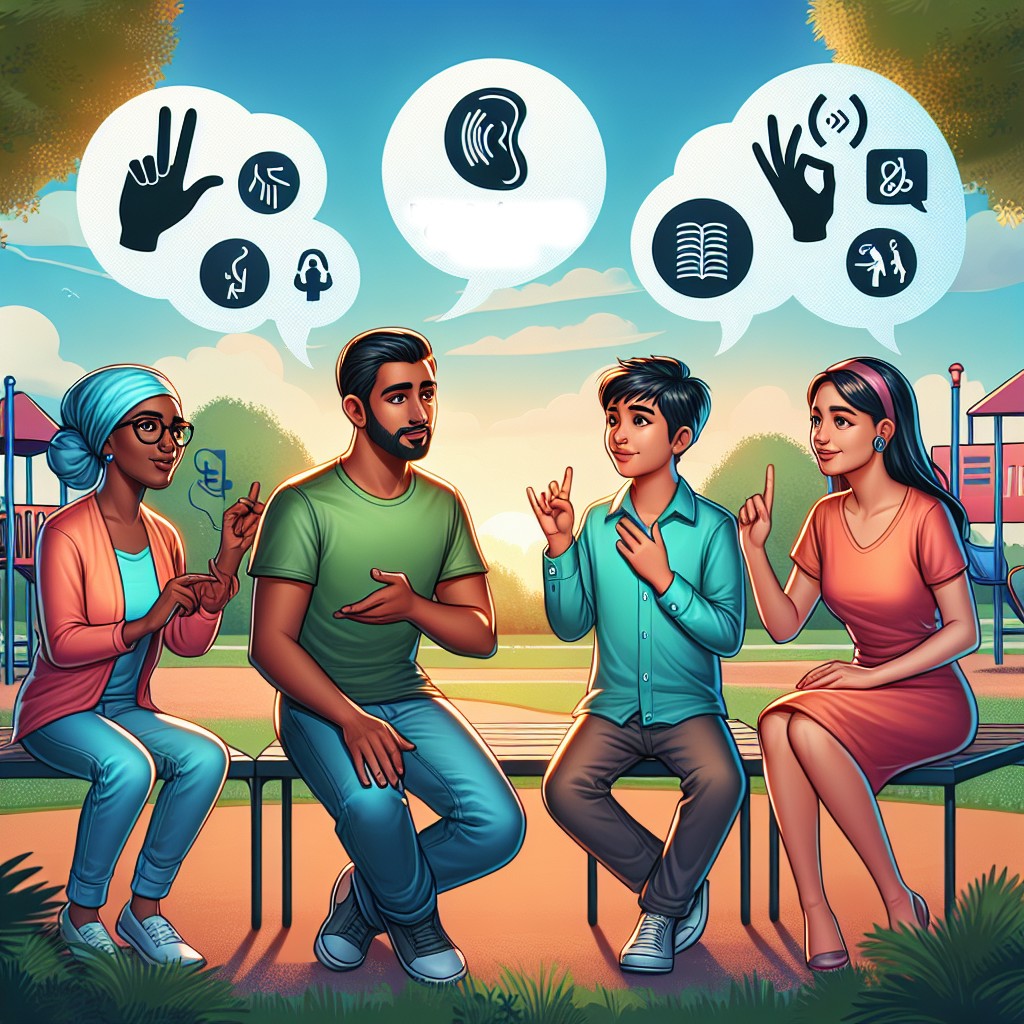
Deaf awareness is more than just recognizing that deaf individuals exist; it is about understanding their unique experiences, challenges, and the profound lack of accessibility they often face in society. With approximately 466 million people worldwide having disabling hearing loss, and many more experiencing milder forms of hearing impairment, deafness is a significant issue that affects a vast number of individuals. However, despite these numbers, there continues to be a general lack of awareness and understanding about the deaf community and their needs.
Raising awareness about deafness can lead to increased empathy, improved communication methods, and a more inclusive society. This begins with education—learning about different types of hearing loss, the various communication methods used by deaf individuals, and the importance of sign language. It also involves debunking common myths and stereotypes, which can be harmful and perpetuate misunderstandings.
As you read through this article, keep in mind that creating an inclusive society is a collective effort. By educating ourselves, advocating for better accessibility, and engaging in conversations about deaf issues, we can contribute to a world where deaf individuals are understood and valued. Join us as we explore the vital aspects of deaf education and awareness, starting with the fundamentals and moving towards actionable steps that each one of us can take in our daily lives.
Understanding Deafness
Before delving into awareness and education, it’s crucial to understand what deafness entails. Deafness can range from mild to profound hearing loss and can be present at birth or acquired later in life. Individuals who are born deaf or lose their hearing at a young age often rely on visual forms of communication, such as sign language, lip reading, or written text.
Although hearing aids and cochlear implants can partially restore hearing, they are not miracles and don’t work for everyone. Moreover, some deaf individuals prefer not to use these devices as they identify with Deaf culture, which celebrates deafness not as a disability but as a unique way of experiencing the world. Deaf culture has its own language (American Sign Language or ASL, for example), customs, and social norms, offering a rich, inclusive community for its members.
Understanding the nuances of deafness is crucial for creating effective communication strategies. For instance, facing a deaf person directly and maintaining eye contact can aid in lip reading. Simple gestures or writing notes can also facilitate better understanding. Recognizing that every deaf person is different and may have different preferences for communication is key to establishing meaningful and respectful interactions.
The Role of Education in Raising Deaf Awareness
Education plays a pivotal role in raising deaf awareness and fostering an inclusive society. Schools are often the first places where children encounter diversity. By incorporating deaf education into the curriculum, we can teach students the basics of deafness and the importance of inclusivity from a young age. This education can take the form of sign language classes, awareness campaigns, or even hosting guest speakers from the deaf community.
For deaf students, specialized education programs can make a world of difference. Schools equipped with interpreters, captioning services, and teachers trained in deaf education can provide these students with equal opportunities to learn and thrive. It is equally important for educators to understand the unique challenges that deaf students face and to adapt their teaching methods accordingly.
Parents of deaf children also play a crucial role. Providing them with resources, support groups, and access to specialized education can empower them to advocate for their children’s needs effectively. By promoting a collaborative approach involving teachers, parents, and the wider community, we can ensure that deaf students receive a holistic and inclusive education.
Sign Language: A Critical Communication Tool
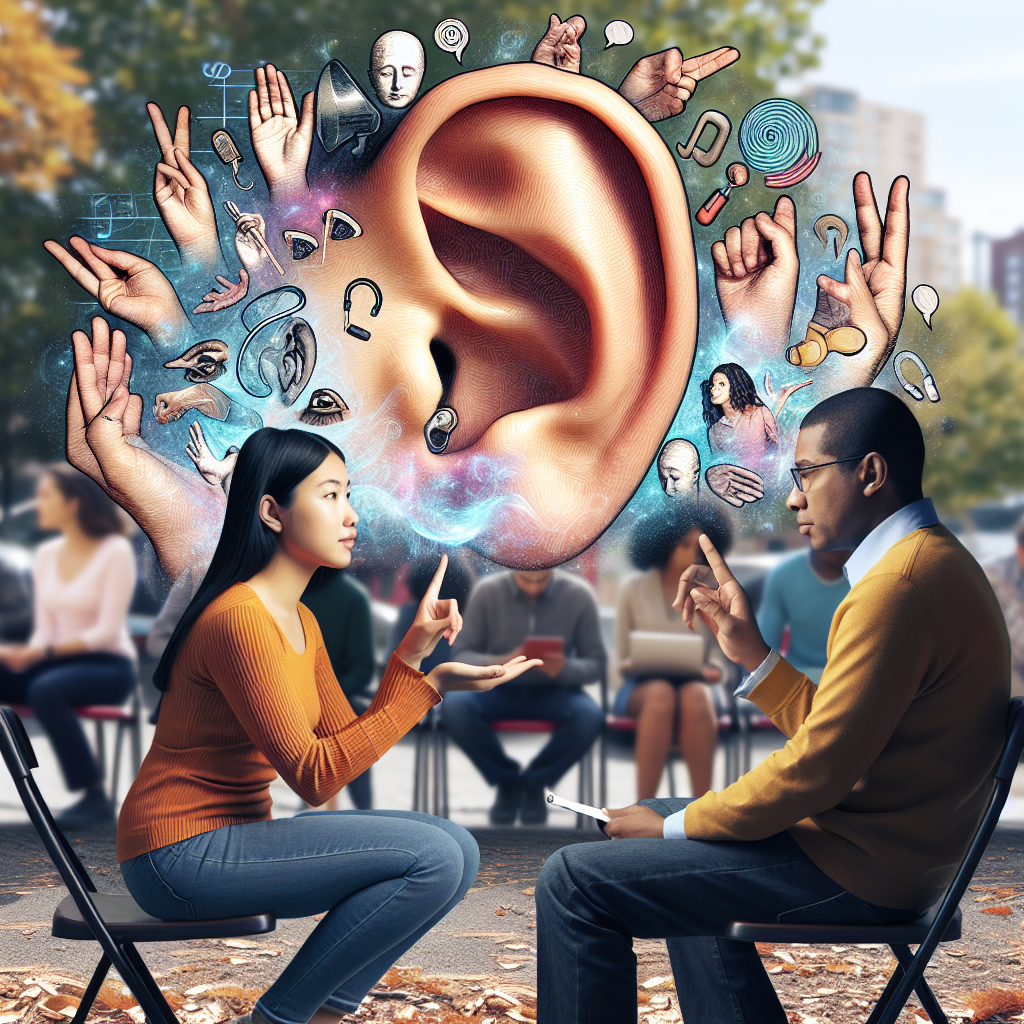
Sign language is the cornerstone of communication for many deaf individuals. Learning sign language not only facilitates better communication but also shows respect and acknowledgment of the deaf community’s culture and preferences. For hearing individuals, learning even basic signs can significantly improve their ability to interact meaningfully with deaf people.
American Sign Language (ASL) is widely used in the United States and parts of Canada. However, it’s worth noting that there are many different sign languages around the world, each with its unique syntax, grammar, and vocabulary. For instance, British Sign Language (BSL) is different from ASL, despite both countries sharing English as an oral language.
Many organizations and community centers offer sign language courses, ranging from beginner to advanced levels. Learning sign language together as a family or group can be a fun and bonding experience. Moreover, it helps break down communication barriers and promotes inclusivity.
Digital tools and resources have also made it easier to learn sign language. Numerous apps, online courses, and video tutorials offer accessible ways for people to learn at their own pace. Utilizing these resources can empower more individuals to become proficient in sign language, thereby fostering a more inclusive environment for the deaf community.
Breaking Down Barriers: Accessibility and Advocacy
Accessibility is a significant issue for the deaf community, affecting various aspects of daily life, from education and employment to entertainment and public services. Making society more accessible involves implementing practical changes and advocating for the rights of deaf individuals.
For instance, captioning all video content, whether online or offline, can make a huge difference. In educational settings, providing interpreters or real-time captioning can ensure that deaf students receive the same information as their hearing peers. In workplaces, offering similar accommodations can help deaf employees perform their roles more effectively and feel included.
Public awareness campaigns are another powerful tool. By highlighting the challenges that deaf individuals face and offering practical solutions, these campaigns can drive societal change. Social media, local events, and collaboration with influencers and organizations can amplify these messages and reach a broader audience.
Advocacy doesn’t stop at raising awareness; it also involves pushing for policy changes. Engaging with lawmakers, participating in community meetings, and joining advocacy groups can contribute to creating laws and regulations that protect the rights and improve the accessibility for deaf individuals.
How Technology is Transforming Deaf Education
The advent of technology has significantly impacted deaf education, providing innovative tools that enhance learning experiences. Digital platforms, software, and devices have bridged many gaps that once isolated deaf individuals.
One notable advancement is the development of video relay services (VRS), which allow deaf individuals to communicate with hearing people over video phones using a sign language interpreter. This technology has revolutionized personal and professional communication, making it more seamless and efficient.
Educational software and apps designed specifically for deaf students offer interactive and engaging ways to learn various subjects. These tools often include visual aids, animations, and sign language support, making the learning process more accessible and enjoyable.
Moreover, speech-to-text technology has advanced to a level where real-time captioning is more accurate than ever before. This technology is particularly beneficial in educational and work settings, where it can provide immediate and clear communication.
Community Involvement and Support
Community involvement is crucial for raising deaf awareness and promoting an inclusive environment. Local communities play a vital role in supporting deaf individuals and their families through various initiatives and support systems.
Community centers and organizations often host events, workshops, and support groups for deaf individuals and their families. These gatherings provide a platform for learning, sharing experiences, and building a sense of camaraderie and support. They also offer hearing individuals the opportunity to engage with the deaf community, fostering mutual understanding and respect.
Local businesses can contribute by ensuring their services are accessible to deaf individuals, such as by providing staff training on basic sign language and the use of assistive devices. Schools and educational institutions can partner with local organizations to create inclusive programs and resources for deaf students.
Volunteering with organizations that support the deaf community is another way to get involved. Whether it’s teaching sign language, organizing events, or advocating for policy changes, there are numerous ways to make a meaningful impact.
Conclusion
Raising deaf awareness is not just a one-time effort but an ongoing commitment to understanding, respecting, and supporting the deaf community. Through education, communication, advocacy, and community involvement, we can break down barriers and create a more inclusive society for everyone.
By opening up conversations about deafness, learning sign language, advocating for better accessibility, and supporting deaf individuals and their families, we take significant steps towards a world where deaf individuals are fully included and valued.
Remember, raising deaf awareness starts with individual actions. Each conversation you have, each piece of knowledge you share, and each effort you make contributes to a larger movement for change. So, let’s continue to educate ourselves, advocate for inclusivity, and foster a society where everyone, regardless of their hearing ability, has the opportunity to thrive.