
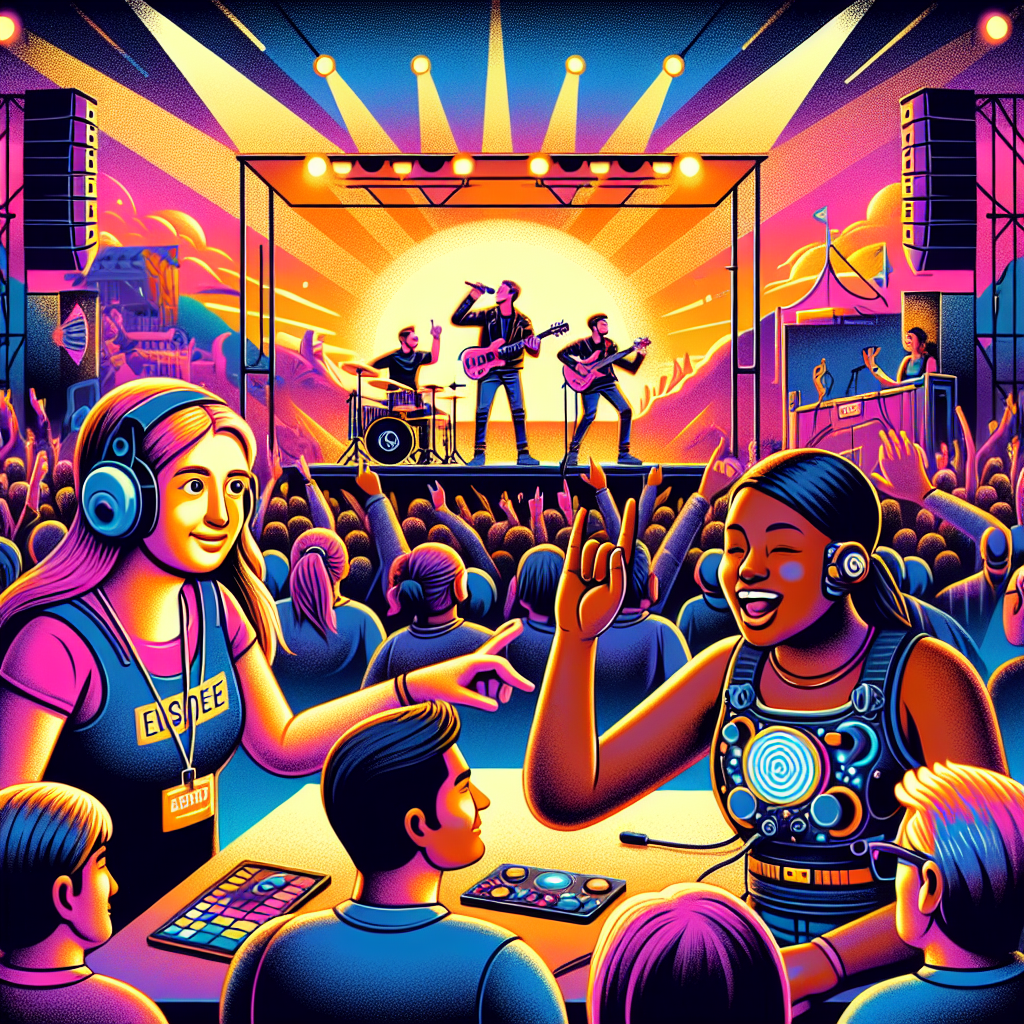
Imagine feeling the pulsating energy of a crowd, seeing the vibrant lights dancing in the night sky, or witnessing the sheer joy on attendees’ faces. Summer music festivals have a unique charm, captivating audiences with their dynamic performances and electrifying atmosphere. However, for the Deaf community, these events often lack the necessary accommodations to fully enjoy the experience. Ensuring that music festivals become inclusive and accessible is not just an accommodation – it’s a celebration of diversity and a commitment to equality. This article navigates the world of making summer music festivals accessible for Deaf participants, shining a light on practical measures, existing success stories, and the collective responsibility we share.
Understanding the Deaf Community’s Needs
Accessibility goes beyond ramps and hearing aids. For the Deaf community, creating an inclusive environment requires understanding their unique needs. One key aspect is communication. American Sign Language (ASL) interpreters are invaluable, conveying not just the lyrics but the emotion and energy behind the performance. It’s also about spatial awareness and sensory experiences – vibration, lighting, and visual effects that can substitute auditory cues.
Music is not just about sound; it’s an experience that can be felt and seen. Deaf participants can experience music through vibrations. Therefore, many festivals are beginning to implement vibrating floors and wristbands that sync with the music’s beat, ensuring that attendees can feel the music’s rhythm. Moreover, visual elements play a crucial role in creating an inclusive experience, and utilizing synchronized light shows and large video screens can greatly enhance the enjoyment for deaf attendees.
Incorporating ASL Interpreters and Captions
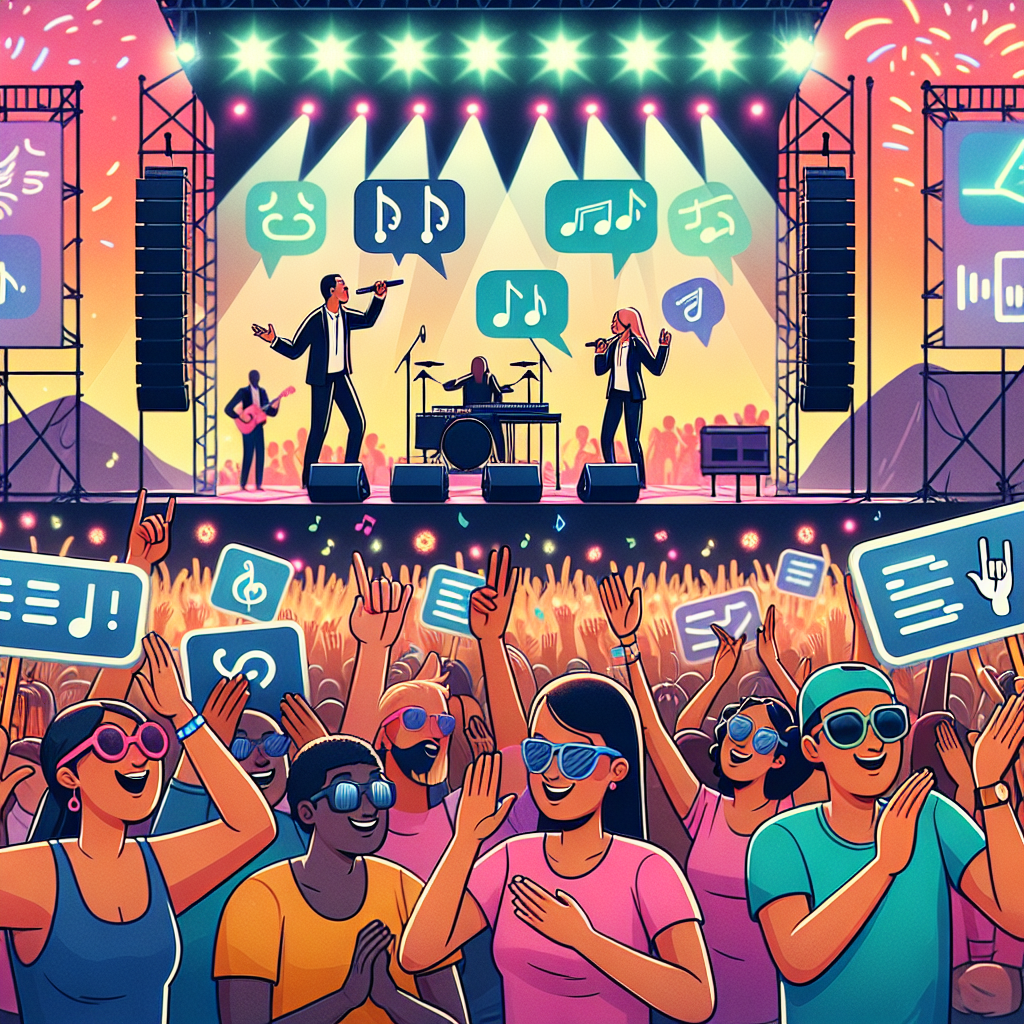
American Sign Language interpreters are essential in making live events like music festivals accessible. These interpreters do more than translate words; they provide a dynamic portrayal of songs, expressions, and emotions, creating an immersive experience for Deaf attendees. Their presence on stage ensures that lyrics and announcements are accessible, fostering a sense of inclusivity and engagement.
Additionally, incorporating captioning for all announcements and lyrics on large screens can make a significant difference. Captions provide an alternative way for the Deaf community to follow along with the performances. This can be done through real-time captioning services or pre-prepared scripts displayed on video screens.
Independent pop artist Mandy Harvey, who is Deaf, employs ASL interpreters at her performances. She proves that music transcends auditory boundaries. Her concerts not only feature sign language interpretation but also incorporate visual storytelling, making her music accessible to both Deaf and hearing audiences.
Implementing Assistive Technologies
Technology plays a vital role in breaking down barriers. Assistive listening devices, including induction loop systems and FM transmitters, can enhance the accessibility experience for those who are hard of hearing. These devices transmit the sound directly to hearing aids or cochlear implants, reducing background noise and ensuring clear audio delivery.
Furthermore, mobile apps can serve as useful tools. Apps like Ava and Otter.ai provide real-time speech-to-text transcriptions, making it easier for Deaf attendees to access spoken content. These technologies empower individuals to customize their festival experience, ensuring that they receive the information and entertainment in a way that suits them best.
In the advent of smart technology, integrating sign language recognition into these apps can be the next frontier in accessibility. Imagine an app that not only transcribes spoken language but also translates sign language in real-time, bridging the communication gap seamlessly.
Creating Sensory-Friendly Environments
Sensory-friendly environments cater to the unique preferences of individuals who might find typical festival settings overwhelming. For Deaf participants, this can mean quieter spaces where they can retreat if the vibrations or visual stimuli become too intense. Creating designated sensory zones equipped with comfortable seating and calming activities can be a welcome respite.
Additionally, providing accessible information about the festival layout, schedule, and amenities is crucial. Maps and guides in accessible formats should be readily available, highlighting areas with specific accommodations for the Deaf community. This not only empowers Deaf attendees to navigate the festival confidently but also enhances their overall experience.
The Electric Daisy Carnival (EDC), one of the world’s largest electronic dance music festivals, has made strides in creating inclusive environments. They offer accessibility services such as ASL interpreters, assistive listening devices, and detailed resources, ensuring that Deaf attendees have an unforgettable experience.
Training Staff and Promoting Inclusion
Inclusivity starts with knowledgeable and empathetic staff. Training festival staff and volunteers on the needs of the Deaf community is essential. This includes familiarizing them with basic ASL, understanding the importance of clear communication, and being attuned to the sensory experiences that enhance the festival for Deaf attendees.
Moreover, promoting a culture of inclusion within the festival can influence the broader audience. Raising awareness through campaigns and informational sessions can educate hearing attendees about the Deaf community and the importance of accessibility. This fosters a sense of solidarity and promotes a more inclusive and respectful environment for all participants.
The Sundance Film Festival, renowned for its commitment to diversity and inclusion, provides comprehensive accessibility services. They conduct workshops for staff and volunteers on disability etiquette, ensuring that all attendees, including those from the Deaf and hard-of-hearing community, feel welcome and supported throughout the event.
Collaborating with Deaf Organizations
Partnering with Deaf organizations is a powerful way to ensure that festivals are genuinely inclusive. These organizations bring invaluable expertise and firsthand experience, guiding festival organizers in implementing effective accessibility measures. Collaborations can include everything from consulting on event planning to providing resources and support during the festival.
Engaging with the Deaf community from the outset of festival planning is crucial. Involving Deaf individuals in focus groups, surveys, and feedback sessions can provide insights into their specific needs and preferences. This approach not only helps in creating a more inclusive festival but also fosters a sense of ownership and empowerment within the community.
For instance, partnerships with organizations like the National Association of the Deaf (NAD) can be instrumental. NAD offers a wealth of resources, including guidelines on accessibility, training programs, and advocacy support. Their involvement ensures that festivals are aligned with best practices and meet the highest standards of inclusivity.
Conclusion: Embracing Diversity and Inclusion
As we embrace the vibrant spirit of summer music festivals, it is essential to remember that inclusivity is a journey, not a destination. Ensuring that these events are accessible to Deaf participants requires a collective effort, innovative solutions, and a commitment to creating sensory-rich experiences that transcend auditory limitations. By incorporating ASL interpreters, leveraging assistive technologies, creating sensory-friendly environments, training staff, and collaborating with Deaf organizations, we can pave the way for a more inclusive and joyous festival experience for all.
The ultimate goal is to foster a sense of belonging and celebration for everyone, regardless of their abilities. When Deaf participants can feel the vibrations, see the lights, and immerse themselves in the energy of the crowd, they become a part of the festival symphony, contributing their unique perspective and enriching the overall experience for all attendees.
As we move forward, let us continue to innovate, advocate, and celebrate diversity in all its forms. With each step, we bring ourselves closer to a world where everyone can revel in the magic of summer festivals, breaking down barriers and building a harmonious, inclusive community.