
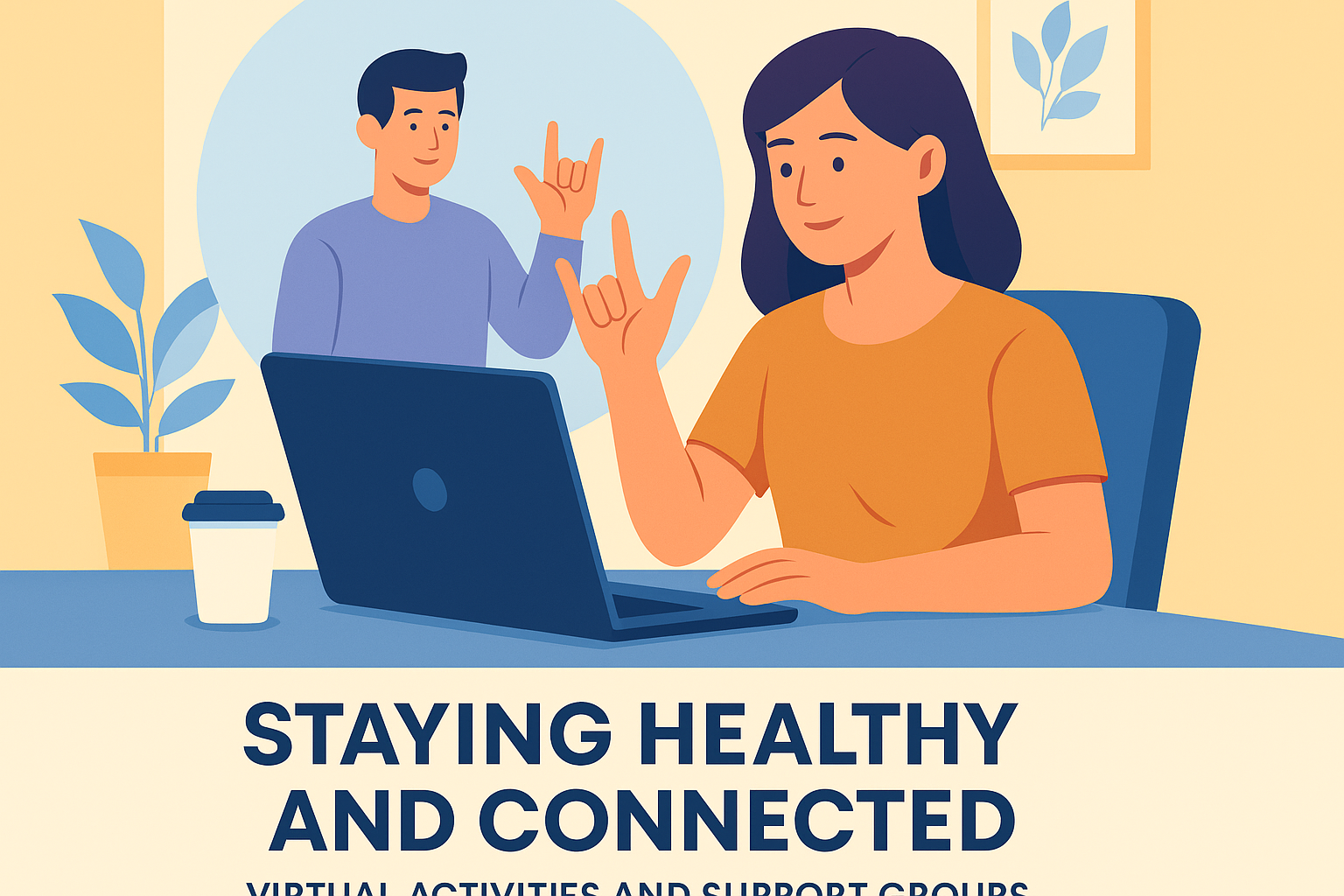
In a world that is increasingly reliant on digital communication and virtual interaction, it is crucial to consider the diverse needs of various communities. Among these are deaf individuals who seek to maintain health and connectivity through virtual means. Deaf individuals often face unique challenges in accessing information, services, and support systems that are readily available to the hearing population. However, technological advancements and creative solutions are bridging these gaps, offering opportunities for deaf individuals to engage in virtual activities and join support groups designed specifically to meet their needs. This not only includes managing physical health but also encompasses social wellness and community integration. By understanding the nuances of these virtual options, we can appreciate their significance and explore how they impact the lives of deaf individuals.
Understanding Virtual Activities Tailored for Deaf Individuals
Virtual activities refer to online events and resources that are specifically designed or can be adapted to the preferences and usability needs of deaf individuals. This includes virtual fitness classes with sign language interpretation, gaming communities with captioned chat options, and educational webinars that utilize accessible technologies. An exemplary initiative is the “Deaf Yoga Movement,” which offers online yoga classes led by deaf instructors who use American Sign Language (ASL), helping participants follow along smoothly without missing out on important cues.
The broadening scope of virtual activities for deaf individuals is transforming how wellness and leisure pursuits are approached. By employing these innovative platforms, deaf individuals can explore new hobbies, enhance their physical health, and connect with others who share similar experiences. The flexibility of virtual activities allows for a more inclusive approach to personal health and community connection, ensuring that no one is excluded due to communication barriers.
Engaging in Virtual Support Groups for Enhanced Well-being
Support groups offer an invaluable platform for sharing experiences, seeking advice, and building a sense of community among participants. For deaf individuals, virtual support groups have become a lifeline, enabling interaction that circumvents geographical limitations. These groups exist to address specific topics such as mental health, disability rights, or parenting within the deaf community. A notable example is the “Deaf Parenting UK,” which hosts virtual meetings for deaf parents to share advice on raising children in a unique cultural and communicative environment.
Virtual support groups capitalize on various communication technologies tailored for deaf individuals, such as video calls with automatic captions or sign language interpretation, and chat platforms equipped with text features. These accommodations ensure that all participants can fully engage in meaningful conversations. The inclusivity of virtual support groups aids in dismantling stigma, fostering mutual understanding, and promoting emotional well-being.
The Role of Technology in Facilitating Connection
Technology plays a pivotal role in enabling deaf individuals to access virtual activities and support systems. From video conferencing software with customizable caption settings to mobile apps that instantly translate spoken language into text, the tech industry is increasingly recognizing the need for accessible solutions.
| Technology | Function | Example |
|---|---|---|
| Video Conferencing Software | Supports live captioning and sign language interpretation | Zoom and Microsoft Teams |
| Transcription Apps | Converts speech to text | Otter.ai |
| Gaming Platforms | Incorporates live captions and text-based communication | Discord |
The proliferation of these technologies is paving the way for deaf individuals to engage in the virtual world with greater independence and confidence. As these advancements continue, there is potential for further innovation, ensuring that deaf individuals can navigate the digital landscape without hindrance.
Real-World Benefits: Case Studies and Success Stories
Numerous real-world examples highlight the positive impact of virtual activities and support groups on the deaf community. Consider the story of Ana, a deaf woman who joined a virtual book club designed for individuals with hearing impairments. The club offered real-time captioning and sign language interpreters, allowing Ana to participate fully in discussions and foster a love for reading, which has further enriched her educational pursuits.
Similarly, the “Deaf Health Community” Facebook group stands as a testament to the power of virtual support. The group facilitates conversations around health-related topics, offering peer support and expert advice through regular webinars. Such forums not only provide critical information but also reinforce the camaraderie among participants, demonstrating the impact of shared experiences.
These stories underscore the transformative power of virtual initiatives in supporting the deaf community, providing access to resources and fostering meaningful relationships.
Overcoming Challenges and Building Inclusivity
While the movement toward virtual activities and support groups is promising, challenges remain in ensuring complete accessibility and inclusivity. This includes addressing technological literacy, ensuring the availability of quality captioning or sign language services, and mitigating potential technology-related barriers such as unstable internet connections.
The continuous development of user-friendly platforms and collaboration with deaf communities can drive improvements in these areas. Efforts from both the tech industry and community organizations are pivotal in achieving fully accessible virtual experiences for all. Fostering a collaborative environment encourages the sharing of insights, which can lead to innovative solutions that address these challenges, thus expanding the reach and effectiveness of virtual initiatives.
Conclusion: Paving the Way for Inclusive Virtual Interaction
In summary, virtual activities and support groups for deaf individuals are revolutionizing how this community engages with the world. From promoting physical and mental well-being through accessible fitness and educational programs to offering a supportive network of individuals sharing common experiences, the benefits are profound. These virtual platforms are not only helping deaf individuals to overcome communication barriers but also facilitating a sense of belonging and empowerment.
The ongoing commitment to technological advancement and community collaboration will be critical in advancing these initiatives, bringing us closer to full inclusivity. With continued efforts, the potential for growth and innovation within virtual realms for deaf individuals remains vast. As an immediate step, individuals and organizations are encouraged to explore these resources, advocate for increased inclusivity, and contribute to the ongoing discussion about how to improve virtual experiences for the deaf community. Together, these efforts will ensure that virtual spaces remain accessible and enriching for everyone.
Call to Action: Embrace the possibilities of virtual activities and support groups by exploring local and international resources designed for deaf individuals. Share your experiences, advocate for inclusivity, and join the conversation to help shape a more connected future.
Frequently Asked Questions
1. How can virtual activities benefit deaf individuals in staying healthy and connected?
Virtual activities provide numerous benefits for deaf individuals aiming to stay healthy and connected in a world that is growing more reliant on digital platforms. Firstly, they offer a tailored space where people can engage without communication barriers. For example, online workout classes with sign language interpretation or subtitles enable deaf individuals to actively participate in fitness activities within the comfort of their homes. Secondly, virtual platforms can host a array of social events, from trivia nights to virtual meet-ups, helping deaf individuals connect with others who share similar experiences or interests. This connection becomes especially important in maintaining mental and emotional well-being, as it mitigates the isolation that can sometimes accompany hearing loss.
Moreover, these platforms can also serve educational purposes, incorporating accessible video calls, webinars, and online resources packed with visual aids. Technology like video relay services (VRS) lets deaf individuals make phone calls with the assistance of an interpreter, providing an added layer of accessibility. Through these strategies, virtual activities not only support physical health regarding exercise options but significantly bolster social and mental health by fostering a community and reducing feelings of isolation.
2. What role do support groups play in the virtual lives of deaf individuals?
Support groups serve as critical pillars for deaf individuals navigating a digitally-focused world, where they may encounter unique challenges and opportunities. These groups, when available virtually, ensure that geographical boundaries do not restrict access to important peer support and shared community experiences. Many deaf individuals may feel isolated in predominantly hearing worlds, and virtual support groups provide a safe and inclusive platform where members can share experiences, gain advice, and build a supportive network of peers.
Virtual support groups also foster community among individuals with shared identities or experiences, such as the use of American Sign Language (ASL), specific types of hearing loss, or particular interests around advocating for deaf rights and inclusion. These groups create a space where members can discuss personal experiences, navigate challenges unique to the deaf community, and share crucial resources. The emotional support derived from such connections is invaluable, helping members manage stress, find encouragement, and develop a sense of belonging within a larger community.
Furthermore, the flexibility of virtual formats allows members to connect at their convenience, accommodating various schedules and needs. There are also possibilities for guest speakers, workshops focusing on mental health, or discussions about new advancements in technology that can empower daily living for deaf individuals. This encourages continued learning and growth, both on an individual and community level, and reflects the power of virtual spaces to maintain and strengthen essential connections.
3. What technology and platforms are most commonly used for virtual interaction among the deaf community?
The deaf community leverages various technologies and platforms for virtual interaction to bypass traditional barriers in communication. Zoom, Microsoft Teams, and Google Meet are among the most prevalent, as they offer closed captioning features and can accommodate sign language interpreters during meetings. These platforms allow for interactive sessions, whether one-on-one or in group settings, with video support that is critical for sign language conversations.
Social media and other online community forums like TikTok, Facebook, Reddit, and Discord also play significant roles, offering spaces for sharing experiences and engaging with visual content. Many users within the deaf community actively contribute to these platforms, creating content that is accessible and relatable. For real-time conversations, apps like Glide and Marco Polo can facilitate video messaging in a simple, user-friendly manner that accommodates signing quick messages.
Another essential tool is speech-to-text technology and the growing use of apps like Otter.ai and Ava which provide real-time transcription services. These applications further bridge communication gaps in live or recorded conversations, giving deaf individuals more autonomy and access. Importantly, video relay services (VRS) form a foundational component, enabling calls to hearing individuals through intermediary interpreters and ensuring better facilitation of communication across different groups.
4. How are virtual health services adapting to meet the needs of the deaf community?
As virtual health services expand, adapting to meet the needs of the deaf community has become increasingly crucial. Healthcare providers are investing in more inclusive practices, ensuring their services are accessible to deaf individuals by offering interpreters during telemedicine appointments and integrating captioning services in their platforms. Video Remote Interpreting (VRI) services have become vital, allowing the presence of an interpreter via video during medical consultations to ensure communication is clear and accurate.
Additionally, many health apps are now incorporating functionalities that include text-based communications and educational content supported by visual aids, making information easier to digest for those relying on text or sign language. Medical providers are encouraged to offer clear, written summaries after appointments, guaranteeing that information is easily referenced later. Educational materials, chronic illness management programs, and awareness campaigns are also being restructured to cater to deaf audiences, often employing clear visuals, text materials, and sign language videos.
Languages and assistive technologies adopted by healthcare platforms reflect these changes positively. Whether it’s hearing impaired-focused interventions or leveraging advancements like smartphone-based hearing assessment tools, the future of virtual health services points to a more inclusive approach that acknowledges and meets the specific needs of the deaf community.
5. What challenges exist for deaf individuals engaging in virtual activities, and how can they be addressed?
Despite the expansive opportunities provided by virtual platforms, deaf individuals still face challenges that necessitate thoughtful solutions. One primary challenge is the inconsistency in availability and quality of accessibility features across different virtual services and platforms. Closed captions, essential for understanding spoken content, are not always accurate or available, leading to miscommunication or exclusion from conversations and content.
Addressing these issues begins with increased awareness and advocacy for universal design principles in technology, ensuring all platforms incorporate standardized and reliable accessibility features. Encouraging businesses and service providers to adopt improved captioning technology, including AI-driven real-time transcription, is crucial in mitigating communication barriers. The presence of qualified sign language interpreters should also be more readily available across platforms used for work, education, and social interaction.
Another challenge is the lack of sign language-friendly interfaces that can accommodate the visual nature of sign language. Developing platforms and apps specifically designed with visual communication in mind can significantly help in bridging this gap. More importantly, engaging with the deaf community directly to seek input and feedback on virtual service improvements can lead to more targeted solutions that truly address their needs.
Accessibility accommodations need continual advocacy, including education for developers and service providers about the diverse ways the deaf community interacts online. By focusing on inclusivity in design and implementation, virtual activities can become more effective in meeting the diverse needs of deaf individuals and providing an equitable environment for all.