
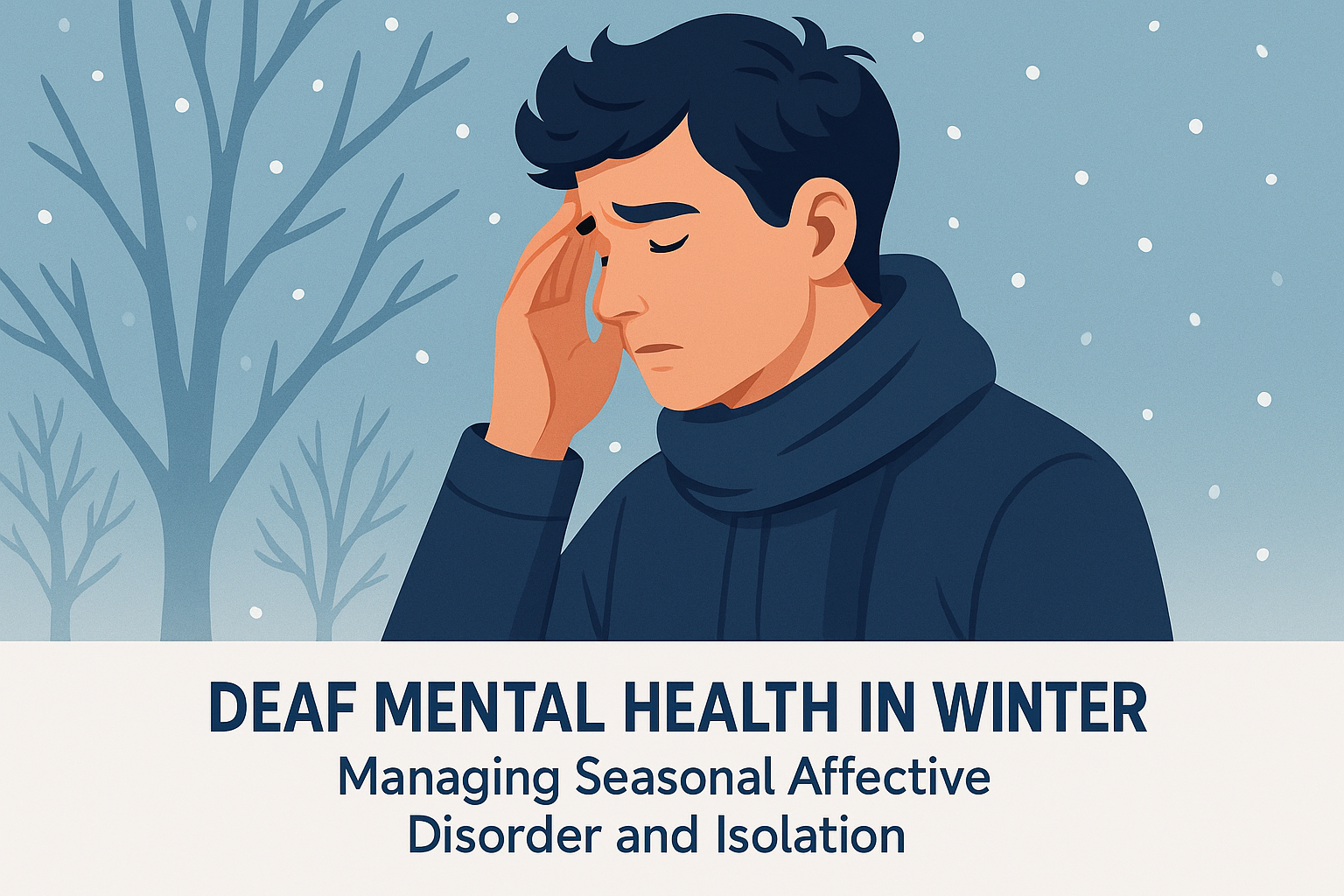
Winter can be a challenging time for many individuals, with short days, long nights, and a stark reduction in natural sunlight. For those who are deaf, these challenges can be amplified due to communication barriers and an increased risk of social isolation. On top of these hurdles, many individuals experience a form of depression known as Seasonal Affective Disorder (SAD) during the winter months. This disorder is characterized by symptoms that include low energy, difficulty concentrating, and a general feeling of hopelessness or sadness that coincides with the change in seasons. When combined with the unique challenges faced by deaf individuals, the impact of SAD can be particularly pronounced. It is crucial to understand the intersection of deafness, mental health, and the effects of winter to support and manage these experiences effectively.
Understanding Seasonal Affective Disorder in the Deaf Community
Seasonal Affective Disorder is more than just feeling blue; it is a clinical form of depression that typically occurs during the fall and winter months when there is less natural sunlight. The reduction in daylight can disrupt the body’s internal clock and lead to a drop in serotonin levels, both of which contribute to the onset of SAD. For deaf individuals, communication barriers may exacerbate feelings of isolation and exclusion, making SAD symptoms more severe. A real-world example of this is a deaf college student who went from socializing regularly with peers during warmer months to feeling alone and disconnected during the winter, largely due to fewer daylight hours and challenges in accessing social events designed for hearing individuals.
- Reduced Daylight: Shorter days can lead to disrupted sleep patterns and decreased energy levels.
- Communication Barriers: Challenges in accessing mental health support and social opportunities.
- Increased Isolation: Limited social interaction due to difficulties in communication and accessibility.
The Impact of Isolation on Deaf Individuals During Winter
Isolation is a significant issue for many deaf individuals, especially during winter. The combination of SAD and increased isolation can create a compounded negative impact on mental health. Deaf individuals often face barriers in accessing mental health services that are not adequately equipped to cater to their communication needs. For example, a deaf adult living in a rural area has limited access to an interpreter, making it difficult to seek therapy. The sense of being misunderstood or excluded can exacerbate the symptoms of SAD, resulting in an ongoing cycle of isolation and depression.
Effective Coping Strategies and Interventions
Despite these challenges, there are effective strategies to manage and mitigate the symptoms of SAD and isolation in the deaf community. Access to light therapy is one practical solution, as it simulates natural sunlight and can help regulate the body’s internal clock. Additionally, communication technologies such as video relay services can bridge the gap between deaf individuals and their peers or mental health services. A young deaf professional might use video calls with real-time captioning to maintain social connections with friends and family, thus reducing feelings of isolation.
| Strategy | Benefit |
|---|---|
| Light Therapy | Simulates natural sunlight, helping regulate the body’s internal clock. |
| Video Relay Services | Facilitates communication with hearing individuals and mental health professionals. |
| Exercise | Boosts mood and energy levels, reducing the symptoms of depression. |
| Community Support Groups | Provides a sense of belonging and reduces feelings of isolation. |
Building Supportive Environments and Networks
An essential component of managing SAD and isolation for deaf individuals is the development of supportive environments and networks. This can include family, friends, healthcare providers, and community organizations that understand deaf culture and the unique challenges faced during winter. Promoting awareness and educating others about the impacts of SAD within the deaf community is crucial. For example, an organization might host an online workshop to teach families and friends of deaf individuals about the symptoms of SAD, communication strategies, and how they can help their loved ones feel supported and included during the winter months.
Community centers that offer spaces for deaf individuals to meet and socialize in accessible ways can greatly reduce isolation. By providing environments where communication is facilitated through sign language or captioning, deaf individuals are more likely to engage and participate in social activities, mitigating feelings of loneliness and helping to maintain good mental health throughout the winter.
Resources and Accessibility Considerations for Mental Health Services
Access to mental health resources that are accessible to deaf individuals remains a critical need. Services should provide interpreters skilled in sign language and ensure that written materials are available in formats that suit varying literacy levels within the deaf community. A real-world example is a deaf person seeking therapy from a counselor who has completed deaf-awareness training and provides video call sessions with sign language translation. This increases comfort and trust, making it easier for the deaf person to express themselves and receive the help they need.
Encouraging Proactive Wellness Practices
Engaging in regular wellness practices can be an effective way for deaf individuals to manage their mental health proactively, especially during the challenging winter months. Activities such as mindful meditation, regular physical exercise, and maintaining a healthy diet can significantly improve mood and overall well-being. A practical example involves a deaf yoga instructor who offers online classes with video and text instructions, enabling other deaf individuals to participate and enjoy the physical and mental health benefits of yoga.
Furthermore, encouraging deaf individuals to learn and practice new hobbies or skills can provide a sense of purpose and achievement, countering the lethargy often associated with SAD. Such proactive steps can foster a greater sense of control over one’s mental health and improve resilience against the challenges of winter.
Concluding Insights and Next Steps
Managing Seasonal Affective Disorder and isolation during winter is a multifaceted challenge for many in the deaf community. Key takeaways include the importance of understanding SAD’s unique impact on deaf individuals, the need for accessible communication and mental health resources, and the potential of light therapy, communication technologies, and community support to mitigate isolation. By fostering supportive environments and encouraging wellness practices, deaf individuals can navigate the winter months with greater resilience and improved mental health.
The main benefit to the reader is recognizing the actionable strategies and resources available to support deaf individuals experiencing SAD and isolation. Whether you are part of the deaf community, a caregiver, or a mental health professional, acknowledging these needs and implementing tailored solutions is vital.
As a next step, consider assessing the accessibility of local mental health services, becoming involved with supportive community networks, or advocating for policies that address the specific needs of deaf individuals. Raising awareness and promoting understanding will contribute to a more inclusive environment where everyone can achieve good mental health, regardless of the season or communication barriers.
Frequently Asked Questions
1. What is Seasonal Affective Disorder (SAD), and how does it impact deaf individuals?
Seasonal Affective Disorder, or SAD, is a type of depression that typically occurs during the fall and winter months. It’s associated with shorter days, longer nights, and a decrease in sunlight. For deaf individuals, the experience of SAD can be more pronounced because of unique communication challenges and potential for social isolation. With less daylight, people naturally tend to stay indoors more, limiting social interactions. This can disproportionately affect deaf individuals who might already face communication barriers, making it harder to maintain social connections and therefore increasing feelings of loneliness and sadness.
Moreover, deaf individuals may have less access to mental health resources that are equipped to accommodate their communication needs, thus exacerbating the sense of isolation. It’s important to recognize the symptoms of SAD, such as feeling sluggish, having trouble concentrating, experiencing changes in sleep, and losing interest in activities they once enjoyed. Understanding these symptoms can help in managing them proactively.
2. What strategies can deaf individuals employ to manage SAD and combat isolation during the winter?
Several strategies can be effective in managing SAD and combating isolation for deaf individuals during the winter months. First, it’s beneficial to maximize exposure to natural light. This can be achieved by spending time outside during daylight hours or arranging furniture at home to allow more sunlight to enter. Alternatively, light therapy lamps, which mimic outdoor light, can be used.
Staying socially connected is crucial. Deaf individuals might consider joining groups or clubs where communication methods, such as sign language, are used. Technology can also bridge the gap—video calls and texting can keep them in touch with family and friends.
Engaging in regular physical activity is another key aspect. Exercise can boost mood and energy levels. It can be as simple as a daily walk, an online workout, or participating in a community activity. Additionally, establishing a routine that incorporates healthy eating and sufficient sleep can help stabilize mood and alleviate some symptoms of SAD.
3. How can friends and family support deaf individuals dealing with SAD in winter?
Friends and family play a critical role in supporting deaf individuals coping with SAD. It begins with understanding the unique challenges they face, such as communication barriers and heightened feelings of isolation. Open and effective communication is essential—learning basic sign language or using visual aids can help bridge gaps.
Encouragement and active participation in their routine activities can also make a significant difference. Whether it’s joining them for a walk, sharing a light therapy session, or just being a regular presence in their lives through video calls, the effort to maintain reliable communication channels matters.
Additionally, being attentive and responsive to their mental health needs, recognizing the signs of SAD, and suggesting seeking professional help, if needed, are important. Offering emotional support by listening and showing empathy can foster a supportive and understanding environment.
4. Are there specific mental health resources for deaf individuals experiencing SAD?
Yes, there are mental health resources specifically designed for deaf individuals, but accessibility and availability can vary significantly by region. Many large cities may have mental health providers skilled in American Sign Language (ASL) or other forms of visual communication, but rural areas might have limited options.
Some national organizations specialize in offering services and support specifically for deaf individuals. These organizations often provide listings of certified therapists or counselors who are proficient in sign language or knowledgeable about the cultural aspects important to the deaf community. Furthermore, online resources and teletherapy services can provide flexible options that can accommodate unique communication needs.
It is vital that deaf individuals and their loved ones advocate for accessibility in mental health services, asking for necessary accommodations if they aren’t already provided. Through forums, advocacy, and networking within the deaf community, they can explore the opportunities available in their area or online.
5. How does technology aid in reducing isolation for deaf individuals during the winter months?
Technology can be a powerful tool in mitigating the effects of isolation for deaf individuals, especially during the challenging winter months. Smartphones, tablets, and computers equipped with video call capabilities offer a lifeline for face-to-face communication through sign language, visual cues, and real-time captions.
Additionally, social media platforms can facilitate social interactions, allowing individuals to share experiences, suggestions, and resources. Many platforms have group features specifically for deaf individuals, which can help foster a sense of community and belonging.
Text messaging services also provide an efficient means of communication, and there are specific apps designed to assist deaf individuals, such as those offering speech-to-text services, sign language translation, and emergency alerts.
Embracing these technologies can significantly reduce feelings of isolation, promote social interaction, and provide access to entertainment and information in a more inclusive manner. However, it’s important to remember that technology is most effective when it’s used thoughtfully, balancing online interactions with real-world activities as part of a comprehensive approach to mental wellness.