
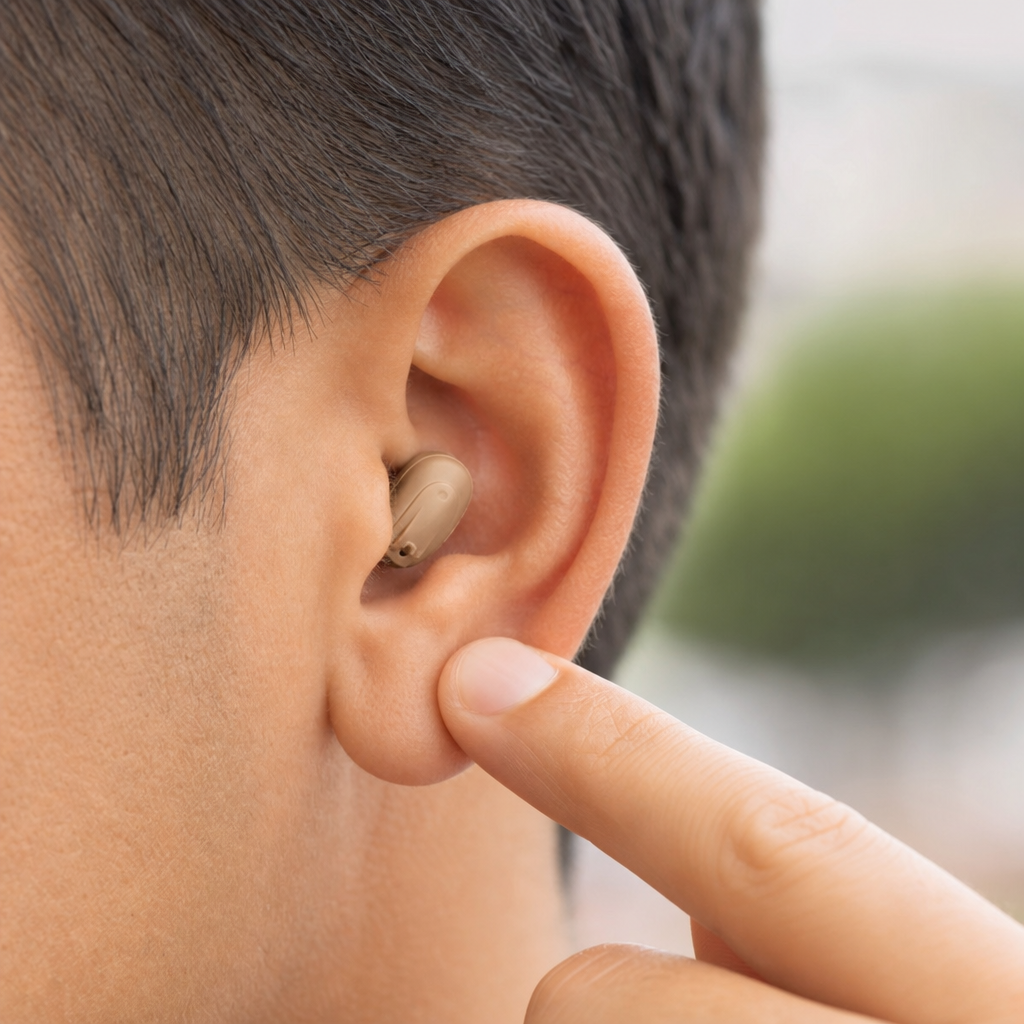
Nano hearing aid reviews matter because many shoppers first encounter the brand through aggressive advertising, low entry prices, and promises of simple hearing support without the complexity of traditional clinic-based devices. In practical terms, Nano is a direct-to-consumer hearing aid company that sells prescription and over-the-counter style products online, often targeting adults with perceived mild to moderate hearing difficulty who want a more affordable path than conventional audiology channels. For anyone comparing hearing aids, this topic matters because online brands can vary widely in sound processing, fit, support, return policies, and long-term value, and a smart purchase depends on understanding those differences before ordering.
I have worked with patients and caregivers sorting through these buying decisions, and the same questions come up repeatedly: Are Nano hearing aids legitimate, who are they best for, how do they compare with clinic-fitted devices, and what should buyers watch for in reviews? Those questions deserve direct answers. Hearing aids are medical-function products even when sold online, and the stakes are real. Poorly chosen devices can leave speech unclear, amplify background noise, cause discomfort, or delay proper hearing evaluation. Good devices, by contrast, can improve communication, reduce listening fatigue, and help people stay socially engaged. This guide explains how to read Nano hearing aid reviews, what the products typically offer, the tradeoffs involved, and how to decide whether Nano is the right starting point for your hearing needs.
What Nano Hearing Aids Are and How the Brand Fits the Market
Nano positions itself in the budget-friendly, direct-to-consumer end of the hearing aid market. That means the company generally emphasizes online ordering, bundled accessories, rechargeable options, and a lower upfront price than prescription devices sold through hearing clinics. In the broader market, that places Nano alongside other mail-order and self-fit competitors rather than premium brands such as Phonak, Oticon, ReSound, Signia, Starkey, or Widex, which are commonly dispensed through audiologists and hearing instrument specialists. The key distinction is not only price; it is also service model, customization depth, and verification. In a clinic, hearing aids are typically selected after audiometric testing and programmed to a person’s hearing thresholds using fitting software and verification methods such as real-ear measurement. Online budget brands usually rely more on preset amplification profiles and self-directed setup.
That difference shapes expectations. If you read Nano hearing aid reviews as though the product should perform exactly like a premium, custom-programmed prescription device, you will likely be disappointed. If you read them in the context of entry-level hearing help for adults with relatively straightforward listening needs, some reviews make more sense. Buyers often choose Nano because they want to hear television better, follow one-on-one conversations, or try amplification before committing to a larger investment. Those are understandable goals. However, hearing loss is not one-size-fits-all. Someone with sloping high-frequency sensorineural hearing loss may need precise gain across frequencies to improve consonant clarity, while a person with conductive loss or asymmetry needs medical assessment first. The market category matters because it explains both the appeal and the limitations reflected in customer feedback.
How to Read Nano Hearing Aid Reviews Critically
The most useful Nano hearing aid reviews describe specific listening situations instead of vague satisfaction ratings. A credible review might say the device helped in quiet conversations but struggled in restaurants, or that battery life met expectations while feedback occurred when hugging someone. Details like these tell you far more than “great product” or “didn’t work.” When I evaluate reviews, I look for five factors: the reviewer’s degree of hearing loss, whether they are first-time users, the environments where they tested the aids, how long they wore them before judging, and whether customer service or return handling affected their overall opinion. A first-time user with mild high-frequency loss may be thrilled by modest improvement, while an experienced wearer switching from a premium device may find a budget model limited.
It is also important to separate sound quality issues from fit issues and expectation issues. Some negative reviews stem from dome discomfort, occlusion, or an incorrect insertion angle rather than defective electronics. Others reflect normal adaptation challenges. New wearers often describe their own footsteps, dishes clattering, or paper rustling as “too loud” during the first days. That does not automatically mean the device is poor; it may indicate acclimatization. On the other hand, repeated reports of weak speech clarity, excessive circuit noise, charging failure, or hard-to-reach support deserve attention because those patterns can indicate product or service problems. Reviews are most reliable when many people independently report the same strength or limitation. One isolated complaint proves little; a recurring theme across platforms is more meaningful.
Common Features, Strengths, and Limitations Buyers Mention
Nano hearing aid reviews frequently focus on accessibility. Buyers often praise a straightforward online purchase process, visible pricing, and the chance to try hearing aids without scheduling an in-person appointment. Rechargeable models are attractive for people who do not want to manage tiny zinc-air batteries, and behind-the-ear designs with slim tubes are generally easier for many older adults to handle than very small in-canal devices. Some users also appreciate simple volume control and preset listening modes because they reduce setup friction. For adults with mild hearing difficulty in quieter settings, these practical benefits can matter as much as advanced processing features.
The limitations mentioned in reviews are equally consistent. Budget hearing aids often have less sophisticated directional microphone systems, less effective noise reduction, fewer channels for frequency shaping, and less precise feedback management than higher-tier prescription products. In everyday terms, that can mean the device makes things louder without making speech as crisp as expected, especially in places with competing noise. Call quality, wind suppression, streaming features, and app refinement may also lag behind better-known clinical brands. Another common issue is fit standardization. Because domes, tubes, and shells are not custom molded for every ear, comfort and retention can vary. None of these limitations automatically disqualifies Nano, but they should temper expectations. Lower price usually reflects less personalization, lighter support infrastructure, or simpler signal processing.
| Factor | What Reviews Often Say | What It Means for Buyers |
|---|---|---|
| Price | Lower than clinic-fitted devices | Accessible starting point, but fewer services included |
| Setup | Easy ordering and basic controls | Good for independent users with simple needs |
| Speech in quiet | Often improved | May help at home or in one-on-one conversations |
| Speech in noise | Mixed performance | Restaurants and groups remain challenging |
| Comfort | Varies by ear shape and insertion skill | Fit can determine satisfaction as much as sound |
| Support and returns | Highly important in buyer feedback | Review policy terms before ordering |
Who Should Consider Nano and Who Should Look Elsewhere
Nano may be worth considering for adults who suspect mild to moderate hearing difficulty, want an affordable first step, and are comfortable handling setup on their own. The best candidates usually have symmetrical hearing challenges, no major ear pain or drainage, and realistic expectations about performance. A common example is someone in their sixties who hears acceptably in quiet but struggles with television dialogue or soft voices across the room. That person may benefit from a basic amplification product if they also plan to monitor results carefully. Another suitable user is an experienced hearing aid wearer seeking an inexpensive backup pair for travel or emergencies, provided they understand the tradeoffs in sound quality and personalization.
There are clear situations where Nano is not the right choice. Anyone with sudden hearing loss, one-sided hearing loss, tinnitus with rapid change, dizziness, ear deformity, active drainage, or a history suggesting a medical ear problem should seek evaluation from an audiologist or physician first. The same applies to people with severe or profound hearing loss, poor word recognition, or complex listening demands at work. In those cases, a professionally fitted prescription device is usually more appropriate because it allows detailed programming, counseling, and verification. Children should not use direct-to-consumer hearing aids without pediatric hearing care. I also advise caution for buyers who are not comfortable with online troubleshooting, returns, or self-fitting tasks. A lower sticker price does not help if the user cannot insert, clean, or adjust the devices consistently.
What to Check Before Buying: Sound, Fit, Service, and Policy Details
Before buying based on Nano hearing aid reviews, verify four areas: technical suitability, physical fit, company support, and policy terms. Start with hearing status. If you have not had a recent hearing test, schedule one. An audiogram tells you whether amplification is likely to help and whether a direct-to-consumer option is reasonable. It also identifies red flags that should not be managed with online shopping alone. Next, examine fit style. Behind-the-ear models with domes usually fit more people than fully in-ear designs, but dexterity, glasses use, and ear canal shape still matter. If you have arthritis or reduced fingertip sensation, tiny controls may be frustrating regardless of price.
Then read the return window, warranty, and support pathway carefully. A serious hearing aid purchase should include a meaningful trial period because real evaluation takes place in daily life, not on the first day out of the box. Check who pays return shipping, whether there are restocking fees, how warranty claims are handled, and how accessible customer support is by phone or email. Also look for cleaning tools, replacement domes, charger reliability, and instructions written in plain language. I have seen buyers focus entirely on the advertised discount and miss the fine print that determines whether the product is usable over six months. Strong policy details can offset some risk in budget products; weak policy details magnify it.
How Nano Compares With Prescription Hearing Aids and OTC Alternatives
Compared with prescription hearing aids from established manufacturers, Nano generally competes on affordability and convenience, not on customization depth. Prescription devices are selected from detailed audiometric data, tuned across multiple frequency channels, and often verified with probe-microphone testing to confirm the sound delivered in the ear canal matches the target prescription. They may also include advanced directional microphones, adaptive noise reduction, impulse noise control, Bluetooth streaming, telecoil, tinnitus programs, and ongoing fine-tuning. That bundle of technology and professional service explains the higher cost. For users with significant communication demands, those differences are not cosmetic; they directly affect speech understanding and long-term success.
Against other over-the-counter and direct-to-consumer options, Nano sits in a crowded field. Brands such as Jabra Enhance, Lexie, Audien, Eargo, and MDHearing are often compared on price, app control, support, and form factor. Some competitors offer more self-fitting sophistication or stronger brand ties to established hearing technology companies. Others compete mainly on ultra-low price. The right comparison is not simply “which is cheapest,” but “which option best fits the hearing profile, technical comfort, and support needs of the user.” In my experience, shoppers do best when they shortlist two or three models, compare return policies side by side, and judge each product by likely use cases: television, family meals, worship services, phone calls, or travel. That method produces better outcomes than chasing a coupon alone.
Best Practices After Purchase: Getting Better Results From Any Budget Device
If you decide to try Nano, your first week matters. Start in quiet environments for a few hours at a time and focus on familiar voices. Insert the devices exactly as instructed, because shallow placement can reduce clarity and increase feedback. Keep volume at a comfortable level rather than turning it up aggressively; too much gain often makes noise tiring without improving understanding. Test the aids with television dialogue, face-to-face conversation, and short walks outside before attempting a noisy restaurant. Write down what works and what does not. Specific notes such as “female voices clearer than male voices” or “dishes are painfully sharp” are far more useful than a general feeling of disappointment.
Maintenance is also central to good results. Clean domes and microphone openings regularly, store rechargeable units properly, and confirm that wax is not blocking sound output. Many supposedly defective hearing aids are actually obstructed by debris or fitted with the wrong dome size. If performance drops, troubleshoot systematically: charge fully, replace wax guards if applicable, switch domes, and test each ear separately. If the company offers remote support, use it early rather than waiting until frustration builds. Budget hearing aids demand a little patience, but patient users often get better outcomes than those who expect instant perfection. Measured use, careful fit, and timely support interactions can make a significant difference.
Nano hearing aid reviews are most useful when you read them through the lens of fit, hearing profile, and service model rather than price alone. Nano can be a reasonable entry point for adults with mild to moderate hearing difficulty who want a lower-cost, self-directed option and understand the limits of budget amplification. The brand’s appeal is clear: online convenience, approachable pricing, and simple feature sets. The tradeoff is equally clear: less personalization, weaker performance in complex noise, and greater dependence on the user to judge fit and function correctly.
The strongest buying decision starts with a recent hearing test, realistic expectations, and a close reading of trial and warranty terms. If your hearing needs are straightforward, Nano may be worth a cautious trial. If your hearing loss is severe, asymmetrical, medically complicated, or professionally demanding, a clinic-fitted prescription solution is the safer path. Use this hub as your starting point, compare models carefully, and take the next step by matching your hearing needs to the right type of device before you buy.
Frequently Asked Questions
What are Nano hearing aids, and who are they designed for?
Nano hearing aids are direct-to-consumer hearing devices marketed to adults who believe they have mild to moderate hearing difficulty and want a simpler, more affordable alternative to the traditional clinic-based hearing aid process. The brand is often discovered through online ads and promotions that emphasize low upfront pricing, easy ordering, and the ability to get started without multiple in-person appointments. For many shoppers, that convenience is a major part of the appeal, especially if they are hesitant about the cost or complexity of conventional hearing care.
In practical terms, Nano products are generally aimed at people looking for basic sound amplification and day-to-day listening support rather than highly customized treatment for severe or medically complicated hearing loss. That distinction matters. A person with occasional difficulty following conversations, hearing the television, or understanding speech in quieter settings may be closer to the intended customer than someone with advanced hearing impairment, one-sided hearing loss, sudden changes in hearing, persistent ringing, ear pain, or a history of ear disease. In those more complex cases, a medical evaluation and professional hearing assessment are usually the smarter first step.
Reviews of Nano hearing aids often focus on whether the devices meet expectations for entry-level affordability, ease of use, and comfort. Some users appreciate the lower barrier to entry and straightforward buying process, while others compare them against professionally fitted devices and find limits in sound personalization, noise handling, or overall refinement. That is why understanding the intended use case is so important: Nano is generally positioned for shoppers who prioritize accessibility and price, not necessarily for those who need the most advanced hearing technology available.
Are Nano hearing aid reviews generally positive, and what do customers usually say?
Nano hearing aid reviews tend to be mixed rather than universally positive or negative, which is common for direct-to-consumer hearing brands. Many favorable reviews come from buyers who wanted an affordable device quickly, did not want to navigate the traditional audiology route, and felt the product helped amplify everyday sounds enough to improve conversations or television listening. These customers often mention price, convenience, and simple setup as key benefits. For someone entering the hearing aid market for the first time, those factors can make a strong first impression.
At the same time, less favorable reviews often revolve around sound quality expectations, comfort, fit, background noise performance, and customer support experiences. Some users expect a budget-friendly online device to perform like a premium prescription hearing aid fitted and programmed by an audiologist, and that comparison can lead to disappointment. Common criticisms in hearing aid reviews across this category include tinny or artificial sound, limited improvement in noisy environments, difficulty with feedback or whistling, and challenges adapting to amplified environmental sounds. Since hearing needs vary widely from person to person, the same product may feel very helpful to one user and underwhelming to another.
When reading Nano hearing aid reviews, it is best to look for patterns rather than isolated praise or complaints. Pay close attention to comments about real-world use: How did the devices perform in conversation? Were they comfortable for long periods? Was setup manageable for older adults? How responsive was the company if there was a problem? Reviews are most useful when they describe the reviewer’s hearing situation, expectations, and environment, because those details help you judge whether their experience is likely to match your own.
How do Nano hearing aids compare with traditional prescription hearing aids?
The biggest difference between Nano hearing aids and traditional prescription hearing aids is the level of personalization and professional involvement. Traditional prescription hearing aids are typically selected after a formal hearing test and then programmed to match a person’s measured hearing loss across different frequencies. That process can improve speech clarity, listening comfort, and performance in more challenging environments. It also usually includes professional guidance, fitting adjustments, follow-up visits, and troubleshooting support that can make a major difference in long-term success.
Nano hearing aids, by contrast, are generally marketed as a more accessible and lower-cost option. Instead of going through a clinic-based care model, customers often buy online and use more generalized settings or simplified controls. That can work reasonably well for people with relatively mild hearing concerns who mainly want help in straightforward listening situations. However, it may not deliver the same degree of precision, especially for users with uneven hearing loss, significant high-frequency loss, speech understanding problems, or sensitivity to background noise.
Another important comparison point is expectations. Traditional hearing aids are typically built around individualized hearing care, while direct-to-consumer options are built around convenience and affordability. Neither model is automatically right or wrong, but they serve different priorities. If your main goal is to spend less and try something quickly, Nano may feel appealing. If your main goal is the most tailored hearing improvement possible, especially in complex listening environments, prescription devices fitted by a hearing professional are often the stronger option. In many Nano hearing aid reviews, this tradeoff between price and performance is one of the most consistent themes.
What should you look for before buying Nano hearing aids online?
Before buying Nano hearing aids online, start by identifying your actual hearing needs and whether they fit the profile of an entry-level direct-to-consumer device. If you have never had your hearing evaluated, it is worth considering at least a basic hearing screening, especially if your symptoms have developed suddenly, affect only one ear, include dizziness or pain, or seem to be getting worse. Those warning signs should not be treated as a routine online purchase issue. They may require medical attention or a full audiology workup.
From a shopping perspective, look closely at product type, battery or rechargeability, fit style, controls, trial period, warranty, and return policy. These details matter more than flashy advertising. A low advertised price may not tell the whole story if accessories, replacement parts, or return conditions are restrictive. It is also smart to read the company’s support information carefully. If you need help with setup, sound adjustment, charging, or fit, responsive customer service can significantly affect whether the experience feels smooth or frustrating.
You should also compare reviews from multiple sources and separate marketing language from user experience. Strong hearing aid buying decisions usually come from understanding practical questions: Is the device easy to insert and remove? Can the wearer adjust it without frustration? Does it work well enough for conversations at home, restaurants, or church? Are returns handled fairly? In the Nano hearing aid review space, informed buyers tend to do best when they treat the purchase like a functional health-related tool, not just an impulse response to a discount ad.
Are Nano hearing aids worth it for people looking for affordable hearing support?
Nano hearing aids may be worth considering for people who have modest hearing difficulties, a limited budget, and realistic expectations about what a lower-cost direct-to-consumer device can do. For the right user, “worth it” often means getting noticeable help with everyday listening at a fraction of the cost of traditional hearing aids. If the alternative is continuing to struggle with conversations, turning the television excessively loud, or avoiding social situations altogether, a more affordable entry point can be meaningful.
That said, value is not just about price. A hearing device is only worth it if it is comfortable enough to wear, effective enough to improve communication, and supported well enough that you can actually use it consistently. If a buyer needs advanced speech processing, fine-tuned programming, strong background noise management, or hands-on clinical support, Nano may feel too limited. In those situations, a higher upfront investment in professionally fitted hearing aids can provide better long-term satisfaction and better hearing outcomes.
The most balanced answer is that Nano hearing aids can be worth it for some shoppers, but not for everyone. They tend to make the most sense for adults seeking a simpler, lower-cost first step into hearing support, particularly if their hearing difficulties are mild and their expectations are grounded in convenience and affordability rather than premium performance. The smartest approach is to use Nano hearing aid reviews as one part of the decision, while also considering your hearing symptoms, your lifestyle, and whether professional guidance would give you a better result.