
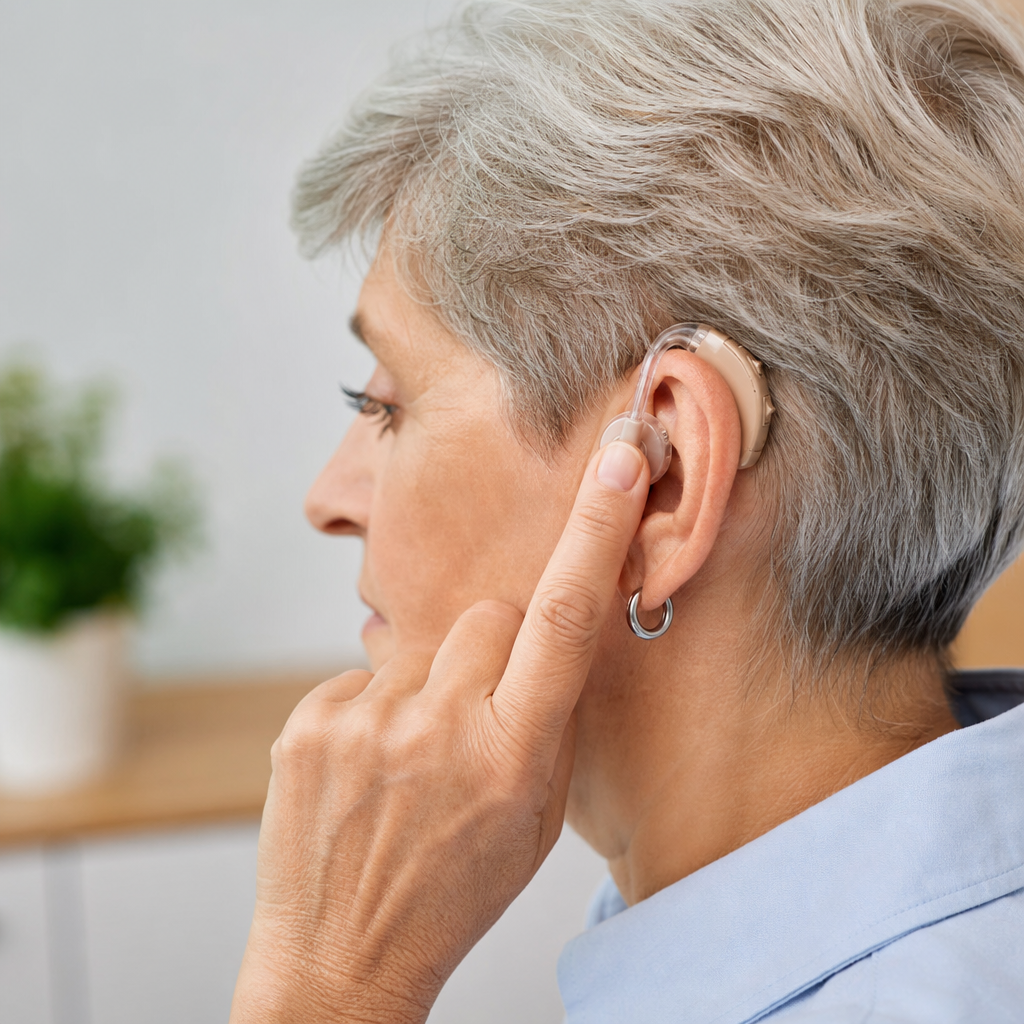
Hearing aide is a common search term for devices and support that help people hear better, but the more precise term is hearing aid: a small electronic device worn in or behind the ear that amplifies and processes sound for someone with hearing loss. Hearing loss can develop gradually from aging, noise exposure, infections, genetics, earwax blockage, medication side effects, or injury, and it affects far more than volume alone. In practice, people usually struggle most with speech clarity, especially in restaurants, meetings, worship services, classrooms, and family gatherings where background noise competes with conversation.
I have worked with patients and product teams long enough to see the same pattern repeat: many people wait years before seeking help because they assume hearing aids simply make everything louder, whistle constantly, or feel too visible. Modern devices are far more sophisticated. They use directional microphones, digital signal processing, feedback management, noise reduction, wireless connectivity, rechargeable batteries, and app-based controls. The right device can reduce listening fatigue, improve communication, and support cognitive health by helping the brain receive cleaner speech signals more consistently.
This article is a general hub for the Hearing Aids topic, meaning it explains the core concepts you need before diving into detailed pages on hearing aid types, hearing aid costs, hearing aid fitting, hearing aid batteries, maintenance, over-the-counter models, prescription devices, and accessories. If you are asking what a hearing aid does, who should use one, how to choose between styles, what features matter, how fitting works, or what results to expect, this guide answers those questions directly. It also explains where hearing aids help, where they do not, and why proper evaluation matters.
A hearing aid does not restore natural hearing in the way eyeglasses can sharply correct vision. It improves audibility and speech understanding by amplifying selected frequencies, shaping sound based on an audiogram, and prioritizing speech in different environments. Results depend on the type and degree of hearing loss, ear anatomy, programming quality, and consistent wear. Understanding those basics helps buyers make better decisions, avoid marketing claims that oversimplify outcomes, and choose a path that matches both hearing needs and budget.
What a hearing aid is and how it works
A hearing aid has several core components: microphones that capture sound, a processor that analyzes and adjusts it, an amplifier that increases signal strength, and a receiver or speaker that delivers sound into the ear. Many models also include telecoils, Bluetooth radios, motion sensors, and environmental classification systems that automatically switch settings. In a clinical fitting, the device is programmed to match the user’s hearing thresholds across frequencies, often using real-ear measurement to verify that amplified sound at the eardrum aligns with evidence-based targets such as NAL-NL2 or DSL.
That last point matters because hearing loss is usually not equal across pitches. A person may hear low-frequency sounds fairly well yet miss high-frequency consonants such as s, f, th, and sh. If a device only raises overall volume, speech can still sound muddy. Good hearing aids apply frequency-specific gain, compression to keep loud sounds comfortable, and noise management that reduces steady background sounds without erasing speech cues. They also limit feedback, the whistling sound caused when amplified sound leaks out and is picked up again by the microphone.
People often ask whether hearing aids work immediately. They work right away in the sense that amplified sound is available on day one, but adaptation takes time. After months or years of reduced input, the brain has to relearn how to filter and interpret many everyday sounds. Keyboard clicks, refrigerator hum, turn signals, paper rustling, and footsteps may seem unusually noticeable at first. With regular use and fine-tuning, most wearers adjust over several weeks and begin to appreciate the benefits in speech understanding, spatial awareness, and reduced listening effort.
Who needs a hearing aid and when to get evaluated
The best candidate is anyone with documented hearing loss that affects communication, safety, work, or quality of life. Common signs include frequently asking others to repeat themselves, turning up the television more than others prefer, hearing better in quiet than in groups, avoiding social events because conversation feels exhausting, or misunderstanding words that sound similar. Tinnitus, often described as ringing or buzzing, can also accompany hearing loss. Family members usually notice the pattern earlier than the person experiencing it, especially when responses become delayed or inappropriate because speech was only partly heard.
Not every hearing problem means you need a hearing aid immediately. Conductive issues such as impacted earwax, middle-ear fluid, otosclerosis, or infection may need medical treatment first. Sudden hearing loss, one-sided hearing loss, sudden tinnitus, dizziness, ear pain, drainage, facial weakness, or a marked difference between ears requires prompt medical assessment, ideally by an ear, nose, and throat physician. These symptoms can indicate conditions that should not be managed by simply buying amplification. A hearing test identifies whether the loss is conductive, sensorineural, or mixed and helps determine the safest next step.
As a rule, earlier intervention is better than waiting until communication breakdown becomes severe. Untreated hearing loss is associated with social withdrawal, increased listening fatigue, reduced workplace performance, and greater communication strain within families. It may also contribute to cognitive load because the brain spends more effort decoding incomplete speech. Getting evaluated does not commit you to buying anything. It gives you a baseline audiogram, an explanation of your hearing profile, and a clearer understanding of what level of technology and support you may actually need.
Types of hearing aids and the main differences
Hearing aids come in several form factors, each with tradeoffs involving power, visibility, dexterity, comfort, and features. Behind-the-ear models place the main electronics in a case behind the ear and route sound through tubing or a thin wire to an earmold or dome. Receiver-in-canal designs, often the most popular for adults, place the receiver in the ear canal for a smaller behind-the-ear case and a more natural sound path. In-the-ear and in-the-canal models sit partly or fully in the outer ear and can be appealing for cosmetics, but they have less room for batteries and controls.
| Style | Best for | Advantages | Limitations |
|---|---|---|---|
| Behind-the-ear | Mild to profound loss | High power, durable, easy handling, larger batteries | More visible than smaller custom styles |
| Receiver-in-canal | Mild to severe loss | Popular fit, strong sound quality, wireless features, comfort | Receiver can need periodic replacement from moisture or wax |
| In-the-ear | Mild to severe loss | Custom shell, easier insertion than tiny canal models | Less discreet, can pick up wind noise |
| In-the-canal/completely-in-canal | Mild to moderate loss | Very discreet, less visible from the front | Small batteries, fewer features, harder to handle |
Style should not be chosen on appearance alone. Ear canal shape, cerumen production, skin sensitivity, hearing thresholds, and manual dexterity can eliminate some options quickly. Someone with arthritis may struggle with tiny battery doors and controls. A person with significant high-frequency hearing loss may benefit from open-fit receiver-in-canal devices that preserve natural low-frequency hearing while amplifying high-frequency speech. A user with severe loss may need a more occluding earmold and greater power. The best style is the one that delivers audibility, comfort, and day-to-day manageability together.
Key features, fitting, and everyday use
Marketing often emphasizes the number of channels, artificial intelligence labels, or smartphone apps, but practical outcomes usually come from a few core features matched correctly to the user. Directional microphones help focus on speech in front of the listener. Adaptive noise reduction makes steady background noise less intrusive. Feedback cancellation prevents squealing. Telecoils improve listening in venues with hearing loops. Bluetooth streaming sends calls, music, and media directly to the aids. Rechargeable lithium-ion systems simplify ownership for many older adults because they eliminate frequent battery handling.
The fitting process is as important as the device itself. A comprehensive approach includes case history, otoscopy, pure-tone and speech testing, discussion of listening goals, style selection, earmold or dome choice, programming to prescriptive targets, and real-ear verification. Real-ear measurement is especially important because ears differ in size and resonance; software predictions alone are not enough. During follow-up visits, settings are adjusted based on real-world experience. I have seen average devices perform very well when fitted carefully, while premium devices fitted poorly deliver disappointing results.
Daily use requires realistic expectations and consistent habits. Hearing aids should be inserted correctly, worn for most waking hours, cleaned routinely, and stored properly. Users need time to adapt to environmental sounds and often benefit from communication strategies such as facing the speaker, reducing competing noise, and using captioning when available. Apps can help users change programs, locate lost devices, and monitor battery status, but technology does not replace counseling. The best outcomes come when users understand what their hearing aids can improve and when additional support, such as remote microphones, may be needed.
Cost, over-the-counter options, and how to choose wisely
Hearing aid cost varies widely based on technology level, service model, brand, warranty, and bundled care. Prescription devices purchased through an audiology clinic may include testing, fitting, verification, follow-up visits, cleanings, and loss or damage coverage. Over-the-counter hearing aids, regulated in the United States for adults with perceived mild to moderate hearing loss, can lower entry cost and improve access, especially for people comfortable with self-fitting tools. They are not appropriate for children, people with severe loss, or anyone with medical red flags such as sudden changes, asymmetry, pain, or drainage.
Choosing wisely starts with an honest needs assessment. If you mostly want help with television and occasional conversation in quiet settings, a simpler device may be enough. If you spend your week in business meetings, restaurants, houses of worship, classrooms, or active family gatherings, advanced directional systems and accessories may justify the higher price. Brand matters less than fit quality, return policy, service access, and verification methods. Reputable manufacturers include Phonak, Oticon, ReSound, Signia, Starkey, and Widex, but every brand has strong models and less suitable ones depending on the listener.
Ask clear questions before buying: What level of hearing loss is this device designed for? Is there a trial period and what are the return fees? Are follow-up adjustments included? Is real-ear measurement used? How long is the warranty? Are chargers, domes, wax guards, and app support included? Can the device connect to iPhone or Android reliably? If you are comparing options, focus on speech understanding, comfort, service, and long-term usability rather than small feature lists that sound impressive but do little for your daily communication.
Maintenance, lifespan, and common problems
Hearing aids are exposed to earwax, moisture, skin oils, temperature swings, and accidental drops, so routine maintenance directly affects performance. Basic care includes wiping the device daily, replacing wax guards and domes as needed, opening the battery door on disposable-battery models when not in use, and keeping the device dry. Users in humid climates or those who perspire heavily often benefit from a drying cup or electronic dehumidifier. Rechargeable models should be charged consistently and kept free of debris around the contacts to prevent incomplete charging.
The average lifespan of a hearing aid is often around three to seven years, though that range depends on wear conditions, maintenance, and changes in hearing. Common problems include weak sound from clogged wax filters, intermittent performance from moisture, distorted output from damaged receivers, and poor retention from incorrect dome size. If hearing suddenly seems worse, first check whether the issue is the aid, earwax, or a medical change in hearing. Troubleshooting should start with cleaning, battery or charge status, and swapping simple consumables before assuming the device has failed.
Hearing aids are one part of hearing care, not the whole of it. Annual hearing evaluations, periodic reprogramming, communication training, assistive listening devices, and hearing protection all play a role in long-term success. The main benefit is not just louder sound but easier connection with people and the world around you. If you think you may need hearing help, schedule a hearing test, review your options carefully, and use this hub as your starting point for exploring every aspect of hearing aids with confidence and clearer expectations.
Frequently Asked Questions
What is the difference between a hearing aide and a hearing aid?
The short answer is that hearing aid is the correct medical and consumer term, while hearing aide is a very common misspelling or search variation. A hearing aid is a small electronic device designed to help a person with hearing loss hear more effectively by capturing sound, processing it, and delivering amplified sound into the ear. Modern hearing aids do much more than simply make everything louder. They are programmed to match a person’s specific hearing profile, which is important because hearing loss often affects certain pitches and speech sounds more than others.
This distinction matters because many people assume hearing support is just about increasing volume, when in reality the bigger challenge is often understanding speech clearly, especially in noisy environments. A properly fitted hearing aid can improve access to conversations, environmental sounds, and speech cues while reducing listening effort. So if you are researching “hearing aide,” you are almost certainly looking for information about hearing aids, hearing loss treatment, and the different devices available to support better hearing.
How do hearing aids actually work?
Hearing aids work by taking in sound through tiny microphones, converting that sound into a digital signal, processing it according to the user’s hearing needs, and sending the adjusted sound into the ear through a speaker, often called a receiver. In simple terms, the device listens to the world around you, makes smart adjustments, and delivers sound in a way your ears and brain can use more effectively. This is why modern hearing aids are often described as miniature computers rather than simple amplifiers.
Today’s devices can separate speech from background noise, reduce feedback or whistling, soften sudden loud sounds, and emphasize frequencies that are harder for the wearer to hear. Many also include multiple listening programs for different settings, such as quiet rooms, restaurants, outdoor spaces, or phone calls. Some hearing aids connect wirelessly to smartphones, televisions, and other devices through Bluetooth, which can make calls and streamed audio easier to hear. Even with advanced technology, there is still an adjustment period. Hearing aids help the brain reconnect with sounds it may have been missing, and that process can take time, consistency, and professional fine-tuning.
What are the signs that someone may need a hearing aid?
Many people assume they would know immediately if they had hearing loss, but the reality is often more gradual. One of the most common early signs is difficulty understanding speech, especially in places with background noise. You may hear that someone is talking but struggle to make out the words clearly. Other signs include frequently asking people to repeat themselves, turning the TV volume up higher than others prefer, having trouble hearing on the phone, missing doorbells or alarms, or feeling exhausted after social conversations because listening takes so much effort.
Hearing loss can happen for many reasons, including aging, long-term noise exposure, infections, genetics, earwax blockage, certain medications, or injury. It is also important to know that not all hearing problems mean you need a hearing aid right away. Sometimes the issue may be temporary or medically treatable, such as impacted earwax or an ear infection. That is why a full hearing evaluation is so important. A licensed hearing care professional or audiologist can determine whether hearing aids are appropriate, what kind of hearing loss is present, and which device style and programming features are likely to help most.
Do hearing aids restore hearing back to normal?
Hearing aids do not cure hearing loss or restore natural hearing in the same way glasses can sometimes provide near-perfect vision correction. Instead, they improve access to sound and make communication easier by helping the user hear speech and environmental sounds more effectively. For many people, that leads to major improvements in daily life, including better conversations, greater awareness of surroundings, reduced listening fatigue, and more confidence in social settings. However, expectations matter. Even excellent hearing aids cannot completely eliminate every challenge, especially in crowded or noisy environments.
The reason is that hearing involves both the ears and the brain. When hearing loss has been present for a while, the brain may need time to readjust to sounds it has not heard clearly in months or years. At first, some everyday sounds may seem sharper or more noticeable than expected. With regular wear and proper follow-up adjustments, most users adapt and experience meaningful benefits. The best results usually come from professional fitting, realistic expectations, and consistent use rather than wearing the devices only occasionally.
What types of hearing aids are available, and how do you choose the right one?
Hearing aids come in several main styles, including behind-the-ear, receiver-in-canal, in-the-ear, in-the-canal, and completely-in-canal models. Each style has advantages depending on the degree of hearing loss, ear anatomy, comfort preferences, dexterity, cosmetic concerns, and desired features. Behind-the-ear and receiver-in-canal models are especially popular because they can fit a wide range of hearing losses and often offer strong sound quality, directional microphones, rechargeable batteries, and wireless connectivity. Smaller custom devices may be more discreet, but they can be harder to handle and may have fewer features depending on their size.
Choosing the right hearing aid is not just about picking the smallest or most powerful device. A good decision should take into account the person’s hearing test results, lifestyle, budget, and communication priorities. Someone who spends a lot of time in meetings, restaurants, or group conversations may benefit from advanced noise management and speech-enhancement features. Another person may prioritize simplicity, ease of use, or rechargeability. The best approach is to work with a qualified hearing professional who can recommend appropriate options, program the device accurately, and make adjustments after real-world use. That professional guidance often makes a bigger difference than any single product feature.