
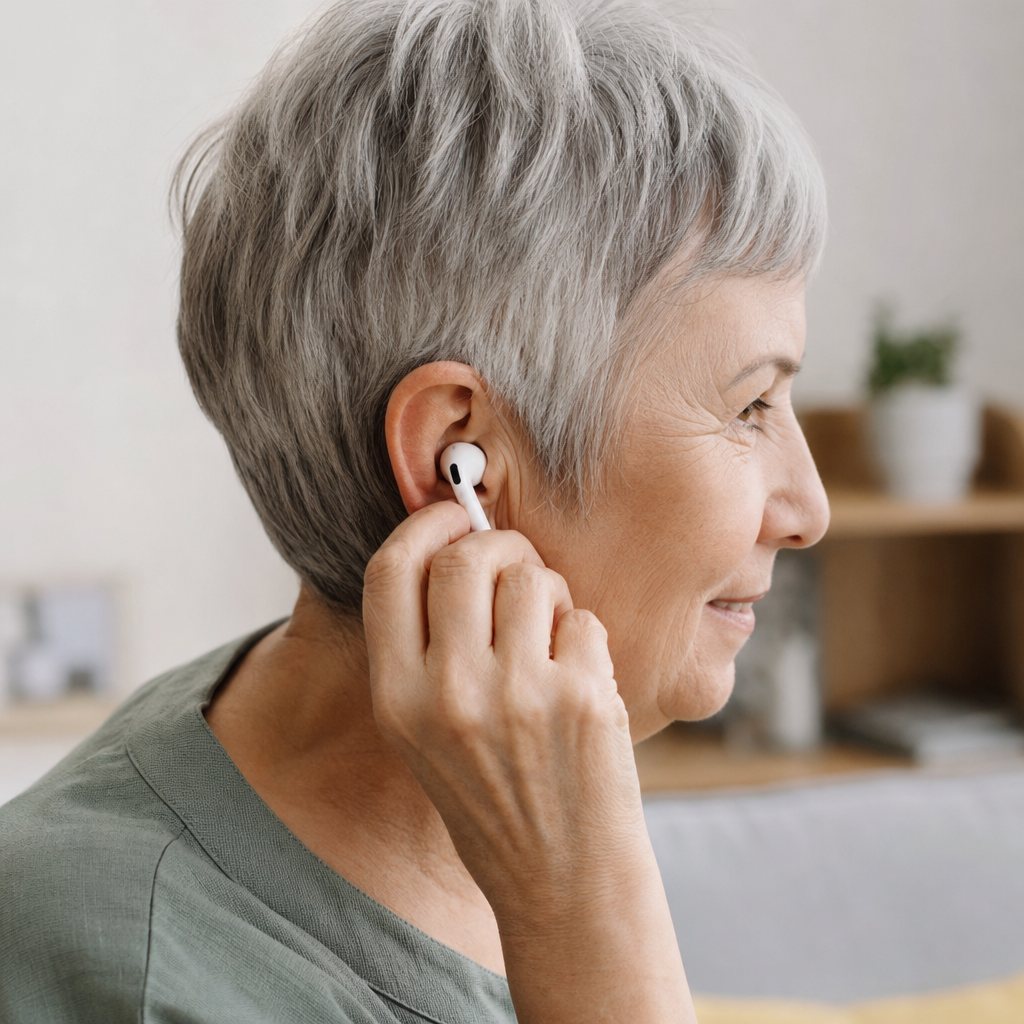
Earbuds are increasingly being used as hearing aids, but the two devices are not the same, and understanding the difference matters before anyone relies on consumer audio hardware for better hearing. In practical terms, “earbuds as hearing aids” refers to wireless or wired earbuds that use amplification, personalization, noise control, or speech-enhancement features to help users hear conversations, media, alerts, and environmental sounds more clearly. Hearing aids, by contrast, are medical devices designed to compensate for hearing loss based on a person’s hearing profile, comfort needs, and daily listening environments. This distinction affects sound quality, safety, legal claims, support, and long-term satisfaction.
I have tested both prescription hearing aids and high-end earbuds with hearing-assistance features, and the pattern is consistent: earbuds can help some adults in some situations, especially with mild hearing difficulties, but they do not replace properly fitted hearing aids for everyone. The topic matters because millions of adults delay treatment for hearing loss due to cost, stigma, uncertainty, or the mistaken assumption that turning up volume is enough. At the same time, major brands now market features such as conversation boost, hearing tests, adaptive transparency, and personalized EQ, creating legitimate interest and understandable confusion. A clear guide helps people make safer, smarter choices.
This hub article covers the general landscape: what earbuds can do, where they fall short, who may benefit, what features actually matter, how regulations shape the market, and how to choose next steps. If you are comparing over-the-counter solutions, trying to understand mild versus moderate hearing loss, or deciding whether to book a hearing test, this page provides the foundation. For most readers, the central question is simple: can earbuds improve hearing enough for daily life, or is it time for dedicated hearing aids? The answer depends on hearing level, listening goals, device fit, latency, battery life, microphone quality, and whether speech understanding, not just loudness, is the problem.
What Earbuds as Hearing Aids Actually Means
Using earbuds as hearing aids usually means one of three things. First, some earbuds include live listening or ambient amplification, where microphones capture outside sound and play it into the ear in real time. Second, some models offer hearing personalization, often based on a hearing test or user-selected sound preferences. Third, smartphone apps can process environmental sound and stream an adjusted signal to earbuds. These approaches can make voices sound louder and sometimes clearer, especially in quiet rooms or one-on-one conversations.
However, louder is not automatically better hearing. Hearing loss often reduces clarity, especially for high-frequency consonants such as s, f, t, and th. Dedicated hearing aids address that with frequency-specific amplification, feedback management, compression, directional microphones, and fine tuning across multiple channels. Earbuds may imitate parts of that chain, but many do so more crudely. If a person says, “I hear people talking, but I can’t understand the words,” that is a classic sign that generic amplification may not be enough. Speech discrimination, background noise tolerance, and fit stability matter more than raw volume.
Another important point is form factor. Earbuds are built primarily for media playback and calls, so priorities include bass response, style, touch controls, and battery charging cases. Hearing aids are built around audibility, all-day wear, low power use, and acoustic management in complex environments. That is why earbuds may feel impressive during a quick demo but less effective in a restaurant, meeting, religious service, or family gathering. Real-world hearing assistance is not a single feature; it is a system.
How Earbuds Compare With Hearing Aids
The best way to compare earbuds and hearing aids is to look at intended use, fitting precision, and performance in noise. Hearing aids are designed to match an audiogram, which charts hearing thresholds across frequencies. Modern devices from brands such as Phonak, Oticon, ReSound, Signia, Starkey, and Widex allow audiologists or hearing instrument specialists to adjust gain, compression ratios, maximum power output, directional patterns, impulse noise reduction, tinnitus programs, and streaming behavior. That level of fitting is the reason many users report speech becoming more intelligible rather than merely louder.
Earbuds can still be useful. Premium consumer models from Apple, Samsung, Sony, Jabra, and Bose may include transparency modes, voice focus, and custom hearing profiles. In testing, I often see decent improvement for television listening, podcasts, phone calls, and quiet conversations at home. The tradeoff appears when sound becomes unpredictable. In busy places, generic voice enhancement often lifts surrounding noise too, and microphone placement on earbuds is rarely ideal for natural front-facing speech pickup. Some users also notice processing delay, called latency, which can make voices sound slightly out of sync or echoic.
| Factor | Earbuds with hearing features | Dedicated hearing aids |
|---|---|---|
| Primary purpose | Media, calls, convenience, basic assistance | Hearing rehabilitation and daily communication |
| Customization | App-based presets or limited self-test | Fitted to audiogram with clinical software |
| Speech in noise | Variable, often limited | Usually better due to directional processing |
| Battery pattern | Hours per charge plus case recharging | All-day disposable or rechargeable use |
| Comfort for all-day wear | Mixed, depends on ear canal fit | Designed for extended daily use |
| Medical support | Consumer support, limited hearing guidance | Professional fitting, verification, follow-up |
Price is the comparison that draws the most attention, but it should not be isolated from outcomes. Earbuds may cost far less upfront, especially if a person already owns a compatible phone. Yet poor fit, short wear time, weak performance in noise, or the need to upgrade frequently can reduce long-term value. Hearing aids cost more because they include clinical assessment, fitting time, software tuning, warranty support, and specialized hardware. For the right user, that added structure is what turns hearing improvement into reliable daily function.
Who Can Benefit From Earbuds and Who Should Be Cautious
Earbuds with hearing-assistance features are most promising for adults with perceived mild hearing difficulty, early age-related hearing changes, or specific situational problems such as struggling with television dialogue or hearing a conversation across a table. They can also help people who are hearing-curious but not ready to commit to hearing aids, because they lower psychological barriers and let users experience what amplification and speech enhancement feel like. In my experience, they work best when expectations are realistic and the goal is support in selective moments rather than full hearing rehabilitation.
Caution is essential for anyone with moderate to severe hearing loss, sudden hearing changes, one-sided hearing loss, persistent tinnitus, dizziness, ear pain, drainage, or major difficulty understanding speech even in quiet. Those are not cases for casual experimentation alone. They warrant a hearing evaluation by an audiologist or other qualified hearing professional, and often a medical exam by an ear, nose, and throat physician. Red-flag symptoms can indicate conditions that need diagnosis, not just louder sound. Delaying assessment may worsen communication strain and postpone treatment options.
There is also a behavioral caution. Some people use earbuds as a coping strategy while avoiding the underlying issue. That can be understandable, especially when hearing loss feels emotionally loaded, but it can keep a manageable problem from being treated effectively. If family members frequently repeat themselves, if work meetings are harder to follow, or if social fatigue is increasing, that is useful data. Good hearing care starts with acknowledging patterns, not minimizing them.
Features That Matter Most
When people shop for earbuds as hearing aids, they often focus on brand reputation or audio quality for music. For hearing support, the feature list should be different. Microphone performance is first. Strong external microphones and stable ambient pickup are what make voices audible in real settings. The second priority is low-latency processing. If the delay between real sound and processed sound is noticeable, speech can feel unnatural. The third is personalization that goes beyond a simple bass-treble slider. A hearing test, left-right balancing, and frequency-specific adjustment are more meaningful than generic EQ alone.
Transparency or ambient mode quality also matters. On weak systems, transparency sounds hissy, compressed, or artificial, and users quickly stop trusting it. Good systems preserve environmental awareness while selectively lifting speech. Directional focus features can help in front-facing conversations, but marketing claims often exceed reality. Physical fit is another major factor. A secure seal may improve low-frequency sound and playback, yet too much occlusion can make the user’s own voice boomy and unpleasant. Hearing aids often solve this with venting and custom acoustics; earbuds usually offer only tip changes.
Battery life, call handling, app reliability, water resistance, and accessibility controls should not be ignored. A device that sounds good for thirty minutes but dies halfway through the day is not practical hearing support. Bluetooth stability also matters because dropouts erode trust quickly. If a product requires constant phone interaction to work well, older users may find it frustrating. The best device is not the one with the longest spec sheet; it is the one that performs consistently in the environments you actually live in.
Regulation, Safety, and Hearing Health
Regulation shapes what companies can promise. In the United States, over-the-counter hearing aids are regulated for adults with perceived mild to moderate hearing loss, while prescription hearing aids and certain medically necessary fittings remain under professional care pathways. Earbuds, even when they offer hearing-related features, are generally sold as consumer electronics unless they meet the applicable regulatory definition and requirements for hearing aids. That means buyers should read claims carefully. “Personal sound amplification” or “conversation enhancement” is not identical to a regulated hearing aid category.
Safety matters because overamplification can be uncomfortable and, at high enough exposure, potentially harmful. Responsible hearing support is not about making everything loud. It is about making important sounds audible without exceeding safe listening levels. Standards from organizations such as ANSI and IEC influence how hearing devices are measured, though most consumers will encounter those details indirectly through professional reviews, verification practices, and manufacturer disclosures. When I evaluate a device for hearing help, I look for transparent specifications, realistic claims, and evidence that the company understands hearing health rather than just consumer audio trends.
Hygiene and ear health matter too. Earbuds can trap moisture, earwax, and debris, especially during long wear. Poor cleaning habits may lead to irritation or blocked sound ports. Users with recurring ear infections, excess cerumen, or skin sensitivity should be especially careful. A hearing solution only works if it is comfortable and safe enough to wear consistently.
How to Decide What to Do Next
If you are considering earbuds as hearing aids, start with a simple decision framework. First, identify the main problem: quiet speech, noisy restaurants, television, phone calls, meetings, or general muffled hearing. Second, estimate severity honestly. If trouble is occasional and mild, advanced earbuds may be worth trying. If difficulty is regular, tiring, or affecting relationships and work, book a hearing test first. Third, evaluate your technology tolerance. App-heavy products can be powerful, but only if you will actually use the settings.
Next, test devices in your real life, not just in a store or during music playback. Try a kitchen conversation, a car ride, a café, and a video call. Pay attention to clarity, comfort, own-voice sound, battery drain, and whether the device helps after an hour, not just in the first five minutes. If you choose hearing aids, ask about real-ear measurement, trial periods, follow-up tuning, telecoil or Bluetooth options, and ongoing service. Those details often determine success more than brand alone.
The most important takeaway is straightforward: earbuds can be a useful bridge, backup, or situational tool, but they are not a universal substitute for hearing aids. The right choice depends on the nature of the hearing problem and the environments that matter most to you. Start with an honest assessment, compare features against daily needs, and seek professional testing when speech understanding is slipping. Better hearing improves communication, confidence, and energy. Use this hub as your starting point, then move to the next step that matches your hearing reality today.
Frequently Asked Questions
Can earbuds really be used as hearing aids?
Earbuds can sometimes help people hear certain sounds more clearly, but they are not the same as true hearing aids. In most cases, when people talk about using earbuds as hearing aids, they mean earbuds with features such as sound amplification, transparency or ambient modes, customizable EQ settings, directional microphones, noise reduction, or speech enhancement. These tools may make conversations, TV audio, phone calls, or alerts easier to hear in some everyday situations. For example, someone with mild hearing difficulty may notice that earbuds help in a quiet room or during one-on-one conversations.
That said, hearing aids are medical devices specifically designed to compensate for hearing loss based on an individual’s hearing profile. They are built to amplify speech frequencies more precisely, manage loudness safely, reduce feedback, and adapt to changing sound environments. Earbuds, even advanced ones, are primarily consumer audio products. Their sound processing is usually designed for entertainment, communication, or convenience rather than clinical hearing correction. So while earbuds may function as a temporary or limited hearing support tool for some users, they should not be treated as a full replacement for professionally fitted hearing aids when significant or ongoing hearing loss is involved.
What is the main difference between earbuds and hearing aids?
The biggest difference is purpose. Earbuds are consumer electronics made for listening to music, podcasts, calls, and digital audio. Hearing aids are medical devices made to improve hearing for people with diagnosed hearing loss. That distinction affects everything from design and testing to sound processing and long-term reliability. Hearing aids are programmed around a person’s hearing test results, which means they can amplify specific frequencies differently depending on where hearing loss occurs. Earbuds generally offer broader amplification or limited customization, but they do not usually deliver the same level of precision.
There are also important differences in safety, fit, and day-to-day performance. Hearing aids are engineered to avoid over-amplifying sounds in ways that may be uncomfortable or harmful, and they often include advanced feedback suppression, background noise management, and speech optimization. They are also designed for long-term wear, clear environmental awareness, and all-day listening in varied settings. Earbuds may block the ear canal more completely, may not handle wind or background noise as effectively, and may be less comfortable for extended use. In short, earbuds may offer helpful hearing-assist features, but hearing aids are purpose-built to address hearing loss in a more precise, medically informed way.
Who might benefit from using earbuds with hearing-assist features?
Earbuds with hearing-assist features may be useful for adults who have mild hearing challenges, occasional listening difficulty, or situational needs rather than severe or complex hearing loss. Someone who struggles to follow conversation in a noisy restaurant, wants clearer dialogue while watching TV, or needs a little extra help during phone calls might find these features helpful. They can also be useful for people who are curious about hearing support technology and want to explore basic amplification or personalization before deciding whether to seek formal hearing care.
However, earbuds are not the best option for everyone. People with moderate to severe hearing loss, sudden hearing changes, one-sided hearing loss, ringing in the ears combined with hearing difficulty, or trouble understanding speech even at higher volume levels should be cautious about relying on earbuds alone. Those situations can point to hearing issues that need proper evaluation. If hearing problems are persistent, worsening, or affecting safety and communication, a hearing test and professional guidance are the smarter next step. Earbuds may help in some cases, but they work best as a convenience tool, not as a substitute for diagnosis or treatment.
Are earbuds safe to use for hearing support every day?
They can be safe if used carefully, but daily use comes with some important caveats. The main risk is volume. If earbuds are used to amplify sound too aggressively, especially for long periods, they may contribute to listening fatigue or potentially worsen hearing stress over time. Unlike medical hearing aids, many earbuds are not designed with the same level of hearing-loss-specific output control. That means users need to be mindful about keeping sound at a comfortable, not intense, level and avoiding the temptation to turn everything up just to chase clarity.
There are also comfort and awareness considerations. Earbuds may trap moisture, create pressure in the ear canal, or feel uncomfortable during prolonged wear. Some models also reduce awareness of environmental sounds, which can be a safety issue when walking, commuting, or being in public spaces. If earbuds are being used regularly for hearing support, it is wise to choose models with transparency features, take listening breaks, clean them properly, and pay attention to signs such as ear pain, distortion, or ringing after use. If someone finds they need earbuds every day just to hear basic conversation, that is often a sign that a proper hearing evaluation would be more appropriate than continued self-management.
When should someone choose real hearing aids instead of earbuds?
Real hearing aids are the better choice when hearing difficulty is consistent, noticeable, and affecting daily life. If someone often asks people to repeat themselves, struggles to understand speech in both quiet and noisy places, increases TV volume significantly, avoids conversations, or feels exhausted from trying to listen, hearing aids may offer a much better solution than earbuds. Hearing aids are especially important when hearing loss has been confirmed by testing, when one ear hears differently than the other, or when speech clarity is poor even if sounds seem loud enough.
They are also the right option when a person needs individualized adjustment and dependable performance across many environments. Hearing aids can be fit and fine-tuned for the user’s exact hearing needs, lifestyle, and comfort level. They are built to support communication throughout the day, not just occasional amplification. Most importantly, choosing hearing aids often comes with access to hearing care professionals who can identify whether the problem is straightforward age-related hearing loss or something that requires medical attention. Earbuds may be convenient and increasingly capable, but when hearing support becomes a health issue rather than just an audio preference, hearing aids are the more appropriate and trustworthy path.