
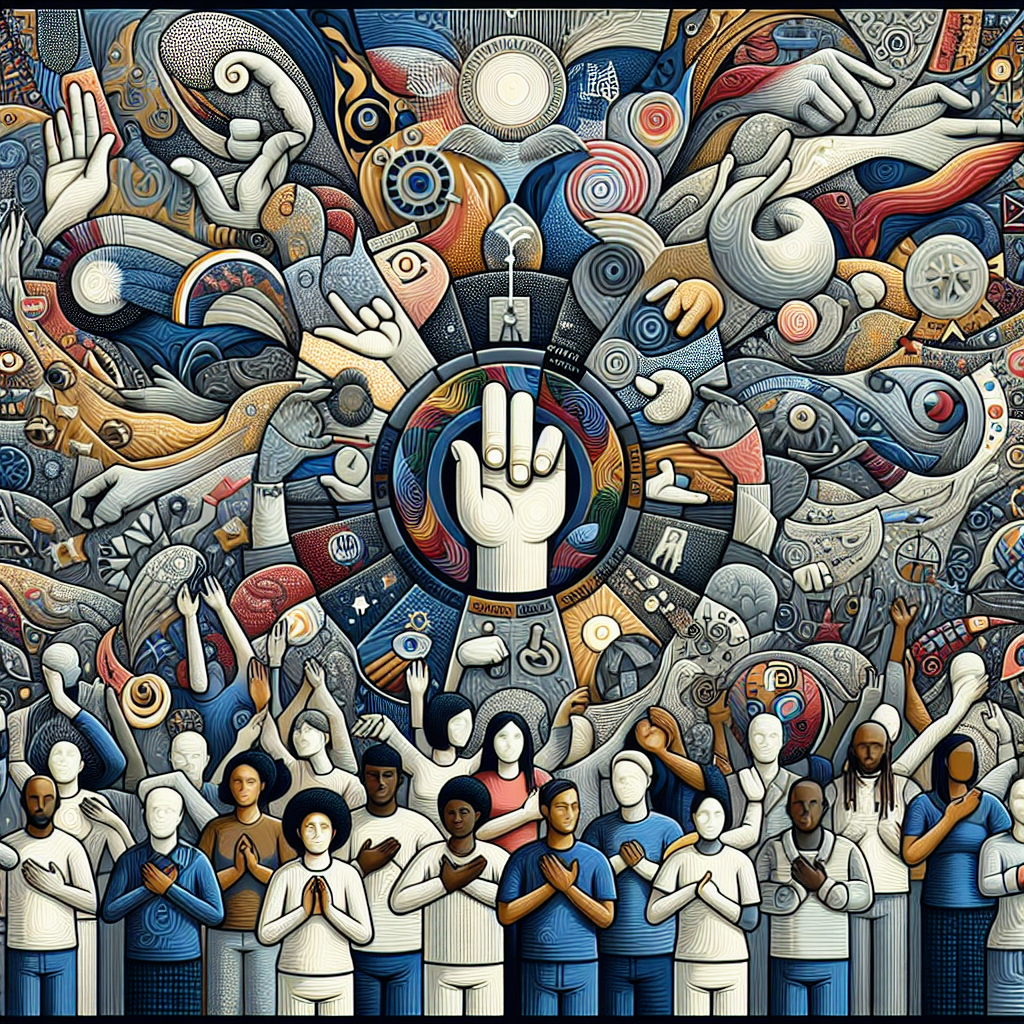
Deaf culture is a dynamic tapestry that enriches society while providing a sense of belonging and identity beyond the auditory world. For those living without hearing, identifying as part of the Deaf community is not merely about the lack of sound perception but also about embracing a unique cultural identity that is both resilient and vibrant in its expression.
This article delves into the facets of Deaf identity, examining how culturally Deaf people navigate the interplay between their personal experiences and broader cultural narratives. In essence, Deaf identity transcends the medical model of hearing loss that society often gravitates toward. Instead, the Deaf community emphasizes a social-cultural perspective—valuing language, art, heritage, and social norms unique to Deaf individuals. This perspective fosters a rich cultural experience reminiscent of ethnic minority groups who hold steadfastly to their traditions and customs. Among these, American Sign Language (ASL) or other sign languages globally serve as essential vehicles for communication, cultural expression, and community bonding.
The Journey Toward Deaf Identity
The journey toward embracing and acknowledging a Deaf identity often begins in childhood or, for some, later in life. It is a personal evolution shaped by various elements, including family circumstances, educational experiences, social interactions, and cultural exposure. For many Deaf individuals, acknowledging their identity is an empowering act that liberates them from the confines of societal expectations, reframing their lives in terms of capability and competence.
Communication Choices and Their Impact
Language plays an instrumental role in shaping identity, and for the Deaf community, sign language is a definitive cultural asset. However, choices surrounding communication methods can greatly influence how Deaf individuals perceive their identity within the larger context of Deaf culture and society.
Many Deaf individuals are born to hearing parents who may not initially have knowledge of Deaf culture. These families often face decisions about whether to embrace sign language as the primary form of communication or to pursue oral methods that rely on auditory skills and technologies such as hearing aids or cochlear implants. This choice can profoundly impact a Deaf person’s self-identification and connection to Deaf culture.
- Sign Language as a Cultural Anchor: Sign language not only facilitates communication but also embodies the cultural and social nuances of the Deaf community. It expresses values, stories, and traditions passed down through generations. Those who engage in sign language often report a deeper connection and sense of pride in their identity.
- Oral Communication and Challenges: Conversely, individuals who predominantly engage in oral communication may face challenges fully identifying with the Deaf community. They might encounter cultural dilemmas or perception issues between hearing and Deaf worlds, potentially leading to feelings of isolation.
The Role of Education in Shaping Identity
Education systems play a pivotal role in shaping how Deaf individuals perceive themselves and their place within society. The type of educational setting—be it mainstream schools, residential schools for the Deaf, or integrated programs—can significantly shape identity.
- Residential Schools for the Deaf: Historically, these schools have served as crucial spaces for cultural exchange and community building. Deaf students immersed in such environments develop a strong sense of identity and belonging. These schools often foster leadership, advocacy, and a robust Deaf culture.
- Mainstream Schools: In contrast, Deaf students in mainstream schools may face both opportunities and challenges. While they might develop skills in bridging Deaf and hearing cultures, they also contend with communication barriers and varying levels of acceptance.
Regardless of the setting, access to appropriate resources, such as sign language interpreters, communication technologies, and cultural education, is essential in nurturing positive identity development.
Navigating Relationships and Cultural Nuances
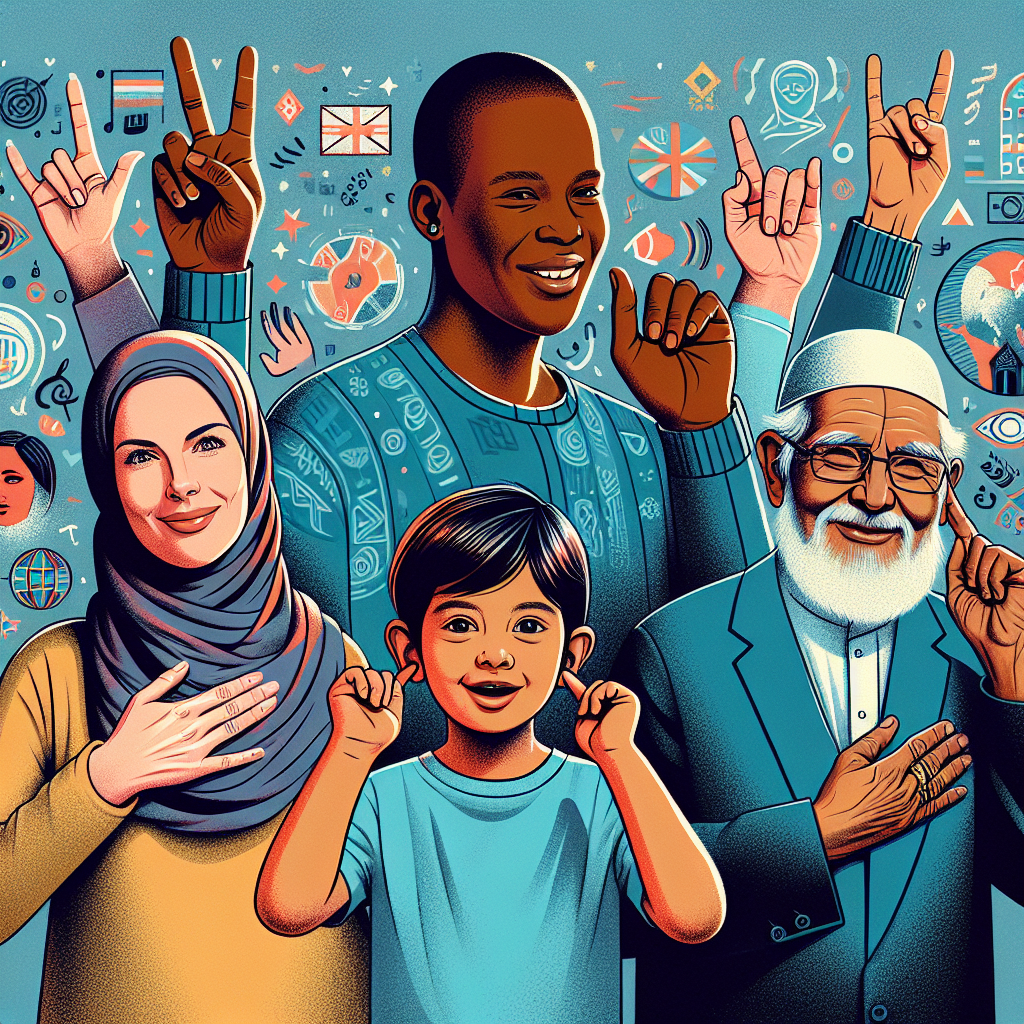
Relationships and social dynamics are key components of forming and reinforcing identity. For many Deaf individuals, the community serves as a cornerstone for social lives, providing a space of shared experiences and mutual understanding.
- Family Support: Families of Deaf individuals often undergo a transformative journey when embracing Deaf culture. This growth fosters inclusive and supportive environments.
- Technology and Connectivity: Social media platforms and video communication tools have opened new doors for Deaf individuals to engage globally, explore diverse Deaf cultures, and form relationships.
However, navigating relationships across cultural divides can pose challenges. Miscommunication, lack of accessibility, and differing perceptions underscore the need for promoting cultural competence in both hearing and Deaf communities.
Technology and the Evolution of Deaf Culture
Advancements in technology have significantly influenced Deaf culture and identity:
- Auditory Technologies: Devices such as hearing aids and cochlear implants enhance communication with the hearing world but raise questions about cultural preservation.
- Digital Tools: Video relay services, captioned content, and real-time text chats have enriched communication within the Deaf community, promoting engagement and inclusivity.
Community leaders emphasize safeguarding native sign languages and traditional narratives, ensuring Deaf culture thrives alongside technological advancements.
Advocacy and Empowerment in Deaf Identity
At the heart of Deaf identity lies a resilient advocacy movement dedicated to empowerment and equity. Organizations like the National Association of the Deaf (NAD) champion rights, accessibility, and representation across all domains.
- Self-Advocacy: Empowering individuals to articulate their needs and challenge societal norms is crucial for personal and professional growth.
- Community Initiatives: Grassroots organizing and political engagement aim to dismantle stigmas and foster inclusive environments.
Conclusion: Embracing Individual and Collective Identity
Exploring Deaf identity reveals a rich narrative that spans personal, educational, technological, and cultural domains. At its core, Deaf identity is not static but an evolving articulation of individual experiences within a community context.
Recognizing the Deaf community’s contributions to cultural richness is essential. By fostering respectful, informed dialogue and nurturing environments that celebrate diverse communication and cultural expressions, we pave the way for a future where Deaf identity is embraced as a celebrated facet of global diversity—a testament to thriving beyond conventional perceptions of ability and disability.