
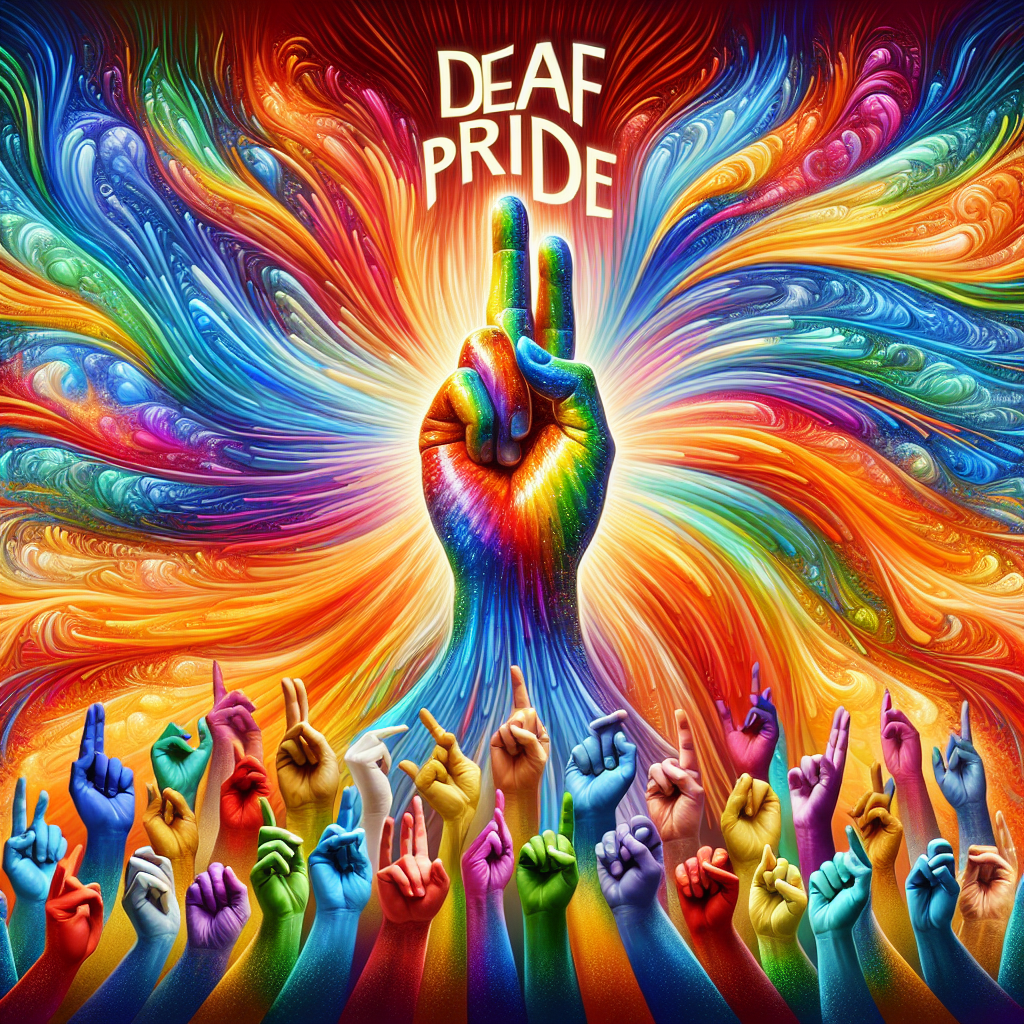
Deaf Pride Explosion is a remarkable movement that celebrates the unique identities and culture within the Deaf community. As society continues to embrace diversity and inclusivity, it becomes crucial to highlight and understand the vibrant spectrum of Deaf identities. This movement is not just about raising awareness; it’s about the recognition, celebration, and empowerment of deaf individuals who have long fought for visibility and rights.
Throughout history, Deaf people have had to navigate a world predominantly designed for the hearing. Despite these challenges, they have created their own rich culture, language, and identity that deserve to be recognized and celebrated. The intersectionality of being Deaf and proud involves a complex and beautiful blend of experiences, backgrounds, and stories that are as diverse as the people themselves.
This article aims to delve into the many facets of Deaf pride and inclusivity. It examines the unique cultural narratives, educational challenges, victories, and the ongoing efforts to foster a more inclusive society for Deaf individuals. By exploring these topics, we can better understand the importance of Deaf pride movements and the impact they have on the larger narrative of inclusivity and diversity.
We will start by exploring the foundations of Deaf culture and how it shapes the identity and community of Deaf individuals. From there, we’ll look into the significant strides in Deaf education and the exciting new initiatives that aim to make education more accessible and inclusive. Finally, we’ll celebrate Deaf pride festivals, influential figures, and the progressive steps being taken to ensure that Deaf voices are heard and valued in every aspect of life.
The Foundation of Deaf Culture
Deaf culture is a cornerstone of the Deaf pride movement. It is a rich tapestry of history, language, social values, and traditions that have been passed down through generations. Central to Deaf culture is American Sign Language (ASL) or the respective sign languages of various countries. These languages are not merely tools for communication but are intrinsic to the cultural identity and pride of Deaf individuals.
The sense of community within the Deaf culture is strong, grounded in shared experiences and mutual support. Deaf clubs, societies, and events play a crucial role in fostering this community spirit. Whether through storytelling, theater, sports, or social gatherings, these spaces enable Deaf individuals to connect, share, and amplify their collective voice.
Historical figures like Laurent Clerc and Thomas Hopkins Gallaudet have left an indelible mark on Deaf culture. Their contributions to Deaf education and the establishment of institutions like Gallaudet University have provided a solid foundation for the advancement and acknowledgment of Deaf culture. Today, Gallaudet University remains a beacon of higher education and cultural preservation for the Deaf community.
However, Deaf culture extends beyond historical legacies. Contemporary Deaf artists, filmmakers, and activists are continually pushing the boundaries, ensuring that Deaf culture evolves and remains relevant in today’s constantly changing social landscape. By celebrating and nurturing their cultural heritage, Deaf individuals continue to strengthen their community and identity, making Deaf culture an integral part of the broader narrative of diversity and inclusion.
Advancements in Deaf Education
Education has always been a pivotal aspect of the Deaf community’s fight for inclusion and self-determination. In recent years, significant advancements have been made to ensure that Deaf students receive an education that is both accessible and equitable. From early childhood programs to higher education, there is a growing emphasis on creating learning environments that cater specifically to the needs of Deaf students.
Early intervention programs play a crucial role in providing Deaf children with the support they need to develop language skills from a young age. These programs often include bilingual-bicultural (Bi-Bi) education models that emphasize both ASL and English literacy, allowing students to thrive both within Deaf culture and in the hearing world.
Mainstream schools are also becoming more inclusive, with many adopting curriculum modifications and employing sign language interpreters to ensure Deaf students have equal access to education. The use of assistive technologies, such as captioning services and cochlear implants, has further expanded the educational opportunities available to Deaf students.
Higher education institutions like Gallaudet University and the National Technical Institute for the Deaf (NTID) continue to offer specialized programs and degrees tailored to the Deaf community. These institutions not only provide an academic education but also immerse students in Deaf culture, enabling them to develop a strong sense of identity and community.
Deaf Pride Celebrations and Events
Celebrations of Deaf pride are a powerful form of activism and community building. Events such as Deaf Pride parades, festivals, and cultural exhibitions showcase the achievements, talents, and vibrant culture of the Deaf community. These events serve as a platform for Deaf individuals to express their identities openly and proudly.
One of the most well-known events is Deaf Awareness Week, an annual celebration that raises awareness about Deaf culture and encourages the hearing world to engage with and understand the Deaf community. This week-long event includes a variety of activities such as workshops, panel discussions, artistic performances, and more.
Deaf festivals around the world, like the Bay Area Deaf Arts Festival and the Deaffest in the UK, highlight the artistic contributions of Deaf individuals across multiple disciplines, including visual arts, theater, music, and film. These festivals not only entertain but also educate the public about the rich cultural heritage of the Deaf community.
Additionally, international events such as the World Federation of the Deaf Congress bring together Deaf individuals from different countries to discuss global issues, share experiences, and promote the rights of Deaf people worldwide. These events are a testament to the unity and solidarity within the Deaf community and their collective efforts to foster a more inclusive world.
Influential Deaf Figures and Role Models
Within the Deaf community, numerous individuals have emerged as influential figures and role models. Their achievements serve as a source of inspiration and empowerment, demonstrating that Deaf people can excel in any field and contribute significantly to society.
One such figure is Marlee Matlin, an Oscar-winning actress who has broken barriers in the entertainment industry. Her advocacy for the Deaf community and her work in promoting sign language have raised significant awareness about the capabilities and rights of Deaf individuals.
Another notable figure is Nyle DiMarco, a Deaf model, actor, and activist who has used his platform to advocate for Deaf education and language accessibility. His participation in and victory on popular television shows like “America’s Next Top Model” and “Dancing with the Stars” have brought Deaf experience to mainstream audiences.
Dr. Glenn Anderson, a pioneering psychologist, and Dr. Carolyn McCaskill, a leading scholar in Black Deaf studies, have made immense contributions to academia and the understanding of intersectional identities within the Deaf community. Their work continues to inspire Deaf individuals to pursue their passions and achieve academic excellence.
Building an Inclusive Society for All
Efforts to build an inclusive society for Deaf individuals must extend beyond cultural celebrations and educational advancements. True inclusivity requires systemic changes in how society functions, ensuring that Deaf people have equal opportunities and rights in all aspects of life.
Legislative efforts, such as the Americans with Disabilities Act (ADA) in the United States, play a crucial role in protecting the rights of Deaf individuals. These laws mandate accessibility in public services, workplaces, and education, fostering a more inclusive environment.
Technology also plays a significant role in promoting inclusivity. Innovations such as video relay services (VRS) allow Deaf individuals to communicate via sign language interpreters over video calls, enhancing accessibility in personal and professional settings. Additionally, advancements in hearing aids and cochlear implants continue to expand the possibilities for Deaf people to engage with the hearing world if they choose to.
Employers and businesses are increasingly recognizing the value of inclusivity, implementing policies and practices that make the workplace more accessible for Deaf employees. This includes providing interpreters, captioning services for meetings, and ensuring that Deaf employees have equal opportunities for advancement and professional development.
Conclusion
Deaf Pride Explosion is more than just a celebration; it is a powerful movement that champions the rights, culture, and identity of Deaf individuals. By exploring and understanding the various facets of Deaf culture, education, and activism, we can appreciate the richness and diversity that the Deaf community brings to our world.
The journey towards true inclusivity is ongoing, and it requires the collective effort of both Deaf and hearing individuals. By fostering understanding, promoting accessibility, and advocating for the rights of Deaf people, we can build a society that truly values and includes everyone, regardless of their hearing ability.
As we continue to celebrate Deaf pride and work towards a more inclusive world, it is essential to listen to and amplify the voices of Deaf individuals. Their stories, experiences, and contributions are invaluable, and they play a crucial role in shaping the future of our diverse and inclusive society.
Let us embrace the spirit of Deaf Pride Explosion and commit to making our world a place where all Deaf individuals can thrive, succeed, and live with pride in their unique identities and culture.