
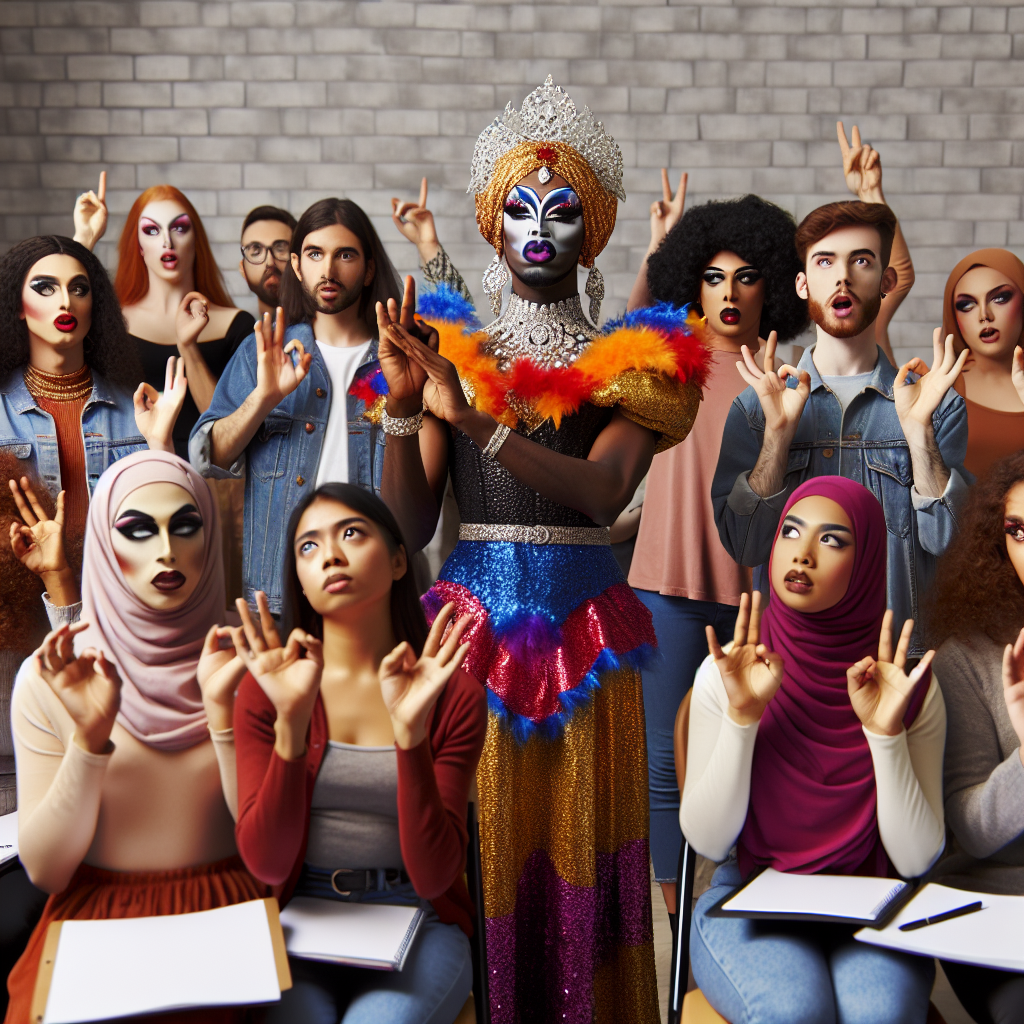
In the realm of performance art, drag has emerged as a vibrant and groundbreaking medium that allows individuals to explore gender expression, creativity, and communal connection. The intersection of drag and Deaf culture, however, remains a relatively untapped avenue brimming with potential for huge, impactful inclusivity. The Deaf Drag Performance Workshop is an innovative initiative that bridges this gap, offering Deaf and hard-of-hearing individuals the opportunity to delve into the art of drag while using American Sign Language (ASL) as a medium for self-expression.
This pioneering workshop aims to not only break down the communication barriers that Deaf performers often face but also to provide an enriching space where participants can thrive creatively. By integrating basic drag techniques and ASL, the workshop fosters an inclusive environment where artistic expression transcends spoken language. Participants can harness the power of body language, facial expressions, and performance aesthetics to convey powerful messages and stories, making it a truly unique platform for self-discovery and societal contributions.
With a focus on cultivating talent, confidence, and self-acceptance, this workshop encapsulates the essence of both drag and Deaf culture. It celebrates diversity, embraces differences, and empowers participants to push boundaries in a world that often overlooks the Deaf community. Whether you’re a seasoned performer or someone who’s always been curious about drag, this workshop promises a transformative experience that celebrates the artistry and resilience of the Deaf community.
Understanding Drag Culture
Drag is more than just performance art; it is a dynamic, multifaceted culture that explores gender fluidity, stereotypes, and artistic self-expression. Originating from the theatre and underground club scenes, drag has evolved into a celebrated form of artistry that impacts fashion, music, politics, and popular culture. The essence of drag lies in its ability to transcend traditional gender roles and create alternative personas, which are often accentuated through elaborate costumes, makeup, and performance styles.
For Deaf performers, drag offers a powerful avenue to challenge societal norms and communicate in a visually expressive manner. The language of drag aligns seamlessly with ASL’s emphasis on facial expressions and body language, enhancing the depth and nuance of performances. Deaf drag artists can use their unique perspectives to bring fresh interpretations to classic drag tropes, thereby enriching the art form with new layers of meaning and representation.
Additionally, drag has always been about community and solidarity. This sense of belonging is vital for the Deaf community, which often faces social isolation and discrimination. By participating in a drag workshop tailored to their needs, Deaf individuals can find a supportive network that appreciates their contributions and talents. The shared experience of discovering and embracing one’s drag persona fosters a sense of camaraderie and collective empowerment that transcends the performance stage.
The Role of ASL in Drag Performance
American Sign Language is not merely a means of communication; it is a rich, complex language that conveys tone, emotion, and context through hand movements, facial expressions, and body language. In the context of drag performances, ASL offers an unparalleled medium for storytelling and artistic expression. Deaf performers can utilize ASL to add layers of meaning and emotional depth to their acts, making their performances resonate on a profound level.
ASL’s visual nature complements the performative aspects of drag, allowing Deaf artists to engage their audience through a combination of vivid expressions and dynamic gestures. The ability to convey intricate emotions and narratives without relying on spoken words breaks down linguistic barriers and makes performances more accessible to a broader audience. In this way, ASL transforms drag into an inclusive art form that speaks to both Deaf and hearing communities.
Incorporating ASL into drag performances also opens up new possibilities for creative experimentation. Performers can play with the visual rhythm of their signs, synchronize their hand movements with music, and use the entire stage as a canvas for their linguistic artistry. By pushing the boundaries of traditional drag and embracing the unique capabilities of ASL, Deaf performers can carve out a distinctive niche within the broader drag community.
Workshop Structure and Curriculum
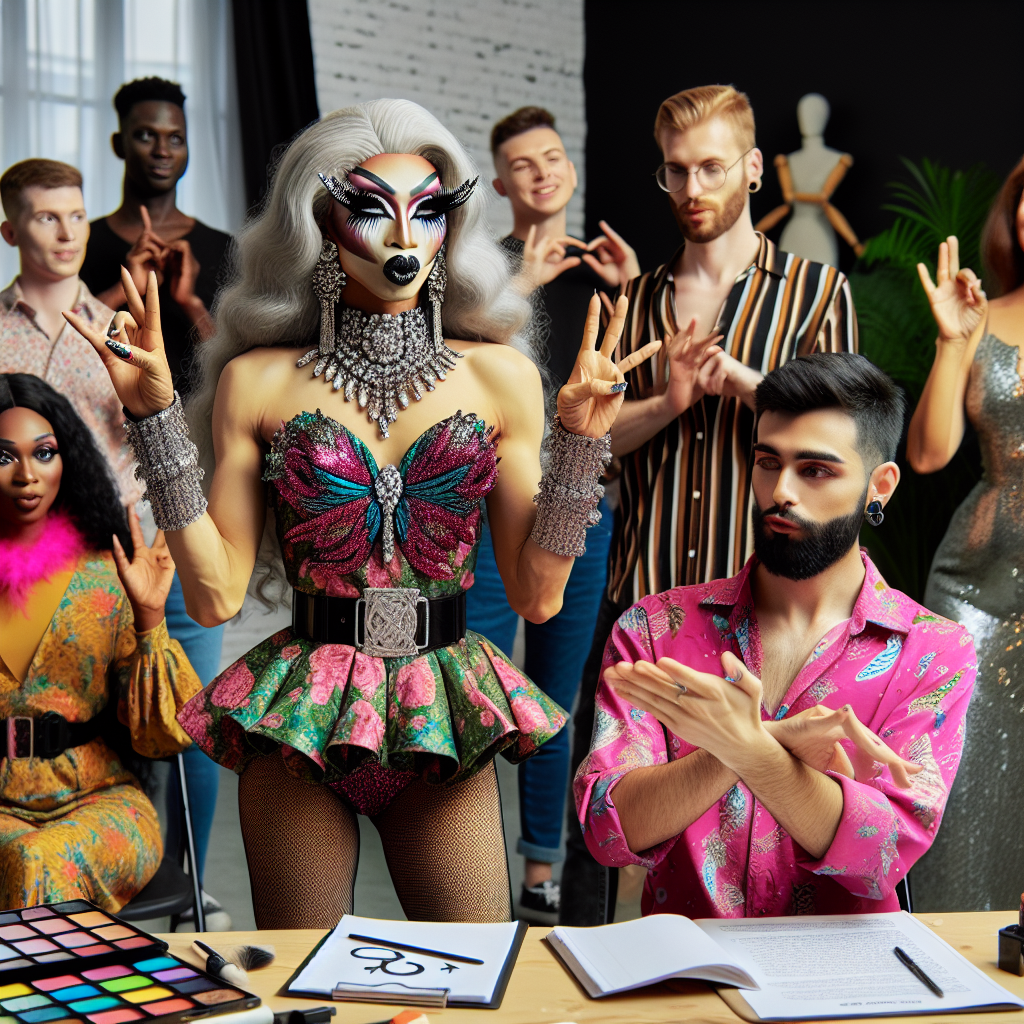
The Deaf Drag Performance Workshop is designed to be an immersive, hands-on experience that covers various aspects of drag artistry. The curriculum is divided into several modules, each focusing on different elements of drag performance and self-expression through ASL. Participants will begin with an introduction to drag culture, exploring its history, significance, and impact on contemporary society. This foundational knowledge sets the stage for a deeper understanding of the art form.
Following this, the workshop delves into practical skills, such as makeup application, costume design, and hair styling. Participants will learn basic techniques for creating distinct drag personas, with guided instruction from experienced drag artists. Each session is tailored to accommodate the unique needs of Deaf individuals, ensuring that all instructions are communicated clearly through ASL.
The workshop also includes performance training, where participants refine their stage presence, lip-syncing abilities, and choreography. Special emphasis is placed on integrating ASL into performances, with exercises designed to enhance the fluidity and expressiveness of their signing. Interactive activities encourage participants to experiment with different styles and personas, fostering a sense of creativity and individuality.
Instructors and Guest Performers
One of the standout features of the Deaf Drag Performance Workshop is the involvement of seasoned drag performers and ASL interpreters who bring a wealth of experience and expertise. These instructors are passionate about fostering an inclusive environment where Deaf participants can thrive. Their combined knowledge of drag culture and ASL ensures that the workshop is both informative and engaging.
Guest performers, including prominent Deaf drag artists, are invited to share their insights and experiences. These special sessions offer participants a rare opportunity to learn from trailblazers in the field and draw inspiration from their journeys. These guest performances serve as powerful testimonies to the possibilities that exist at the intersection of drag and Deaf culture.
Additionally, the instructors provide personalized feedback and mentorship to help participants hone their skills and build confidence. This supportive approach creates a nurturing environment where individuals feel empowered to take creative risks and embrace their authentic selves. The combination of expert guidance and peer support fosters a sense of community that extends beyond the workshop, offering ongoing opportunities for collaboration and growth.
Participant Stories and Feedback
The success of the Deaf Drag Performance Workshop can be best understood through the stories and feedback of its participants. Many individuals who have completed the workshop report significant personal growth, increased self-confidence, and a heightened sense of community. The transformative power of drag, coupled with the expressive capabilities of ASL, allows participants to embark on a journey of self-discovery and empowerment.
One participant, Alex, shared, “Before joining the workshop, I struggled with self-acceptance and felt isolated as a Deaf individual. The workshop not only taught me the art of drag but also helped me embrace my identity and find a supportive community. Using ASL on stage has been a liberating experience that has given me a new way to express myself.”
Another participant, Taylor, echoed similar sentiments: “The instructors were incredibly supportive and knowledgeable. They created a safe space where I could experiment with my drag persona and learn from my peers. The experience has been truly transformative, and I feel more confident in my ability to communicate and connect with others.”
Such testimonials highlight the positive impact of the workshop on participants’ lives, emphasizing the importance of inclusive spaces that cater to the unique needs of the Deaf community. By providing a platform for self-expression and artistic exploration, the workshop helps individuals break free from societal constraints and discover their true potential.
Conclusion
The Deaf Drag Performance Workshop is more than just a training program; it is a celebration of diversity, creativity, and resilience. By merging the vibrant worlds of drag and Deaf culture, the workshop offers a unique and inclusive space where individuals can explore their identities, build confidence, and connect with a supportive community. Through the integration of ASL, participants can convey powerful messages and emotions, transcending linguistic barriers and making drag a truly universal art form.
The workshop’s success is a testament to the importance of inclusive initiatives that recognize and cater to the diverse needs of the Deaf community. By providing access to artistic opportunities and fostering a sense of belonging, the workshop empowers individuals to break down societal barriers and challenge preconceived notions about gender, identity, and disability. It is a pioneering effort that paves the way for greater representation and visibility of Deaf performers in the world of drag and beyond.
As the workshop continues to grow and evolve, it serves as a model for other inclusive programs that aim to bridge gaps and create opportunities for underrepresented communities. The stories and experiences of the participants underscore the transformative power of drag and the importance of self-expression through ASL. By embracing their unique strengths and talents, Deaf individuals can contribute to the richness and diversity of the drag community, making their voices seen and heard in a vibrant, inclusive celebration of artistry.
Whether you are a Deaf individual seeking a new avenue for self-expression or an ally looking to support inclusive initiatives, the Deaf Drag Performance Workshop offers a transformative experience that celebrates the beauty of diversity and the power of artistic exploration. Join us in this groundbreaking journey, and discover the limitless possibilities that await at the intersection of drag and Deaf culture.