
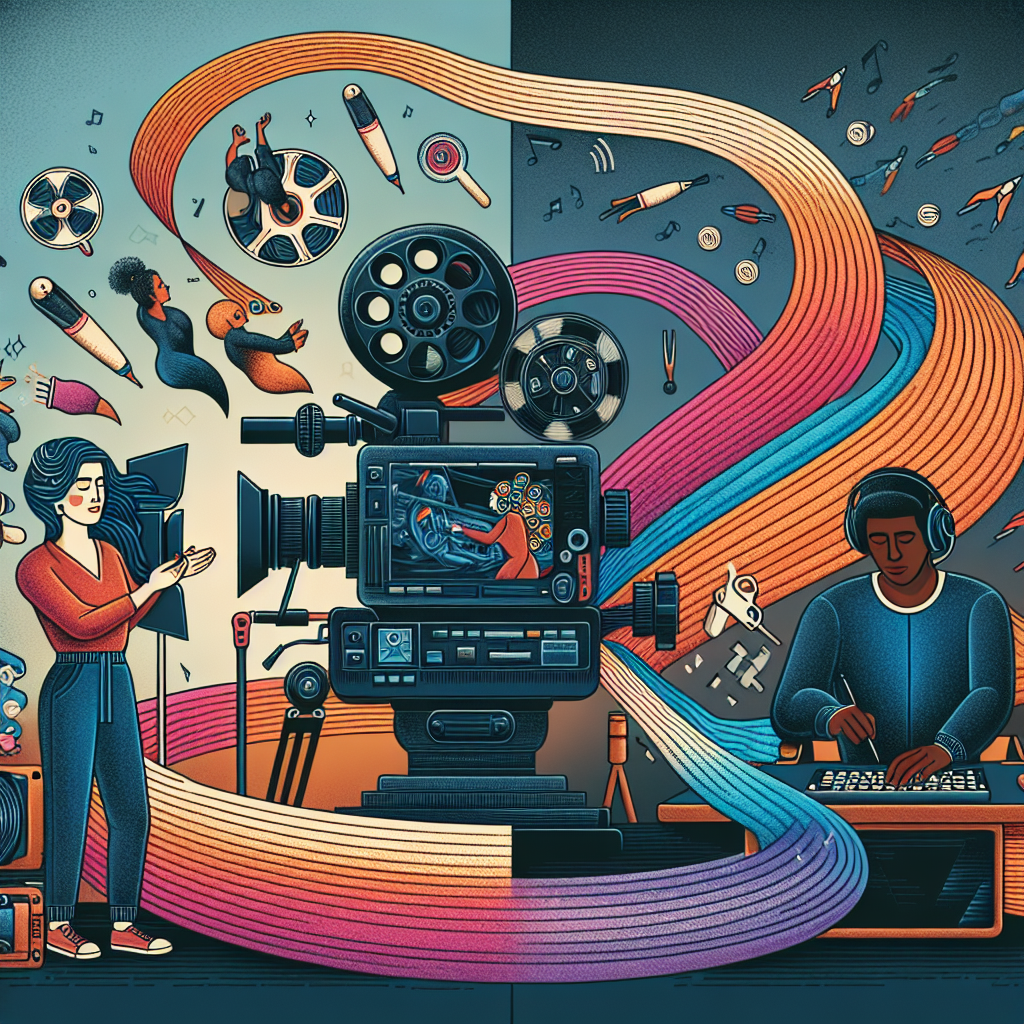
The film industry, a realm historically dominated by voices and sounds, is undergoing a transformative shift. As awareness and understanding of Deaf culture expand, the film medium is becoming an ever-more inclusive space for Deaf creators and audiences. This article delves into the evolving landscape of the film industry, the opportunities arising for Deaf filmmakers, and the growing representation of Deaf characters on screen. From innovative technologies to powerful advocacy movements, let’s explore how the industry is changing in ways we might never have imagined.
Understanding the Historical Context
To appreciate the significance of present-day changes in the film industry, it is crucial to understand the historical context surrounding Deaf representation. Traditionally, Deaf characters were often portrayed using stereotypes or neglected altogether. This misrepresentation not only perpetuated myths and misconceptions about the Deaf community but also limited opportunities for Deaf individuals seeking to work in the industry.
Throughout much of cinematic history, Deaf actors were rarely cast in roles that accurately represented their experiences. Instead, hearing actors were often chosen to play Deaf characters, leading to portrayals that lacked authenticity. Moreover, films featuring Deaf characters seldom told stories from a Deaf perspective, further alienating Deaf audiences. Such practices contributed to a film industry that was less accessible and inclusive for Deaf individuals.
The rise of the independent film movement in the late 20th century began to challenge some of these norms, giving a platform to underrepresented voices, including those from the Deaf community. As Indie Films started gaining recognition, they paved the way for authentic Deaf stories to be told, albeit on a smaller scale than mainstream cinema.
Growing Empowerment and Representation
In recent years, the push for diversity and inclusion across all media sectors has gained momentum, and the film industry is no exception. This shift has been particularly beneficial for Deaf creators, offering them unprecedented opportunities for self-expression. More and more projects are being developed by Deaf filmmakers, showcasing everything from intimate personal narratives to broader explorations of Deaf culture.
One landmark moment for Deaf representation was the release of the film “CODA” in 2021, which won widespread acclaim for its portrayal of a Deaf family. The film features several Deaf actors in leading roles, accurately representing Deaf culture and communication. This success has shown that audiences are not only willing to watch such films but are eager for more authentic and varied stories, challenging the long-standing industry narrative that films centered around Deaf characters lack commercial viability.
Additionally, the impact of Deaf-led advocacy groups cannot be underestimated. Organizations and coalitions within the Deaf community have been instrumental in pushing for better representation, demanding the inclusion of Deaf talents in all stages of filmmaking, from acting to directing to production roles.
Advancements in Technology
The integration of technology has been a game-changer, not only making filmmaking more accessible to Deaf creators but also improving the viewing experience for Deaf audiences. Advances in captioning technology, for instance, have ensured that films can be more easily enjoyed by people with hearing impairments. Furthermore, software that offers real-time captions in multiple languages at film festivals and public screenings has made these events more inclusive.
Virtual reality (VR) and augmented reality (AR) technologies also offer new frontiers for storytelling. These tools enable Deaf creators to explore imaginative narratives that engage both sight and sound, allowing them to reach wider, more diverse audiences. Notably, VR experiences can immerse viewers in Deaf culture in ways traditional media cannot, providing an interactive platform for storytelling that transcends language barriers.
Moreover, the rise of digital platforms and streaming services has democratized content creation, allowing Deaf filmmakers to reach international audiences without the constraints of traditional distribution channels. This shift offers them a level playing field to showcase their talents and stories that resonate globally.

Education and Networking Opportunities
Educational pathways have also expanded for Deaf individuals interested in film careers. More film schools and institutions now offer programs specifically designed for Deaf or hard-of-hearing students. These programs provide not only technical training but also mentorship from industry professionals, bridging the gap to ensure a smoother transition into the professional arena.
Networking opportunities have likewise grown, with a plethora of festivals and online communities dedicated to showcasing films by Deaf creators. Events such as the Deaf Short Film Festival and the biennial International Deaf Film Festival celebrate the diverse storytelling abilities of Deaf filmmakers, providing them not only a platform but also a network of peers who share their experiences and challenges.
These festivals serve as crucial touchpoints for Deaf filmmakers, allowing them to build relationships with others in the industry while gaining exposure to a wider audience. They provide a space for collaboration and innovation, inspiring new projects and partnerships that push the boundaries of what Deaf cinema can achieve.
Challenges and Barriers
Despite significant progress, challenges remain for Deaf creators within the film industry. Financing continues to be a significant barrier, with many Deaf-led projects struggling to secure funding. The tendency for investors to favor projects with established or mainstream appeal often leaves innovative, non-traditional stories sidelined, particularly those exploring niche cultural narratives.
Furthermore, equal opportunities within the industry remain a work in progress. While awareness has improved, there are still instances of tokenism and underrepresentation, with Deaf individuals being hired for junior roles or as advisors rather than decision-making positions. This lack of representation at higher levels hinders the industry’s ability to fully embrace diversity and innovation.
Additionally, societal attitudes still lag behind technological and institutional advances. Misconceptions about the abilities and contributions of Deaf individuals can perpetuate discriminatory hiring practices, and some industry stakeholders remain resistant to the inclusion of Deaf narratives that challenge traditional cinematic norms.
The Road Ahead
The path to full inclusion within the film industry for Deaf creators and narratives is ongoing, but the signs are promising. The increasing visibility of Deaf stories on screen, coupled with a growing appreciation for cultural diversity, suggests positive future developments. Continued advocacy and educational efforts will be critical to ensuring that this momentum leads to lasting changes.
As more deaf individuals enter the field, bringing fresh perspectives and talents, they not only enrich the industry but also inspire the next generation of creators. By telling authentic stories and showcasing diverse experiences, these filmmakers challenge the status quo and redefine what is possible in cinema.
Ultimately, the film industry’s transformation benefits not only Deaf creators but also audiences everywhere who are treated to a richer, more inclusive tapestry of human stories. As filmgoers embrace these narratives, they contribute to a cultural shift that values diversity in all its forms, fostering a more equitable creative future for everyone.