
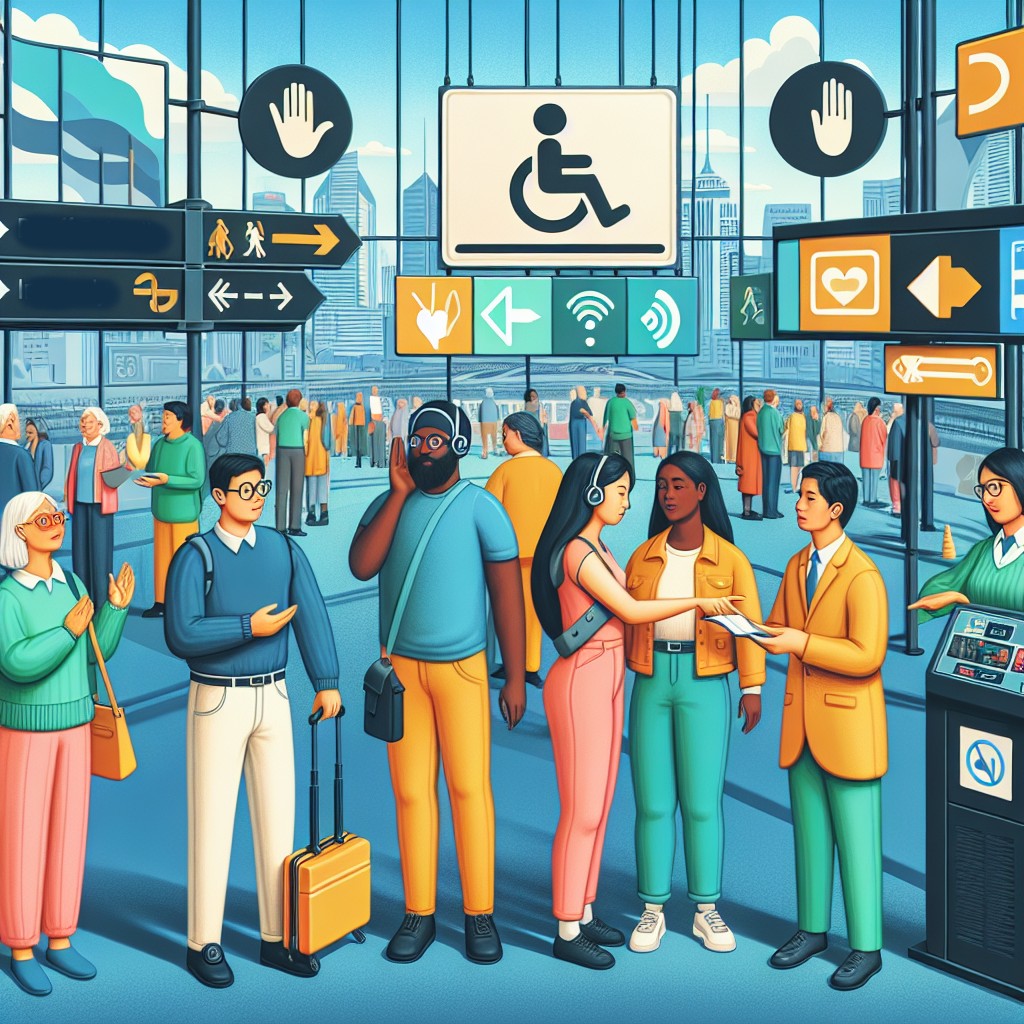
In recent years, there has been a growing recognition of the importance of creating accessible public spaces for people with disabilities, particularly the deaf and hard-of-hearing community. Public spaces, from parks and libraries to government offices and transportation systems, play a crucial role in the cultural, social, and economic life of communities. For members of the deaf community, however, these spaces can present a variety of challenges in terms of communication, navigation, and engagement. While many organizations claim to serve individuals with disabilities, the reality is that public spaces are often designed with a limited understanding of the unique needs of the deaf community. This is where accessibility audits come into play as essential tools designed to make public spaces genuinely deaf-friendly.
An accessibility audit is a formal assessment of a public space or organization to identify barriers to access for people with disabilities. In the context of deaf advocacy, the focus of these audits is to evaluate how communication access, including visual and tactile information, is facilitated in public settings. While physical access is essential for addressing the needs of many other disability groups, access to communication is of primary importance for deaf individuals. From informative signage and captioning on screens to the availability of interpreters or alert systems, these audits examine all facets of communication accessibility.
The current wave of advocacy in accessibility audits seeks to develop comprehensive guidelines and practices that consider the diverse spectrum of communication preferences and needs that exist within the deaf community. This kind of detailed evaluation helps to underserve gaps in accessibility that are not immediately apparent, encouraging institutions to implement changes that make a meaningful difference in the lives of deaf patrons.
Understanding the Needs of the Deaf Community
Before diving deep into the intricacies of accessibility audits, it is crucial to understand the unique needs of the deaf community. “Deaf” is not a one-size-fits-all term. It is essential to recognize that the deaf and hard-of-hearing community is incredibly diverse, encompassing a wide range of auditory and communication experiences. This diversity necessitates that public spaces are not only accessible but also adaptable to various needs.
For many in the deaf community, American Sign Language (ASL) is their primary language. Therefore, the presence of sign language interpreters or VRS (Video Relay Services) at public events is indispensable. However, for other members of the community, assistive listening devices, clear visual signage, and real-time captioning might be the key accommodations they need to fully engage with their surroundings.
An accessibility audit should assess whether public spaces have implemented such communication accommodations. It’s also essential for these spaces to provide necessary training for their staff, ensuring that they understand the significance of these services and the best practices for interacting with deaf individuals. These steps are foundational in creating truly inclusive environments.
Additionally, cultural sensitivity and awareness play significant roles in the perception of accessibility. Public spaces must approach accessibility with a mindset open to the cultural nuances of the deaf community. Awareness campaigns and education can only strengthen this relationship between public spaces and the people they aim to serve.
The Role of Technology in Accessibility
In today’s tech-driven world, technology offers a wealth of solutions that make public spaces more accessible for the deaf community. Innovations designed to bridge communication gaps are continuously emerging, promising significant improvements in how the deaf and hard-of-hearing can interact with their environments.
For example, real-time captioning apps have become indispensable tools, allowing individuals to receive transcribed versions of spoken language directly to their devices. These apps offer a level of independence that helps individuals access information concurrently with spoken dialogue, whether in conferences, classrooms, or town hall meetings.
Furthermore, advancements in video relay services facilitate real-time sign language interpretation, which is hugely beneficial during public interactions or service transactions. These services connect users with sign language interpreters through video calls, enabling seamless communication.
Beyond real-time services, technology also improves accessibility through feature enhancements on electronic devices, such as visual and haptic alerts, ensuring that deaf individuals can respond promptly to warnings or notifications. However, technology is only beneficial if effectively integrated within public spaces. Accessibility audits help determine whether a space is effectively utilizing existing technology and suggest enhancements to build on technology’s transformative potential.
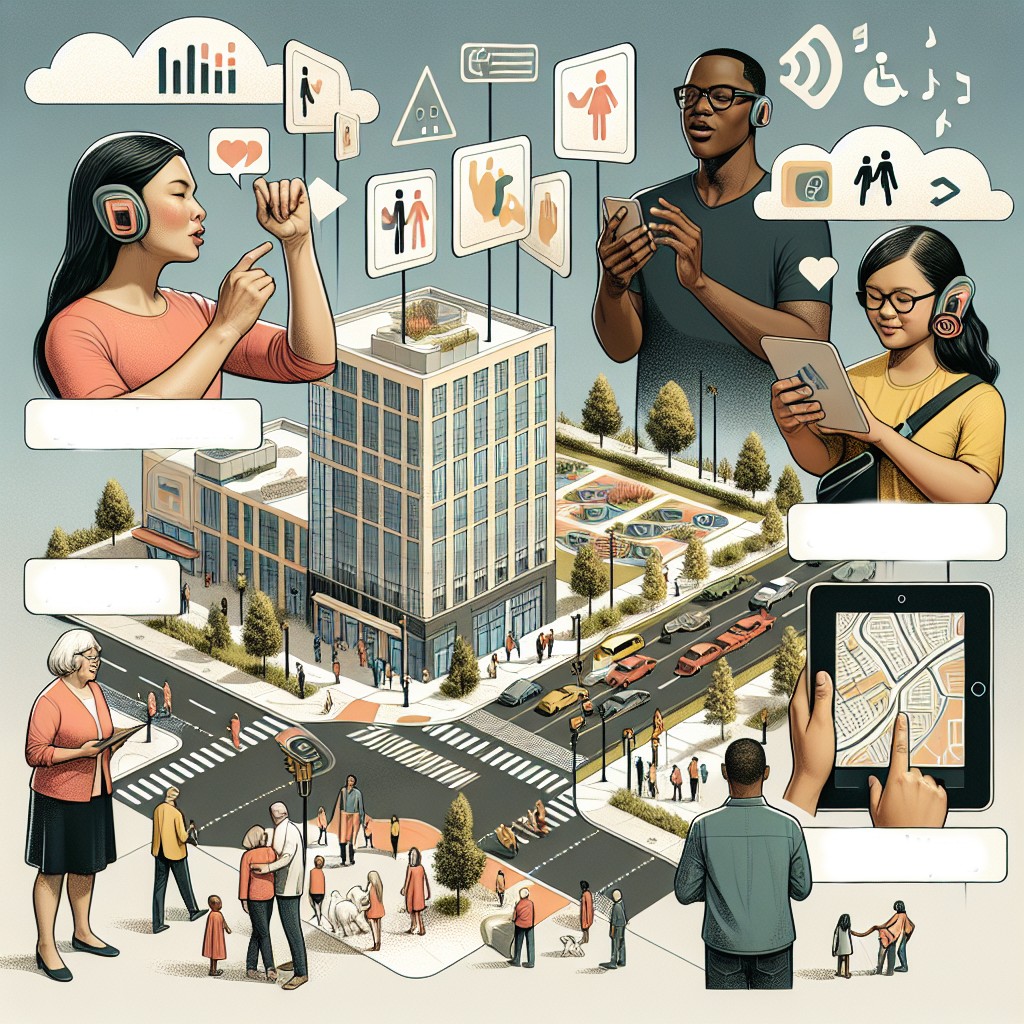
Components of an Effective Accessibility Audit
Conducting an effective accessibility audit involves several steps, each geared towards scrutinizing different aspects of a public space to ensure maximum accessibility for the deaf community.
Firstly, an audit should start with physical inspections and evaluations of environments to look at the basic accessibility components. This includes checking for clear, readable signage and whether information displays include text and visual imagery to facilitate comprehension.
Another focus area is technology audits. This examines the availability and functionality of accessibility tech solutions, such as captioning services, assistive listening devices, and other essential electronic solutions. Ensuring that technology is both available and functioning as intended is central to the success of an accessibility audit.
Policy reviews form another critical audit component. Many public spaces implement numerous policies intended to enhance accessibility, but sometimes policies may not translate into practical, actionable outcomes. By examining current use and implementation, and soliciting feedback from the deaf community, an audit can offer insights into practical policy changes.
Training and awareness reviews also come into play. Staff members at public spaces need to be adequately trained in accessibility protocols and need to possess the cultural sensitivity necessary for proper engagement with the deaf community. An audit can identify training gaps and recommend comprehensive educational programs.
Advocacy and Implementation
Once an accessibility audit identifies potential barriers, the next imperative step is advocacy and implementation. The intersection of these two processes is where true progress begins. Advocacy efforts maximize audits’ findings, ensuring that individual voices from the deaf community lead changes in public space accessibility.
Effective advocacy involves engaging stakeholders from all levels—government officials, community leaders, and members of the deaf community—to discuss, deliberate, and prioritize necessary changes based on audit insights. Engaging these stakeholders creates shared ownership of barriers and solutions alike, increasing the likelihood of sustainable improvements.
Moreover, effective implementation of audit findings requires detailed action plans that outline clear timelines, budgetary requirements, and mechanisms for monitoring progress. Regular and transparent reporting will allow for necessary adjustments, ensuring that these aspirations do not stall at the planning phase.
Resistance to change is inevitable, but advocacy opens dialogue channels and emphasizes the importance of inclusivity. Clear communication and active involvement maintain momentum and establish accessibility as a critical consideration in public planning and development.
Transformative Impact and Future Outlook
Making public spaces truly deaf-friendly has transformative impacts beyond the immediate goal of improved accessibility. It fosters inclusivity and participation, enriching community experiences for everyone. Creating spaces where everyone belongs leads to broader engagement in cultural, political, and social arenas.
Additionally, making spaces deaf-friendly serves as a catalyst for broader changes in societal standards of inclusivity. As communities evolve, these initiatives encourage further dialogues about equity and belonging, challenging outdated conceptions of accessibility and pushing for holistic equality.
The future outlook for accessibility in public spaces is promising, but a continued commitment to understanding, adaptation, and involvement remains crucial. Private, public, and activist sectors must converge to address accessibility as a common priority, drawing from insights gained from audits and expanding them into broader contexts beyond individual endeavors.
Success is driven by consistent, collaborative efforts, constantly innovating and evolving in response to the dynamic technological landscape and societal needs. Dedication to accessibility audits—not just as token gestures but as essential elements of planning—ensures that hearing-impaired individuals can navigate and thrive within fully inclusive spaces.
Conclusion
Increasing awareness and advocating for deaf-friendly public spaces is a multifaceted endeavor requiring collaboration, understanding, and proactive commitment across different spheres of society. Accessibility audits serve as critical tools in evaluating the current state of public spaces and illuminating pathways toward creating environments truly welcoming of the diverse needs present in the deaf and hard-of-hearing communities.
As we move forward, continuous efforts and dedication to implementing audit findings stand as reminders of the importance of inclusivity and empathy. This journey is neither singular nor swift; it is built on cumulative change—bridging the existing gap and laying the foundation for a future that celebrates and honors diversity in all its forms.
Incorporating technology advancements, fostering robust advocacy, and championing effective training are strategies forming the backbone of these efforts. Stakeholders play pivotal roles, echoing a shared commitment to making public spaces accessible and competent in serving everyone, irrespective of their auditory capabilities.
This marks a renewed commitment to equity, paving the way for societal evolution that prioritizes inclusivity, vibrant participation, and genuine engagement, ensuring that public spaces truly reflect the communities they aim to serve and enrich.