
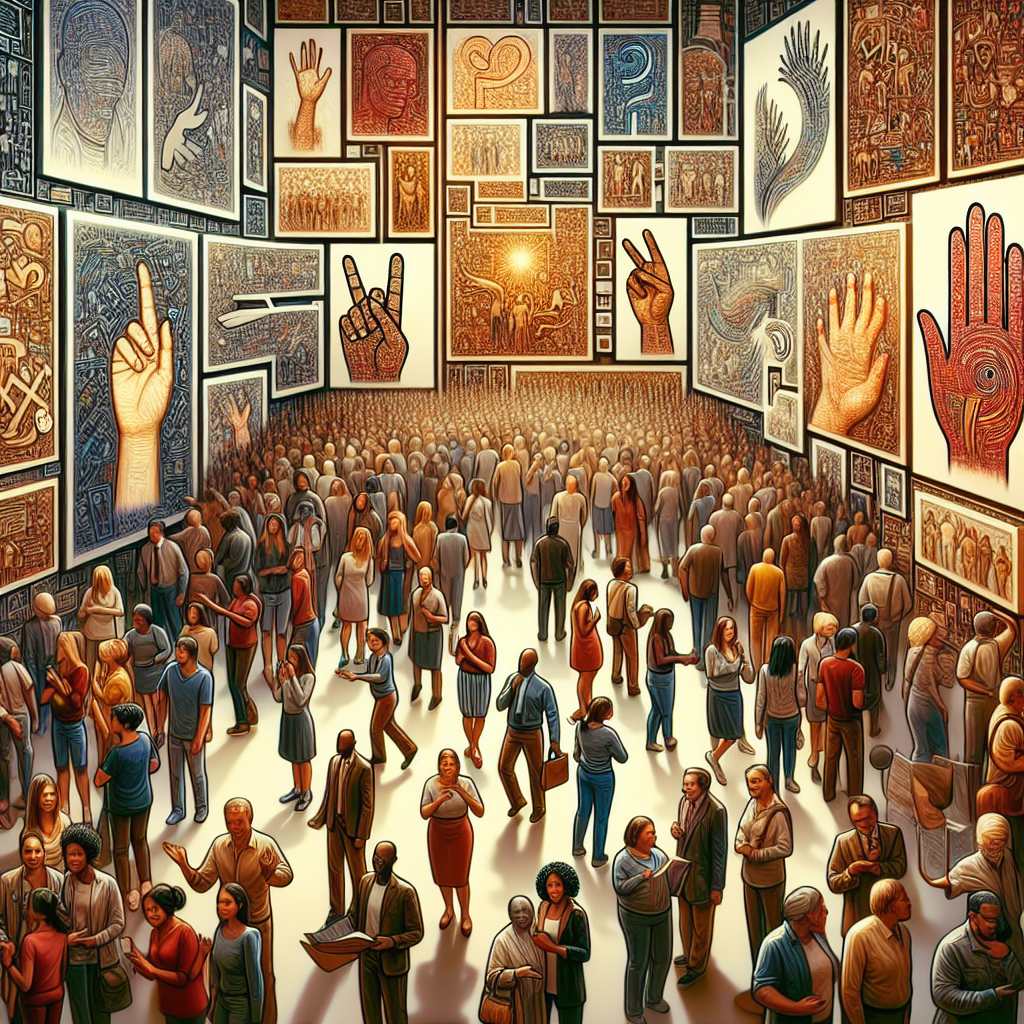
The world of artistic expression is vast, encompassing a myriad of forms from music and dance to painting and sculpture. Yet, there’s a unique and deeply moving intersection between American Sign Language (ASL) and visual art that often goes underexplored. This intersection births a vibrant, expressive medium that not only magnifies the beauty of ASL but also brings to the forefront the rich culture and traditions of the Deaf community. American Sign Language is a complex visual-spatial language that relies on manual gestures, facial expressions, and body movements. In the Deaf community, ASL is much more than a means of communication—it’s an essential part of their cultural identity. Similarly, visual art serves not just as a medium for artistic expression, but also as a powerful tool for conveying stories, emotions, and experiences unique to the Deaf world. The bond between ASL and visual art is powerful: it transcends auditory limitations and opens up new avenues for storytelling and artistic creation. For centuries, Deaf artists have used various visual techniques to captivate audiences, some of which include elements of sign language or depict experiences directly influenced by their Deaf identity. From painting and sculpture to performance art and digital media, the fusion of ASL and visual art serves as a testament to the boundless creativity and resilience of the Deaf community.
The History and Evolution of Deaf Art
To truly appreciate the relationship between American Sign Language and visual art, it is essential to delve into the history and evolution of Deaf art. This journey begins centuries ago when the Deaf community began to establish their identity despite societal limitations. Art emerged as an expressive outlet that provided a new voice for those who were often marginalized. Historically, Deaf art was characterized by the use of traditional mediums such as painting and sculpture to convey themes related to Deaf culture and experiences. Early works often showcased moments from Deaf history or depicted the daily life and struggles of Deaf individuals. One notable example is the 19th-century painter John Brewster Jr., an influential figure in Early American art who was Deaf and whose portraits revealed a unique sensitivity to human emotion and connection. The 20th century saw an evolution in Deaf art, heavily influenced by the civil rights movements and the push for better educational opportunities for Deaf individuals. This era gave rise to the De’VIA movement (Deaf View/Image Art), an aesthetic defined by Deaf artists whose works express Deaf experience through various elements indicative of Deaf culture. Artists like Betty G. Miller and Chuck Baird were central figures in this movement, producing powerful works that incorporated ASL symbolism and visually depicted the Deaf experience. As technology advanced, so did the mediums through which Deaf artists could express themselves. Photography, digital art, and video became integral components, allowing for more dynamic representations of ASL and visual storytelling. Today, Deaf art continues to evolve, embracing new technologies and platforms to reach broader audiences and spotlight the beauty and depth of Deaf culture.
ASL-Inspired Visual Art
The incorporation of American Sign Language into visual art creates a compelling and emotive form of artistic expression. Artists leverage the movement, structure, and fluidity of ASL to inspire their creations, often translating signs into visual compositions that capture the essence of communication beyond words. One significant aspect of ASL-inspired visual art is its ability to showcase the intricacies and beauty of the language itself. The gestures and formations within ASL lend themselves perfectly to dynamic visuals that capture both motion and emotion. Artists like Nancy Rourke and Christine Sun Kim have famously utilized elements of ASL in their work to explore concepts such as identity, activism, and accessibility. Nancy Rourke, a renowned artist within the Deaf community, is known for her vibrant and thought-provoking paintings that often incorporate ASL symbols and references. Her works depict the narrative of Deaf culture and advocacy, using bold colors and abstract forms to evoke a sense of movement and communication inherent in ASL. Christine Sun Kim, on the other hand, approaches ASL from a multimedia perspective, using performance, sound installations, and drawings to examine the properties of sound and silence. Her work interrogates societal perceptions of Deafness and the visual aesthetics of sign language, pushing the boundaries of how visual art can convey auditory concepts. These artists exemplify how ASL-inspired visual art not only celebrates the language but also becomes a platform for dialogue around the complexities of Deaf culture, identity, and experience.
Performance Art and ASL
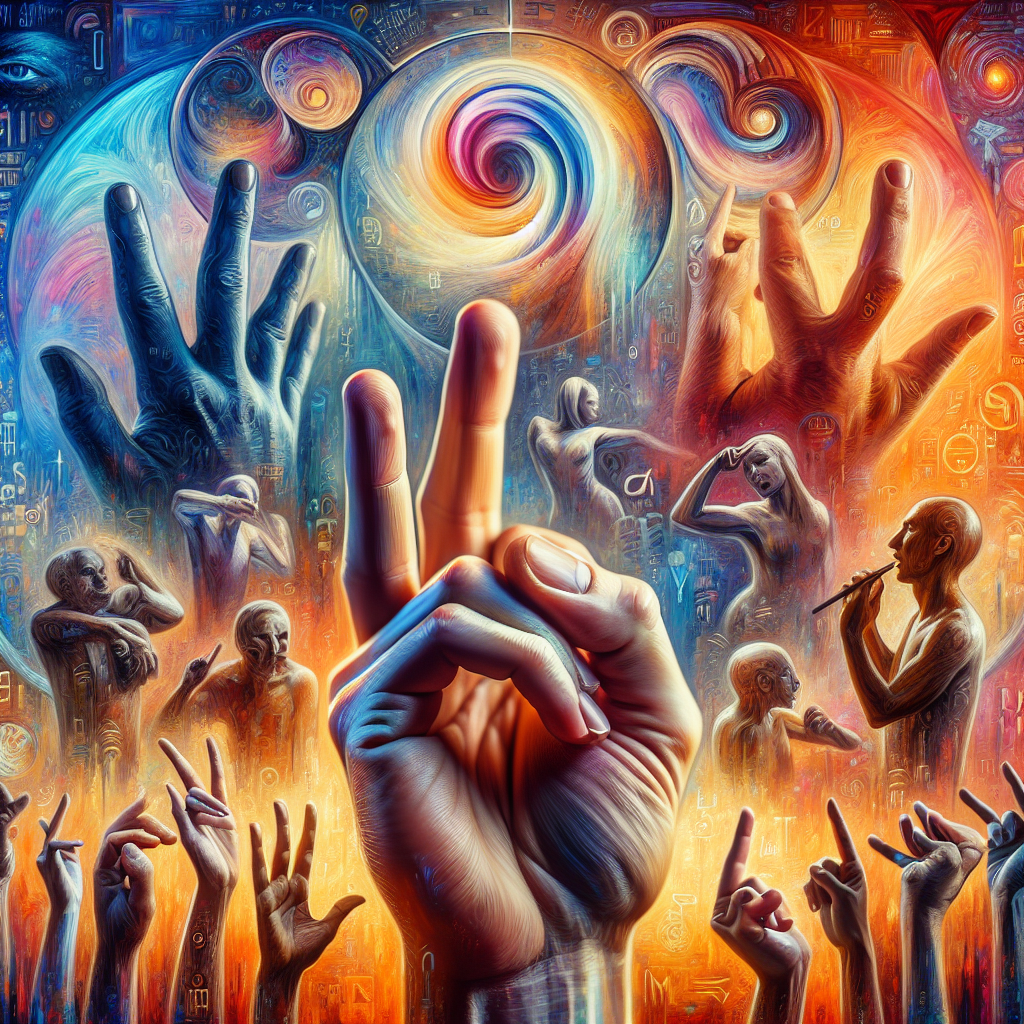
Performance art, an ephemeral and powerful form of artistic expression, finds a unique relationship with ASL. Sign language itself is inherently performative, making it a natural fit for this dynamic medium of art. Through performance, the nuances and rhythms of ASL come to life in ways that static art forms cannot capture. Deaf performers use ASL to communicate emotions, stories, and experiences in ways that engage both Deaf and hearing audiences. Performance art acts as an inclusive and interactive arena where the beauty of sign language is fully realized. One key example is the performance work of Deaf artist and performer CJ Jones, who has captivated audiences with his animated and expressive storytelling through ASL. Beyond individual performances, theater companies such as Deaf West Theatre use ASL to create productions that merge spoken language with sign language. These performances offer a bilingual experience, enriching the narrative through the simultaneous use of ASL and spoken English. Notably, productions like the Broadway revival of “Spring Awakening” by Deaf West Theatre showcased the seamless integration of ASL into mainstream theater, gaining critical acclaim and introducing wider audiences to the elegance and expressiveness of sign language. Furthermore, performance art provides an avenue for activism within the Deaf community. Performances often address issues such as accessibility, representation, and equity, using the stage as a platform to challenge societal norms and advocate for change. Whether through solo acts or collaborative productions, performance art and ASL together offer a potent means of expression that transcends language barriers and invokes deeper understanding and empathy.
Digital Media and ASL
In the digital age, the synergy between ASL and visual art has found new and innovative outlets. Digital media encompasses a variety of formats including video, animation, and virtual reality, each offering unique ways to explore and elevate the artistic expression of ASL. Social media platforms have become powerful tools for Deaf artists to share their work and connect with a global audience. Platforms like Instagram, TikTok, and YouTube host a plethora of content where ASL is creatively featured. Deaf influencers and creators use these platforms to blend humor, activism, and education, reaching millions and raising awareness about Deaf culture in an accessible format. Video art, in particular, has emerged as a prominent medium for ASL exploration. Short films and digital animations can capture the movement and fluidity of sign language in ways that static images cannot. Projects like the “Sign Writing” by Deaf visual artist Ann Silver use digital animations to depict the manual alphabet and signs in captivating and educational ways, opening up ASL to non-signers and promoting inclusivity. Virtual reality (VR) is another frontier where Deaf artists are experimenting with ASL as an immersive experience. VR allows users to engage with ASL in a three-dimensional space, creating interactive environments where they can practice signs and experience storytelling in a deeply sensory manner. This technological innovation holds significant potential for both artistic expression and educational purposes, providing an engaging platform for both Deaf and hearing individuals to explore the beauty and depth of ASL. Through digital media, Deaf artists continue to push the boundaries of how ASL can be showcased and shared, leveraging technology to bridge gaps in communication and foster a more inclusive understanding of Deaf culture.
Educational Initiatives and ASL in Art
A crucial aspect of integrating ASL and visual arts is the role of education in fostering understanding and appreciation of Deaf culture. Educational initiatives aimed at both Deaf and hearing communities play a vital role in promoting inclusivity and artistic exploration. Many educational programs and workshops focus on teaching ASL through art. These initiatives often target young students, where art-based learning provides an engaging and effective method to teach sign language. Programs like “Hands & Voices” encourage artistic expression as a means to learn ASL, combining creativity with language acquisition in a hands-on environment. Art institutions and museums have also embraced ASL as part of their educational outreach. Exhibitions showcasing Deaf artists often include ASL interpretation and interactive elements designed to engage Deaf visitors. Notably, the Smithsonian Institution has hosted exhibitions and programs celebrating Deaf culture and art, providing platforms for Deaf artists and educating the public about the intersection of ASL and visual art. Moreover, higher education institutions offer specialized courses and degrees focusing on Deaf studies and ASL, often integrating visual art as part of the curriculum. Students are encouraged to explore the ways in which ASL can inform and inspire their artistic practices, leading to a deeper understanding of the relationship between language and art. These educational initiatives are essential in creating a more inclusive artistic landscape. By promoting the learning and appreciation of ASL through visual art, these programs foster cross-cultural understanding, enhance accessibility, and celebrate the rich heritage of the Deaf community.
Conclusion
The unique relationship between American Sign Language and visual art is a testament to the creativity, resilience, and cultural richness of the Deaf community. ASL, with its intricate gestures and profound expressive capabilities, seamlessly integrates into various forms of visual and performance art, creating a vibrant and dynamic blend that communicates in ways beyond spoken words. From its historical roots to its modern-day expressions, ASL-inspired art continues to evolve, embracing new technologies and platforms to reach broader audiences. Whether through the vibrant paintings of Nancy Rourke, the multimedia explorations of Christine Sun Kim, or the immersive experiences of digital media, Deaf artists use their craft to elevate and celebrate their language and culture. Educational initiatives further enhance this intersection by providing platforms for learning and appreciation, ensuring that both Deaf and hearing communities can engage with and understand the significance of ASL in the arts. These programs foster inclusivity, promote accessibility, and underscore the importance of cross-cultural understanding. As we continue to explore and celebrate ASL and visual art, it is imperative to acknowledge and support the voices and talents within the Deaf community. By doing so, we enrich the artistic landscape and ensure that the beauty and depth of Deaf culture are recognized and celebrated widely. The fusion of ASL and visual art not only offers unique artistic expressions but also serves as a powerful reminder of the diversity and resilience that characterize the human experience.