
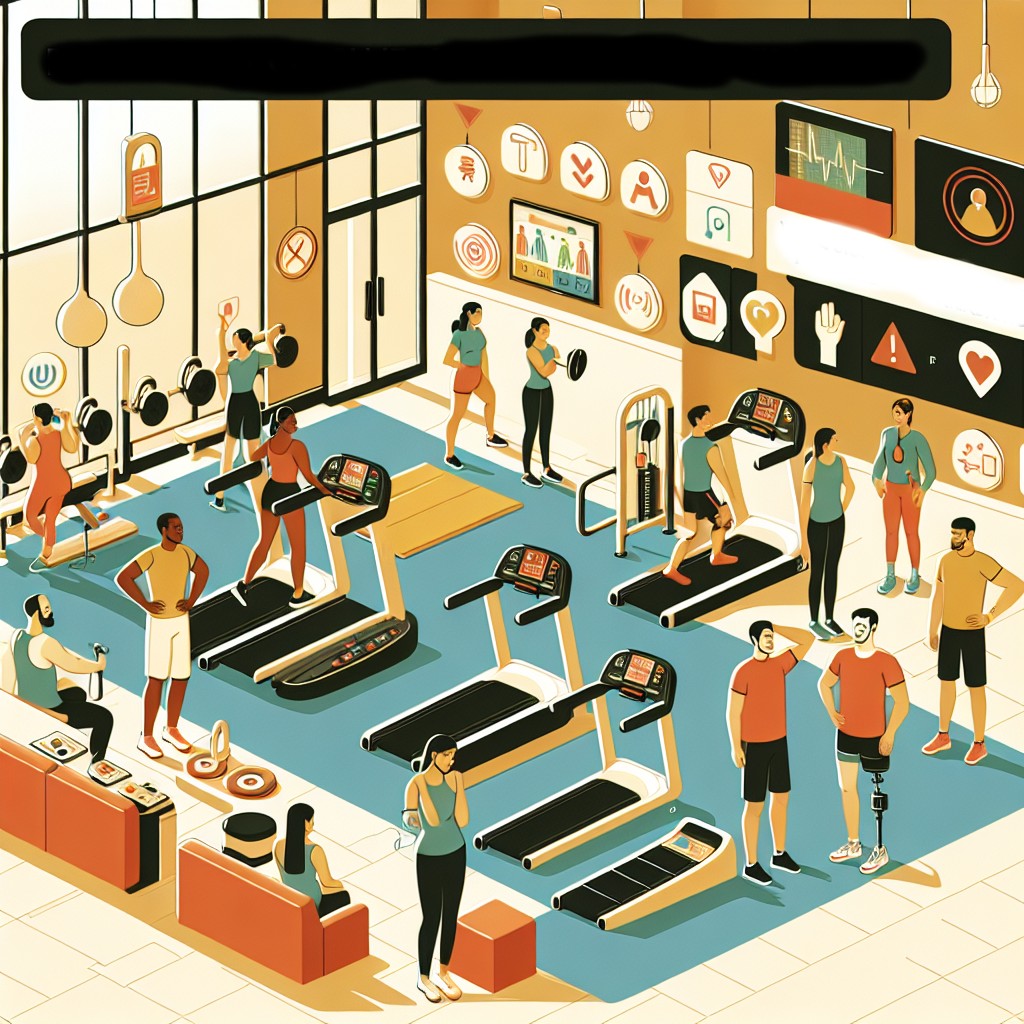
The term “Deaf-friendly” might not be frequently associated with the concept of a fitness center, yet the importance of accessible fitness facilities is undeniable. Deaf and hard of hearing individuals, just like anyone else, deserve equal opportunities to enjoy the range of health benefits associated with regular exercise. Not only does physical fitness enhance physical health, but it also significantly contributes to mental well-being. Unfortunately, the lack of accessible facilities presents continuous challenges. The fitness industry is increasingly becoming aware of this gap, seeking ways to make gyms more inclusive. Understanding the nuances of ensuring accessibility and inclusion for the Deaf community involves more than just focusing on physical constructs; it’s about creating an environment that fosters communication, understanding, and respect for Deaf culture.
Physical activity should be an inclusive experience, but when gyms are not designed with accessibility in mind, they can inadvertently exclude members of the Deaf community. Creating a Deaf-friendly environment involves improvements in several areas — communication strategies, accessible technology, staff training, and community-building efforts. As society evolves to place greater emphasis on diversity and inclusion, it is crucial to continue this momentum within the fitness industry, ensuring that all individuals, regardless of their hearing abilities, can enjoy safe and welcoming fitness environments.
Understanding the Needs of Deaf Gym-Goers
To create Deaf-friendly gyms, we first need to understand the unique needs and experiences of Deaf gym-goers. For many within the Deaf community, communication barriers represent the most significant challenge when accessing fitness facilities. Simple interactions that hearing individuals may take for granted, such as receiving workout instructions, asking for assistance, or even participating in group exercises, require additional considerations. Employees in gyms often lack basic training in American Sign Language (ASL) or other forms of visual communication. This means that without effective alternative communication methods, the Deaf community remains isolated within the gym environment.
The solution to overcoming these barriers lies in integrating multiple strategies to facilitate effective communication. This can include everything from ensuring clear visual signage to utilizing technology like message boards or apps that translate spoken instructions into text. Importantly, fostering an inclusive space requires an appreciation of Deaf culture, which can differ significantly from hearing cultures, in terms of values, language, and social norms. By aligning with these considerations, gyms can create a welcoming and inclusive atmosphere that encourages all members to participate and feel valued.
Technological Innovations Aiding Accessibility
In today’s digital age, technology plays a pivotal role in enhancing accessibility in various sectors, including fitness. For Deaf individuals, technological innovations can be a game-changer in making gyms more navigable and engaging. For instance, the advent of virtual personal training sessions where instructions can be delivered in sign language via video is one such innovation. Video demonstrations are increasingly replacing purely verbal instructions, which is beneficial for Deaf users as they rely more heavily on visual cues.
Moreover, smartphone applications designed for the Deaf community can enhance gym accessibility. Apps may offer features like real-time speech-to-text translation or alert systems for communicating with staff without requiring extensive verbal communication. Some gyms have also started incorporating advanced tech-driven equipment that provides visual feedback, helping Deaf members to track their workouts and settings independently. These technologies, when implemented thoughtfully, can significantly enhance the gym experience, allowing Deaf individuals to engage fully with their fitness routines without unnecessary hindrance.
Staff Training and Awareness
The effectiveness of creating Deaf-friendly gyms heavily relies on the understanding and empathy of the staff. It is essential that gym personnel are trained not only in basic ASL communication but are also educated about the overall needs of the Deaf community. Training programs should cover fundamental ASL phrases relevant to gym settings, as well as information about Deaf culture and best practices for inclusive interaction. This helps in breaking communication barriers and reducing the discomfort that Deaf members might experience.
Beyond technical skills, fostering a truly inclusive fitness environment means promoting an ethos of sensitivity and respect. By adopting a policy of inclusivity and making sure that it is embedded in their staff training, gyms send a clear message that all clients, regardless of disability, are welcome and valued. Regular refresher courses and workshops can help maintain awareness and improve communication between the staff and Deaf members, ensuring everyone feels confident and competent in their interactions.
Community Building and Inclusivity
Creating a Deaf-friendly environment inherently ties into broader goals of building a supportive and inclusive community within fitness spaces. This involves more than just accommodating individual needs; it requires cultivating a vibe that encourages communal participation and support. Initiatives like organizing Deaf-friendly group classes where interpreters are available or connecting Deaf gym-goers with each other to foster peer support can be significantly beneficial.
Moreover, gyms can partner with local Deaf organizations to provide community outreach opportunities, workshops, or events that may interest Deaf members. This not only aids in raising awareness about Deaf culture within the fitness community but also amplifies the message that fitness is for everyone. Building strong alliances and creating an atmosphere where Deaf members feel both understood and celebrated encourage long-term engagement and meaningful participation in health and fitness activities.
Commitment to Continuous Improvement
Adopting Deaf-friendly practices is not a one-time effort but requires an ongoing commitment to improvement and adaptation. Gym owners and managers should establish mechanisms to receive and act upon feedback from Deaf members and continually assess the efficacy of their accessibility measures. Regular audits and evaluations can help identify areas of improvement and ensure that measures are keeping pace with technological and social developments.
Future enhancements might include getting direct inputs from the Deaf community to shape policies and the physical environment of gyms. Integrating advice from Deaf consultants or advocates can provide invaluable insights into the specific needs and preferences of the community. This guidance can help gyms evolve beyond the basic requirements and pioneer new standards of accessibility in the fitness industry. By committing to this path of continuous enhancement, gyms can serve as models of inclusivity for other businesses and community spaces.
Conclusion
Accessibility in fitness is an integral part of promoting overall health and well-being, especially for the Deaf and hard of hearing communities. Creating Deaf-friendly gyms is not just about modifying physical spaces or adding technological gizmos; it’s about fostering an inclusive environment characterised by acknowledgment and respect for diversity. From equipping staff with the necessary skills to communicate effectively, to leveraging technology to bridge communication gaps, the steps toward an inclusive gym experience are manifold and varied. Additionally, building a supportive community and engaging in continuous improvement underscores the long-term commitment required to keep pace with evolving societal needs.
Ultimately, Deaf-friendly gyms present not only an opportunity to advocate for better accessibility, but also a chance to champion equality and inclusion across the fitness industry. By ensuring that Deaf individuals feel welcome, understood and supported, gyms do more than just offer a workout space; they provide a sanctuary for personal growth, health, and community connection. In doing so, they can profoundly enrich the lives of their Deaf members while setting a vital precedent for inclusivity in spaces across communities worldwide.