
Miracle-Ear hearing aids are a widely recognized option for people who want professional hearing care, modern device technology, and ongoing in-person support in one package. The term “hearing aid” refers to a medical-grade device that amplifies and processes sound to improve speech understanding and daily communication for people with hearing loss. Miracle-Ear is not a single hearing aid model; it is a hearing care brand and retail network that offers multiple styles, feature levels, fittings, follow-up care, and hearing evaluations through local centers. That distinction matters because many shoppers search for one product when they are really choosing among several device families, service plans, and provider relationships.
In practice, that service component often affects satisfaction as much as the hardware itself. I have seen people do well with mid-tier instruments when programming, counseling, and follow-up were excellent, and I have seen premium devices disappoint when expectations were unclear or adjustments were rushed. Hearing aids are not like reading glasses. A successful fitting requires a hearing test, lifestyle assessment, earmold or dome selection, verification, acclimatization, and repeated fine-tuning. Miracle-Ear’s value proposition is built around that guided process, which is why it remains relevant even as over-the-counter hearing devices and direct-to-consumer electronics become more visible.
This hub article explains what Miracle-Ear hearing aids are, how the buying process works, what types and features are commonly available, how pricing and warranties usually compare, and who is most likely to benefit. It also addresses the practical questions people ask first: Are Miracle-Ear devices good? Are they expensive? Can they treat tinnitus? How long do they last? What should you expect during a hearing test and fitting? If you are evaluating hearing aids for yourself or a family member, understanding these basics will help you compare options more confidently and avoid common mistakes.
What Miracle-Ear hearing aids are and how the brand works
Miracle-Ear operates primarily through a network of hearing care locations that provide testing, fittings, cleanings, repairs, and follow-up visits. The devices sold through these centers are typically made by major hearing technology manufacturers and then branded, configured, or distributed through the Miracle-Ear channel. For most consumers, the important point is not the original manufacturer’s name but the clinical and service experience attached to the fitting. You are buying access to a provider, a programming platform, and a continuing care structure, not just a device in a box.
Miracle-Ear hearing aids generally serve adults with mild to severe hearing loss, though candidacy depends on the exact style and audiometric profile. Sensorineural hearing loss, the most common type in older adults, is usually managed with hearing aids when medically appropriate. Conductive loss, sudden changes in hearing, ear pain, drainage, asymmetrical loss, or unilateral tinnitus may require referral to an ear, nose, and throat physician before fitting. Reputable hearing centers follow red-flag screening guidance and should not simply sell amplification without considering medical issues.
Most Miracle-Ear centers offer a hearing evaluation, consultation, device recommendation, fitting appointment, and follow-up schedule. The consultation typically covers hearing goals such as understanding speech in restaurants, hearing grandchildren clearly, watching television at lower volume, participating in work meetings, or managing phone calls more comfortably. Good providers translate those goals into technical choices like microphone directionality, noise reduction strength, receiver power, physical style, rechargeability, telecoil support, and app controls.
Types of Miracle-Ear hearing aids and who they fit best
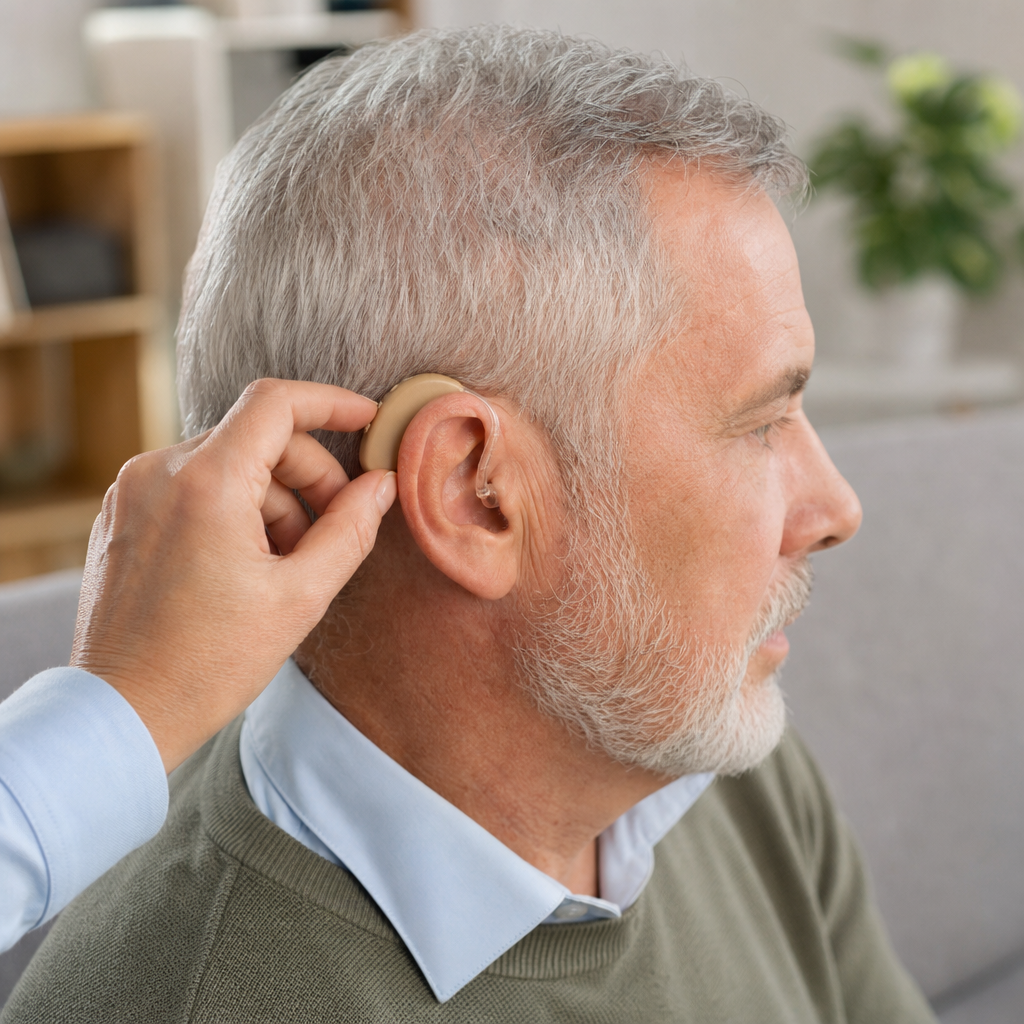
Miracle-Ear typically offers the same core form factors seen across the hearing aid industry. Behind-the-ear and receiver-in-canal styles are common because they fit a wide range of hearing losses, allow more processing power, and often provide easier maintenance. These designs place part of the system behind the ear, with sound routed into the ear canal through tubing or a thin receiver wire. They are usually the best match for people who want reliability, Bluetooth features, rechargeability, and flexibility if hearing changes over time.
Custom in-the-ear, in-the-canal, and completely-in-canal devices may also be available for people who prioritize cosmetic discretion or cannot comfortably manage behind-the-ear hardware. These smaller styles can work well for mild to moderate losses, but they involve tradeoffs. Battery size is smaller, moisture and earwax exposure are greater, and space for directional microphones, telecoils, and large antennas is limited. In my experience, patients often focus heavily on invisibility at first, then later prefer easier handling, stronger battery life, and better streaming performance.
Open-fit designs are especially useful for high-frequency hearing loss, which is common in age-related hearing decline. They leave the ear relatively unoccluded, reducing the blocked sensation that some wearers dislike, while amplifying the frequencies needed for speech clarity. More occluding domes or custom molds may be chosen when greater gain is required or when feedback control must be improved. The best style is not the smallest one; it is the one your hearing loss, dexterity, lifestyle, and comfort can support consistently.
| Style | Best for | Main advantages | Common tradeoffs |
|---|---|---|---|
| Receiver-in-canal | Mild to severe loss | Natural sound, Bluetooth, rechargeability, flexible fittings | Receiver can need replacement from wax or moisture |
| Behind-the-ear | Moderate to profound loss | Power, durability, larger batteries, easier handling | More visible, can interfere with glasses for some users |
| In-the-ear | Mild to severe loss | Custom fit, easier insertion than smaller custom styles | More wind noise, less discreet than canal devices |
| In-the-canal or completely-in-canal | Mild to moderate loss | Discreet appearance, phone comfort | Smaller controls, less battery life, fewer features |
Key features to expect from modern Miracle-Ear devices
Current Miracle-Ear hearing aids typically include digital signal processing, directional microphones, feedback management, noise reduction, multiple listening programs, and some form of wireless connectivity depending on tier. Digital processing does not simply make sounds louder. It analyzes incoming sound, applies gain by frequency, reduces acoustic feedback, compresses loud sounds to keep them comfortable, and prioritizes speech cues based on the fitting strategy. Most fittings rely on prescriptive targets such as NAL-NL2 or DSL principles, even if the brand’s user-facing language is simpler.
Bluetooth connectivity has become one of the most requested features. Depending on the platform and smartphone compatibility, users may stream phone calls, music, navigation prompts, or television audio directly to their hearing aids. Companion apps often allow volume changes, program switching, geotagged settings, find-my-hearing-aid functions, and remote support. Rechargeable lithium-ion systems are also common. For many older adults with arthritis or vision limitations, rechargeability is not a luxury feature; it is a usability improvement that can determine whether daily wear is realistic.
Some Miracle-Ear products also support tinnitus management through integrated sound therapy options. This does not cure tinnitus, but it can reduce contrast between tinnitus and silence, making the ringing or buzzing less intrusive. Success varies by patient and should be coordinated with hearing aid fitting, counseling, and medical evaluation when symptoms are new, one-sided, pulsatile, or accompanied by dizziness. Advanced features help, but they do not eliminate the need for proper programming. A premium hearing aid fitted poorly will underperform a well-fit mid-level device every time.
The hearing test, fitting, and adjustment process
A Miracle-Ear hearing aid journey usually begins with case history and diagnostic or screening testing. A thorough appointment should include otoscopy to inspect the ear canal, pure-tone air and bone conduction thresholds when appropriate, speech testing, and discussion of medical red flags. The hearing care professional then reviews the audiogram and explains which frequencies and listening situations are affected. Patients often find this step clarifying because hearing loss is usually gradual; they notice difficulty, but not the pattern behind it.
After the evaluation, the provider recommends device styles and technology levels based on hearing thresholds, ear anatomy, communication needs, dexterity, and budget. A proper fitting appointment should include physical fit checks, software programming, and orientation on insertion, cleaning, charging, app use, and realistic adaptation expectations. Best practice also includes verification measures such as real-ear measurement, which uses a small probe microphone in the ear canal to confirm that amplification matches target levels. Not every consumer asks for this, but it is one of the most important quality indicators in hearing care.
The adjustment phase matters just as much as the first fitting. New users often need several visits over the first weeks or months because environmental sounds seem unusually sharp, soft speech still needs improvement, or their own voice feels different. These reactions are normal. The brain has to relearn how to process amplified sound, especially after years of untreated hearing loss. The providers who get the best outcomes usually combine technical changes with coaching: wearing schedules, communication strategies, cleaning routines, and guidance for noisy environments rather than simply increasing volume.
How much Miracle-Ear hearing aids cost and what affects price
Miracle-Ear hearing aid prices vary by style, technology level, service bundle, and local market, but they are generally positioned in the premium retail segment rather than the lowest-cost category. In the broader U.S. market, prescription hearing aids commonly range from roughly $2,000 to $7,000 per pair, with some premium packages exceeding that range depending on included care. Miracle-Ear often packages devices with professional services such as testing, fitting, follow-up visits, cleanings, and warranty support, so direct price comparisons with online-only sellers can be misleading unless service is accounted for.
Several factors drive the total cost. Higher technology tiers usually add more sophisticated speech-in-noise processing, automatic environment detection, stronger directional systems, and expanded wireless features. Custom devices may involve additional manufacturing steps. Rechargeable platforms, chargers, earmolds, accessory microphones, TV streamers, and extended warranties can raise the total further. Some centers offer financing, promotional discounts, or trial periods. Coverage through Medicare is limited because traditional Medicare generally does not cover hearing aids, although some Medicare Advantage plans, employer benefits, Medicaid programs, and private insurers may contribute.
When evaluating price, ask what is included for the full term of use. Important questions include how many follow-up visits are covered, whether routine cleanings are included, how long the loss-and-damage protection lasts, what the repair policy is, and whether loaner devices are available. Consumers should also ask about battery costs if the model is not rechargeable. The lowest upfront quote is not always the lowest long-term cost. Reliable support can save time, prevent nonuse, and extend device lifespan.
Pros, limitations, and how Miracle-Ear compares with other options
The biggest strengths of Miracle-Ear hearing aids are accessibility, structured support, and broad product variety. Many buyers want an in-person location where they can get immediate help with fit, cleaning, programming, and troubleshooting instead of shipping devices away or navigating support by chat. That is especially valuable for first-time wearers, older adults, and family caregivers. The ability to sit down with a professional, adjust gain in real time, remake an earmold if needed, and review communication goals face to face often improves outcomes more than shoppers expect.
The limitations are mostly related to cost, location-based variability, and the complexity of branded distribution. As with any large hearing care network, the experience can differ by provider skill, appointment length, adherence to best practices, and transparency around pricing. Consumers should not assume every center operates identically. Ask whether real-ear measurement is used, what credentials the provider holds, and how follow-up care is scheduled. If those answers are vague, keep asking. A strong clinic will explain its process clearly and document what you are paying for.
Compared with over-the-counter hearing aids, Miracle-Ear is usually the better choice for people with more than perceived mild loss, unclear hearing status, tinnitus concerns, asymmetry, dexterity needs, or a desire for personalized fitting. Compared with independent audiology clinics, Miracle-Ear may offer similar technology categories but within a branded retail framework. The smartest comparison is not brand versus brand alone. Compare hearing test quality, verification methods, return policy, service access, repair turnaround, and whether the recommendation genuinely matches your hearing profile and daily listening demands.
Who should consider Miracle-Ear hearing aids and how to choose wisely
Miracle-Ear hearing aids are a strong option for adults who want guided care, ongoing appointments, and device choices that span discreet custom products to feature-rich rechargeable systems. They are particularly well suited to first-time users, retirees who value local support, and family members helping someone through the adaptation process. They can also be a good fit for people managing tinnitus alongside hearing loss, provided the evaluation is thorough and medical referral occurs when symptoms warrant it.
To choose wisely, start with your hearing needs rather than the brand name. Think about where you struggle most: restaurants, group conversations, phone calls, television, work meetings, worship services, or driving. Consider your hands and vision, because tiny batteries and controls are a real barrier for many users. Ask for a written summary of recommendations, trial terms, warranty details, and follow-up schedule. If possible, bring a spouse or family member to the appointment so communication goals are discussed openly and expectations stay realistic.
The core takeaway is simple: Miracle-Ear hearing aids can be an effective, high-support path to better hearing when the fitting is individualized and the service is strong. The right device is the one you will wear every day, hear well with in your real environments, and receive timely help maintaining. If you are ready to compare hearing aids, book a professional hearing evaluation, ask detailed questions, and use that consultation to judge both the technology and the quality of care behind it.
Frequently Asked Questions
What is a Miracle-Ear hearing aid, and how is it different from a single hearing aid model?
A Miracle-Ear hearing aid is not one specific device. Miracle-Ear is a hearing care brand and nationwide retail network that offers a range of medical-grade hearing aids in different styles, technology levels, and feature packages. In practical terms, that means when people say “Miracle-Ear hearing aid,” they are usually referring to a hearing solution provided through a Miracle-Ear center rather than one universal product. The brand typically offers behind-the-ear, receiver-in-canal, and custom in-the-ear options, depending on a person’s hearing loss, ear anatomy, lifestyle needs, and budget.
This distinction matters because the overall experience includes more than the device itself. Miracle-Ear generally combines hearing testing, professional fitting, device programming, follow-up adjustments, cleanings, and ongoing support through its hearing care centers. For many people, that service model is a major part of the value. Instead of buying a generic amplifier or choosing a one-size-fits-all product, patients are evaluated and fitted with technology that is customized to their hearing profile. That personalized approach can improve comfort, sound quality, and long-term satisfaction, especially for people who need help adapting to amplification over time.
What types of hearing aids does Miracle-Ear offer?
Miracle-Ear typically offers several common hearing aid styles to match different levels of hearing loss and personal preferences. These may include receiver-in-canal models, which are popular because they are relatively discreet and often provide a natural sound experience; behind-the-ear models, which can offer more power and durability; and custom options that sit inside the ear or ear canal for a more personalized fit. The right style depends on multiple factors, including whether someone prioritizes cosmetic appearance, ease of handling, battery life, Bluetooth connectivity, or performance in noisy environments.
Beyond physical style, Miracle-Ear devices are usually available in different technology tiers. Higher-level devices often include more advanced noise reduction, directional microphones, feedback management, speech enhancement, and wireless features such as smartphone connectivity or streaming. Some models may also include rechargeable batteries, telecoil functionality, or app-based controls. Because hearing loss varies significantly from person to person, the most appropriate option is usually determined after a hearing evaluation and consultation. A provider can then recommend a device that matches both the degree of hearing loss and the situations where better hearing is most important, such as conversations, restaurants, work meetings, television listening, or phone calls.
How much do Miracle-Ear hearing aids cost, and what affects the price?
The cost of Miracle-Ear hearing aids can vary widely because pricing is influenced by the specific model, technology level, style, and services included in the package. In many cases, the price reflects not only the devices themselves but also professional care such as hearing testing, fitting, programming, follow-up visits, cleanings, and support over time. More advanced hearing aids generally cost more because they include better sound processing, improved performance in background noise, wireless features, rechargeable options, and additional personalization tools.
Another major factor is whether one or two hearing aids are recommended. Many people with hearing loss in both ears benefit most from wearing a pair, which can improve sound localization, speech understanding, and listening balance. Warranty coverage, trial periods, loss and damage protection, and local service availability may also affect total value. Some insurance plans offer limited hearing aid benefits, but coverage varies significantly, and traditional Medicare does not usually cover hearing aids. Because of these differences, the best way to understand actual cost is to schedule a consultation and request a clear breakdown of what is included. Looking at the full package, rather than device price alone, helps people compare options more accurately.
Are Miracle-Ear hearing aids good for people with mild, moderate, or severe hearing loss?
Miracle-Ear hearing aids can be appropriate for a wide range of hearing loss levels, from mild to severe, depending on the specific device selected. People with mild hearing loss may benefit from smaller, more discreet models designed to make soft speech and everyday conversation clearer. Those with moderate hearing loss often need stronger amplification and more sophisticated processing to help in noisier settings like restaurants, group conversations, or public places. For severe hearing loss, more powerful behind-the-ear styles may be recommended because they can deliver greater amplification and may better support speech understanding and listening endurance.
The key is that hearing aids should be matched to the individual’s hearing test results, speech recognition ability, and daily communication goals. Hearing loss is not just about volume; it also affects clarity, especially with speech. A professionally fitted device can be programmed to address the exact frequencies where hearing is reduced, which is one reason medical-grade hearing aids are different from basic sound amplifiers. Miracle-Ear’s model of in-person evaluation and fitting may be especially helpful for people whose needs are more complex or who are trying hearing aids for the first time. A proper assessment ensures the recommendation is based on hearing health and real-world listening demands, not guesswork.
What should you expect during a Miracle-Ear hearing test, fitting, and follow-up process?
At a Miracle-Ear center, the process usually begins with a hearing evaluation and consultation. During this visit, a hearing care professional will ask about symptoms, communication challenges, lifestyle habits, and medical history related to hearing. Testing may include checking how well you hear tones at different pitches and volumes, as well as how clearly you understand speech. These results help identify the type and degree of hearing loss and guide the recommendation for treatment. The provider may also explain whether hearing aids are likely to help and which styles and technology levels make the most sense for your needs.
If hearing aids are recommended, the fitting process typically involves selecting the device style, physically fitting it to the ear, and programming it to your hearing profile. This is an important step because a hearing aid works best when it is adjusted to your specific hearing loss rather than left on a factory setting. You may also receive guidance on inserting and removing the devices, charging or changing batteries, cleaning them, and using any smartphone features. Follow-up appointments are often just as important as the first fitting. As your brain adapts to amplified sound, settings may need fine-tuning for comfort, clarity, and noise management. Ongoing support can make a significant difference in long-term success, especially during the first weeks or months of use.