
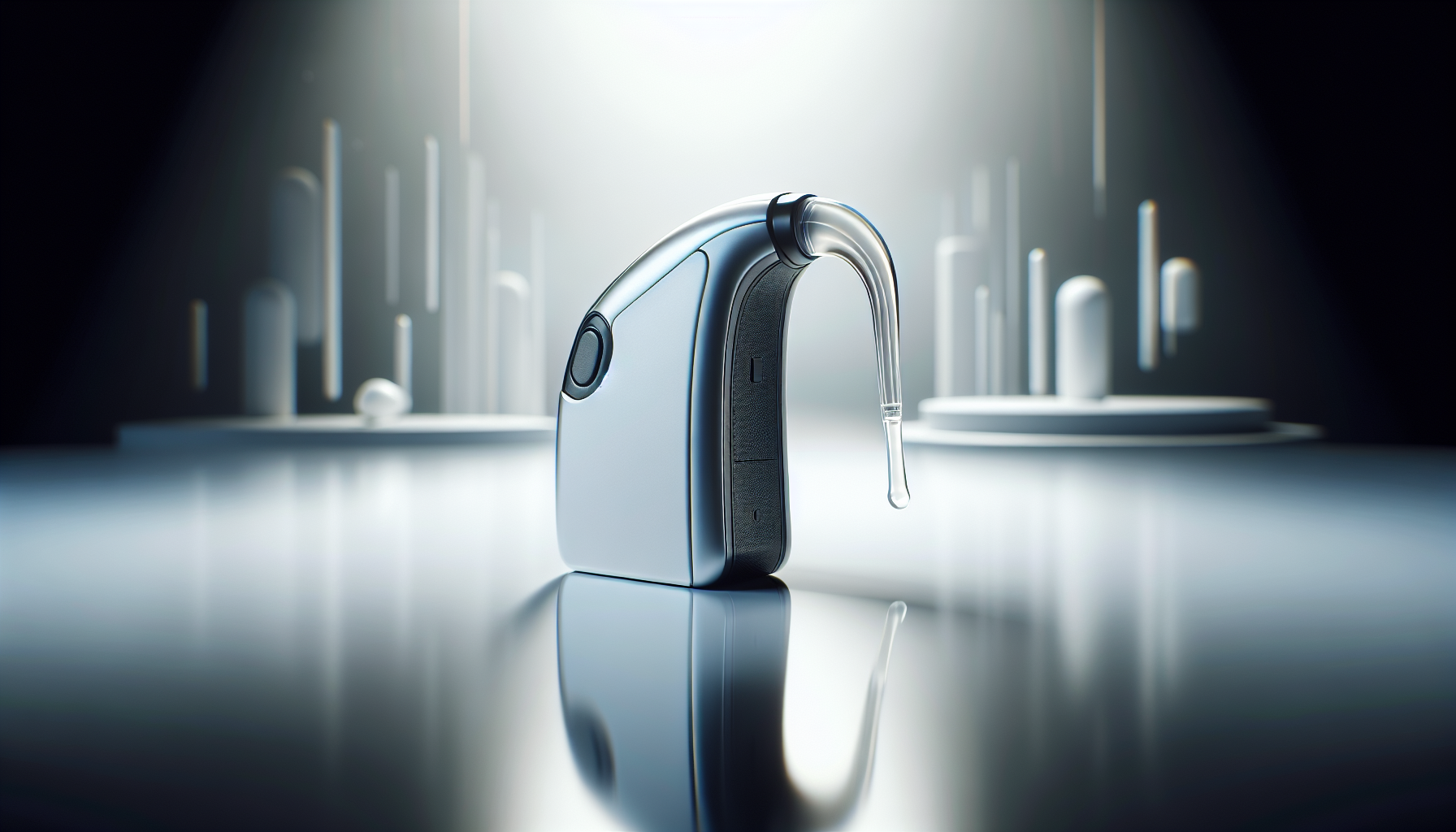
Finding the best over the counter hearing aid in 2025 means understanding far more than price or advertising claims. Over the counter hearing aids are FDA-regulated devices sold directly to adults with perceived mild to moderate hearing loss, without a required in-person medical exam, fitting, or prescription. That definition matters because the category is not the same as personal sound amplification products, which are not intended to treat hearing loss, and it is not identical to prescription hearing aids, which are fitted by licensed professionals for a wider range of hearing needs. In practice, the best OTC hearing aid is the one that matches your hearing profile, dexterity, smartphone comfort, listening environments, and budget while still meeting recognized safety and performance standards.
This topic matters because untreated hearing loss affects far more than volume. It can reduce speech understanding, increase listening fatigue, strain family communication, and contribute to social withdrawal. The National Institute on Deafness and Other Communication Disorders estimates that tens of millions of U.S. adults have some degree of hearing loss, yet many delay treatment for years because of cost, stigma, or confusion about options. Since the FDA established the OTC category, access has improved, but shopper confusion has increased too. I have worked with buyers comparing self-fitting models, app-based hearing tests, receiver styles, rechargeability, and return policies, and the same pattern appears repeatedly: people do well when they choose based on hearing needs and daily use, not on the loudest marketing promise.
A strong hub article on the best over the counter hearing aid in 2025 should answer the core questions first. Who should buy one? Adults age eighteen and older with perceived mild to moderate hearing loss. Who should not rely on one without medical evaluation? Anyone with sudden hearing loss, drainage, ear pain, one-sided hearing changes, severe tinnitus, dizziness, or significant asymmetry between ears. What makes a model good? Clear speech processing, manageable background noise control, enough output without distortion, comfortable fit, reliable battery performance, transparent support, and a return period long enough to test in real life. Those are the factors that separate a genuinely useful hearing aid from an expensive frustration.
What qualifies as the best over the counter hearing aid in 2025
The best over the counter hearing aid in 2025 is not one universal device. It is the model that gives the clearest speech for your level of hearing loss in the places you actually spend time. For some users, that means a nearly invisible in-ear device for quiet conversations and television. For others, it means a behind-the-ear self-fitting model with directional microphones and stronger amplification for restaurants, meetings, worship services, and family gatherings. The common denominator is controlled, comfortable amplification rather than simply making everything louder.
In 2025, the strongest OTC models usually include self-fitting software, hearing assessment tools in the companion app, user-adjustable programs, feedback management, and rechargeable batteries. Better devices also separate speech from environmental noise more effectively than entry-level units. This is where buyers see the largest real-world difference. Two devices can look similar on a product page, yet one may preserve consonants in conversation while another only boosts overall volume. Speech understanding, especially in background noise, is the benchmark that matters most.
Clinical and technical standards also matter. Serious brands publish conformity with applicable ANSI or IEC test methods, provide maximum output and frequency response information, and explain intended hearing-loss range. Transparent companies also offer at least a forty-five-day return window, remote support, and replacement parts such as domes, wax guards, and charging accessories. If a seller hides basic specifications, avoids discussing hearing-loss suitability, or markets the device like generic sound amplification, that is a warning sign.
Top features to compare before you buy
When I evaluate OTC hearing aids, I start with six areas: fit style, sound processing, self-fitting quality, battery system, app usability, and support. Fit style affects comfort, retention, occlusion, and microphone placement. In-the-ear and completely-in-canal models are discreet, but they can be harder for people with arthritis or vision limitations to handle. Behind-the-ear and receiver-in-canal designs are often easier to insert, usually offer better battery capacity, and can support stronger processing features.
Sound processing determines whether a hearing aid helps in daily life or becomes a drawer product. Look for directional microphones, adaptive noise reduction, feedback suppression, and multiple listening programs. Some 2025 models also add environment classification that automatically shifts settings between quiet, speech-in-noise, outdoor, and streaming situations. These features are not gimmicks when implemented well. In restaurant testing and family-room use, they can materially reduce listening effort.
Self-fitting quality is another differentiator. The best apps walk users through hearing screening, fit verification, volume balancing, and comfort adjustments in plain language. Poor apps bury controls in confusing menus or make changes that are too coarse to be useful. Battery system matters too. Rechargeable devices usually win on convenience and long-term operating cost, but disposable batteries can still appeal to travelers or users who prefer instant swaps over charging. Finally, support quality often decides whether an initially average experience becomes a successful one after fine-tuning.
| Feature | Why it matters | Best for |
|---|---|---|
| Self-fitting app | Personalizes gain and comfort without clinic visits | Independent users comfortable with smartphones |
| Directional microphones | Improves speech focus in noisy places | Restaurants, meetings, family gatherings |
| Rechargeable battery | Simplifies daily use and lowers battery replacement costs | Everyday wearers |
| In-ear design | Offers a discreet look | Users prioritizing cosmetics and light hearing loss |
| Behind-the-ear design | Provides easier handling and often stronger features | First-time users and people with dexterity concerns |
| Remote support | Helps resolve setup and tuning issues quickly | Anyone new to hearing aids |
Best OTC hearing aid types and who each one suits
Most buyers should choose between in-ear OTC devices and behind-the-ear OTC devices. In-ear options appeal to people who want a low-profile look and wear aids mainly in quieter spaces. They can work well for television, one-on-one conversation, and moderate home use. The tradeoff is that their tiny size can make insertion, charging, and cleaning harder. They may also offer fewer microphone advantages because of physical constraints.
Behind-the-ear models, including slim tube and receiver-style designs, are usually the most practical recommendation for first-time users. They tend to provide better battery endurance, easier controls, and stronger directional microphone performance. They are also simpler to handle for many older adults. In fittings and troubleshooting sessions, I have seen users adapt faster to behind-the-ear devices because they can seat them more consistently and maintain them with less frustration.
There is no single best style for every person. If discretion is your top priority and your hearing loss is mild, an in-ear model may be the best over the counter hearing aid in 2025 for you. If speech clarity in noise and easy handling matter more, a behind-the-ear design is often the better choice. The right decision depends on where you struggle most and how willing you are to work through the adjustment period.
How leading OTC brands compare in 2025
Several brands consistently appear in serious comparisons in 2025, including Jabra Enhance, Lexie, Sony, Sennheiser, Bose-powered products through licensed partners, and Eargo-style in-canal offerings where available in the OTC framework. Not every brand excels in the same area. Jabra Enhance often stands out for app quality, remote care, and a mature self-fitting experience rooted in hearing technology expertise. Lexie has been competitive on usability and support, especially for buyers who want structured onboarding. Sony-backed models draw attention from shoppers who value brand familiarity and consumer electronics integration.
Eargo-style devices and other nearly invisible in-canal options remain attractive to users prioritizing appearance, but they are not automatically the best performers in noise. Microphone placement, venting, and physical design impose tradeoffs. Sennheiser-branded hearing devices and similarly positioned products often compete on audio reputation, but buyers should still judge them by hearing-aid-specific criteria, not by headphone branding alone. In this category, speech intelligibility, fitting precision, and support matter more than name recognition.
The takeaway is simple: compare brands by outcomes, not slogans. Review return periods, available support channels, water-resistance ratings, app store feedback, charger reliability, and published hearing-loss suitability. If two products are close in price, the one with stronger support and a longer trial usually offers better value. Hearing aids are wearable medical devices, not impulse electronics, and the best purchase is usually the one with the fewest barriers to consistent daily use.
Price, value, and what you should expect to pay
The price range for OTC hearing aids in 2025 generally runs from a few hundred dollars to several thousand dollars per pair, with many credible self-fitting options landing between about $800 and $2,000. Lower-priced devices can help some users with mild hearing loss in quiet settings, but they often compromise on noise handling, app refinement, or support. Higher prices do not guarantee better hearing, yet better engineering and better after-sale care do tend to cost more.
Value is not the same as low price. A $699 device that whistles, dies early, and cannot be tuned effectively is worse value than a $1,499 pair that works all day and comes with responsive support. Buyers should also account for accessory and maintenance costs. Chargers, replacement domes, wax guards, and extended warranties affect the real cost of ownership. Rechargeable batteries reduce ongoing battery purchases, but proprietary charging docks can be expensive to replace.
Insurance coverage remains inconsistent. Traditional Medicare generally does not cover hearing aids, though some Medicare Advantage plans and private insurers may offer allowances or third-party discounts. Health savings accounts and flexible spending accounts can often be used for eligible hearing devices. Before buying, verify whether your plan includes hearing benefits, whether the seller provides itemized receipts, and whether state consumer protections apply to return rights.
How to choose the right OTC hearing aid for your hearing loss
Start by identifying your listening problems, not by choosing a brand. If you mainly miss soft voices and television dialogue, your needs differ from someone who struggles in restaurants, cars, and group meetings. Next, get a recent hearing test if possible, even if you plan to buy OTC. An audiogram is still the clearest way to understand whether your hearing loss is mild, moderate, asymmetric, or outside the safe OTC range. Many successful OTC users begin with professional testing and then purchase direct.
Then consider dexterity, vision, and technology comfort. Tiny in-canal devices may look appealing online, but if changing wax guards feels impossible, daily use will suffer. If you dislike apps, choose a model with simple onboard controls and strong phone support. If you stream calls and media often, confirm compatibility with your iPhone or Android device because streaming protocols differ between products.
Finally, test the hearing aids in your hardest environments during the trial period. Use them at the dinner table, grocery store, religious service, workplace, and outdoors. Keep notes on comfort, clarity, battery life, and feedback. A good device should improve communication in a noticeable, repeatable way. It should not create harshness, constant occlusion, or exhausting listening. If it does, adjust settings promptly or return it and reassess.
Common mistakes buyers make and when to see an audiologist
The most common mistake is buying based on appearance alone. The second is assuming all hearing loss is the same. People often say they just need “a little amplification,” but hearing loss is frequency-specific. You may hear vowels fairly well yet miss high-frequency consonants like s, f, th, and t, which carry much of speech clarity. A device that only makes everything louder can actually worsen comfort without fixing understanding.
Another mistake is expecting instant perfection. Even the best over the counter hearing aid in 2025 requires adaptation. Your brain needs time to re-familiarize itself with sounds you have not heard clearly for months or years. Start with several hours a day in manageable settings, then build toward noisier places. Consistent wear usually matters more than constant setting changes during the first weeks.
See an audiologist promptly if your hearing loss appears worse in one ear, changes suddenly, includes dizziness, pain, pressure, drainage, or persistent unilateral tinnitus, or if OTC devices do not help despite careful setup. Professional evaluation is also wise if your hearing loss is moderate to severe, if speech still sounds unclear at adequate volume, or if earwax, middle-ear disease, or medical conditions may be involved. OTC hearing aids improve access, but they do not replace diagnosis when red flags are present.
Final verdict on the best over the counter hearing aid in 2025
The best over the counter hearing aid in 2025 is the one that fits your hearing pattern, daily routines, and comfort with self-fitting tools. For many first-time buyers, that means a reputable behind-the-ear rechargeable model with directional microphones, a strong app, and responsive remote support. For users who prioritize cosmetics and have straightforward mild hearing loss, a well-designed in-ear option can be an excellent match. The winning product is not the smallest or cheapest one. It is the one you can wear consistently and trust in real conversations.
If you remember only a few points, remember these: confirm that your hearing needs fall within the OTC category, compare sound quality and support before price, and use the trial period aggressively in real environments. Brands, features, and styling all matter, but successful hearing aid adoption comes from matching the device to the person. That is why careful selection beats impulse buying every time.
Use this hub as your starting point, then narrow your search by style, budget, and hearing profile. If you are shopping now, shortlist two or three established OTC models, review their return policies, and arrange a hearing test if you have not had one recently. The right device can make conversations easier, reduce listening fatigue, and help you stay engaged in everyday life. Start comparing with those outcomes in mind.
Frequently Asked Questions
What qualifies as the best over the counter hearing aid in 2025?
The best over the counter hearing aid in 2025 is not simply the cheapest or the one with the most aggressive marketing. A strong OTC hearing aid should be an FDA-regulated device specifically intended for adults age 18 and older who have perceived mild to moderate hearing loss. That means it is designed to amplify speech and environmental sounds in a way that supports hearing needs, not just make everything louder. In practical terms, the best option usually combines sound quality, comfort, easy setup, reliable customer support, reasonable return policies, and features that help users personalize their listening experience.
Many of the top OTC models now include self-fitting tools, smartphone app controls, customizable sound profiles, rechargeable batteries, Bluetooth streaming, and background noise management. Those features can make a major difference in day-to-day use, especially in restaurants, meetings, family gatherings, and other challenging listening settings. A good OTC hearing aid should also be comfortable enough for extended wear and simple enough for a first-time user to manage without frustration.
Just as important, the “best” device depends on the individual. Someone who wants discreet, nearly invisible hearing aids may prioritize size and appearance, while another person may care more about all-day battery life, easier controls, or stronger speech clarity. The right choice is usually the product that matches the user’s level of hearing difficulty, lifestyle, dexterity, comfort preferences, and budget while still meeting the legal and clinical expectations of the OTC category.
How are over the counter hearing aids different from PSAPs and prescription hearing aids?
This is one of the most important distinctions to understand when comparing devices. Over the counter hearing aids are FDA-regulated hearing aids sold directly to adults with perceived mild to moderate hearing loss, without requiring an in-person medical exam, fitting, or prescription. They are intended to help compensate for hearing loss, and that intended use matters. These devices are part of a formal hearing aid category and must meet applicable regulatory standards.
Personal sound amplification products, often called PSAPs, are different. PSAPs are not marketed as devices that treat or compensate for hearing loss. They are generally intended for people without hearing loss who want to amplify environmental sounds in specific situations, such as birdwatching, hunting, or listening at a distance. Because of that difference in intended purpose, a PSAP should not automatically be viewed as a substitute for a true OTC hearing aid. Some may look similar and may even amplify sound, but they are not the same product category.
Prescription hearing aids are also distinct from OTC options. Prescription devices are intended for people whose hearing needs require professional evaluation, fitting, and ongoing clinical support. They may be more appropriate for severe or complex hearing loss, asymmetrical hearing loss, significant tinnitus, or situations where medical red flags are present. In short, OTC hearing aids fill an important middle ground: more medically relevant and regulated than PSAPs, but more directly accessible than prescription hearing aids for adults with mild to moderate hearing loss.
Who should consider an over the counter hearing aid, and who should see a hearing professional first?
OTC hearing aids are generally best suited for adults who believe they have mild to moderate hearing loss and want a more accessible, lower-barrier way to begin addressing it. Common signs include frequently asking people to repeat themselves, struggling to follow conversation in noisy places, turning up the television volume, or feeling like others are mumbling. For many people in this group, an OTC device can be a practical starting point, especially if they are comfortable using a smartphone app or self-guided setup tools.
However, OTC devices are not right for everyone. A hearing professional should be consulted first if hearing loss seems sudden, rapidly worsening, or clearly worse in one ear than the other. The same applies if there is ear pain, drainage, dizziness, ringing in only one ear, a feeling of fullness that does not go away, or a history of ear disease or surgery. These situations may point to a medical or more complex hearing issue that should not be managed through self-selection alone.
Even when someone is a good OTC candidate, professional hearing testing can still be valuable. A hearing exam can confirm the type and degree of hearing loss, identify whether OTC devices are likely to help, and reduce the risk of buying something that does not match the user’s needs. OTC hearing aids can be an excellent option, but they work best when consumers are realistic about their hearing challenges and know when professional guidance is the smarter route.
What features should I look for when comparing OTC hearing aids in 2025?
When evaluating OTC hearing aids in 2025, it helps to focus on performance and usability rather than feature lists alone. Sound quality should be the top priority. Look for devices that offer speech enhancement, background noise reduction, feedback control, and multiple listening modes. These functions can significantly improve how well you understand conversation, especially in places with competing noise. A hearing aid that performs well in a quiet living room but poorly in a restaurant may not be the best overall value.
Ease of fitting and adjustment is another major factor. Many leading OTC devices now offer in-app hearing assessments, guided setup, and fine-tuning controls for treble, bass, volume, and environmental settings. For first-time users, simple controls and clear instructions matter a great deal. Rechargeability is also important for convenience, though some people still prefer replaceable batteries. Comfort, ear tip options, and the physical style of the device, such as receiver-in-canal or in-ear, can influence whether someone wears it consistently.
It is also wise to compare practical ownership details. Check the warranty length, trial period, return window, and availability of customer support. The best OTC hearing aid is often backed by responsive service, educational resources, and a return process that does not create unnecessary risk for the buyer. Bluetooth connectivity, telehealth support, water resistance, and compatibility with iPhone or Android may also be important depending on your habits. A thoughtful comparison should balance hearing performance, comfort, technology, and post-purchase support rather than relying on one headline feature.
Are over the counter hearing aids really worth it in 2025?
For many adults with mild to moderate hearing loss, yes, OTC hearing aids can absolutely be worth it in 2025. Their biggest advantage is accessibility. They make it easier for people to address hearing difficulties sooner, often at a lower upfront cost than traditional professionally fitted devices. That matters because many people delay treatment for years, and untreated hearing loss can affect communication, confidence, work performance, and social engagement. If an OTC device helps someone hear conversations more clearly and participate more fully in daily life, that value can be significant.
That said, value depends on choosing the right product and having realistic expectations. OTC hearing aids are not magic devices, and they are not ideal for every hearing profile. Some users may need time to adjust to amplified sound, learn app settings, or experiment with fit and listening modes. The best outcomes typically come when users are patient, wear the devices consistently, and take advantage of available support resources.
In 2025, the OTC category is more mature, more competitive, and generally more user-focused than it was in its early stages. That means shoppers often have better options, clearer information, and more refined technology than before. If you have perceived mild to moderate hearing loss and choose a true FDA-regulated OTC hearing aid from a reputable brand, it can be a smart investment in communication and quality of life. The key is understanding what the product is designed to do, what it is not designed to do, and whether your hearing needs fall within that intended range.