
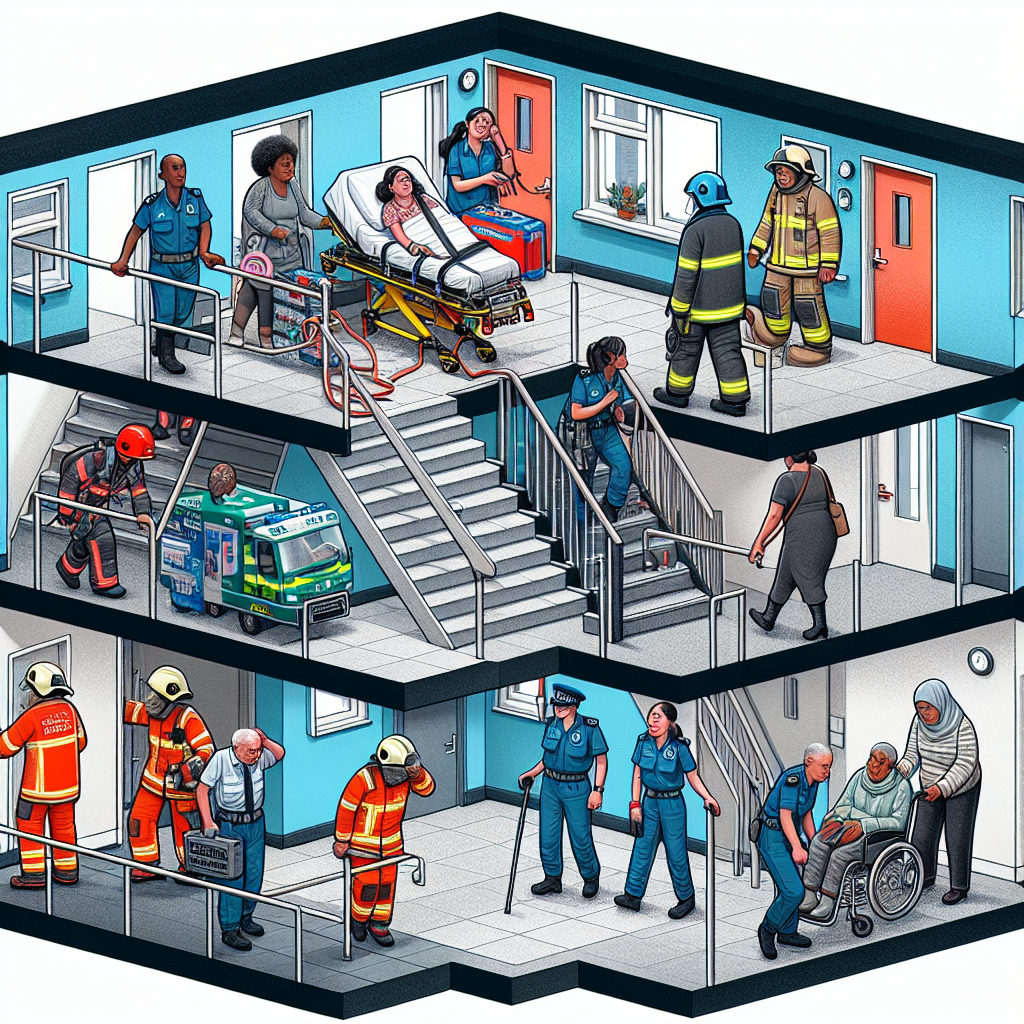
In emergencies, time is crucial, and clear communication can make the difference between life and death. However, for the Deaf and hard-of-hearing community, accessing emergency services is often filled with barriers. From dialing 911 to receiving critical alerts, the Deaf face challenges that prevent equal access to these vital services. This article explores the current landscape of emergency services accessibility, the rights of the Deaf, and social advocacy efforts aimed at bridging this gap.
The Urgency of Accessible Emergency Services
For most people, making an emergency call involves quickly dialing 911 and explaining the situation. Yet, for individuals who are Deaf or hard of hearing, this process is more complex. In an emergency, access to services must be prompt, clear, and reliable. Delays can lead to miscommunication or, worse, inability to get the necessary help in time.
Despite significant advancements in technology and public policy, these accessibility gaps remain a major issue. Addressing this need requires a comprehensive understanding of the legal landscape, technological advancements, and advocacy efforts dedicated to ensuring that emergency services are equally available to all.
Legal Rights of the Deaf Community in Emergency Services
Americans with Disabilities Act (ADA)
The ADA mandates that emergency services provide accessible options for individuals with disabilities, including those who are Deaf or hard of hearing. According to Title II of the ADA, public entities like emergency call centers are legally required to provide appropriate communication aids and services. This provision includes technologies such as text telephones (TTYs), video relay services (VRS), and captioned telephone services.
Despite these legal requirements, enforcement varies widely across jurisdictions. Some regions have adapted well by implementing modern solutions, while others still rely on outdated TTY technology, which can hinder effective communication.
Federal Communications Commission (FCC) Guidelines
The FCC has established guidelines to support equal access to emergency services, including mandates for text-to-911 and video relay services. The text-to-911 service, available in many parts of the United States, allows individuals to send a text message to 911 if they cannot make a voice call. However, the service’s availability varies, creating inconsistent accessibility for Deaf individuals across different regions.
International Standards and Legal Rights
Globally, accessibility in emergency services for the Deaf varies significantly. Some countries, like the United Kingdom, have implemented national text-to-999 services, while others have yet to adopt comparable measures. By advocating for global standards, Deaf rights organizations aim to ensure that access to emergency services is a universal right, not a privilege dependent on location.
Social Advocacy: The Push for Equal Access
Deaf Organizations Leading the Way
Organizations such as the National Association of the Deaf (NAD) and the World Federation of the Deaf (WFD) play an essential role in advocating for policy changes that support accessibility in emergency services. These organizations raise awareness of existing gaps, engage in policy reform efforts, and work closely with governments to implement accessible solutions.
For example, the NAD actively collaborates with the Department of Justice to push for comprehensive accessibility requirements in emergency communication. Their advocacy efforts include urging for the adoption of real-time text (RTT) technology, which allows for a faster and more intuitive text-based conversation compared to traditional TTY.
Social Media Advocacy and Public Awareness
Social media has emerged as a powerful tool in raising awareness about the need for accessible emergency services. By sharing stories, resources, and urgent calls for change, Deaf advocates reach a broad audience and mobilize support for legislative reforms. Campaigns on platforms like Twitter, Instagram, and Facebook highlight the real-life implications of accessibility gaps, humanizing the issue and promoting empathy among the public and policymakers alike.
Legislative Advocacy and Policy Reform
Advocates often work with policymakers to create laws that enforce accessibility in emergency services. The introduction of “Deaf-accessible emergency services” bills in some states demonstrates the impact of advocacy on legislative reform. These efforts aim to standardize accessible communication options across the United States, ensuring that every Deaf individual has equal access to emergency services, regardless of location.
Technological Solutions to Bridge the Gap
Text-to-911: A Life-Saving Service
Text-to-911 allows individuals to send text messages to emergency services, offering an essential alternative for those who cannot make voice calls. While this service marks significant progress, it is not universally available. Expanding text-to-911 coverage nationwide and ensuring its consistency across states is a crucial step toward inclusivity.
For Deaf individuals, text-to-911 offers a more accessible option but is not without its limitations. Text communication lacks the immediacy of voice calls, and in emergencies, time delays can be critical. Ensuring that call centers have the infrastructure to support rapid response to text messages is vital.
Real-Time Text (RTT)
RTT is a text-based communication tool designed for mobile and internet-based conversations. Unlike traditional text messaging, RTT transmits messages character-by-character as the person types, making it more immediate. RTT offers an improvement over TTY, as it allows for a faster, more natural exchange. Adopting RTT as a standard in emergency communication could greatly enhance accessibility for Deaf individuals.
Video Relay Services (VRS) and Video Remote Interpreting (VRI)
For many Deaf individuals who communicate primarily through American Sign Language (ASL), VRS and VRI are essential. VRS enables Deaf callers to connect with emergency services through an interpreter who translates ASL into spoken language for the dispatcher and vice versa.
However, VRS is only available in some areas and requires the caller to have internet access, which may not be feasible in certain emergencies. VRI, which functions similarly but can be used on-site in hospitals or emergency facilities, is another solution. The expansion of these services, along with efforts to educate emergency personnel on VRI’s importance, can significantly bridge the accessibility gap.
Empowering the Deaf Community with Emergency Preparedness
Community Training and Education
Educating Deaf individuals about the available emergency services and how to access them is crucial. Workshops, online resources, and community events can help the Deaf community better understand their options. These programs also foster a sense of empowerment, ensuring that Deaf individuals know their rights and the resources available to them.
Personal Emergency Plans
Deaf individuals are encouraged to develop personal emergency plans tailored to their needs. These plans include identifying accessible communication methods, emergency contacts, and local resources. Having a personal emergency plan in place can mitigate risks and reduce the reliance on inaccessible services during critical moments.
Collaborative Efforts Between Communities and Emergency Services
Bridging the gap requires collaboration between Deaf communities and emergency service providers. Hosting joint training sessions where Deaf individuals and emergency personnel can interact and discuss accessibility challenges is an effective approach. These interactions help emergency responders understand the specific needs of the Deaf community and develop strategies for effective communication.
Moving Forward: Bridging the Gap in Emergency Services for the Deaf
Continued Advocacy and Legislative Action
Although progress has been made, there is still work to be done. Continued advocacy is essential in pushing for standardized accessible services across the country. Legislative efforts that enforce nationwide availability of text-to-911, RTT, and other accessible technologies are critical steps toward equal access.
Advancements in Technology
The future holds exciting potential for technology to further close the accessibility gap. Innovations like artificial intelligence, which could offer real-time ASL interpretation, may become key tools in ensuring that emergency services are fully accessible to the Deaf community.
Building a Culture of Inclusivity in Emergency Services
Ultimately, true accessibility goes beyond technology and legal mandates—it requires a culture shift within emergency services. Training for emergency personnel on Deaf culture, sensitivity, and communication methods should be part of the standard protocol. Building awareness within the emergency services community fosters an inclusive environment where the needs of Deaf individuals are acknowledged and addressed.
Conclusion
Bridging the accessibility gap in emergency services for the Deaf is not only a matter of compliance but a fundamental issue of equality and human rights. By addressing legal barriers, advocating for legislative change, and embracing technological advancements, we can ensure that the Deaf community has equitable access to these essential services. Together, through continuous advocacy and collaboration, we can build a world where emergency services truly serve everyone.