
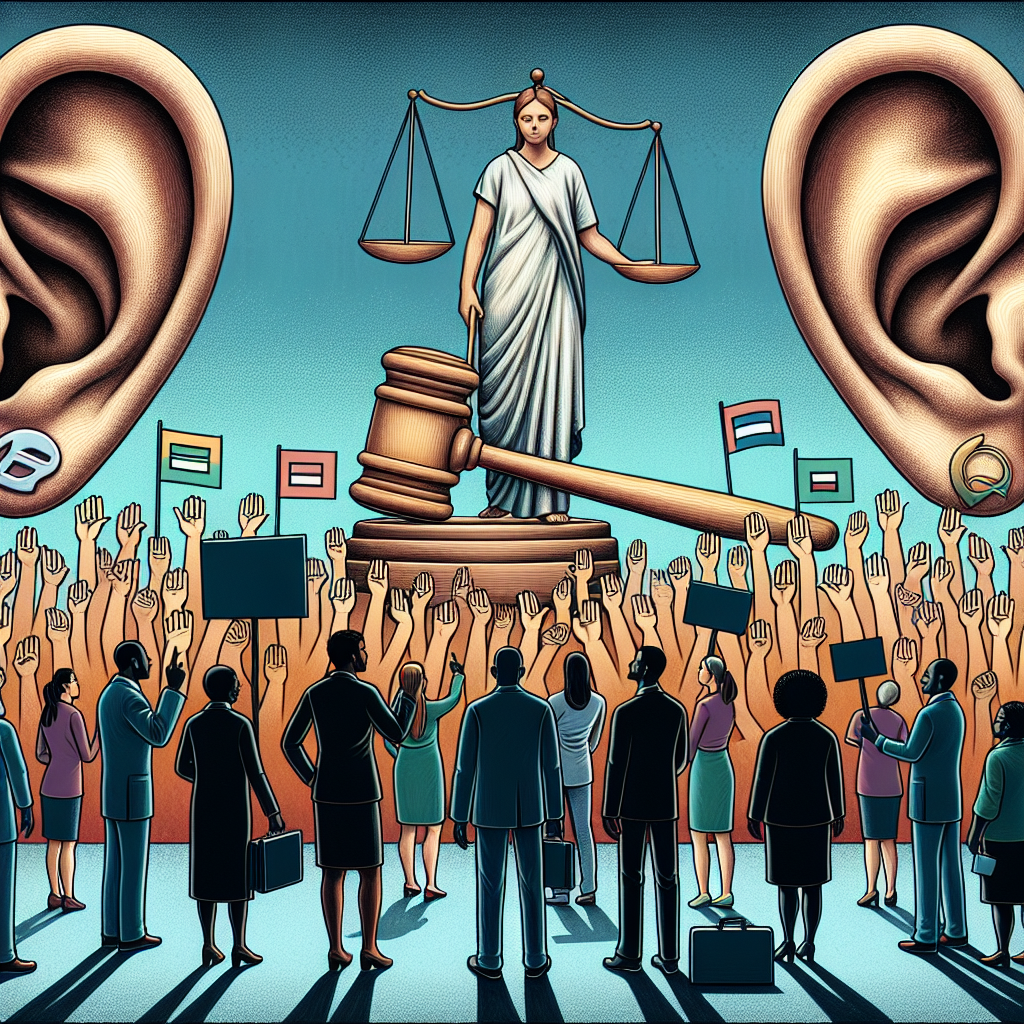
In the realm of the workplace, the rights of employees are fundamental to creating not only a productive environment but an equitable one. For Deaf individuals, the workplace can present unique challenges that require specific legal protections and advocacy efforts. Understanding these rights is crucial in fostering inclusivity and ensuring that Deaf workers are treated with the respect and fairness they deserve.
The core of workplace rights for Deaf individuals lies in ensuring access and equality. Legal frameworks, both national and international, have been instituted to protect these rights, ensuring that Deaf workers are not discriminated against based on their ability to hear. Knowing these rights is not only important for Deaf individuals and their advocates but also for employers committed to creating diverse and inclusive workplaces.
Despite existing laws, there is still a significant gap between policy and practice. Employers may not always be informed or fully compliant with regulations that support Deaf employees. Furthermore, social advocacy plays a pivotal role in bridging these gaps, raising awareness, and ensuring that legal protections translate into everyday realities in the workplace.
In this article, we will delve into the legal rights of Deaf employees, explore the role of social advocacy in enhancing workplace inclusivity, and discuss the importance of staying informed about these crucial aspects. Our goal is to equip readers with a comprehensive understanding of the landscape of Deaf rights and advocacy at work, thereby encouraging active participation in fostering a more inclusive society.
Understanding Legal Protections for Deaf Employees
Legal protections for Deaf employees aim to level the playing field, ensuring that individuals with hearing impairments have the same opportunities as their hearing peers. In many countries, cornerstone legislation like the Americans with Disabilities Act (ADA) in the United States plays a vital role. This act prohibits discrimination against individuals with disabilities in all areas of public life, including jobs.
The ADA mandates employers to provide reasonable accommodations to qualified employees with disabilities, unless doing so would cause significant difficulty or expense for the employer. Reasonable accommodations for Deaf employees may include sign language interpreters, assistive listening devices, or modifications of workplace policies.
Moreover, international frameworks such as the United Nations Convention on the Rights of Persons with Disabilities (CRPD) advocate for the rights and dignity of persons with disabilities globally. The CRPD emphasizes accessibility, non-discrimination, and the right to employment under fair and just conditions.
Understanding these legal protections can empower Deaf individuals and their advocates to demand fair treatment and accommodations. However, the effectiveness of such laws largely depends on awareness and enforcement, which is where social advocacy becomes instrumental.
The Role of Social Advocacy in Deaf Rights
Social advocacy for Deaf rights operates on multiple fronts, seeking to raise public awareness, influence policy change, and support individual and collective rights. Organizations dedicated to Deaf advocacy, such as the National Association of the Deaf (NAD) in the United States, play crucial roles in litigating cases, educating communities, and influencing legislation to protect and promote the rights of Deaf individuals.
Advocacy efforts focus not only on legal aspects but also on broader societal acceptance and understanding. They aim to dismantle stereotypes and misconceptions about Deafness, promoting a narrative of empowerment rather than disability. Advocates often work to ensure that Deaf individuals have access to leadership roles and are represented in decision-making processes.
For individuals, being aware of advocacy efforts and engaging with advocacy groups can provide a sense of community and support. This engagement helps amplify their voices, bringing attention to systemic issues that require change.
Through collective action, advocacy can influence policy-making at both local and national levels, ensuring that laws and regulations keep pace with the evolving needs of the Deaf community. As such, advocacy serves as a catalyst for tangible change, making it indispensable in the fight for the rights of Deaf individuals.
Challenges Faced by Deaf Workers
Despite the existence of legal protections, Deaf workers often face numerous challenges in the workplace. These can range from communication barriers and lack of accommodations to prejudices and stereotypes that paint Deafness as a limitation.
One of the most significant challenges is communication. In environments where verbal communication is predominant, Deaf employees may find themselves excluded from informal interactions, meetings, and networking opportunities. This exclusion can affect their career progression and sense of belonging.
Moreover, there is often a lack of awareness or understanding among employers and colleagues regarding the needs and capabilities of Deaf workers. Misconceptions can lead to discriminatory practices, either consciously or unconsciously, further marginalizing Deaf employees.
Even with legal obligations to provide accommodations, some employers may be resistant due to perceived costs or logistical challenges. This resistance can perpetuate an inaccessible environment, making it difficult for Deaf individuals to thrive professionally.
Addressing these issues requires a multifaceted approach that includes education, proactive accommodation strategies, and a commitment to diversity and inclusion from the top-down within organizations.
Creating Inclusive Work Environments
Creating an inclusive work environment requires more than compliance with legal standards—it demands a cultural shift towards embracing diversity. Employers can adopt several strategies to ensure that their workplaces are welcoming, supportive, and accessible to Deaf employees.
First, education is key. Employers and employees alike should be educated about Deaf culture and the communication needs of Deaf colleagues. This education can be facilitated through workshops, training sessions, and informational resources.
Implementing technology-based solutions is another practical step. Tools like video relay services, captioning for meetings, and induction loop systems can significantly enhance communication and inclusion.
Furthermore, creating a policy of open dialogue encourages Deaf employees to voice their needs and challenges. Employers should establish feedback mechanisms that invite constructive input from Deaf staff and respond to their concerns promptly and effectively.
Lastly, fostering a culture of acceptance and equality promotes natural inclusivity. When diversity is celebrated and viewed as an asset, it sets the stage for genuine inclusion and the full participation of Deaf employees in all aspects of professional life.
Conclusion: The Path Forward for Deaf Rights at Work
As we look towards a future where inclusivity and equality are the norms, the path forward for Deaf rights at work involves a continuous, collective effort. Legal protections and social advocacy must work hand in hand to ensure that Deaf workers are provided with the opportunities and accommodations they deserve.
It is imperative for employers, policymakers, and advocates to remain vigilant and proactive in identifying and addressing the challenges faced by Deaf employees. By committing to a holistic approach that combines education, technology, legal compliance, and cultural change, we can create a future where Deaf individuals do not face barriers in achieving their career aspirations.
Advocating for Deaf rights in the workplace is not just a responsibility but a fundamental aspect of building a society that values and respects each individual. By valuing diversity and championing the rights of all employees, including those who are Deaf, we take significant strides toward a more equitable and inclusive world.