

In a world that is growing increasingly interconnected, awareness and understanding of diverse communities is more important than ever. One such community that has historically been overlooked is the Deaf community. This community is rich in culture and language, primarily revolving around sign languages worldwide. However, many traditional societies pose unique challenges to accessibility for Deaf individuals. With advancements in technology and shifts in societal norms, it is crucial to address these challenges through innovative means such as storytelling and education.
This article delves into how cultural traditions can clash with accessibility needs, specifically for Deaf individuals. We’ll explore how storytelling can be a potent tool in bridging gaps, and how education systems can evolve to be more inclusive. Understanding these dynamics is essential for fostering a society that respects both cultural traditions and accessibility requirements.
The Intersection of Culture and Disability
Cultural traditions often define the daily lives of individuals and communities, influencing behaviors, values, and social norms. In many cultures, these traditions have powerful systems in place to convey identity and continuity. Yet, when it comes to disability, traditional views can sometimes be limiting or exclusionary. Many cultures still regard disabilities through a lens of stigma, misconceptions, or even supernatural beliefs, which shape how people with disabilities, including the Deaf, are perceived and treated.
For example, in some societies, Deafness might be viewed as a deficiency rather than a difference. This perspective often translates into systemic barriers that prevent Deaf people from accessing vital resources and participating fully in community life. As such, cultural resistance often hinders the acceptance and implementation of modern accessibility options. Understanding the intersection of cultural beliefs and disability rights is the first step in addressing these challenges. It’s crucial to highlight and respect culture but also advocate for rights that ensure accessibility, thereby diminishing pre-existing biases.
Storytelling as a Bridge for Awareness
Storytelling has always been a powerful tool for sharing experiences and knowledge across generations. It allows stories to be told through various forms, including oral traditions, written word, and visual narratives, making it a versatile medium to raise awareness about Deaf culture and accessibility needs. The use of culturally resonant stories can foster understanding and empathy, bridging the gap between traditional beliefs and modern accessibility expectations.
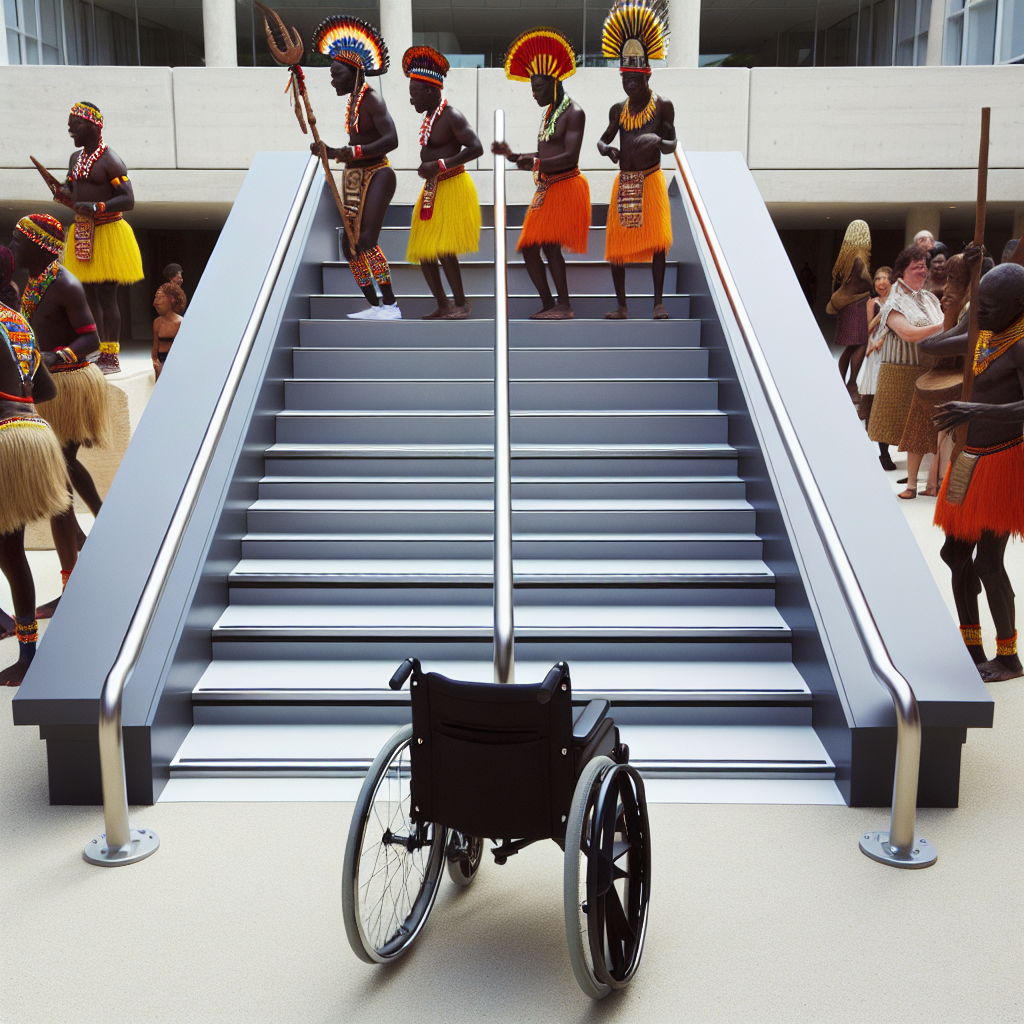
Visual storytelling, in particular, provides an avenue to vividly portray the lives and challenges of Deaf individuals in traditional societies. By depicting real-life experiences, visual stories can challenge stereotypes and break down prejudices. Moreover, they bring to light the unique linguistic and cultural dimensions of the Deaf community, encouraging a more inclusive view. When people can see the world through another’s eyes, it not only raises awareness but also promotes social change towards more inclusive communities.
Educational Reform for Inclusivity
Education is a key instrument in the promotion of inclusivity and accessibility. Reforming education systems to be more welcoming to Deaf students is imperative for fostering a generation that is not only aware but also considerate of diversity. Integrating Deaf culture and sign language into curriculums can build a foundation of respect and understanding from an early age.
For instance, schools can incorporate sign language courses not just for Deaf students, but for all students. This not only demystifies Deafness but also normalizes communication in different modes, making it a natural part of the learning environment. Such educational reforms should aim to dismantle the unnecessary barriers that Deaf students face, enhancing their learning experience and potential for success. By empowering educators with the tools and knowledge to support Deaf students, education systems can become a catalyst for broader societal change.
Technology’s Role in Enhancing Accessibility
Technology has the power to transcend traditional limitations and open up new possibilities for accessibility. In the context of Deaf awareness, technology plays a significant role in enhancing communication and access to information. With innovations such as speech-to-text applications, video relay services, and captioning technology, the digital world has become more navigable for Deaf individuals.
Beyond these tools, the creation of online platforms and communities can connect Deaf individuals globally, fostering a sense of belonging and solidarity. These platforms can also serve as a venue to educate the larger public about Deaf culture and the need for accessibility. Thus, technological advancements should be leveraged to not only improve the day-to-day lives of Deaf individuals but also to promote global awareness and understanding of their needs.
Advocacy and Policy Change
The path towards increased accessibility and Deaf awareness is also paved with the efforts of advocacy and policy change. Advocacy organizations play a pivotal role in challenging societal norms, lobbying for policy changes, and ensuring that the voices of the Deaf community are heard at regional and national levels. Policies that enforce accessibility standards in public spaces, media, and education can significantly alter the landscape of equality for Deaf individuals.
For lasting change, it is essential to support these advocacy initiatives and encourage more collaborative efforts between governments, organizations, and the Deaf community. When policies prioritize accessibility, attitudes tend to follow. Advocacy efforts thus require an intersectional approach, recognizing the overlapping identities and experiences within the Deaf community, and addressing the unique challenges faced by Deaf individuals of various backgrounds.
Conclusion: Moving Towards a More Inclusive Society
As we look forward, the goal should be to foster a society that respects both cultural traditions and accessibility needs. By embracing reforms in education, storytelling, technology, and policy, traditional societies can evolve to become more inclusive spaces. It is about creating an environment in which the Deaf community is not only accepted but celebrated for the richness they bring to the cultural tapestry of our global society.
Acknowledging and addressing cultural misconceptions regarding disabilities is a crucial step. Storytelling and education emerge as powerful tools that can reshape perceptions and sow the seeds of empathy and understanding. By infusing Deaf awareness into our social, technological, and educational frameworks, we can bridge gaps and move towards genuine inclusivity.
In this journey, each stakeholder plays a part—from individuals and educators to governments and technology providers. In working together, they can create an inclusive world for everyone, where accessibility needs do not clash with cultural traditions but rather complement and enrich them. In striving to understand and incorporate the diversity of the Deaf community into the mainstream narrative, we can build a future where traditions and accessibility thrive hand-in-hand.