
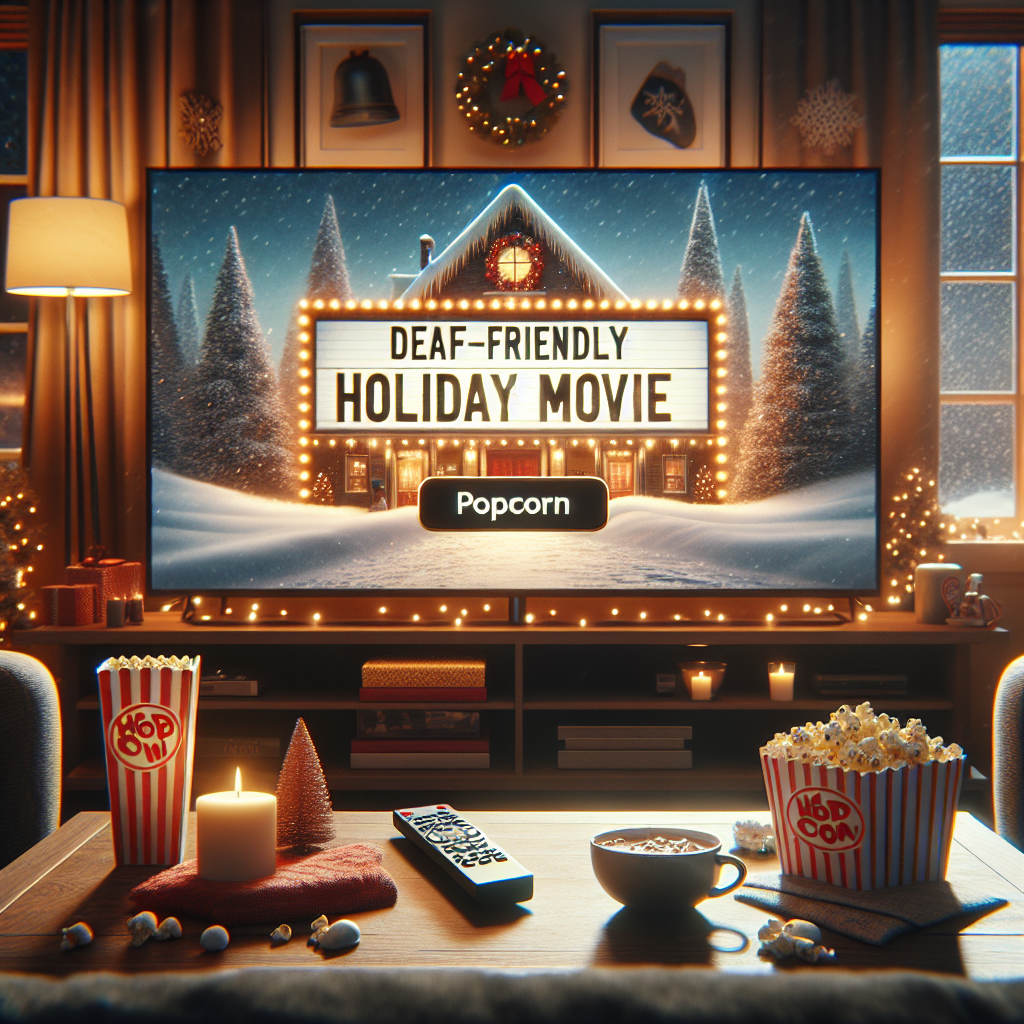
The holiday season is a time of joy, warmth, and connection. For many, the process of decorating for the holidays is a ritual that brings families together and creates lasting memories. But for those who are deaf or hard of hearing, accessing the full experience of holiday festivities can sometimes be a challenge. However, the beauty of the festive season is its inclusiveness and the ways we can create spaces where everyone feels welcome and involved.
In this article, we’ll explore how to make holiday decorations more accessible and inclusive for the deaf community. From using visual cues and tactile elements to incorporating technology for a more immersive experience, there are numerous ways to ensure that everyone can partake in the holiday spirit. Whether you’re hosting a holiday party, decorating your home, or engaging in traditional activities, these DIY projects and ideas will help make your holiday celebrations more accessible and inclusive for all.
Visual and Tactile Decorations
One of the most important aspects of making holiday decorations accessible is to use visual and tactile elements that can be enjoyed by everyone. For those who rely on visual cues, bright and contrasting colors can make a significant difference. Consider using colored lights, glittering ornaments, and shiny tinsel that catch the eye and create a festive atmosphere.
For tactile elements, try incorporating different textures into your decorations. Felt ornaments, knitted garlands, or decorations made from natural materials like wood and pinecones can add a touch of warmth and a tactile experience that is enjoyable to touch and feel. DIY projects like making salt dough ornaments or creating paper mache decorations can be fun and inclusive activities for everyone, including those who are deaf or hard of hearing.
Visual Alerts and Technology Integration
Technology has opened up a world of possibilities for creating accessible holiday decorations. Visual alerts and technology integration can be particularly useful for the deaf community. For example, instead of relying on auditory cues like doorbells or alarms, consider using visual alerts like flashing lights or text notifications to signal important events or activities.
Smart home technology, such as smart lights or smart speakers with visual display capabilities, can be integrated into your holiday festivities. These devices can be programmed to display visual alerts, play videos with captions, or even show a live stream of holiday greetings from friends and family. Using technology in this way ensures that everyone can stay connected and involved in the holiday celebrations.
Inclusive Holiday Activities
In addition to decorating, engaging in holiday activities that everyone can participate in is essential for creating an inclusive environment. Activities that rely heavily on auditory input, such as listening to holiday music or caroling, can be adapted to be more inclusive. For example, you can create a holiday playlist with songs that have visual components, such as music videos with sign language interpretation or captioned lyrics.
Inclusive holiday activities can also include craft sessions where everyone can create their own decorations, bake cookies with visual recipe guides, or watch holiday movies with subtitles. The key is to ensure that the activities are accessible and enjoyable for everyone, regardless of their hearing ability.
Community Engagement and Awareness
Creating accessible holiday decorations is not just about the physical aspects of decorating; it’s also about fostering a sense of community and raising awareness about the needs of the deaf community. Hosting inclusive events and educating others about the importance of accessibility can make a significant impact.
Consider organizing a community workshop where you teach others how to create accessible decorations or involve your local deaf community in your holiday planning. By including everyone in the process, you not only create a more inclusive environment but also raise awareness and encourage others to think about accessibility in their own celebrations.
Sharing Your Inclusive Decorations
Another way to promote accessibility during the holiday season is by sharing your inclusive decorations with a broader audience. Social media platforms are a great way to showcase your efforts and inspire others to create accessible holiday decorations. Share photos and videos of your decorations, explain the thought process behind each element, and provide tips on how others can make their own decorations more inclusive.
Using hashtags related to accessibility and the holiday season can help you reach a wider audience and connect with others who are passionate about creating inclusive environments. By sharing your creations, you contribute to a larger movement towards a more inclusive and accessible world.
Conclusion
The holiday season is a time for joy, connection, and creating memories. By making holiday decorations and activities more accessible and inclusive, we ensure that everyone can participate and enjoy the festivities. From using visual and tactile elements to integrating technology and engaging in inclusive activities, there are many ways to create a welcoming environment for the deaf community.
As we celebrate this holiday season, let’s remember the importance of accessibility and inclusiveness. By taking small steps to make our decorations and activities more inclusive, we can create a more connected and joyful experience for everyone. So, as you plan your holiday celebrations, consider these DIY projects and ideas to ensure that everyone feels included and valued. Happy holidays!