
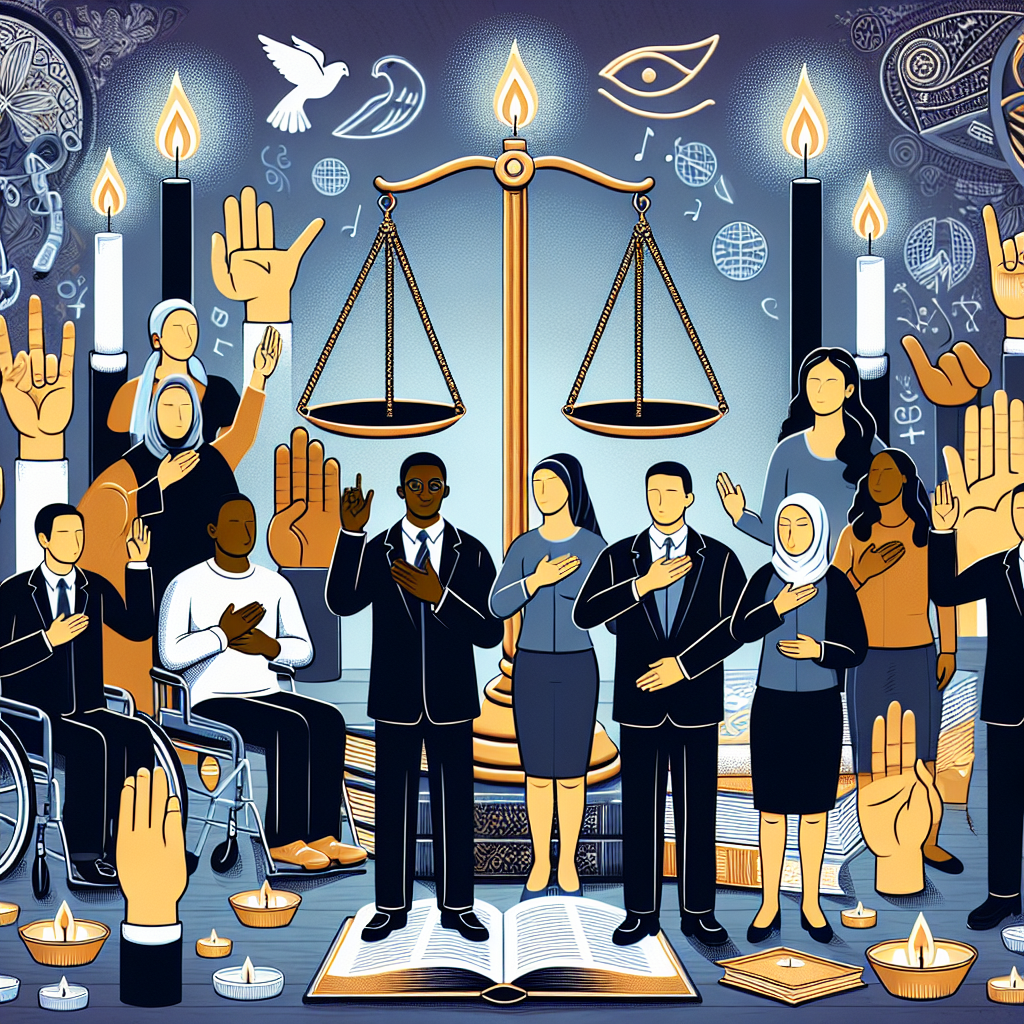
Every year on December 3rd, the world observes the International Day of Persons with Disabilities (IDPD). This day serves as a global reminder of the importance of inclusion, accessibility, and equal opportunities for all individuals, regardless of physical or cognitive abilities. A poignant aspect of this observance is the focus on the deaf community, whose unique cultural contributions and challenges offer profound insights into the broader discourse on disability rights and inclusion.
The theme for IDPD celebrates the pivotal role of disabled individuals in our communities, underlining the need for an inclusive society that respects human diversity and capabilities. This article will delve into the crucial aspects of deaf education, the historical and contemporary contributions of the deaf community, and the ongoing efforts to advocate for their rights and inclusion globally.
Understanding the intricacies of deaf culture is crucial. It’s more than just a community with a shared experience of hearing loss; it’s a vibrant cultural group with unique languages, traditions, and perspectives. As such, the observance of IDPD also becomes a time to celebrate this uniqueness while advocating for the removal of barriers that hinder full participation in society.
Join us as we explore the deaf community’s journey, highlight their noteworthy contributions, and discuss proactive measures for promoting equal rights and opportunities. Let’s work towards a world where everyone, regardless of their abilities, is afforded the respect and inclusivity they deserve.
Historical Perspective on Deaf Education
The history of deaf education spans centuries, characterized by shifts in perception, methodologies, and legal frameworks. Early approaches to deaf education often revolved around oralism, emphasizing speech and lip-reading over sign language, which marginalized the natural communication preferences of the deaf community. This method dominated the educational landscape until the latter half of the 20th century.
A significant turning point came with the Milan Conference of 1880, which endorsed oralism and led to the widespread suppression of sign language in educational settings. This decision had long-lasting negative impacts, resulting in the erosion of cultural identity and the imposition of communication barriers for deaf students. However, resistance persisted, and the deaf community continued to advocate for their linguistic and cultural rights.
By the mid-20th century, the tide began to turn with the civil rights movements that emphasized equality and inclusion for all. Pioneering educators and activists such as Thomas Gallaudet and Laurent Clerc laid the groundwork for recognizing the integral role of sign language in deaf education. Their efforts were instrumental in the establishment of schools for the deaf that utilized sign language, fostering a more inclusive and effective educational environment.
Today, the paradigm has shifted towards a bilingual-bicultural model of education, which embraces both sign language and the surrounding culture’s spoken language. This approach recognizes the rich linguistic heritage of the deaf community while equipping students with the tools to navigate the broader society. This historical perspective underscores the resilience and tenacity of the deaf community in advocating for their educational rights and cultural identity.
The Impact of Deaf Culture
Deaf culture is a vibrant and essential component of the diversity that enriches our global community. At its core is a collective identity forged through shared experiences, values, and language. Sign languages, such as American Sign Language (ASL), British Sign Language (BSL), and others, are the cultural bedrock, offering nuanced and expressive means of communication.
The contributions of the deaf community to the arts, literature, and sciences demonstrate their innovative spirit and resilience. For instance, deaf artists like Chuck Baird have created visual art that bridges the gap between the hearing and deaf worlds, using their work to communicate and advocate. Similarly, Marlee Matlin, an accomplished actress, has broken barriers in the entertainment industry and brought deaf culture into the mainstream.
Literature authored by deaf individuals—such as memoirs, poetry, and fiction—provides powerful insights into the lived experiences of the deaf community. These works often explore themes of identity, struggle, and triumph, offering readers a deeper understanding and appreciation of the deaf perspective.
Furthermore, the contributions of deaf scientists and researchers challenge stereotypes and demonstrate their ability to excel in various fields. Their work often focuses on improving accessibility and quality of life for the deaf community, developing new technologies, and advocating for policy changes. These cultural contributions are essential not only for the enrichment of society but also for the empowerment and validation of the deaf community itself.
Advocating for Equal Rights and Inclusion
Advocacy for equal rights and inclusion of the deaf community has come a long way, but the journey is far from over. Key legislative milestones such as the Americans with Disabilities Act (ADA) of 1990 in the United States have been instrumental in promoting accessibility and anti-discrimination policies. Nevertheless, real and systemic barriers persist, necessitating continuous advocacy and reform.
Organizations worldwide have been at the forefront of this advocacy. Established entities such as the World Federation of the Deaf (WFD) and the National Association of the Deaf (NAD) work tirelessly to champion the rights of deaf individuals, lobbying for legal protections, and promoting sign language recognition and use. These organizations provide crucial platforms for the deaf community to voice their needs and aspirations.
Grassroots movements also play a significant role, mobilizing communities to demand better access to education, employment, and healthcare. Social media has become a powerful tool for these movements, amplifying voices that had previously been marginalized. Hashtags like #DeafTalent and #DeafAwareness have brought attention to the diverse skills and contributions of the deaf community.
Advocacy is not just about addressing immediate concerns but also about fostering long-term attitudinal change. Educational campaigns aimed at raising awareness and sensitivity among the hearing population are crucial. These initiatives help dismantle prejudices and misconceptions, paving the way for a more inclusive society. By fostering understanding and solidarity, these efforts ensure that the call for equal rights and inclusion extends beyond legal frameworks to become a lived reality for all.
Technological Innovations in Deaf Education
Technological advancements have revolutionized deaf education, offering new tools and methodologies to enhance learning and communication. From early inventions like the cochlear implant to contemporary digital platforms, technology has played a pivotal role in bridging gaps and opening up opportunities for the deaf community.
Cochlear implants and hearing aids have undergone significant improvements, offering better sound quality and user experience. These devices, when used in conjunction with speech therapy, can greatly enhance auditory and verbal skills. However, it’s essential to approach these technologies with a nuanced understanding, recognizing that they are not always the preferred or most effective solution for all deaf individuals.
Digital platforms have been groundbreaking in providing real-time communication aids. Video relay services (VRS) allow deaf individuals to communicate via sign language interpreters over video calls, offering greater independence and ease of communication. Educational apps and software tailored to the needs of deaf students provide interactive and engaging learning experiences, often incorporating visual and kinesthetic elements to enhance comprehension.
Artificial Intelligence (AI) and machine learning are paving the way for even more innovative solutions. For instance, AI-powered captioning services automatically transcribe spoken language into text, making media and educational content more accessible. Additionally, researchers are developing sign language recognition technologies that can facilitate smoother communication between deaf and hearing individuals.
While technology offers incredible potential, it’s crucial that these innovations are developed and implemented with active input from the deaf community. This ensures that the tools are not only effective but also culturally and contextually appropriate, ultimately contributing to a more inclusive educational environment.
Community Support and Resources
Community support and resources are vital for the well-being and growth of deaf individuals. Family, educators, peers, and specialized organizations play a crucial role in providing the support system necessary for overcoming challenges and achieving personal and professional goals.
Family support is foundational. Families are encouraged to learn sign language and actively participate in the deaf culture to better communicate and connect with their deaf members. Early intervention programs also provide families with resources and training, ensuring that deaf children receive the necessary support from an early age.
Educational institutions serving the deaf community offer specialized programs and curricula designed to meet their unique needs. Schools for the deaf, such as Gallaudet University, offer an immersive environment where students can thrive academically and socially, surrounded by peers and faculty who share their language and cultural background. Additionally, mainstream schools with robust support services, including sign language interpreters and assistive technologies, offer inclusive educational opportunities.
Peer support networks, including deaf clubs and social organizations, provide spaces where deaf individuals can share experiences, find mentorship, and build friendships. These networks are crucial for fostering a sense of belonging and community. Furthermore, local and national organizations provide advocacy, resources, and support services tailored to the specific needs of the deaf community.
Online platforms and social media have also become invaluable resources, offering forums, advocacy groups, and information-sharing among the global deaf community. These digital spaces enable greater connectivity and access to resources, regardless of geographical location, empowering deaf individuals to stay informed and engaged.
Conclusion: Moving Forward Together
The International Day of Persons with Disabilities serves as a critical reminder of the ongoing need for advocacy, awareness, and action. By honoring the contributions of the deaf community and addressing their unique challenges, we move closer to a world that truly embraces diversity and inclusion.
Education remains a cornerstone of this journey. Ensuring that deaf individuals have access to quality, inclusive education that respects and incorporates their linguistic and cultural needs is paramount. It empowers them to succeed and contribute meaningfully to society.
Advocacy efforts must persist, addressing systemic barriers and promoting policies that foster equal opportunities. These efforts should be complemented by technological innovations and community support systems that enhance the quality of life and opportunities for deaf individuals. By involving the deaf community in the development and implementation of these initiatives, we ensure that they are effective and culturally appropriate.
On this day, let us renew our commitment to the principles of inclusion and equality. Let us celebrate the richness of deaf culture and work towards a future where every individual, regardless of their abilities, is valued and included. Together, we can create a world where the contributions of the deaf community are recognized, their rights are upheld, and their potential is fully realized.