
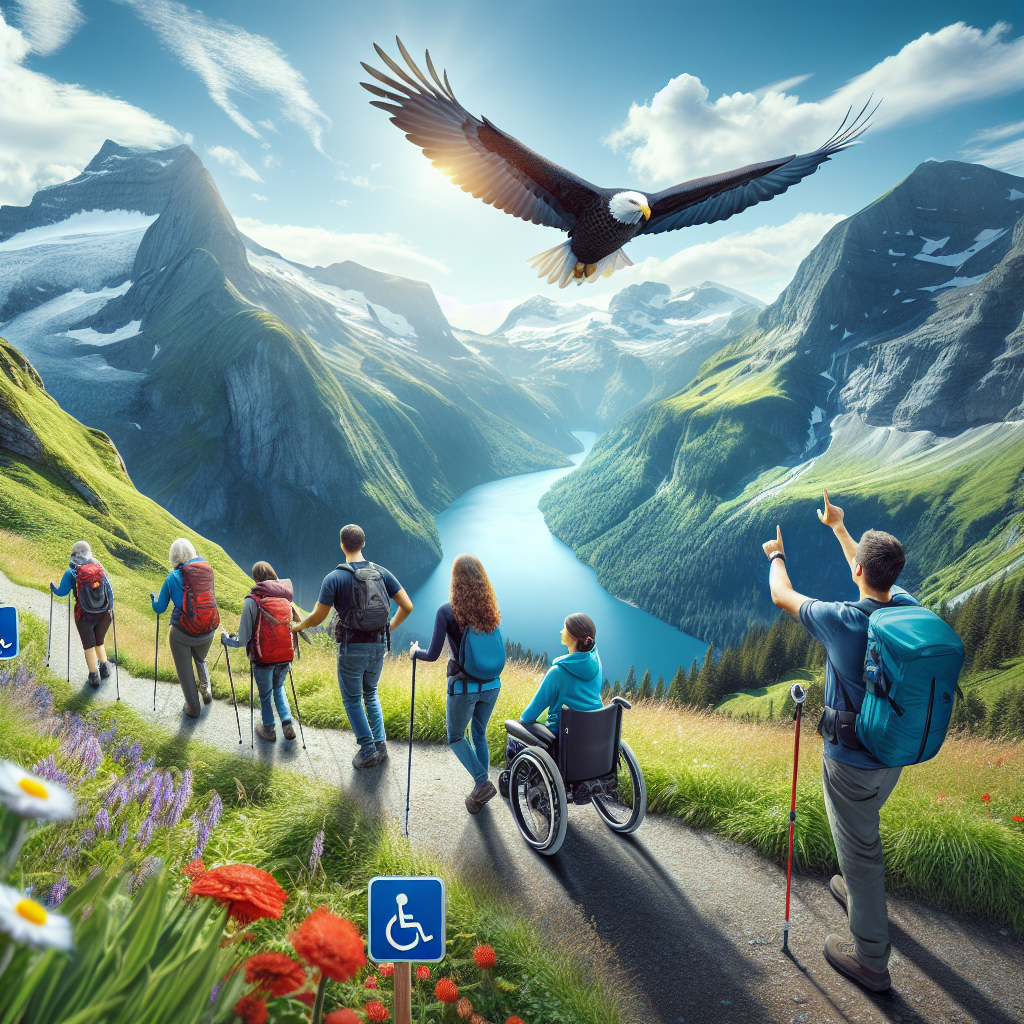
For many individuals, hiking and the great outdoors present a sense of freedom, adventure, and connection with nature. However, for the Deaf and hard of hearing, these outdoor pursuits often come with unique challenges. Despite these challenges, the Deaf community has found innovative ways to engage with nature, conquer mountain peaks, and embrace accessible adventures. This article aims to shed light on the importance of accessible hiking trails tailored to Deaf hikers, highlight some incredible trail options, and inspire inclusivity within the outdoor community.
Accessible outdoor activities, specifically designed for Deaf individuals, foster a sense of community, inclusivity, and independence. The advent of technology and community initiatives have paved the way for more inclusive hiking experiences. By focusing on accessible trails and providing necessary resources, the hiking community can significantly improve the outdoor experience for Deaf hikers.
From mountain peaks to serene valleys, explore how Deaf individuals can fully engage in hiking adventures. Let’s delve into the world of Deaf hiking trails and accessible adventures where barriers are broken, and the thrill of nature is universally shared.
The Importance of Accessibility in Hiking
The concept of accessibility in hiking encompasses various elements, ensuring that individuals of all abilities can enjoy the outdoors. For Deaf hikers, accessibility might involve visual guides, captioned videos, or trails that offer clear, visible signage. These elements help bridge communication gaps and provide essential information about the trail, dangers to look out for, and interesting facts about the local flora and fauna.
Accessibility is crucial not only for safety but also for enhancing the overall experience. When Deaf individuals can access the same information as hearing individuals, they feel more included and engaged. This can lead to a greater appreciation for the natural world and a sense of accomplishment when completing a trail.
Trail organizers and park management must prioritize accessibility. Providing sign language interpreters for guided tours, developing apps with visual aids, and incorporating tactile maps are some ways to make hiking trails more Deaf-friendly. With the right resources, Deaf individuals can conquer any hiking trail with confidence.
Top Deaf-Friendly Hiking Trails
While many trails are becoming more accessible, some stand out due to their exemplary efforts in catering to the Deaf community. Here are some exceptional Deaf-friendly hiking trails across various regions:
- Yosemite National Park, California: Known for its stunning landscapes and iconic rock formations, Yosemite offers Deaf-friendly programs, including sign language tours and visual displays.
- Zion National Park, Utah: With mesmerizing canyons and rugged trails, Zion provides video guides with captions and visual aids for a comprehensive hiking experience.
- Great Smoky Mountains, Tennessee/North Carolina: This park offers accessible trails and interpreters for scheduled tours, making exploring seamless for Deaf visitors.
- Acadia National Park, Maine: Famed for its serene landscapes, Acadia provides tactile maps and visible trail markers, ensuring an inclusive hiking adventure.
These trails not only offer breathtaking views but also emphasize the importance of accessibility, ensuring that all visitors have an enriching experience.
Innovative Tools and Technology for Deaf Hikers
Advancements in technology have significantly enhanced the hiking experience for Deaf individuals. Innovative tools and devices are bridging communication gaps and providing vital information in user-friendly formats. Here are some remarkable examples:
- Hiking Apps: Apps like AllTrails and ViewRanger now offer features tailored for Deaf hikers, including visual guides and route descriptions.
- Portable Vibration Devices: These devices alert hikers through vibrations about important notifications and potential hazards along the trail.
- Interactive Maps: Digital maps with tactile feedback or visual cues provide real-time updates, ensuring Deaf hikers stay on track and informed.
- Sign Language Guides: Videos and augmented reality (AR) technology offer sign language guides that provide trail information and points of interest.
These tools empower Deaf hikers to independently navigate trails, stay informed about their surroundings, and enhance their overall hiking experience.
Community and Support for Deaf Hikers
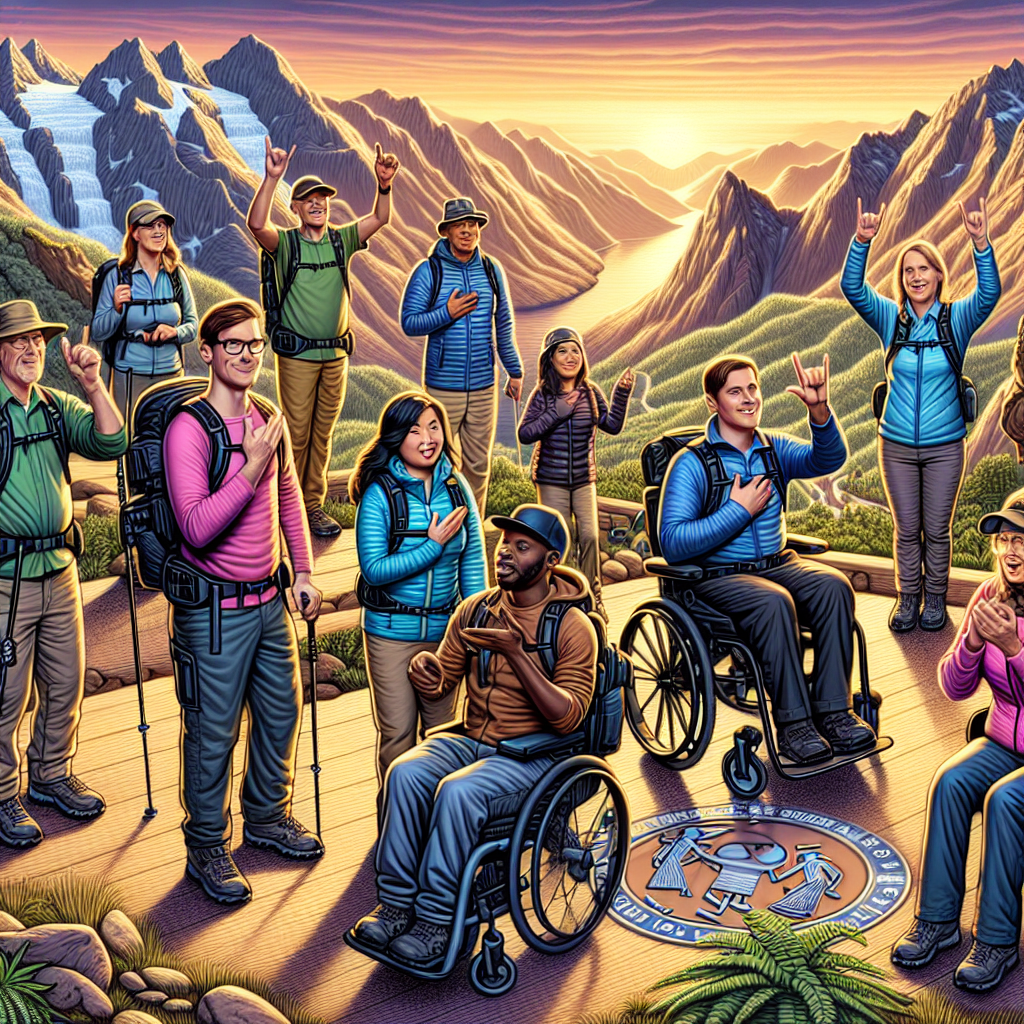
The strength of any community lies in its ability to support and uplift its members. The Deaf community has established various groups and organizations dedicated to hiking and outdoor adventures. These groups provide a platform for Deaf hikers to connect, share experiences, and embark on collective adventures.
Organizations like Deaf Outdoor Adventure Club (DOAC) and Hands on the Trail organize group hikes, offer resources, and advocate for more accessible trails. These groups foster a sense of camaraderie and ensure that Deaf individuals never feel isolated in their pursuit of nature.
Participating in community hikes not only provides companionship but also enhances safety. Group members can look out for each other, share tips, and ensure a more enjoyable hiking experience. The collective voice of these communities also plays a crucial role in pushing for policy changes and better accessibility in public parks and hiking trails.
Challenges and Opportunities
The journey to creating fully inclusive hiking experiences is ongoing, with various challenges and opportunities along the way. One significant challenge is the lack of awareness and understanding among trail organizers about the needs of Deaf hikers. This often results in limited resources and inadequate trail support for Deaf individuals.
However, there are opportunities for growth and improvement. Increased collaboration between Deaf communities and park authorities can lead to better-designed trails, inclusive programs, and more comprehensive resources. Training park staff in basic sign language and Deaf awareness can significantly enhance the hiking experience for Deaf visitors.
Moreover, showcasing successful examples of accessible trails can inspire others to follow suit. By sharing stories and best practices, the hiking community can collectively work towards creating a more inclusive environment for all hikers.
Conclusion
Embracing nature and exploring hiking trails should be a universal experience, free from barriers. For Deaf hikers, accessibility plays a crucial role in ensuring safety, inclusivity, and a deeper connection with the great outdoors. By focusing on accessible trails, leveraging innovative technology, and fostering a supportive community, we can create a more inclusive hiking experience for Deaf individuals.
From conquering mountain peaks to enjoying serene valleys, Deaf hikers are breaking barriers and redefining adventure. Whether through advanced hiking apps, sign language guides, or community support, the path to inclusivity is paved with endless possibilities.
As we move forward, let’s continue to raise awareness, advocate for accessible trails, and celebrate the spirit of adventure that unites us all. Together, we can ensure that the joy of hiking and exploring nature is accessible to everyone, regardless of their hearing abilities.