
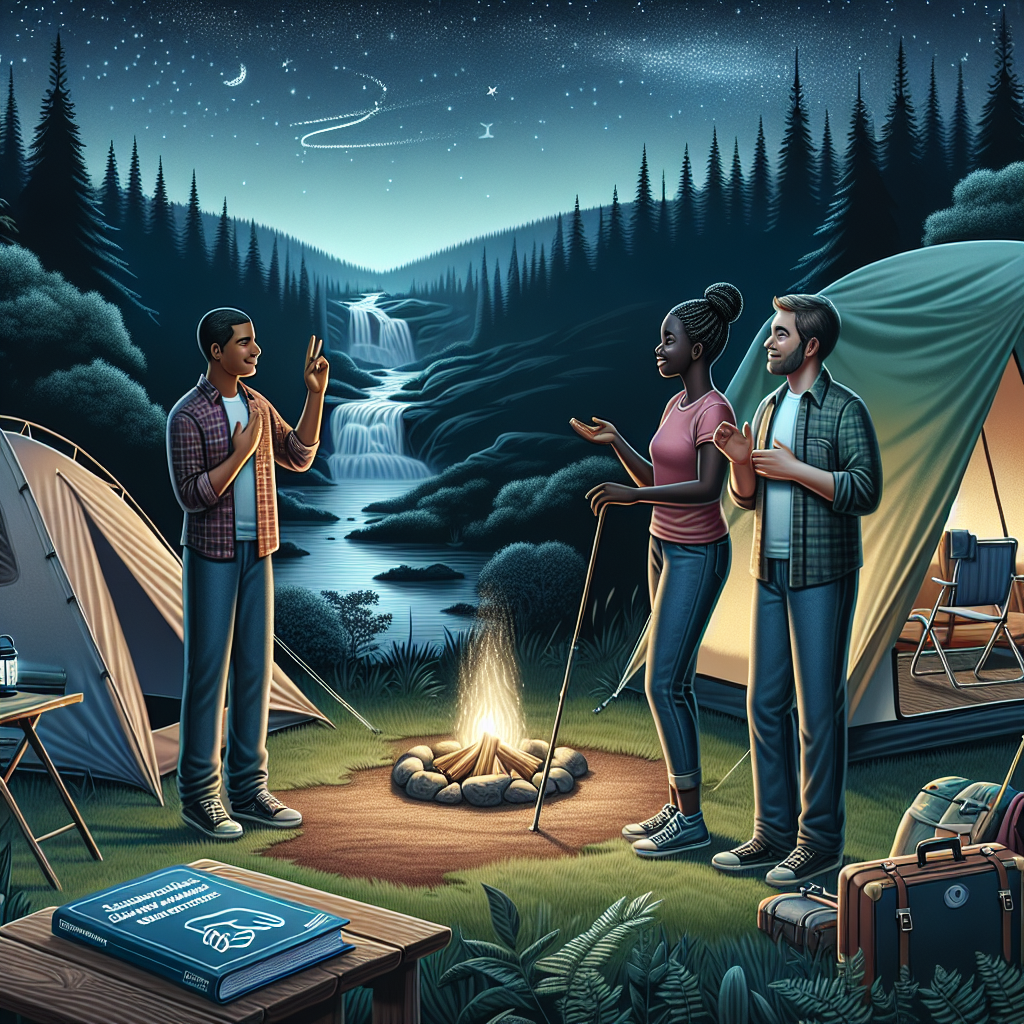
Camping and outdoor adventures offer countless opportunities for fun, relaxation, and personal growth. For the Deaf and hard of hearing community, these experiences can be just as enriching and enjoyable with the right planning and resources. Whether you’re an experienced camper or new to the great outdoors, there are plenty of accessible, Deaf-friendly activities to make your summer adventures memorable. In this article, we’ll explore various tips, resources, and considerations to help create a safe and inclusive environment for everyone to enjoy the wonders of nature. From setting up the perfect campsite to participating in a range of exciting outdoor activities, we’ll cover everything you need to know for a successful and inclusive adventure. So grab your gear, and let’s embark on a journey of discovery and fun!
Planning Your Deaf-Friendly Camping Trip
The key to a successful camping trip lies in thorough planning, especially when considering the needs of Deaf and hard of hearing individuals. Camping in inclusive environments can significantly enhance the experience. Begin with selecting a campsite that offers accessibility features such as visual and tactile alerts for emergencies, and ideally, a location that’s recommended by other Deaf campers. Numerous national parks and private campgrounds provide accessible options; the accessibility pages on their websites usually offer a wealth of information.
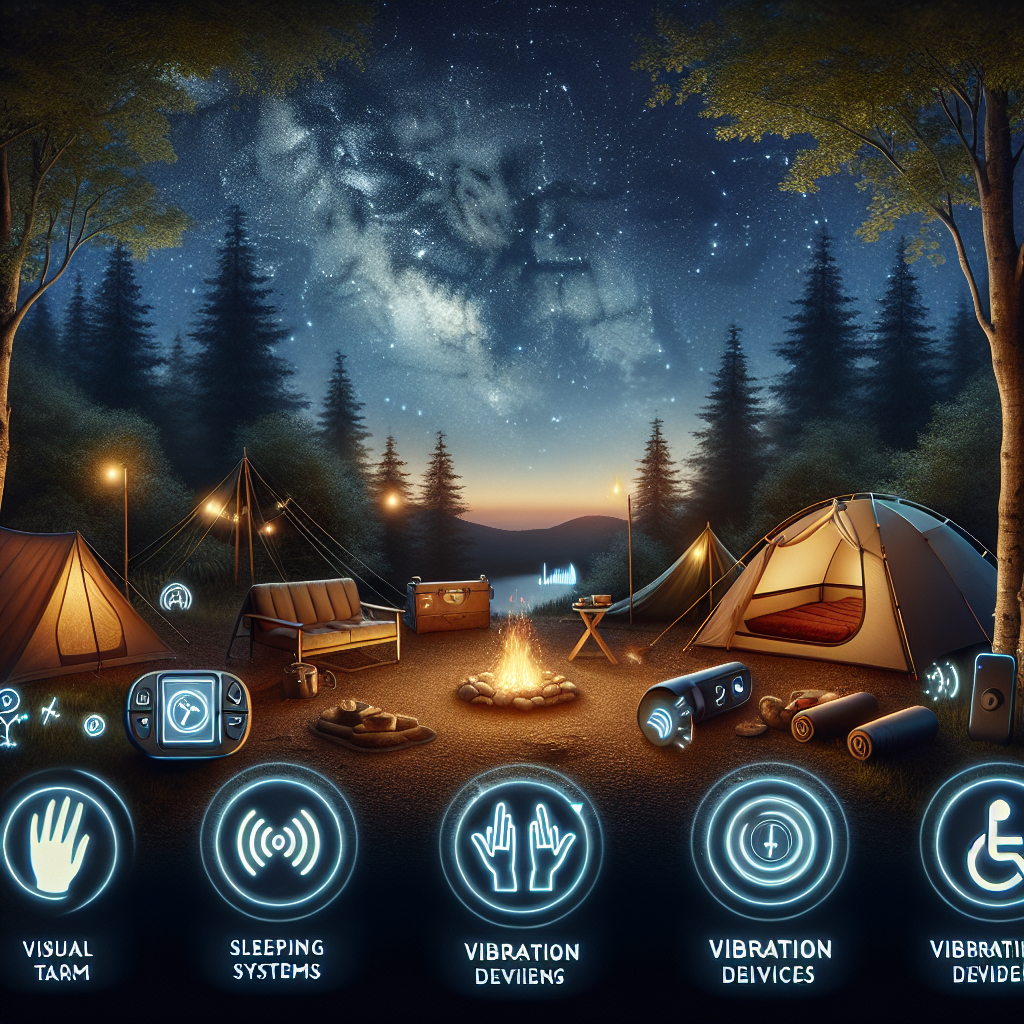
Include considerations for communication methods in your planning. Ensure you have devices such as vibrating alarms and visual alert systems. Bringing along or renting a generator can help power essential equipment, especially for longer stays. Moreover, learning some basic outdoor-specific sign language can go a long way in making communication smoother amongst mixed hearing groups.
Gear and Equipment for Deaf Campers
Camping gear is essential for an enjoyable outdoor experience. For Deaf campers, this means ensuring that the equipment not only caters to basic camping needs but also offers added features to accommodate communication and safety. Invest in tents with clear visibility and space for visual alerts. Outdoor lighting, such as headlamps and lanterns with multiple settings, will help in communicating through sign language after dark. Vibrating alarm clocks ensure you won’t miss early morning activities, and phones or tablets with captioned video call capabilities can be lifesavers for staying connected with emergency services or the rest of your group.
Additionally, if budget allows, consider technology such as the SubPac, a tactile audio system that lets you “feel” sound. This can enhance your experience during guided tours or any activity that involves audio information. Another great addition is a portable charger to keep your devices functional throughout the trip.
Inclusive Outdoor Activities for All
The essence of camping is in the activities that take place outside the tent. Many outdoor activities are naturally inclusive but can be modified to be even more Deaf-friendly. Hiking, for instance, is a great way to experience nature’s beauty and can be made more accessible by choosing trails delineated with visual markers and explanatory boards. National and state parks usually provide detailed maps and descriptions of their trails online.
Fishing is another tranquil, inclusive activity. Ensure safety and clear communication by utilizing visual methods such as flags or lights to signal important signs or alerts. Group games and team-building exercises can be tailored with clear rules and visual components to keep everyone engaged. Water activities such as canoeing or kayaking can be very enjoyable and come with inherent safety practices. Keep visual and tactile communication methods handy at all times.
Interactive Learning Opportunities
Nature provides a vast learning platform. Use this opportunity to engage in interactive educational activities that are fun and enriching. Guided nature walks with Deaf or sign language-friendly guides can offer deep insights into the local flora and fauna. Many parks offer educational programs tailored towards inclusivity – check park schedules and offerings before your trip.
Stargazing can be a magical experience, and many parks have designated Dark Sky spots. Use visual aids such as star charts or stargazing apps to enhance the experience. Wildlife watching can be paired with educational tools or apps that provide information through text and images. Additionally, ditch traditional campfire stories for inclusive storytelling using sign language or visual aids, to make the evenings more inclusive and engaging for everyone.
Supportive Community and Resources
The outdoor community is vast and supportive, with numerous resources available to make camping trips enjoyable for Deaf campers and their companions. Deaf camping groups and online forums provide invaluable support where experiences and tips are shared. Websites like Deaf Camps, Inc. offer organized camping events that are designed to be accessible to the Deaf community.
Social media platforms also serve as incredible resources for connecting with fellow Deaf campers. Facebook groups, Instagram hashtags, and YouTube channels dedicated to Deaf camping and outdoor adventures offer a treasure trove of information and inspiration. Signing up for newsletters from national parks and specialized organizations can keep you informed about accessible events and new resources.
Conclusion
Camping under the stars, surrounded by the serenity of nature, is an experience everyone should be able to enjoy, irrespective of their hearing ability. With thoughtful planning and the right resources, outdoor adventures can be seamlessly inclusive and accessible to the Deaf and hard of hearing community. Whether it’s selecting the right gear, planning accessible activities, or tapping into supportive networks, each step enhances the overall experience.
So, gather your camping equipment, prepare for adventures, and embrace the beauty and freedom that outdoor exploration offers. Making your camping trip Deaf-friendly ensures that everyone can participate fully, creating unforgettable memories in the process. Here’s to countless successful camping trips, filled with laughter, discovery, and a deep connection with the natural world. Happy camping!