
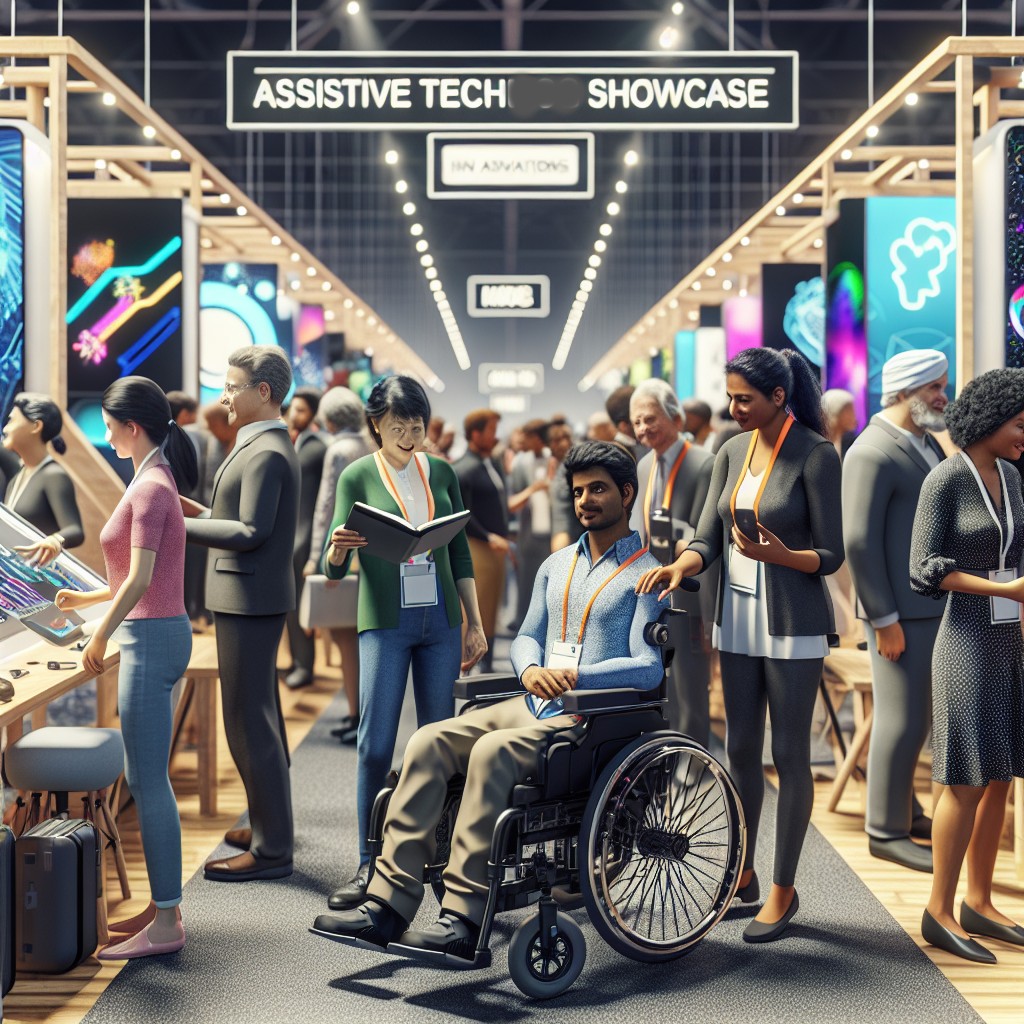
In the modern world, technology has increasingly become a cornerstone of our everyday lives, extending into countless domains, including education. When it comes to Deaf education and awareness, assistive technology showcases a wide array of innovations designed to enhance learning experiences and bridge communication gaps for individuals who are Deaf or hard of hearing. The advancements in this field are not only impressive but also pivotal in ensuring inclusivity and equity in education.
Assistive technology for the Deaf community encompasses various tools and gadgets that facilitate communication, access to information, and overall learning. These innovations range from simple devices aimed at personal use to complex systems integrated into educational settings. The importance of these technologies cannot be overstated, as they empower individuals, providing them with opportunities to fully engage and participate in academic and social activities.
This article aims to delve into the latest developments in assistive technology for the Deaf and hard of hearing. By exploring these advancements, we hope to shed light on the tools that are making a significant impact in Deaf education and how they aid in creating a more inclusive learning environment.
Video Relay Services (VRS)
One of the hallmark advancements in assistive technology for the Deaf and hard of hearing is Video Relay Services (VRS). VRS allows individuals to communicate with hearing people through a sign language interpreter via video conferencing. This is particularly useful in educational settings where direct communication between students and educators is essential.
The service works by connecting the Deaf individual to an interpreter through a video link. The interpreter then communicates the signed messages to the hearing person and vice versa. This real-time interaction ensures that Deaf students can actively participate in classroom discussions, access lectures, and seek clarification on subjects just like their hearing peers.
Moreover, advancements in mobile technology have made VRS more accessible, allowing students to use their smartphones or tablets to connect with interpreters from virtually anywhere. This flexibility ensures that Deaf students are not limited by geographical constraints and can access educational resources as needed.
Captioning Services
Captioning services provide another critical layer of support in Deaf education. Real-time captioning, in particular, ensures that Deaf and hard of hearing individuals have immediate access to spoken content. Captioning can be used in various settings, including classrooms, lectures, and online courses.
There are two main types of captioning services: CART (Communication Access Realtime Translation) and automatic speech recognition (ASR). CART involves a human captioner who transcribes spoken words into text in real-time. This service is highly accurate and particularly beneficial in personalized educational settings where precision is paramount.
On the other hand, ASR technology uses software to convert spoken language into text. While ASR has come a long way and provides a faster, more scalable solution, it is not yet perfect and may struggle with accents, fast speech, or technical jargon. Nonetheless, ASR is a valuable tool, especially for standard content where high accuracy is not as critical.
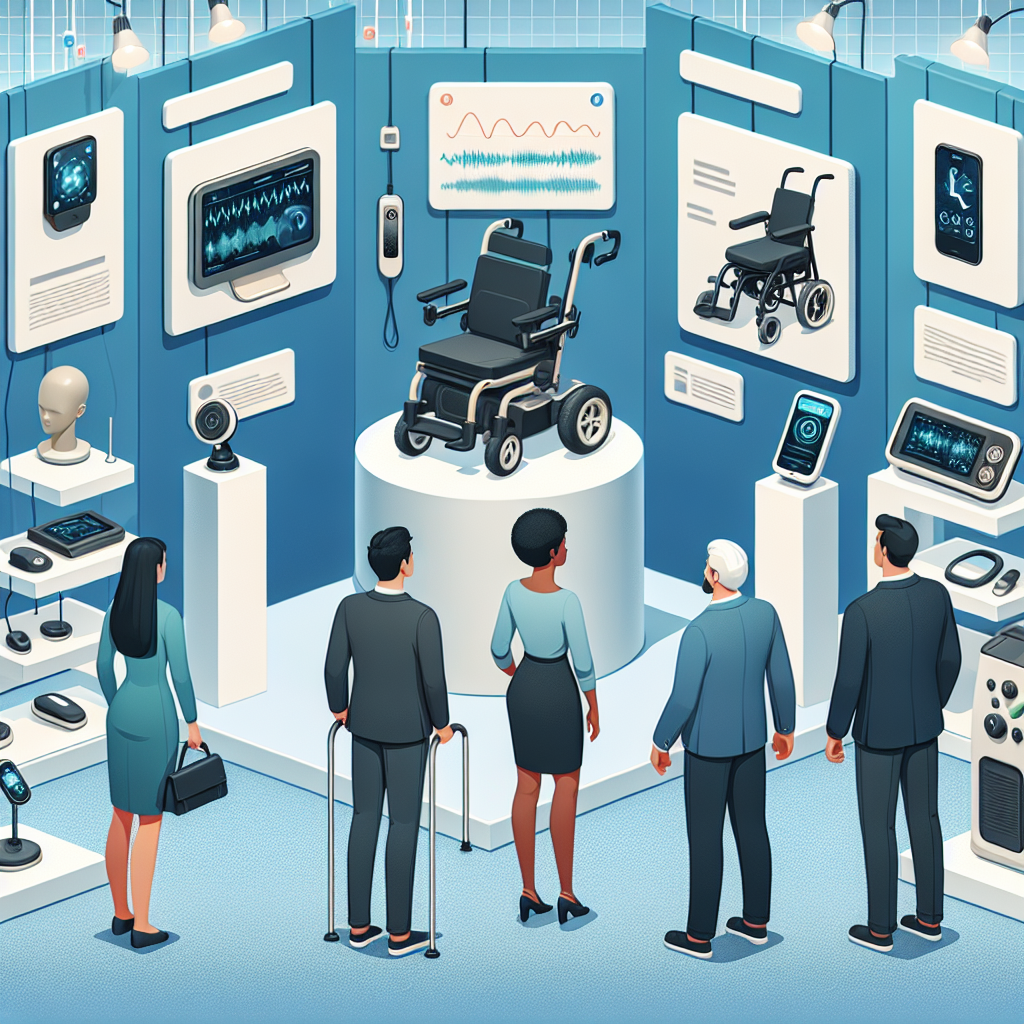
Hearing Aids and Cochlear Implants
Traditional hearing aids and cochlear implants remain fundamental technologies for the Deaf and hard of hearing community. Modern advancements have significantly enhanced their functionality and user experience.
Hearing aids have evolved from simple amplifiers to sophisticated devices tailored to individual hearing profiles and environment conditions. They are designed to filter out background noise, emphasize important sounds, and even connect to other devices such as smartphones or televisions via Bluetooth.
Cochlear implants, on the other hand, provide a solution for individuals with severe to profound hearing loss who do not benefit from hearing aids. Modern cochlear implants convert sounds into electrical signals sent directly to the auditory nerve, bypassing damaged portions of the ear. These devices continue to improve in terms of sound quality, ease of use, and adaptability to different environments.
Assistive Listening Devices (ALDs)
Assistive listening devices (ALDs) are crucial tools that complement hearing aids and cochlear implants by enhancing sound quality and clarity. These devices are particularly beneficial in educational settings where ambient noise and distance from the speaker can impact auditory information.
ALDs come in various forms, including frequency modulation (FM) systems, infrared systems, and induction loop systems. FM systems use radio signals to transmit sound directly from a microphone to the user’s hearing aid or cochlear implant. Infrared systems use light waves to transmit sound, particularly useful in larger venues. Induction loops, also known as hearing loops, transmit sound directly to hearing aids with a telecoil, cutting down on background noise.
By leveraging ALDs, educational institutions can ensure that all students, regardless of hearing ability, receive clear and consistent auditory information during classes, lectures, and presentations.
Accessibility Applications
The rise of smartphones and tablets has opened up a world of accessibility applications designed for Deaf and hard of hearing users. These apps range from communication aids to educational tools, transforming how Deaf individuals interact with the world around them.
Some popular apps include speech-to-text translators, which convert spoken language into written text in real-time, allowing Deaf individuals to follow along in conversations or lectures. Sign language dictionaries and learning tools are also available, helping both Deaf individuals and their peers learn and understand sign language.
Visual alert systems, another category of useful applications, replace auditory cues with visual signals. For example, smartphone apps can be programmed to flash or vibrate in response to alarms, doorbells, or notifications, ensuring that Deaf individuals are aware of important events or messages.
Virtual Reality (VR) and Augmented Reality (AR)
Virtual reality (VR) and augmented reality (AR) represent the cutting edge of assistive technology in education. These technologies offer immersive learning experiences that can be particularly beneficial for Deaf and hard of hearing students.
VR can create simulated environments where Deaf students can practice social interactions and communication skills in a safe and controlled setting. For example, VR can simulate a classroom or workplace where students can engage with virtual peers and instructors, receiving real-time feedback on their performance.
AR can overlay digital information onto the physical world, providing visual cues and information that complement auditory input. In an educational context, AR can display text descriptions, translations, or sign language interpretations directly onto classroom materials or at various locations around a school, enriching the learning experience.
Conclusion
The evolution of assistive technology continues to play a vital role in the lives of Deaf and hard of hearing students. From video relay and captioning services to advanced hearing aids and virtual reality experiences, these tools empower individuals to overcome barriers in communication and access to information. By investing in and adopting these technologies, educational institutions can create an inclusive environment where all students have the opportunity to succeed.
Understanding and utilizing these advancements are essential not only for educators but also for students, parents, and advocates within the Deaf community. Staying informed about the latest developments helps ensure that the best resources are available, fostering an educational ecosystem that meets the needs of every learner.
As we look to the future, the continued innovation and integration of assistive technology hold the promise of even greater accessibility and inclusivity in education. By showcasing and leveraging these tools, we can support the academic and personal growth of Deaf and hard of hearing individuals, paving the way for equal opportunities and success.