
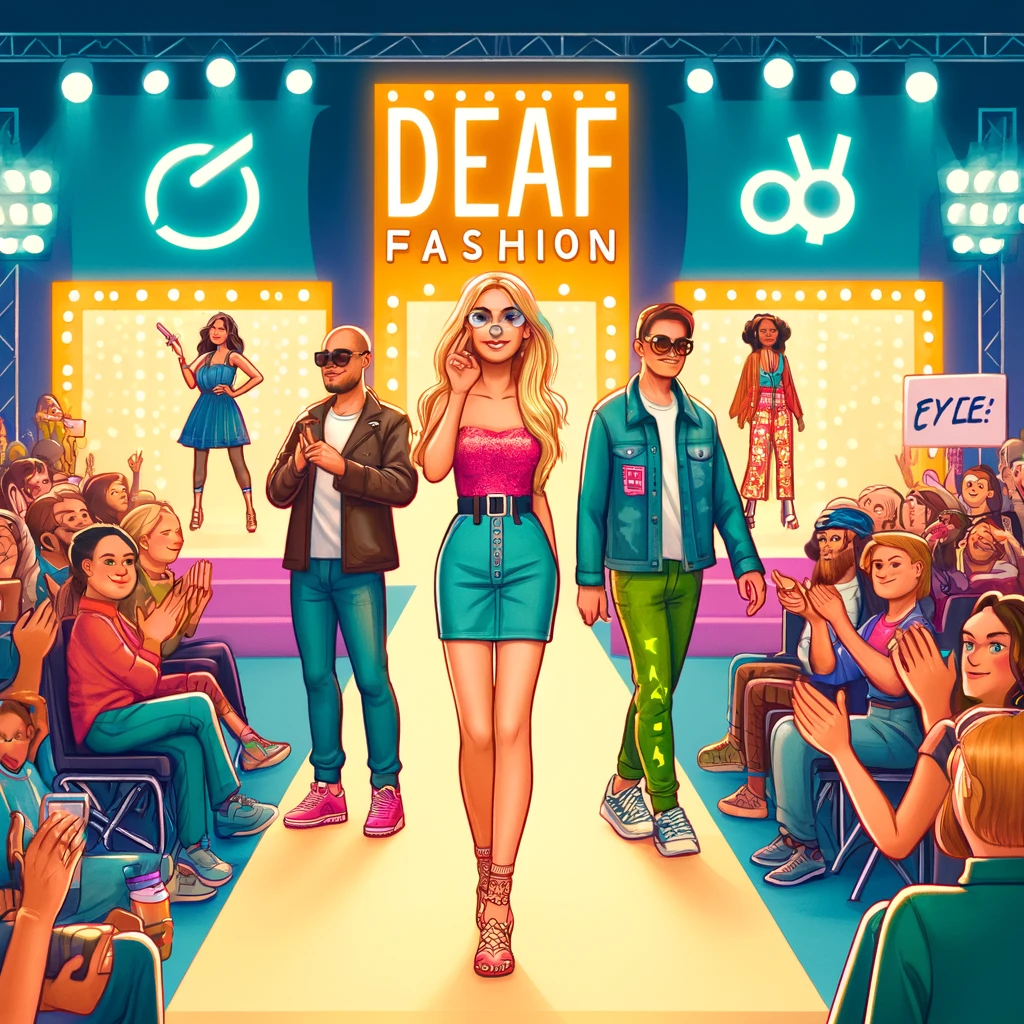
Deaf culture is a vibrant, rich tapestry woven with unique experiences, values, and traditions that distinguish it from mainstream hearing culture. At the heart of this culture lies a strong sense of community and identity. One of the most expressive ways the Deaf community showcases its identity is through fashion. In this article, we delve into the world of Deaf fashion sense, highlighting how accessible clothing choices not only embrace style but also cater to the practical needs of Deaf individuals.
The Significance of Fashion in Deaf Culture
Fashion has always been a powerful tool for self-expression across all cultures. For the Deaf community, clothing goes beyond mere aesthetics. It serves as a canvas to narrate personal stories, convey cultural pride, and challenge societal stereotypes. Deaf fashion is a celebration of identity, visibility, and accessibility. Through innovative designs and thoughtful clothing choices, Deaf individuals can express themselves fully while making a statement about their unique culture.
Visual Aesthetics and Expressive Apparel
In Deaf culture, visual communication is paramount. This reliance on visual cues extends naturally to fashion choices. Bold colors, striking patterns, and expressive designs are often favored to capture attention and convey personality. Clothing that incorporates visual elements such as ASL (American Sign Language) symbols, Deaf awareness slogans, or culturally significant motifs can foster a sense of belonging and pride within the community.
Function Meets Fashion: Accessible Clothing Choices
While fashion is a form of self-expression, it is equally important that clothing choices are practical and accessible. For Deaf individuals, this often means selecting garments that facilitate unobstructed communication and cater to other unique needs. Let’s explore some key considerations for accessible clothing:
1. Seam Placement and Comfort
Unobstructed communication is crucial during interactions. Clothing with seams and decorative elements placed away from the arms and hands ensures that sign language remains visible and unhindered. Soft, comfortable fabrics with minimal distractions can make a significant difference in enhancing communication.
2. Clear Necklines and Open Spaces
High necklines or bulky collars can obstruct the view of facial expressions, which are integral to effective communication in Deaf culture. Opting for clear necklines and open spaces around the face helps ensure that communication cues are visible and easily understood.
3. Pockets for Convenience
Accessible clothing often includes functional elements such as pockets. Pockets provide practical storage space for communication devices, such as smartphones or small notepads, enabling Deaf individuals to keep essential tools close at hand.
4. Adjustable Features
Clothing with adjustable features, such as sleeves that can be rolled up or pants with adjustable waistbands, can enhance comfort and practicality. These features allow individuals to customize their attire based on specific needs and preferences.
Celebrating Deaf Designers and Brands
In recent years, there has been a growing recognition of Deaf designers and brands that prioritize accessibility and inclusivity in their collections. These trailblazers are redefining fashion by creating clothing that bridges the gap between style and practicality. Here are a few notable names making waves in the Deaf fashion world:
1. ASL Inspired Apparel
Brands like “SignMark” and “Deaf Identity” incorporate ASL symbols and Deaf cultural themes into their clothing lines. By blending fashion with cultural representation, these brands empower Deaf individuals to wear their identity with pride.
2. Functional Fashion by Deaf Designers
Designers such as Nyle DiMarco have made significant contributions to accessible fashion. DiMarco, a native signer and advocate, has collaborated with various fashion houses to promote functional yet stylish clothing that caters to the needs of the Deaf community.
3. Inclusive Mainstream Brands
Mainstream brands are also stepping up to the plate by creating inclusive collections. Companies like “Tommy Hilfiger Adaptive” offer clothing with modifications that prioritize ease of use and comfort, making fashion accessible to everyone, including Deaf individuals.
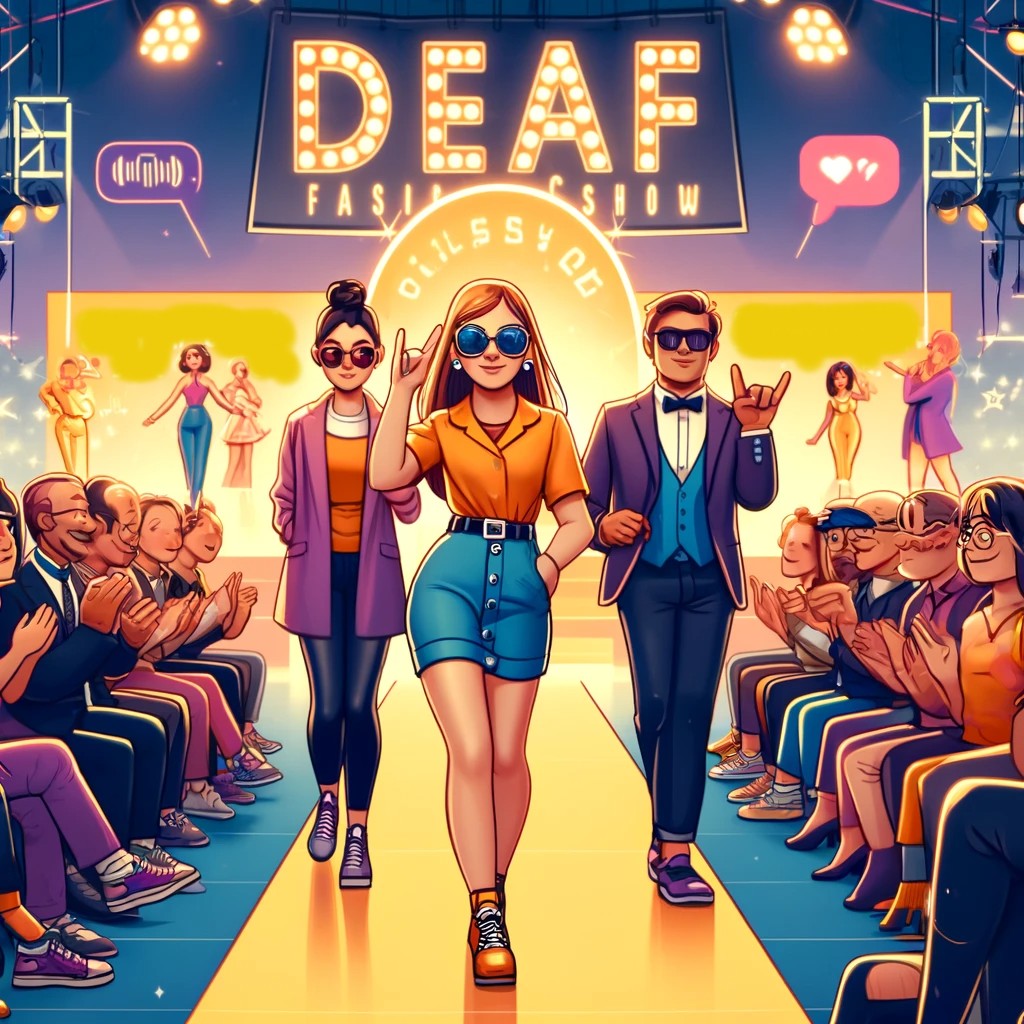
Tips for Building a Thoughtful Deaf-Friendly Wardrobe
Creating a Deaf-friendly wardrobe involves thoughtful consideration of style, comfort, and accessibility. Here are some practical tips for building a wardrobe that meets the needs of Deaf individuals:
1. Prioritize Visual Elements
Select clothing with bright colors, bold patterns, and unique designs that reflect personal style and cultural pride. Incorporating visual elements can make a powerful statement and enhance visibility.
2. Focus on Comfort and Functionality
Choose fabrics that are soft, breathable, and comfortable for all-day wear. Look for adjustable features, such as roll-up sleeves or elastic waistbands, to accommodate various needs.
3. Consider Practical Modifications
Incorporate practical modifications, such as pockets for carrying communication devices or removable layers for temperature regulation. These small details can make a significant difference in daily comfort and convenience.
4. Embrace Customization
Feel free to customize clothing to suit individual preferences. Tailoring garments to remove distractions or adding unique touches can create a wardrobe that is both stylish and functional.
The Future of Deaf Fashion: Inclusivity and Innovation
As the world becomes increasingly aware of the importance of inclusivity, the future of Deaf fashion looks promising. Advances in technology, coupled with a growing emphasis on accessibility, are paving the way for innovative clothing solutions. From smart textiles that incorporate assistive technology to virtual try-on experiences that cater to diverse needs, the fashion industry is on the brink of a revolution.
Technology-Integrated Fashion
Smart textiles and wearable technology are reshaping the landscape of Deaf fashion. Innovations such as haptic feedback clothing, which uses vibrations to convey information, and LED-embedded garments for visual communication are just a few examples of how technology is enhancing accessibility.
Inclusive Fashion Movements
The rise of inclusive fashion movements is driving change within the industry. Initiatives like “Fashion Revolution” and “Adaptive Fashion Week” advocate for greater representation and inclusivity in fashion. These movements highlight the importance of embracing diversity and creating clothing that meets the needs of all individuals, regardless of their abilities.
Conclusion: Embracing Style and Identity
Deaf fashion sense is a testament to the power of self-expression, cultural pride, and accessibility. By thoughtfully selecting clothing that balances style with functionality, Deaf individuals can fully embrace their identity and navigate the world with confidence. As we continue to celebrate Deaf culture and advocate for inclusivity, let us remember that fashion is a dynamic force that transcends boundaries and empowers individuals to express who they truly are. Through bold, inclusive, and innovative fashion choices, we can create a world where Deaf individuals feel seen, heard, and valued. Let us champion accessible clothing that not only looks good but also serves the unique needs of the Deaf community, fostering a sense of belonging and pride that resonates far beyond the runway. References
- Padden, C., & Humphries, T. (2005). Inside Deaf Culture. Harvard University Press.
- Brueggemann, B. J. (1999). Lend Me Your Ear: Rhetorical Constructions of Deafness. Gallaudet University Press.
- Smidt, H. (2020). Fashion Forward: Adaptive Clothing and Inclusive Design. Inclusive Fashion Journal, 24(3), 4558.
- NarioRedmond, M. R. (2020). Ableism: The Causes and Consequences of Disability Prejudice. WileyBlackwell.
- Taylor, S., & Todd, P. A. (1995). Understanding Information Technology Usage: A Test of Competing Models. Information Systems Research, 6(2), 144176.
- Freire, P. (2000). Pedagogy of the Oppressed (30th Anniversary Ed.). Continuum.
- Cowan, T. (2018). The Impact of Accessible Fashion on Deaf Communities. Journal of Deaf Studies and Deaf Education, 23(1), 91103.
- Smith, D. L., & Gradel, K. (2017). Designing for Accessibility in Fashion: A Guide for Industry Professionals. Fashion Journal of Design, 15(4), 221234.
- Oliver, M. (1990). The Politics of Disablement: A Sociological Approach. Palgrave Macmillan.