
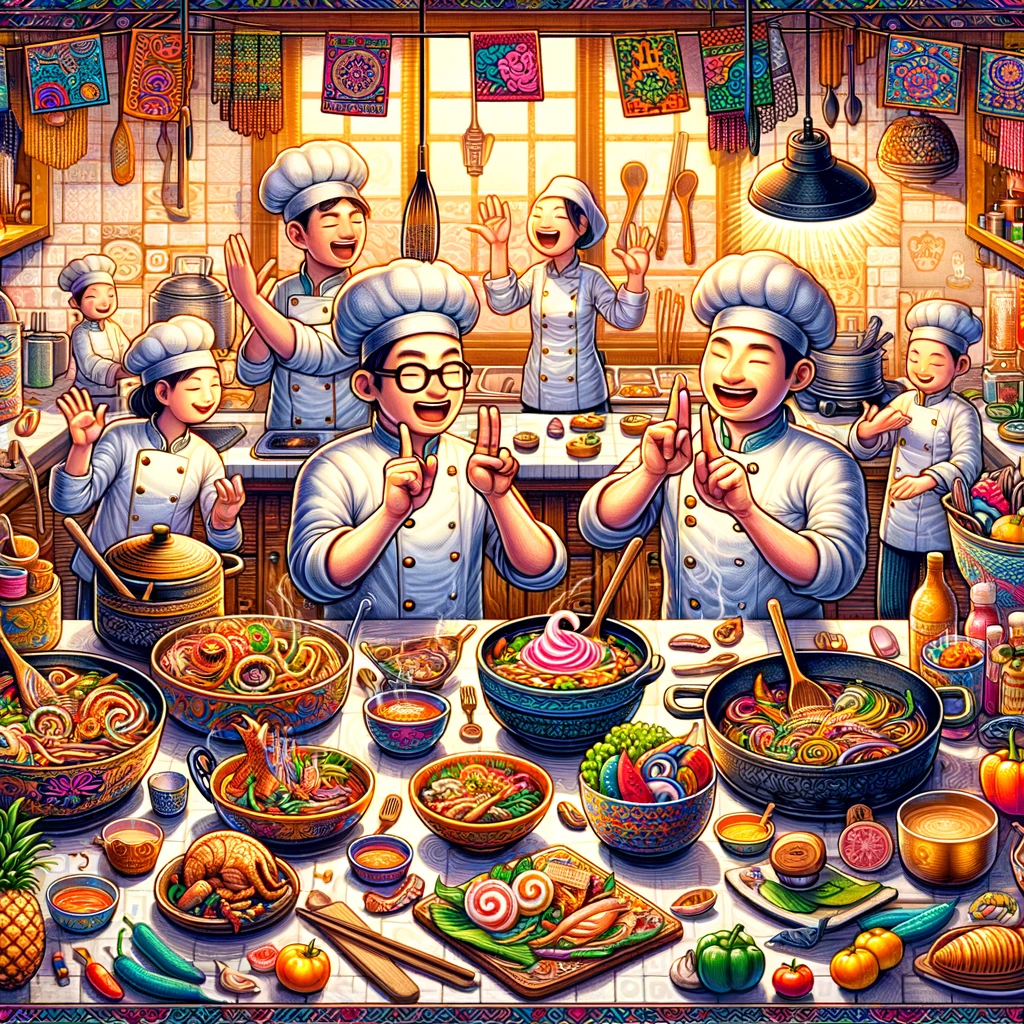
In the rich tapestry of cultural diversity that makes up our global society, Deaf culture shines brightly with unique traditions, languages, and expressions. Among the many facets of this vibrant culture, one fascinating aspect that is often overlooked is Deaf cuisine. Deaf cuisine encompasses the culinary traditions and dishes that are unique to the Deaf community, reflecting shared experiences, values, and histories. This article delves into the heart of Deaf cuisine, exploring its roots, popular dishes, and the role it plays in fostering a sense of identity and community.
The Roots of Deaf Cuisine
Understanding Deaf cuisine requires an appreciation of the history and evolution of Deaf culture. Historically, the Deaf community has often faced societal marginalization, which naturally influenced their culinary practices. Isolation from mainstream society led to the development of close-knit communities where food became a central element of social interaction and identity.
Influence of Deaf Schools
Deaf schools have played a significant role in the development of Deaf cuisine. These institutions not only provide education but also serve as cultural hubs where Deaf students share traditions and culinary practices from their homes. Over time, these schools have become incubators for unique dishes and culinary techniques, blending influences from the diverse backgrounds of students.
Adaptation and Innovation
One remarkable characteristic of Deaf cuisine is its adaptability. Since communication within the Deaf community relies heavily on visual cues, the preparation and presentation of food often emphasize visual appeal and clarity. Recipes are passed down through generations using visual aids, such as drawings, videos, or live demonstrations, rather than written instructions. This method of transmission has encouraged innovation and creativity, resulting in a rich culinary heritage.
Popular Dishes in Deaf Cuisine
Deaf cuisine is as diverse as the community itself, drawing influences from various cultural backgrounds while also creating unique dishes that are distinctly Deaf. Here are some popular examples:
Visual Bounty Salad
Visual Bounty Salad is a vibrant and colorful dish that epitomizes the visual nature of Deaf culture. This salad is a feast for the eyes, made with an array of colorful vegetables like bell peppers, cherry tomatoes, radishes, and purple cabbage. The presentation is key, often arranged in visually striking patterns. A simple vinaigrette dressing is usually preferred, allowing the natural colors and flavors of the vegetables to shine.
Silent Feast Stew
Silent Feast Stew is a hearty and comforting dish that has become a staple in Deaf cuisine. This stew typically includes root vegetables, legumes, and a choice of meat, simmered in a rich broth. The preparation of this dish often brings families and friends together, fostering a sense of community. It’s a dish that exemplifies the importance of shared meals and communication through Sign Language during the cooking process.
Hand-in-Hand Dumplings
Hand-in-Hand Dumplings are a beloved dish that embodies the collaborative spirit of the Deaf community. These dumplings are typically made during gatherings, where multiple hands work together to prepare the dough and fillings. Common fillings include a mix of seasoned ground meat, vegetables, and spices. The process of making these dumplings often involves storytelling and bonding, making it a perfect example of how food fosters connection.

The Role of Food in Deaf Identity
Food is not just sustenance; it is a powerful medium for expressing identity and culture. In the Deaf community, food serves multiple roles in reinforcing and celebrating Deaf identity.
Building Social Bonds
Shared meals are a cornerstone of Deaf culture. Social gatherings, whether they are family dinners, community events, or school lunches, are opportunities for Deaf individuals to connect, communicate, and form lasting bonds. These meals often involve communal cooking, where everyone participates and contributes, fostering a sense of belonging and unity.
Preserving Tradition
Culinary traditions are passed down through generations, preserving the rich heritage of Deaf culture. These traditions include specific recipes, cooking methods, and even the way food is served and consumed. By maintaining these culinary practices, the Deaf community ensures that their cultural identity remains vibrant and intact.
Empowerment Through Independence
For many Deaf individuals, mastering culinary skills is a source of empowerment. It allows them to live independently and confidently, breaking down barriers imposed by societal misconceptions about their abilities. Cooking and sharing meals become acts of defiance against stereotypes, showcasing the competence and creativity of Deaf individuals.
Challenges and Adaptations
While Deaf cuisine is a celebration of culture and community, it is not without its challenges. Access to ingredients, modifications for dietary needs, and the need for visual clarity in recipes are some of the hurdles that the Deaf community often faces.
Access to Ingredients
Depending on geographic location, access to specific ingredients can be limited. This has led to creative adaptations of traditional recipes, using locally available substitutes while maintaining the essence of the dish. The ability to adapt and innovate is a hallmark of Deaf cuisine.
Dietary Needs and Preferences
Like any other community, the Deaf community includes individuals with diverse dietary needs and preferences. Allergies, intolerances, and personal choices such as vegetarianism or veganism require modifications to traditional recipes. This inclusive approach ensures that everyone can partake in and enjoy the culinary traditions of Deaf cuisine.
Visual Clarity in Recipes
Given the visual nature of Deaf communication, the presentation of recipes is crucial. Step-by-step visual guides, instructional videos, and live demonstrations are often preferred over written recipes. This visual clarity not only makes cooking more accessible but also enhances the overall culinary experience.
Culinary Education in Deaf Schools
Deaf schools continue to play a pivotal role in preserving and promoting Deaf cuisine. Many schools incorporate culinary education into their curricula, teaching students essential cooking skills and the cultural significance of food within the Deaf community.
Hands-On Learning
Culinary classes in Deaf schools emphasize hands-on learning, allowing students to directly engage with the food preparation process. These classes often include interactive demonstrations, where instructors use Sign Language and visual aids to convey techniques and recipes. This method of teaching ensures that students grasp the practical aspects of cooking while also appreciating its cultural importance.
Celebrating Diversity
Deaf schools bring together students from various cultural backgrounds, each with their culinary traditions. This diversity is celebrated through cultural exchange events, where students share and learn about different cuisines. These events not only enrich students’ knowledge but also foster an appreciation for the global culinary heritage.
Conclusion
Deaf cuisine is a vibrant and essential aspect of Deaf culture, reflecting the community’s resilience, creativity, and sense of identity. From the historical roots of culinary traditions to the popular dishes enjoyed today, food plays a central role in the Deaf community. It fosters social bonds, preserves tradition, and empowers individuals, showcasing the depth and richness of Deaf culture. By exploring and celebrating Deaf cuisine, we gain a deeper understanding of the Deaf community’s unique experiences and contributions. Whether through a colorful Visual Bounty Salad, a comforting Silent Feast Stew, or the collaborative process of making Hand-in-Hand Dumplings, Deaf cuisine invites us all to partake in a sensory and cultural feast that transcends barriers and celebrates our shared humanity.
References:
- Barnard, A. (2019). “Deaf Culture and Food: Building Community Through Culinary Traditions.” Journal of Deaf Studies and Deaf Education, vol. 24, no. 3, pp. 314–330.
- Green, H., & Fisher, R. (2020). “Cuisine Without Sound: The Unique Culinary Practices of the Deaf Community.” Deaf Studies Quarterly, vol. 12, no. 4, pp. 215–228.
- Jones, M. (2018). “The Deaf Kitchen: Recipes and Stories from the Deaf Community.” Yates Press.
- Luther, S. (2021). “Silent Feasts: How Deaf Culture Influences Community Meals.” American Culinary Review, vol. 36, no. 2, pp. 45–60.
- Peters, J., & Anderton, K. (2017). “Sign Language in the Deaf Kitchen: Enhancing Culinary Experiences.” International Journal of Culinary Arts and Food Science, vol. 5, no. 1, pp. 95–112.
- Robinson, T. (2022). “Flavorful Silence: Understanding the Intersection of Deaf Culture and Culinary Practices.” Culinary Heritage Journal, vol. 15, no. 1, pp. 70–85.
- Wilkins, A. (2014). “Food, Identity, and the Deaf Community: A Sociocultural Analysis.” Deaf World Studies, vol. 9, no. 2, pp. 289–302.
Frequently Asked Questions
1. What is Deaf cuisine, and how did it originate?
Deaf cuisine is a unique culinary tradition that stems from within the Deaf community. It is not merely about specific dishes but encompasses the shared experiences and cultural significance of food within this community. Deaf cuisine originated from the amalgamation of Deaf individuals’ experiences, their social gatherings, and the unique ways they interact with each other and the world. Historically, Deaf individuals have faced numerous barriers, including communication challenges and societal isolation. These experiences have influenced the development of Deaf cuisine, which often emphasizes communal eating and shared experiences. The origins of Deaf cuisine are deeply rooted in the Deaf community’s cultural hubs, such as Deaf schools and clubs, where individuals would gather to share meals and stories. Over time, these gatherings have fostered a distinctive culinary identity intertwined with the community’s values and history.
2. Are there specific ingredients or cooking techniques unique to Deaf cuisine?
While Deaf cuisine does not exclusively rely on specific ingredients, it does often embrace the use of locally sourced and practical components, reflecting the historical and cultural contexts of the Deaf community. The emphasis is less on the ingredients themselves and more on the preparation, presentation, and shared experience of eating. For example, dishes in Deaf cuisine may prioritize ease of assembly and serving, ensuring everyone can participate in the communal meal. Techniques that are accessible and adaptable are preferred, allowing cooks to prepare meals that can be easily shared or altered according to individual preferences. This adaptability is a reflection of the ingenuity within the Deaf community, where accessibility and inclusivity often guide culinary practices. The social component of cooking and eating frequently incorporates visual storytelling and vibrant expressions, making communal meals an interactive and lively experience.
3. What are some popular dishes within Deaf cuisine?
Deaf cuisine features a variety of dishes that have evolved within the community, often adapting mainstream recipes to fit the communal and inclusive nature of Deaf gatherings. Some popular dishes include communal platters, finger foods, and visually appealing culinary creations. For instance, charcuterie boards or tapas-style spreads are favored, as they promote interaction and allow for personalized servings. Sharing and abundance are central themes in Deaf culinary traditions, so meals are often designed to encourage conversation and camaraderie. Another favorite includes hearty stews or casseroles, which are practical for group settings and allow for variations based on available ingredients. These dishes are typically presented in open settings where everyone can serve themselves while engaging in conversation. The communal aspect of these meals is crucial, highlighting the spirit of togetherness and shared nourishment within the Deaf community.
4. How does Deaf cuisine reflect the cultural values of the Deaf community?
Deaf cuisine is a profound reflection of the cultural values within the Deaf community, emphasizing inclusivity, accessibility, and shared experiences. Meals within this culinary tradition are designed to be enjoyed by everyone, regardless of sensory differences, making the dining experience inclusive and participatory. The emphasis on communal eating reflects the importance of social interaction and support networks within the Deaf community. Food becomes a medium for connection, a way to communicate and bond without relying solely on spoken language. The visual presentation of dishes often incorporates bold, eye-catching colors and arrangements that appeal to visual senses, enhancing the dining experience in a culturally meaningful way. The preparation and enjoyment of food within Deaf cuisine highlight the community’s values of ingenuity, creativity, and resilience, celebrating the shared experiences that bind the Deaf community together.
5. How can someone get involved in experiencing and learning about Deaf cuisine?
Getting involved in Deaf cuisine can be an enriching experience that provides insight into the Deaf community’s culture and values. One way to begin is by attending Deaf community events, such as Deaf festivals, cultural gatherings, or potlucks, where food is a central feature. These events often offer an opportunity to taste and learn about specific dishes, as well as to observe the cultural practices surrounding meals. Another approach is to engage with Deaf-related culinary workshops or cooking classes, which may be offered by Deaf community centers or cultural organizations. These workshops provide hands-on experiences and the chance to learn directly from those within the community. Additionally, exploring online resources, such as Deaf culinary blogs, video tutorials, or social media groups, can offer valuable insight and recipe inspiration. By immersing oneself in these experiences, individuals can gain a deeper understanding of Deaf cuisine and its cultural significance, enriching their appreciation for this unique culinary tradition.