
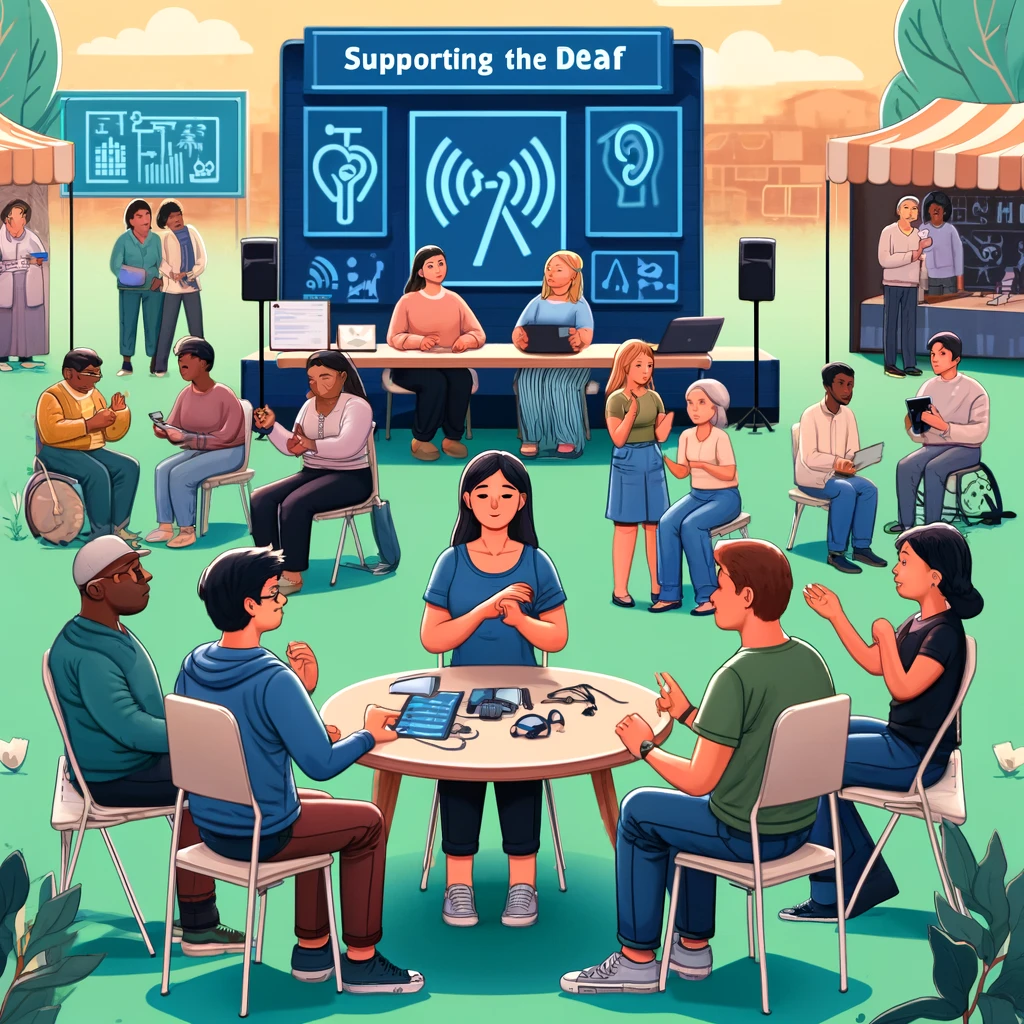
In today’s increasingly diverse society, fostering an inclusive environment is crucial for everyone, including those who are Deaf or hard of hearing. The Deaf community is vibrant and full of rich culture and history, but like many minority groups, it often faces significant barriers to full societal inclusion. Being an effective ally involves more than just goodwill; it requires active engagement and a commitment to understanding and addressing these barriers.
Understand the Basics of Deafness and Deaf Culture
The first step to being an ally is understanding what it means to be Deaf. Deafness is not just a medical condition related to hearing loss; it is also a cultural identity. Many Deaf individuals use sign language as their primary mode of communication and consider themselves part of a distinct cultural group with its own norms and social practices.
Learn about Deaf culture and its values. Respect for sign language, the appreciation of visual arts and expression, and the value placed on direct communication are all integral aspects of Deaf culture. Educate yourself about the differences between “Big D” Deaf, referring to those who identify with the culture and community, and “small d” deaf, referring to the audiological condition.
Engage with Sign Language
One of the most profound ways to connect with the Deaf community is to learn sign language. Sign language is a full and complex language like any spoken language, with its own grammar and nuances. By learning to sign, even just the basics, you not only broaden your own communication skills but also show a deep level of respect and support for the Deaf community’s primary mode of communication.
Local community colleges, community centers, and online platforms offer sign language classes. Additionally, engaging with Deaf culture events or social gatherings can provide immersive experiences that are both educational and enriching.
Support Deaf Businesses and Artists
Supporting Deaf entrepreneurs, artists, and professionals is a direct way to contribute to the economic strength of the Deaf community. Attend Deaf cultural events, purchase products from Deaf-owned businesses, and share their work within your network. This not only helps these businesses grow but also raises awareness about the diversity and talent within the Deaf community.
Advocate for Accessibility
Advocacy is crucial. Many barriers that Deaf individuals face are due to a lack of accessibility. You can advocate for accessible communication options in all areas of public life, including work environments, health care, and educational settings. This could mean supporting the use of American Sign Language (ASL) interpreters, closed captioning services, and other technologies that assist in communication.
Push for policies that support Deaf individuals, like ensuring that televised public announcements have sign language interpretation or captions. Engage with local legislators and community leaders about the importance of accessibility in emergency broadcasts, public events, and educational resources.
Promote Inclusive Communication
Whenever you’re hosting an event or meeting where Deaf individuals might be present, ensure communication is fully accessible. This could include providing ASL interpretation or offering written summaries of spoken presentations. Be mindful of communication preferences, and ask Deaf individuals how they prefer to communicate rather than making assumptions.
In daily interactions, maintain eye contact and ensure your face is clearly visible to aid in lip-reading and facial expressions, which are a significant part of ASL communication. Be patient and open to different methods of communication, and always strive to ensure that information is being shared effectively and respectfully.
Educate Others
Part of being an ally is educating others about the Deaf community. Share your knowledge and experiences related to Deaf culture and accessibility with friends, family, and colleagues. The more people know, the more inclusive and supportive they can be.
Stay Informed and Responsive
Finally, the needs and advocacy points for the Deaf community can evolve. Stay informed about new technologies, legal changes, and community needs by connecting with Deaf organizations and leaders. Listening to and amplifying Deaf voices in discussions about disability and inclusion can help ensure that these perspectives are not overlooked.
Being an ally to the Deaf community is about more than just understanding; it’s about taking concrete steps to support and include Deaf individuals in all aspects of society. By taking the time to learn about Deaf culture, advocating for necessary changes, and educating others, you can make a significant impact on creating a more inclusive world.

Create Inclusive Work Environments
Creating inclusive work environments is another vital area where allies can make a significant difference. This involves ensuring that Deaf employees have equal access to opportunities and resources necessary for their job roles. Employers can do this by investing in training for staff on Deaf awareness and the use of inclusive technologies.
Workplace accommodations might include visual alert systems for sounds such as fire alarms, ensuring all video content is captioned, and providing communication devices that are compatible with hearing aids and cochlear implants. Encourage regular check-ins with Deaf employees to address any ongoing or new accessibility needs they may have.
Participate in Deaf Awareness Events and Education
Many communities host Deaf awareness weeks or similar events aimed at spreading knowledge and understanding of Deaf culture and the issues Deaf people face. Participating in or even volunteering to help organize these events can be a powerful way to show your support and learn more about the community.
Educational sessions that focus on the history, achievements, and challenges of the Deaf community can also be instrumental. These events often feature Deaf speakers, films by Deaf filmmakers, and presentations that are both informative and inspirational.
Respect Privacy and Avoid Tokenism
As an ally, it’s important to respect the privacy of Deaf individuals and avoid the urge to view or treat them as inspirational solely because of their Deafness. Deaf individuals should be valued for their entire identity and contributions beyond just their Deafness.
Avoid tokenism — the practice of making only a symbolic effort to be inclusive. This includes having a Deaf person involved only to show that an event or organization is inclusive, without providing them real opportunities to participate or lead. True inclusion means integrating Deaf individuals fully into all aspects of organizational and social life, allowing them to contribute their skills and perspectives.
Encourage and Support Deaf Leadership
Supporting Deaf leadership within communities, workplaces, and organizations is crucial. Deaf individuals bring valuable perspectives that can lead to more effective and innovative practices, especially in terms of accessibility and inclusion. Encourage Deaf individuals to take on leadership roles and provide them with the tools and support needed to succeed.
Organizations should also consider partnerships with Deaf-led organizations to foster community engagement and ensure that the services and policies they implement are beneficial and appropriate for the Deaf community.
Reflect on Your Allyship
Being an ally is an ongoing process that involves continual learning and reflection. Reflect on your actions regularly to ensure they align with the goals of Deaf advocacy and inclusion. Seek feedback from Deaf individuals and communities to understand how you can improve and what additional steps you can take to be a more effective ally.
Conclusion
Allyship to the Deaf community is an ongoing commitment to understanding, respect, and advocacy. It involves learning about Deaf culture, engaging in supportive actions, and promoting inclusivity in every possible area. By taking the time to implement these practices, you can contribute to building a world that appreciates and celebrates diversity in all its forms, including the rich culture and contributions of the Deaf community.
Together, through education, understanding, and proactive inclusion, we can make a significant difference in the lives of Deaf individuals and ensure they have equal opportunities to thrive. Being an ally isn’t just about helping others; it’s about working together to create a more just and equitable society for everyone.