
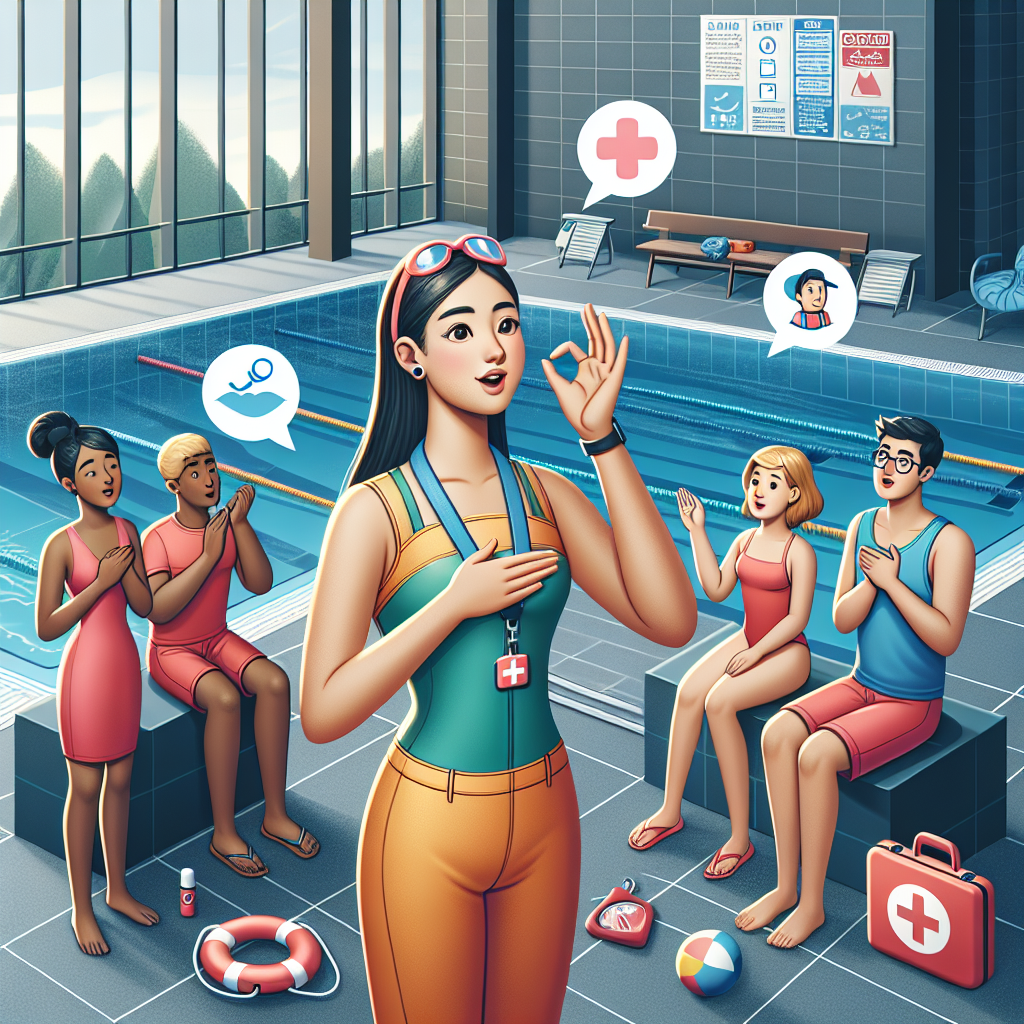
Enjoying aquatic activities is a quintessential part of summer fun. However, for Deaf individuals, safety around water demands special consideration. This comprehensive article provides valuable information and expert tips on ensuring water safety and raising awareness to help create inclusive and enjoyable water experiences for Deaf individuals.
Introduction
As temperatures rise and summer approaches, many people eagerly flock to pools, beaches, and water parks. These destinations offer an excellent opportunity to cool down, exercise, and create lasting memories. However, while water activities can be fun and invigorating, they also carry inherent risks, especially for individuals who are Deaf or hard of hearing.
For Deaf individuals, traditional auditory cues, such as lifeguard whistles, shouts, or warning alarms, may not be accessible. This can make navigating aquatic environments more challenging. Therefore, it is crucial to develop strategies and awareness practices to enhance water safety for Deaf individuals. By implementing these strategies, we can help ensure that everyone has the opportunity to participate in aquatic activities safely and confidently.
Understanding the Unique Challenges
Before diving into specific tips and strategies, it’s important to understand the unique challenges that Deaf individuals may face in aquatic environments. One of the primary challenges is the reliance on visual communication and cues. Deaf individuals often use sign language, lip reading, and other visual forms of communication to interact with others. In a pool, beach, or water park, these forms of communication can be obstructed by water, distance, or rapid movement, leading to potential misunderstandings or missed signals.
Additionally, the inability to hear alarms, whistles, or verbal warnings can pose significant risks. For example, a deaf person might not hear a lifeguard’s warning about a dangerous current or an approaching storm. Similarly, they may not notice auditory cues indicating that they need to leave the water for safety reasons. Understanding these challenges is crucial for developing effective solutions that ensure the safety and enjoyment of Deaf individuals during water activities.
Essential Water Safety Tips
Ensuring water safety for Deaf individuals involves a combination of strategies that enhance awareness, communication, and preparation. Here are some essential tips to consider:
- Visual Communication: Whenever possible, use clear and unambiguous visual signals to communicate. Lifeguards and instructors should be trained in basic sign language and use gestures to indicate important information.
- Buddy System: Encourage the use of the buddy system. Partnering with a friend or family member who can assist with visual communication and keep an eye out for potential hazards can significantly enhance safety.
- Waterproof Communication Devices: Utilize waterproof communication devices, such as waterproof notepads or smartphones in waterproof cases, to facilitate communication without leaving the water.
- Customized Safety Training: Participate in specialized water safety training programs tailored for Deaf individuals. These programs often include sign language instruction, visual aids, and hands-on practice to ensure effective learning.
- Visual Alarms and Alerts: Install visual alarms, such as flashing lights or flags, to indicate potential dangers or to signal when it’s time to exit the water.
Accessible Water Activities
While safety is paramount, it’s also essential to ensure that Deaf individuals have access to a wide range of enjoyable water activities. Here are some fun and inclusive aquatic activities to consider:
- Swimming: Swimming is a fantastic exercise that promotes physical health and relaxation. Ensure that swimming pools have visual aids and trained staff to assist Deaf individuals.
- Water Aerobics: Water aerobics classes designed for Deaf individuals can provide a great workout while fostering community and camaraderie.
- Kayaking and Canoeing: These activities offer a peaceful and engaging way to explore lakes and rivers. Use clear visual signals to communicate with guides and fellow paddlers.
- Scuba Diving: Scuba diving is an exhilarating experience that has seen increasing accessibility for Deaf individuals. Many dive instructors are trained in sign language, making underwater communication possible.
- Water Volleyball: Water volleyball is a fun and social activity that encourages teamwork and communication using visual cues and signals.
Building Awareness in the Community
Raising awareness about the needs and challenges of Deaf individuals in aquatic settings is essential for creating inclusive and safe environments. Community education and advocacy play a key role in this process. Here are some effective strategies to build awareness:
- Educational Workshops: Organize workshops and training sessions for lifeguards, instructors, and facility staff to teach them about Deaf culture, communication techniques, and specific water safety needs.
- Signage and Information: Install clear and visible signage that provides safety information and instructions in multiple languages, including sign language.
- Community Partnerships: Collaborate with local Deaf organizations and advocates to develop and implement inclusive policies and practices in aquatic facilities.
- Awareness Campaigns: Launch awareness campaigns on social media, local news outlets, and community boards to highlight the importance of water safety and inclusion for Deaf individuals.
- Feedback and Improvement: Regularly seek feedback from Deaf patrons and use their insights to continuously improve accessibility and safety measures in aquatic settings.
Technological Innovations
Technology plays a crucial role in enhancing the safety and enjoyment of aquatic activities for Deaf individuals. Several innovative solutions are making waves in improving accessibility:
- Haptic Devices: Haptic feedback devices, such as vibrating wristbands or water-safe wearables, can alert Deaf individuals to important signals or alarms through touch.
- Waterproof Hearing Aids: Advanced waterproof hearing aids and cochlear implants enable Deaf individuals to use their hearing devices in water, improving their ability to detect sound cues.
- Smartphone Apps: Various smartphone apps designed for Deaf users can serve as communication tools, translating spoken words into text or providing visual alerts for signals and alarms.
- Underwater Communication: Specialized underwater communication systems allow divers and swimmers to exchange messages using sign language or text displays, ensuring clear communication even below the surface.
- Visual Mapping Technologies: Augmented reality (AR) and virtual reality (VR) technologies can create virtual maps of aquatic environments, helping Deaf individuals navigate and understand spatial layouts more effectively.
Creating Inclusive Aquatic Programs
Inclusivity in aquatic programs goes beyond just ensuring safety; it involves creating environments where Deaf individuals feel welcomed and valued. Here are some steps to foster inclusivity:
- Inclusive Policies: Develop and implement policies that prioritize accessibility and inclusion, ensuring that all staff members are trained in Deaf awareness and communication techniques.
- Program Customization: Tailor aquatic programs to accommodate the unique needs of Deaf participants. This may involve adjusting class sizes, using visual aids, and incorporating sign language interpreters.
- Diverse Staff: Employ a diverse staff that includes Deaf individuals as instructors, lifeguards, and program coordinators. Their insights and experiences can contribute to a more inclusive environment.
- Community Engagement: Actively engage with the Deaf community to understand their preferences and needs. Regular communication and collaboration can help shape programs that are truly welcoming and effective.
- Accessible Information: Ensure that all promotional materials, schedules, and information about aquatic programs are available in accessible formats, including sign language videos and written text.
Conclusion
Water activities offer boundless joy, relaxation, and opportunities for connection, and it is essential that Deaf individuals have equal access to these experiences. By understanding the unique challenges faced by Deaf individuals in aquatic environments, implementing effective safety strategies, and fostering inclusive practices, we can create welcoming and secure spaces for everyone to enjoy.
From visual communication to technological innovations, the tools and techniques available today make it possible to enhance water safety and awareness for Deaf individuals significantly. Community awareness and education are key components in building inclusive aquatic programs that prioritize the needs and preferences of Deaf participants.
As we move forward into the summer season, let us commit to inclusivity, safety, and enjoyment for all. By taking proactive measures, fostering understanding, and embracing innovative solutions, we can ensure that Deaf individuals have the opportunity to participate in aquatic activities with confidence and enthusiasm, creating lasting memories in the water.