
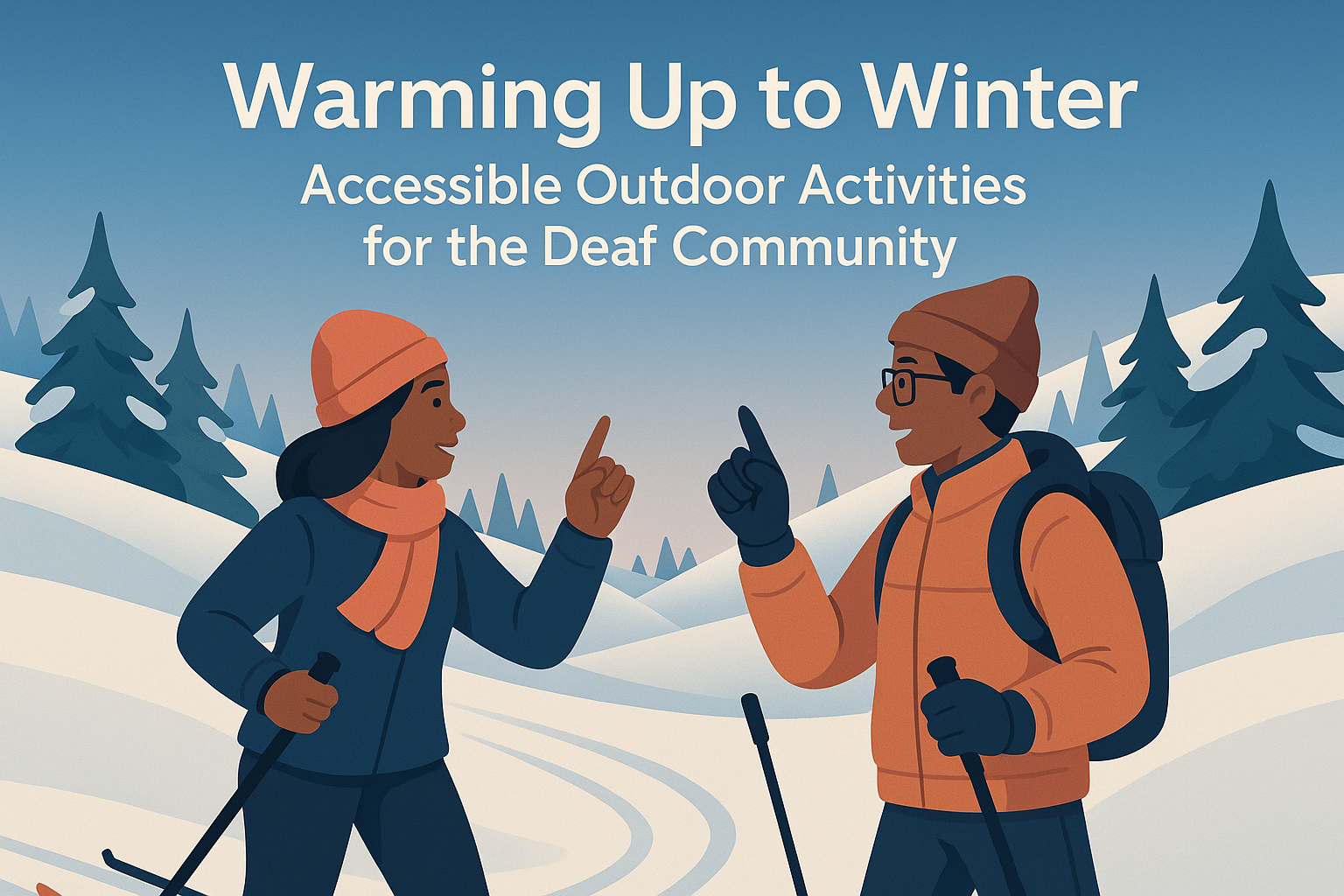
Winter can be a challenging time for everyone, especially for those in the Deaf community who may face additional barriers to enjoying outdoor activities. Many people associate winter with indoor activities due to the cold and often harsh weather conditions. However, the beauty and serenity of winter landscapes offer a unique opportunity for engagement and recreation. Ensuring that these opportunities are available to everyone, including those who are Deaf or hard of hearing, is essential for social inclusion and well-being. In this article, we will explore the importance of accessibility in outdoor winter activities, provide actionable examples of accessible activities, and underscore the benefits such experiences bring to the Deaf community.
Understanding Accessibility and Inclusion
Accessibility refers to making environments and activities usable for people with disabilities, eliminating barriers that prevent participation. For the Deaf community, accessibility might involve providing sign language interpreters, ensuring emergency and directional information can be communicated via visual cues, and adapting communication tools to facilitate interaction. Inclusion, on the other hand, goes beyond mere accessibility; it ensures individuals are valued and accepted, regardless of any disabilities they might have. For the Deaf community, participating in winter activities where their needs are met fosters a sense of belonging and provides them equal opportunities to enjoy what the winter season has to offer.
Skiing and Snowboarding in Deaf-Friendly Environments
Skiing and snowboarding are quintessential winter sports that many people enjoy. For the Deaf community, adapted ski resorts and programs can make these activities more accessible. For example, the Whistler Adaptive Sports Program in British Columbia offers specialized skiing and snowboarding lessons that accommodate the needs of Deaf participants. Instructors trained in American Sign Language (ASL) provide guidance and support, ensuring clear communication on the slopes. These programs offer tailored lessons that allow Deaf individuals to learn at their own pace and emphasize visual safety signals to navigate the slopes confidently.
By making skiing and snowboarding accessible, resorts not only broaden their client base but also create a welcoming environment for everyone. Outdoor sports such as these foster physical health, enhance mood through exercise, and promote social interaction—all crucial benefits that people of all abilities should access.
Hiking and Snowshoeing with Communication Aids
Hiking and snowshoeing offer a peaceful yet invigorating way to appreciate the winter landscape. Trails that are open and equipped with visual signposts or QR codes that link to trail maps can make a significant difference for Deaf hikers. Apps that translate written path instructions into sign language can also enhance the outdoor experience.
Consider the example of Mount Rainier National Park, which has visitor centers equipped with video phones for Deaf visitors to use. Guides and staff members are often trained in basic ASL, making communication easier and more fluid. These features allow Deaf individuals to participate in guided snowshoe walks without missing important information. Additionally, providing visual alarms and emergency signals on snowshoeing paths ensures the safety of all hikers.
- Explore trails with clear visual signposts
- Use apps to translate text to sign language
- Participate in snowshoe walks with ASL-trained guides
These measures help dismantle barriers to participation and encourage the Deaf community to engage with nature actively, enhancing their mental and physical health.
Participating in Ice Skating or Ice Fishing Events
Ice skating and ice fishing are less intense but equally rewarding winter activities. Many community centers and parks organize accessible ice skating rinks with visual aids, like LED lights and staff trained in sign language, to help Deaf skaters communicate adequately. Consider Skateboards’ Skate-Ability event in Minneapolis, which provides lessons for people of all abilities, including those who are Deaf, ensuring that instructors can communicate effectively using sign language.
Ice fishing, too, offers therapeutic benefits, like relaxation and connection with nature. Some fishing lodges provide texting services so participants can request assistance or equipment without needing verbal communication. For example, the Erie Ice Fishing service in Ohio provides a seamless fishing experience by ensuring communication with Deaf anglers through written messages and visible signals.
Adopting such inclusive practices not only opens the door to diverse groups but enriches the community fabric by fostering greater understanding and reducing isolation experienced by many in the Deaf community.
Socializing through Deaf Winter Camps
Winter camps tailored for the Deaf community provide a broad range of activities, such as sledding, storytelling around campfires, and arts and crafts, all conducted where participants can communicate expressively through sign language. These camps focus on collaboration and communication, teaching teamwork and fostering friendships that extend beyond the camp itself.
| Activity | Description | Benefits |
|---|---|---|
| Sledding | Riding down snowy slopes using sleds | Encourages physical activity, fun, and teamwork |
| Storytelling | Sharing stories around a campfire | Enhances cultural exchange and builds friendships |
| Arts & Crafts | Creative activities using varied materials | Fosters creativity and fine motor skills |
At camps like the Camp Mark Seven HID Program in Old Forge, New York, campers experience growth, socialization, and learning through activities specifically designed for those who communicate in ASL. These experiences empower Deaf individuals, enabling them to participate fully in enjoyable and inclusive activities.
Enhancing Inclusivity with Technology and Apps
With the surge of technology, numerous apps and devices now cater to the needs of the Deaf community. For winter activities, apps that provide real-time transcription services are invaluable. Ski resorts, hiking trails, and ice rinks can integrate these apps to offer seamless communication solutions. Additionally, smart wearable devices with vibrating alerts can ensure safety by notifying individuals of nearby obstacles or emergencies during activities.
Real-world examples include the Ava app, which provides instant transcription and is useful during group adventures at winter resorts. Meanwhile, wearable technology like SubPac—personal sound amplifiers—are particularly helpful during music or dance events held on ice rinks. These technologies make winter activities more accessible and enjoyable for Deaf individuals, expanding their potential for engagement and inclusion.
Conclusion: Embracing Winter with Ongoing Efforts for Accessibility
Ensuring that winter activities are accessible to the Deaf community enhances the overall quality of life, fostering inclusion and equitability. From skiing down mountains with visual safety signals to enjoying peaceful hikes with supportive contexts, making winter recreational activities available to everyone enriches community engagement and personal well-being. As skiers race downhill and hikers wander through frosty forests, technological aids, and community sensitivity must continue to evolve to meet the needs of all individuals.
The next step is to actively engage with local community leaders and businesses, advocating for more accessible facilities and inclusive programs. By taking these actions, we can build an environment where the Deaf community thrives in winter’s heart, enveloping everyone in the warmth of shared experiences.
Frequently Asked Questions
1. How can outdoor winter activities be made more accessible for the Deaf community?
Making outdoor winter activities accessible for the Deaf community requires a thoughtful approach. Firstly, ensuring clear communication is paramount. This can be achieved by providing sign language interpreters for guided tours or events and using visual aids to relay information that would typically be delivered orally. Additionally, it’s important to promote sensory experiences that go beyond hearing, such as tactile activities or visually stunning environments like snow sculptures or light displays. You could also use technology such as smartphones or tablets with apps that offer real-time captioning or sign language translation. Making sure that all safety instructions and guidelines are available in multiple formats, including written and visual instructions, is also crucial. Finally, including Deaf individuals in the planning process of these activities ensures that their needs are inherently considered and met.
2. What are some popular outdoor winter activities that are suitable for the Deaf community?
Winter offers a variety of activities that can be deeply enjoyable and accessible for the Deaf community, provided a few accommodations are in place. Ice skating is a popular option, especially because communication can easily occur on the ice through gestures and sign language. Skiing and snowboarding also appeal to many in the Deaf community; on the slopes, skiers often use visual signals to communicate, which blends seamlessly with the communication styles of the Deaf. Guided hikes through snowy landscapes can be particularly captivating as the focus can shift to visual elements like the shimmer of ice on tree branches. Additionally, activities such as snowshoeing, sledding, and visiting winter festivals—all made more inclusive with visual guides and interpreters—provide opportunities for engagement and enjoyment without the need for auditory cues.
3. What challenges do Deaf individuals face during winter activities, and how can they be mitigated?
The primary challenges faced by Deaf individuals during winter activities often involve communication and environmental navigation. Harsh weather conditions can complicate lip-reading, and hats or scarves may obscure facial expressions, which are crucial for sign language communication. To mitigate these issues, communication should primarily rely on clear, unobstructed signing and written materials. For environmental navigation, clear signage and marked pathways become incredibly important. Group leaders or organizers should always ensure that visual cues are prominent and easy to understand. Furthermore, creating buddy systems with proficient signers or incorporating more frequent check-ins with Deaf participants can alleviate concerns and offer assurance that every individual feels included and secure during the activity.
4. How can event organizers ensure the safety of Deaf participants in winter sports?
Ensuring the safety of Deaf participants in winter sports involves multiple layers of preparation. It’s essential to provide thorough orientation sessions where safety guidelines are clearly demonstrated via sign language and visual aids. Safety routes and emergency procedures should have redundancies in visual formats, from color-coded trail signs to easy-to-understand maps with significant landmarks highlighted. Equipping Deaf participants with technology such as GPS devices or devices that alert them to important signals or alarms through vibrations or visual signals can also enhance safety. Additionally, involving staff who are versed in sign language or providing emergency contact information on waterproof cards increases the feeling of security and preparedness for participants and organizers alike. It’s about fostering an environment where Deaf individuals can enjoy activities without undue risk or stress.
5. How can family and friends support Deaf loved ones who wish to participate in outdoor winter activities?
Family and friends can play a pivotal role in supporting Deaf loved ones in outdoor winter activities by educating themselves on the nuances of accessibility. They can learn basic signs relevant to the activity or be ready to assist with interpreting where necessary, creating a more inclusive experience. Supporting the choice of destinations and activities that excel in accessibility also reflects a shared commitment to inclusion. Moreover, ensuring that communication devices or aids, such as smartphones, are fully charged and weather-protected allows for seamless sharing of information. Encouragement is equally important; being patient and inclusive, routinely checking in to ensure comfort and understanding, and fostering a joyful atmosphere greatly enhance the experience for Deaf individuals. This shared encouragement creates a warm, inclusive setting that can turn the cold of winter into a truly memorable time for everyone involved.