
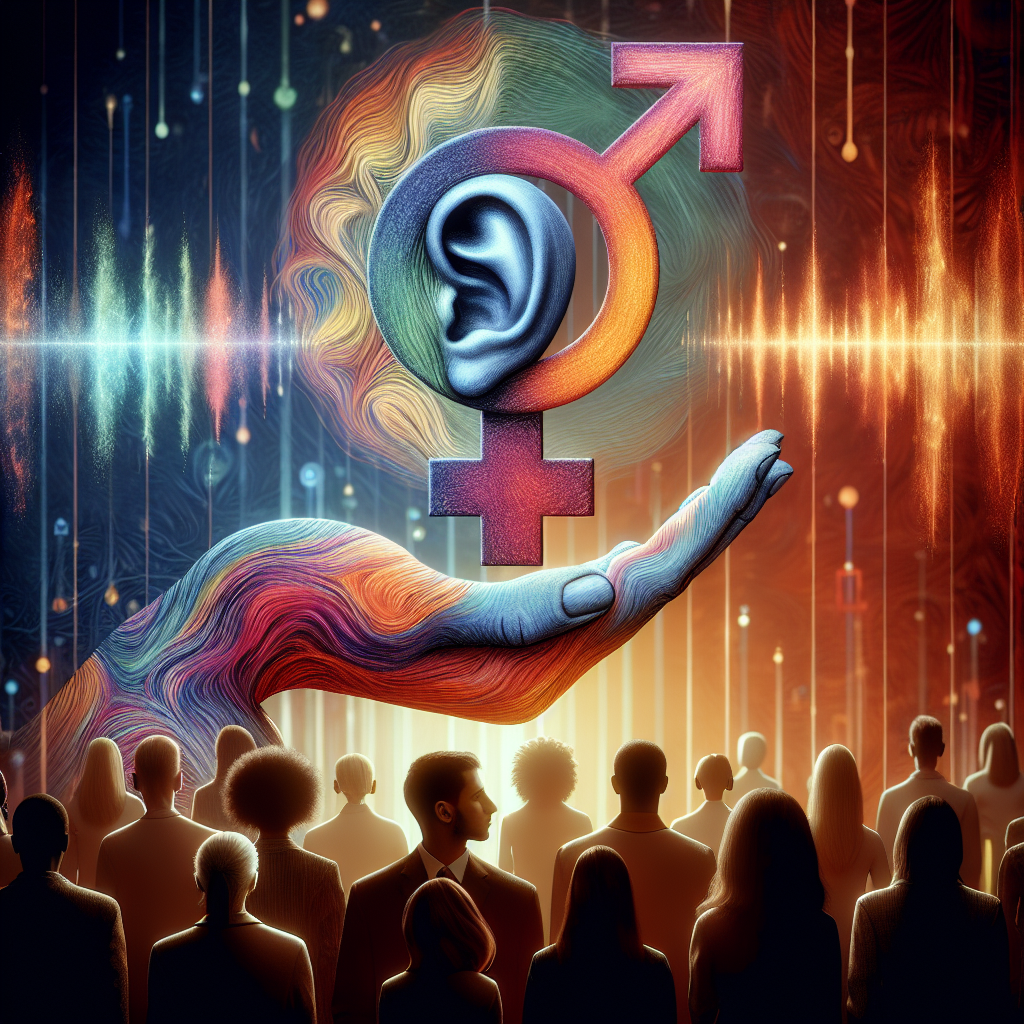
In today’s rapidly evolving society, the intersection of deafness and gender identity represents a unique confluence of diverse personal experiences and societal expectations. For many, navigating these dual identities can present both challenges and opportunities for growth and self-expression. While deafness pertains to the inability to hear, it’s important to recognize it as more than a simple medical condition. It is a cultural and linguistic identity, rich with its own history, norms, and values. Similarly, gender identity goes beyond mere biological attributes, encapsulating one’s personal understanding and experience of gender. Together, these facets form the basis for a broad spectrum of narratives that deserve attention and understanding.
The narratives that emerge from this intersection are profound, revealing the complexities of identity formation and expression when influenced by both deafness and gender. These stories showcase resilience, the fight for recognition, and the push for inclusivity within two spheres that have often been marginalized. Unfortunately, many misconceptions and systemic barriers persist, preventing individuals at this intersection from obtaining full societal acceptance and accessibility.
This article aims to shed light on these narratives, advocating for greater awareness through storytelling and education. By understanding the unique challenges faced by the deaf community, in conjunction with gender identity considerations, we can foster a more inclusive, empathetic society. Storytelling serves not merely as a bridge for empathy but also as a powerful tool for advocacy and change, highlighting the importance of inclusive education systems and policies.
The Importance of Storytelling in Raising Deaf and Gender Awareness
Storytelling serves as a crucial method for raising awareness and educating the public about the intersection of deafness and gender identity. Through personal narratives, individuals can communicate complex experiences in a way that facts and figures often fail to capture. Narratives humanize these issues, drawing listeners into the emotional and experiential realities of those living at the crossroads of deafness and gender diversity.
For generations, storytelling has been an intrinsic part of Deaf culture, serving to preserve history, transmit knowledge, and create a sense of belonging within the community. Integrating gender perspectives into these stories adds a layer of depth, generating broader societal understanding and initiating dialogues that challenge stereotypes and promote inclusivity. These stories prompt listeners to reflect on their own identities and encourage acceptance of diverse life experiences.
Furthermore, storytelling in various forms—be it literature, theater, films, or digital media—can highlight the systemic barriers faced by individuals at this intersection. Such stories underscore not only personal victories but also institutional shortcomings, prompting a call to action within educational and policy-making spheres. Engaging narratives can illustrate the urgent need for reforms in educational practices, healthcare access, and community support systems, ensuring that the voices of all, regardless of their hearing ability or gender identity, are amplified and heard.
Education: Building Awareness and Inclusion for All
Education is undeniably a cornerstone in building awareness and promoting inclusion for those at the intersection of deafness and gender identity. Schools and educational establishments serve as primary environments where inclusivity can be fostered, impacting individual growth and societal perceptions alike. Unfortunately, traditional education systems often fall short, lacking the necessary resources and understanding to support the unique needs of these individuals.
Implementing comprehensive educational programs that address both deafness and gender identity is essential. Such programs should include training for educators on issues of deaf culture, sign language, and inclusive communication strategies. Additionally, curricula should incorporate diverse narratives and histories that encompass gender diversity and deaf community contributions, allowing students to appreciate the richness of these identities.
Beyond curricular changes, educational environments must be physically and emotionally accommodating. This means ensuring accessibility through the availability of sign language interpreters, technology-enabled communication tools, and safe spaces where students can express their gender identity without fear of discrimination or judgment. By embracing these initiatives, educational institutions can become inclusive havens that value and respect all students, irrespective of their sensory or gender identity.

Policy and Advocacy: Striving for Systemic Change
The path toward acceptance and equality for individuals at the intersection of deafness and gender identity also necessitates significant policy reform and advocacy efforts. Current policies often inadequately address the unique intersectional challenges faced by these communities, leading to gaps in access to healthcare, legal recognition, and inclusive opportunities.
Advocacy groups and policy makers play a pivotal role in bridging these gaps. By emphasizing inclusive policies that address both auditory and gender-based considerations, governments and institutions can ensure comprehensive protection and rights for all individuals. This includes the provision of adequate healthcare that is sensitive to gender-affirming needs and the elimination of barriers to obtaining gender-appropriate legal documentation for deaf individuals.
Moreover, investing in community outreach programs that empower local deaf and gender-diverse leaders can further amplify these efforts. By having representatives from both communities actively involved in policy discussions, the resulting frameworks can be better tailored to the real-world needs of these constituencies. Through continued advocacy and legislative advancements, societal inclusion becomes more attainable, moving us closer to a future of true equality and acceptance.
Empathy and Inclusivity: Personal and Societal Growth
Empathy is a powerful driver of inclusivity, helping us understand and appreciate the experiences of others, particularly those that may differ from our own. By nurturing empathy within ourselves and within society at large, we pave the way for meaningful inclusivity, encouraging acceptance of all individuals regardless of their hearing abilities or gender identities.
Personal growth stems from actively listening to and absorbing the stories of those at the intersection of deafness and gender. It leads to broader worldviews, reduced prejudices, and the acknowledgment of the fundamental dignity of all people. On a societal level, this kind of empathy-driven inclusivity manifests as better support systems, diverse representation in media and leadership, and policy frameworks that reflect the values of equality and fairness.
Creating channels for dialogue and opportunities for learning about the narratives and challenges faced by the deaf community with diverse gender identities is vital. Workshops, seminars, and inclusive events can serve as platforms for shared experiences and understanding. These engagements allow participants to challenge their assumptions, breaking stereotypes and fostering social cohesion.
Conclusion: Toward a More Inclusive Future
The intersection of deafness and gender identity represents a rich tapestry of human experience, marked by resilience, creativity, and the ongoing struggle for recognition and equality. By highlighting and understanding this intersection, we contribute to a more inclusive and empathetic world, where everyone has the opportunity to thrive, express themselves, and be valued.
Storytelling and education emerge as pivotal tools in this endeavor. They foster a deeper understanding of the complexities involved in these identities, revealing biases and barriers that need dismantling. Through comprehensive educational initiatives and storytelling, we can cultivate a society that celebrates diversity and fosters environments where all identities are respected.
The journey toward inclusivity requires a collective effort, involving not only individuals from within these communities but also allies, policy makers, educators, and society at large. By advocating for inclusive policies, creating empathetic educational frameworks, and sharing the rich narratives of those at the intersection of deafness and gender identity, we can unlock a future where everyone, irrespective of their identities, can contribute to and benefit from a truly inclusive society.