
Traveling presents various challenges, including the need to manage sleep routines effectively. For deaf travelers, these challenges can be compounded by specific needs related to their hearing impairment. Ensuring a good night’s sleep while on the road is crucial for maintaining energy levels, mood stability, and overall health. Lack of sleep can lead to irritability, decreased cognitive function, and a weakened immune system. Therefore, understanding tips and strategies for maintaining sleep routines is essential for deaf travelers hoping to make the most of their journeys. In this guide, we delve into practical advice and solutions that cater specifically to the needs of deaf travelers. Whether moving through different time zones, staying in unfamiliar environments, or adapting to varying noise levels, these tips will help ensure a restorative sleep experience. From using specialized alarms and communication devices to optimizing room conditions and dealing with potential sleep disruptions, our goal is to provide actionable insights. Access to these insights can empower travelers, allowing them to fully enjoy their adventures without compromising their health and well-being. This comprehensive guide will cover both well-known tactics and innovative solutions, offering a reliable resource for maintaining optimal sleep conditions on the road.
Adopting a Consistent Bedtime Routine
One of the most effective strategies for maintaining healthy sleep patterns is to keep a consistent bedtime routine, even while traveling. Establishing a routine that you follow every night, whether you are at home or on the road, helps signal to your body that it’s time to wind down. This consistency aids in regulating your internal clock. For deaf travelers, who may rely less on auditory cues, visual routines can replace auditory ones, offering consistency and predictability. Consider implementing a gentle visual activity, like reading a specific book or engaging in relaxing screen-free activities before bed as a part of your nightly ritual. Consistency doesn’t only apply to the time you go to bed but also to the time you wake up. Try to wake up at the same time every morning. Even if you are in a different time zone, adjusting your bedtime and waking time gradually can help your body adapt more seamlessly. When navigating through time zone changes, incorporate adjustments in 15-minute increments to ease your body’s transition.
Creating an Ideal Sleep Environment
Crafting the perfect sleep environment is another critical component for maintaining sleep routines while traveling. Control over the sleep environment can vary greatly while being on the road, making it even more important to focus on optimizing these variables. Lighting is a key factor—use blackout curtains or an eye mask to prevent outside light from interrupting your sleep. This is particularly important because altering light signals can significantly disrupt your sleep cycle. Deaf travelers should focus on tactile and visual cues more than auditory for sleep preparation. Temperature control is equally essential. Studies suggest the optimal room temperature for sleep falls between 60-67°F (15-19°C). Ensure that your accommodation offers adjustable heating or cooling systems to cater to personal preferences. Deviations from this range can impact the body’s ability to reach desired sleep stages, so take control of your room temperature when possible.
Utilizing Specialized Alarms and Devices
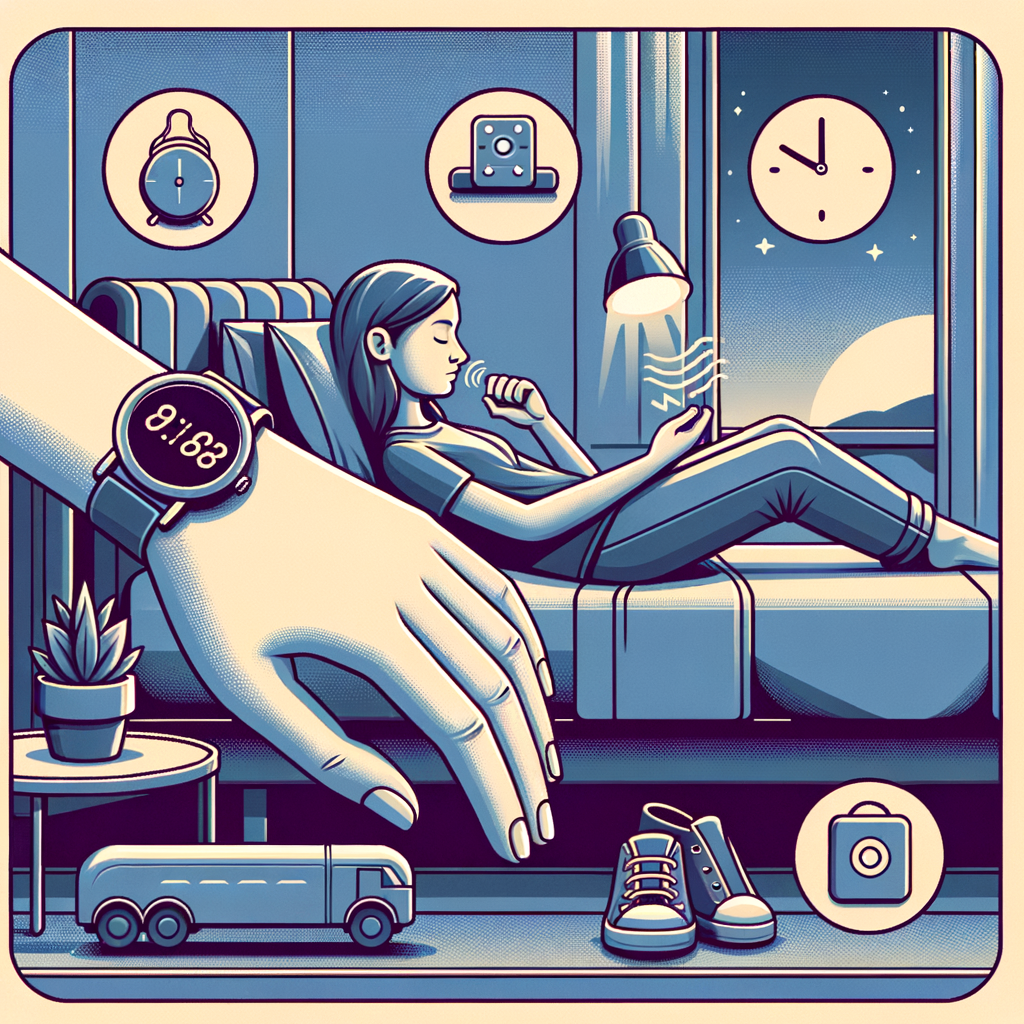
For deaf travelers, waking up on time without relying on sound can be easily managed by using specialized devices. Vibrating alarm clocks offer a solution by using vibrations to alert the sleeper, a very effective substitute for auditory alarms. Some advanced models offer light strobe options, which serve as additional wake-up signals. For a tech-savvy approach, smartwatches or fitness bands that include vibrating alarm features are excellent options. These gadgets ensure you wake up at your preferred time each morning, helping maintain consistency. Staying connected to friends and family is equally important, and might ease anxiety that impacts sleep. Portable wifi devices can maintain connectivity, ensuring you can check in anytime without excessive roaming charges. Video call devices are particularly useful when traveling internationally. Communicating with loved ones can offer a sense of routine and stability, reducing travel stress and promoting better sleep.
Managing Noise Levels
Although deaf travelers might not be disturbed by typical auditory noise, disruptive vibrations or other environmental signals can still disturb sleep. In hotel environments, certain sounds can still transmit vibrations through shared walls or inadequately insulated windows. White noise machines can help mask background disturbances that might be perceptible through other senses. Portable or travel-sized white noise machines provide a constant stream of ambient sound that can soothe nerves and create a relaxing atmosphere. Mobile apps with white noise or nature sounds could also serve as an alternative if carried devices are minimal. These apps offer settings that allow customization of sounds to suit preferences, offering both novel and familiar soundscapes regardless of location.
Dealing with Jet Lag and Time Zone Shifts
Managing jet lag is a universal challenge for travelers crossing time zones, and the methods employed can benefit deaf travelers significantly. Exposure to natural light can be a significant ally against jet lag. Spend time outside during daylight hours to facilitate adjustment to the new time zone, as exposure to light helps regulate your biological clock. Leveraging this natural cue is important in mitigating feelings of fatigue. Avoid sleeping during daylight hours immediately after arriving at your destination. Stay engaged in light activities to keep your body awake until the evening, paving the way for sleep restoration at the local night time. Eating meals at appropriate local times aids in resetting your internal clock. Avoid heavy or rich meals late in the evening, which can interfere with falling asleep.
Incorporating Relaxation Techniques
Incorporating relaxation techniques into your nightly routine can significantly enhance your ability to fall asleep, regardless of surroundings. Practices such as deep breathing, meditation, or light yoga promote relaxation, helping your body release tension accumulated during a day of travel. Consider a brisk walk in the evening to maximize these benefits physically and mentally. These activities can help ease anxiety and prepare your mind and body for rest. Aromatherapy is another avenue to explore. Essential oils like lavender are known for their calming properties. Adding a few drops of essential oil to a diffuser or spray it on a pillowcase can induce a sense of calm and ease stress, facilitating easier transition to sleep. These small practices can make a significant difference, particularly when traveling unpredictably, offering a sense of regularity.
Conclusion
Travel does come with unique challenges that can disrupt sleep, especially for deaf travelers who rely less on auditory cues and more on visual and tactile signals. By proactively planning and utilizing strategies discussed in this guide, one can significantly mitigate disruptions and promote restful sleep experiences when on the road. Implementing consistent bedtime routines, optimizing sleep environments, making use of specialized alarms, effectively managing disturbances, and employing relaxation techniques can ensure that sleep is not compromised during travel. Effective management of jet lag by strategic scheduling and natural light exposure is especially crucial while crossing time zones, and it can significantly enhance the enjoyment of traveling. These practical solutions offer empowerment through preparation and understanding, transforming travel from a tiring expedition into a rejuvenating adventure. As deaf travelers incorporate these methods into their travel practices, they can not only sustain their sleep routines but will also foster positive mental and physical health, ultimately enhancing the entire travel experience. Remember, good sleep is the foundation of a successful, enjoyable journey.
Frequently Asked Questions
1. How can deaf travelers ensure they wake up on time while maintaining a good sleep routine on the road?
For deaf travelers, waking up on time without traditional auditory alarm clocks can be challenging. Fortunately, there are several useful options to help you rise and shine on schedule. Vibrating alarm clocks, which you can place under your pillow or mattress, are an effective tool. They vibrate at your set time without creating any noise, making them perfect for accommodations like hotels where noise may be a concern. Another tech-savvy choice is a smartwatch with a vibration alarm feature. These devices not only help you wake up but also track your sleep duration and quality, giving you insights to help adjust your sleep habits. Using a mobile device with a flashing alert app can be another option when wristbands and under-pillow devices aren’t available. Just program it to flash when it’s time to wake up. Regardless of the choice, synchronizing these alarms with your sleep and wake schedule will help maintain your routine and ensure you don’t sleep through your plans.
2. What strategies can deaf travelers use to create a calm and conducive sleeping environment away from home?
Creating a sleep-friendly environment is essential, especially when you’re away from your familiar setting. For deaf travelers, visual and tactile stimuli take precedence over auditory ones. Begin by managing the room lighting; use blackout curtains or a sleep mask if the hotel room isn’t adequately darkened. If the hotel doesn’t have blackout curtains, bring your own portable black-out shades or even a large towel can do in a pinch. Ensure your sleep space is cozy and familiar. You might consider bringing along small items from home, such as your favorite blanket or pillow. If noise-induced vibrations from the environment keep you awake, earplugs or white noise machines might help, even though deaf travelers might not rely on them directly. And finally, establish a pre-sleep routine that soothes you, involving relaxation techniques like reading, meditating, or warm baths to cue your body that it’s time to wind down.
3. What are some travel-friendly tools that can help deaf travelers monitor their sleep patterns while on the road?
Monitoring sleep patterns while traveling can be incredibly helpful for understanding and maintaining sleep health. Wearable technology, such as fitness trackers or smartwatches, offers sleek, portable solutions that track the duration and quality of sleep. These devices often come equipped with apps that provide detailed insights into your sleep stages, allowing you to adjust your habits accordingly. Additionally, mobile apps designed for sleep tracking can be effective alternatives if you prefer not to wear gadgets while sleeping. While they rely on phone sensors to monitor your movement during sleep, ensuring your phone is placed correctly on your bed (usually near your pillow) is crucial for accuracy. Many hotels offer fitness centers, and a pre-bedtime workout session can help track your overall physical activity, which, in turn, can play into ensuring you’re tired enough for a restful night’s sleep. Remember, consistency is key, so try to gather data over several nights to get a clear picture of your sleep patterns.
4. How can deaf travelers deal with time zone changes to maintain their sleep routine?
Travel across time zones can disrupt sleep schedules, but preparation can help ease the transition. Start adjusting your sleep schedule a few days before your trip by gradually shifting your sleeping and waking times toward the destination’s time zone. A slow transition can mitigate the effects of jet lag. Once at your destination, consider exposure to natural light to help reset your internal clock. Spend time outside, especially during daylight, to help your body adapt more naturally. Eating meals according to local times can further anchor your routine. Avoid caffeine and sleeping pills, particularly upon arrival, as they can extend your adjustment period and impact sleep quality. If your arrival time permits, take a smart nap (no longer than 20-30 minutes) to refresh without entering a deep sleep cycle. Staying hydrated and maintaining a balanced diet also supports your internal clock and sleep regulation.
5. What should deaf travelers do if they face sleeping difficulties due to communication barriers at travel accommodations?
Communication barriers can sometimes add stress that hampers sleep readiness. Being proactive is crucial when you check in at your accommodation. Clearly communicate your needs; most front desk staff are eager to help ensure your stay is comfortable. Provide written requests or use apps specifically designed for communication in such settings if verbal instructions are challenging. Request rooms on higher floors or away from elevators and other potentially noisy areas. If issues arise during your stay (like disturbances from other guests or discomfort with room facilities), using digital communication methods such as hotel apps, emails, or messaging services can be an efficient way to convey your concerns. Also, consider preparing a translation or communication card specifying your needs in multiple languages if you’re traveling internationally. Remaining assertive yet polite until your matters are satisfactorily addressed ensures both you and the hotel staff can collaborate towards a solution that supports your rest needs.