

In today’s increasingly interconnected world, the significance of inclusivity and accessibility cannot be overstated. For the Deaf community, these principles extend into domains that critically impact their quality of life, such as healthcare, mental well-being, and advocacy. Deaf individuals often face unique challenges in accessing healthcare and therapeutic services, due to a range of systemic barriers that exist in traditional service delivery models. These challenges can have far-reaching effects on their physical health, mental health, and overall quality of life. Therefore, there is a pressing need to improve access and awareness regarding therapy services that are specifically tailored to accommodate Deaf individuals.
Understanding the importance of accessible therapy for Deaf individuals requires a review of the distinct communication barriers they encounter and their potential implications. These barriers can manifest in healthcare settings where medical professionals may not possess the skills or resources necessary to effectively communicate with Deaf patients. It is also crucial to highlight the role that specialized therapy can play in promoting well-being and how advocacy efforts can drive systemic change. This article will explore why accessible therapy is vital, the barriers that exist, and potential solutions that advocate for the Deaf community’s rights and needs in healthcare environments.
Understanding Communication Barriers
Communication barriers are often the most significant obstacles faced by Deaf individuals seeking therapy and healthcare services. The most apparent barrier is the lack of proficiency in sign language among healthcare professionals. While American Sign Language (ASL) is recognized as a complete and natural language with its own syntax and grammatical structure, the lack of fluency in ASL by service providers can lead to misunderstandings, misdiagnoses, and inadequate care.
Many healthcare environments still rely heavily on spoken language and written communication, which may not be accessible to Deaf individuals. This reliance can leave Deaf patients feeling isolated and can prevent them from actively participating in conversations regarding their health. Furthermore, this lack of effective communication can lead to a lack of trust in healthcare providers, discouraging individuals from seeking necessary care and support.
Moreover, the underutilization of qualified interpreters and the reliance on family members to serve as interpreters can further complicate matters. Family members may not be fully equipped to handle complex medical terminology, leading to inaccurate interpretations. This can place unnecessary emotional burden on both the patient and their family, potentially leading to a compromise in the quality of healthcare received. Therefore, making therapy services truly accessible involves overcoming these communication hurdles through the incorporation of skilled interpreters and technological solutions that cater to the specific needs of the Deaf community.
The Importance of Specialized Therapy
Specialized therapy can bridge the gap between Deaf individuals and effective healthcare, offering tailored support that accounts for their unique communication needs. Unlike traditional therapeutic settings, Deaf-friendly therapy prioritizes communication methods such as sign language, visual aids, and other assistive technologies to ensure that the patient fully understands the information and care they receive.
Furthermore, therapists who are trained to work with Deaf clients often possess a deeper understanding of the cultural nuances and specific challenges faced by the Deaf community. This culturally competent approach is crucial in establishing a strong therapeutic relationship, which in turn enhances the effectiveness of the therapy. Deaf individuals can benefit significantly from a safe environment that acknowledges their experiences and addresses them with empathy and sensitivity.
Specialized therapy services also focus on mental health issues that may arise as a result of communication barriers and societal marginalization. This can include addressing feelings of isolation, anxiety, depression, and issues stemming from experiences of discrimination. Through therapies that embrace Deaf culture and communication styles, individuals are more likely to engage openly and effectively, facilitating better mental health outcomes.
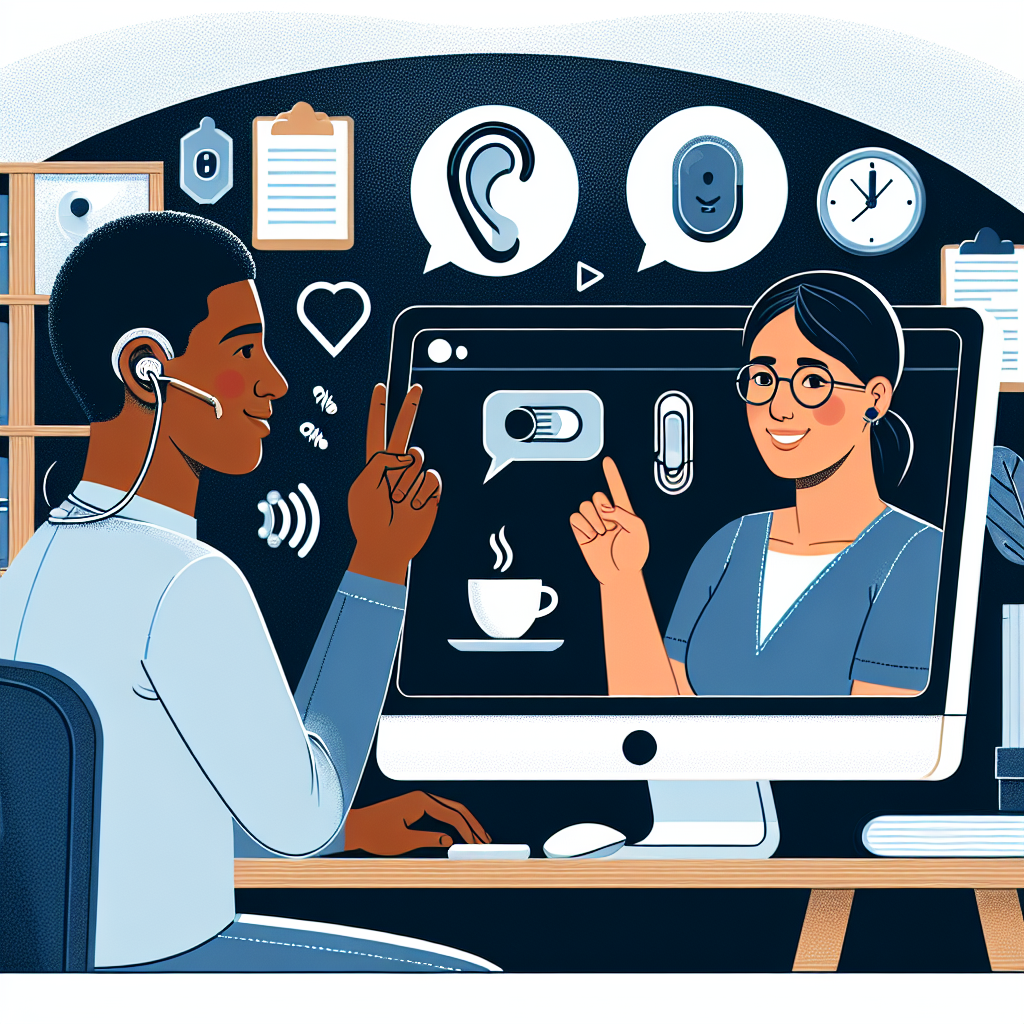
Role of Technology in Accessible Therapy
The advent of technology has opened new avenues for making therapy more accessible to Deaf individuals. Video relay services (VRS) and teletherapy platforms have revolutionized how therapy can be delivered by overcoming geographical and physical barriers. With these technologies, Deaf individuals can access therapy sessions from the comfort of their own home with the use of a qualified interpreter, provided both parties have access to a stable internet connection.
These platforms allow for real-time communication between therapists and clients, with the aid of video conferencing tools that include sign language interpretation. Additionally, technology enables therapists to use visual tools and resources that can enhance understanding and engagement, making therapy sessions more interactive and personalized.
Furthermore, mobile applications and other digital resources have been developed specifically for the Deaf community, which facilitate communication, self-care, and access to resources in an accessible format. By leveraging technology, healthcare providers can ensure that Deaf individuals receive the quality of care that is their right, without the limitations imposed by traditional face-to-face interactions.
Advocacy and Solutions for Systemic Change
Advocacy plays a critical role in spearheading systemic changes within healthcare to improve accessibility for the Deaf community. Individuals and organizations continuously push for policies that mandate the provision of interpreters and culturally sensitive services in medical settings. Advocacy efforts also focus on increasing the number of Deaf individuals within medical professions, thereby addressing the shortage of professionals who can communicate effectively in sign language.
Moreover, legal mandates like the Americans with Disabilities Act (ADA) have a profound impact on ensuring that healthcare facilities are accessible to individuals with disabilities, including those who are Deaf. However, advocacy is required to ensure strict enforcement of these policies, as non-compliance can still pose significant barriers.
Community engagement and raising awareness about Deaf culture are equally important. Through workshops, seminars, and public campaigns, both the medical community and the general public can become more informed about the specific needs and challenges faced by Deaf individuals. Increased awareness helps in fostering a more inclusive society that is cognizant of the importance of accessible therapy and the rights of Deaf individuals.
Incorporating Sign Language in Healthcare Education
To effectively combat communication barriers, it is imperative that sign language education is incorporated into the curriculum for healthcare professionals. By doing so, future medical practitioners will be better equipped to interact with Deaf patients and provide more comprehensive care.
Sign language courses should be made available in medical schools and emphasized as part of professional development for existing healthcare workers. In addition to learning the language itself, training programs should include modules on Deaf culture and the various ways in which communication preferences can differ among Deaf individuals.
This comprehensive approach would result in a healthcare system that is more reflective of the diverse communication needs of its patients. As more healthcare providers become sign language-proficient, the quality of care for Deaf individuals will see marked improvements, leading to better health outcomes and enhanced well-being.
Conclusion
The journey towards making therapy for Deaf individuals more accessible is one that requires collaborative efforts across multiple sectors. It’s not solely the responsibility of the medical field, but also of technology innovators, educators, policymakers, and advocates who must work together to dismantle existing barriers and promote inclusivity. With the adoption of specialized therapy, the incorporation of technology, and increased advocacy efforts, the therapeutic needs of Deaf individuals can be met more effectively.
To achieve this, a commitment to understanding and addressing the unique challenges faced by the Deaf community is necessary. This involves fostering empathy, promoting awareness, and ensuring compliance with legal frameworks designed to protect their rights. When all stakeholders actively participate in fostering an inclusive environment, Deaf individuals are empowered to achieve a level of healthcare equality that enhances their quality of life and well-being.
Ultimately, accessible therapy is not just about facilitating communication between therapists and Deaf clients; it’s about recognizing Deaf individuals as equal participants in healthcare. By improving access and education, we advocate for a future where Deaf individuals receive the empathetic, personalized care they deserve, ensuring their voices are heard, understood, and valued.