
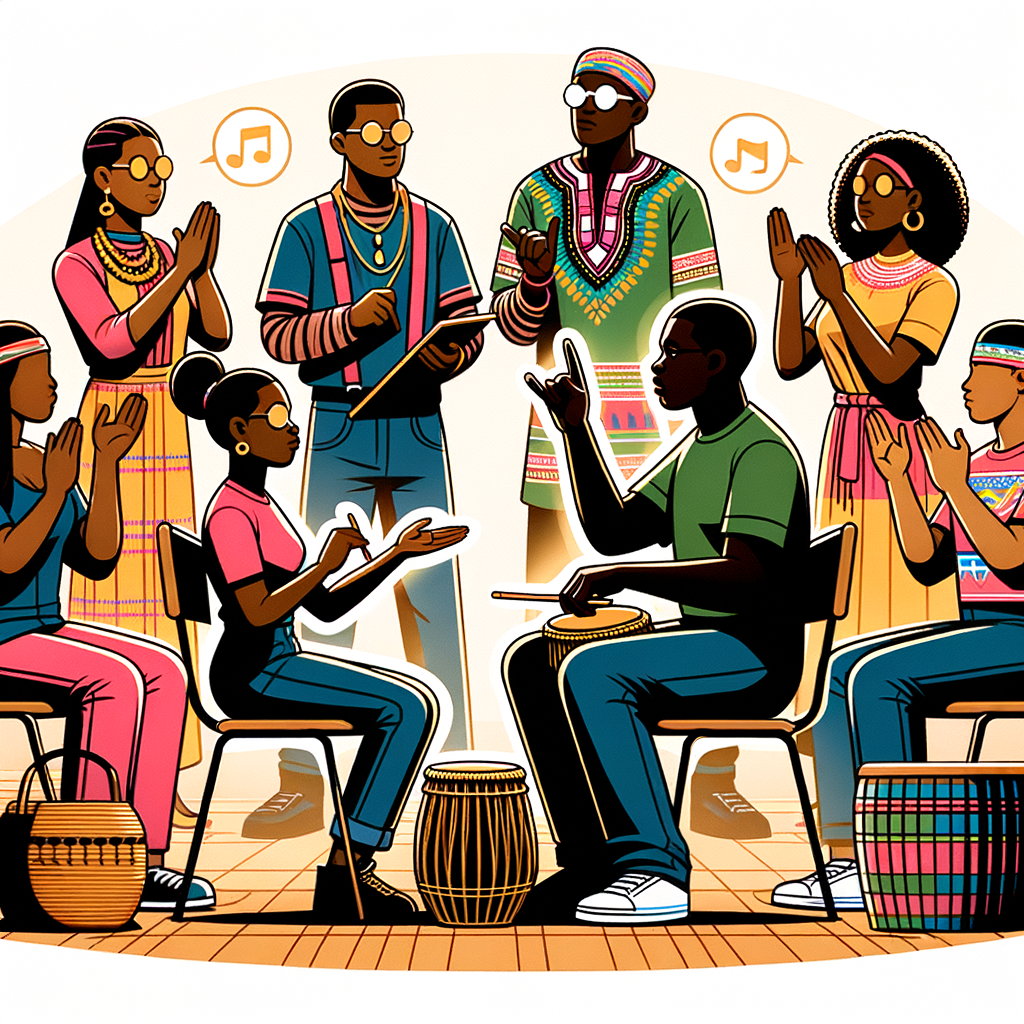
The unique cultural traditions of Black Deaf Americans stand at the intersection of race, identity, language, and community. These traditions arise from a distinct blend of lifelong experiences shaped by dual minorities: being both Black and Deaf in America. While mainstream narratives often overlook this group, their rich cultural heritage offers invaluable insights into resilience, creativity, and solidarity. Understanding the cultural traditions of Black Deaf Americans requires delving into their shared history, language nuances, educational experiences, sociopolitical realities, and vibrant artistic expressions. By exploring these facets, we can appreciate how Black Deaf communities have forged a robust culture that is as multifaceted as it is enduring.
The experiences of Black Deaf Americans are heavily influenced by historical context. The intersectionality of race and deafness presents unique challenges and opportunities. Important to note is how past educational segregation policies shaped the Black Deaf experience, steering the development of cultural traditions within this community. While many people recognize American Sign Language (ASL) as a primary communication tool, few are aware of the variations within sign language influenced by Black culture. These linguistic differences are emblematic of the broader cultural distinctions between Black Deaf individuals and their peers. Cultural festivals, storytelling traditions, and community gatherings within Black Deaf communities serve as crucial expressions of identity and unity. These practices also provide a platform for addressing systemic issues and amplifying Black Deaf voices. By examining the multilayered cultural practices of Black Deaf Americans, we can gain a richer, more nuanced understanding of their contributions to the broader tapestry of American culture.
At the heart of Black Deaf culture is a profound sense of community and shared identity. This collective identity is bolstered by resilience in the face of discrimination and marginalization. The unique traditions within this community often highlight the harmonization of deafness and Black identity. A comprehensive appreciation of these traditions also involves acknowledging the challenges Black Deaf Americans navigate in a world often divided by both racial and auditory lines. This article highlights the cultural traditions that emanate from this vibrant community, shedding light on a lesser-known, yet profoundly significant, segment of American society.
Historical Context and its Impact on Culture
The foundations of Black Deaf cultural traditions are deeply rooted in historical context. The history of segregated schools for the deaf in the United States has had a lasting impact on the development of cultural practices within the Black Deaf community. Schools for Black Deaf children were often underfunded and staffed with fewer resources compared to their white counterparts. These conditions necessitated a spirit of ingenuity and cooperation among students and educators alike. The historical relevance of segregated schools is not merely a tale of adversity, but also a story of resilience and cultural formation.
In these segregated educational settings, a distinct form of ASL, known as Black American Sign Language (BASL), evolved. BASL incorporated linguistic influences distinct from the mainstream ASL spoken predominantly by white Deaf communities. These differences were shaped by a unique use of space, rhythm, and gestures, reflecting the cultural nuances of Black Americans. BASL serves as both a communication tool and a vehicle for cultural expression, helping to preserve and celebrate Black Deaf identity.
The Civil Rights Movement played a significant role in reshaping the landscape for Black Deaf Americans. The stories of Black Deaf leaders during this period are integral to understanding this community’s cultural fabric. Advocates worked tirelessly to raise awareness not only about racial inequality but also about the specific needs of Black Deaf individuals. The dual struggle for racial equality and recognition of Deaf rights found a convergence during the Civil Rights Movement, empowering Black Deaf culture and spurring greater community organization and activism.
Language as a Cultural Marker
Language emerges as a crucial cultural marker in the identity of Black Deaf Americans. For this community, language is more than a means of communication; it is a reflection of cultural heritage and identity. Black American Sign Language (BASL) exemplifies the linguistic richness of this community, marked by distinctive idiomatic expressions, sign variations, and unique grammar systems that differ from traditional ASL.
BASL not only facilitates communication but also serves as a repository for shared history and cultural narratives. It is through language that cultural and ancestral stories are transmitted, ensuring that traditions and history continue to thrive. The nuances of BASL also reflect the creativity and resilience of the Black Deaf community, underlining how language forms a bridge connecting past experiences with current realities.
Cultural traditions often leverage language to address and highlight prevalent social issues. In community gatherings and events, language is used to discuss matters pertinent to both Black and Deaf identities, ranging from systemic oppression to pride in cultural heritage. The ways in which language connects individuals within this community attest to its role as a foundational element of Black Deaf culture.
Educational Experiences and Community Building
Education is a cornerstone in shaping the cultural experiences of Black Deaf individuals. For decades, educational institutions have been battlegrounds for equity and inclusion. Schools and programs that cater to Black Deaf students often become fertile grounds for cultural transmission and community building. These spaces provide opportunities for students to express their cultural identities and develop a sense of belonging.
Historically, Black Deaf schools served as hubs where students, separated by their distinct socio-cultural context, could foster community ties. Tracing their journeys to and from these spaces, students were exposed to a blend of Black cultural experiences and Deaf cultural heritage, fostering an environment where traditions could be shared and passed down through generations.
Contemporary educational initiatives now focus on inclusivity and intersectionality, recognizing the importance of providing resources that cater to the dual identities of Black Deaf students. Mentorship programs and workshops within educational institutions aim to empower Black Deaf students and cultivate their leadership skills, allowing them to champion and promote cultural traditions within their communities.
Artistic and Cultural Expressions
The artistic expressions of Black Deaf Americans offer a vibrant window into the community’s cultural heritage. Music, visual arts, dance, and storytelling all serve as powerful mediums for conveying the rich tapestry of Black Deaf experiences. These art forms celebrate creativity and offer a platform for activism, cultural pride, and education.
In the realm of performing arts, Black Deaf individuals have carved out spaces for themselves in dance and theatre. Through these expressive forms, they communicate narratives that blend elements of Black American culture and Deaf heritage. Dance, especially, incorporates unique gestures and movements that echo both traditional Black dances and Deaf visual storytelling techniques, creating innovative performance pieces.
Visual arts also play a critical role in Black Deaf cultural expressions. Artists often incorporate themes of identity, visibility, and resilience in their work. Art showcases and exhibitions dedicated to Black Deaf artists offer a platform for broader society to engage with and appreciate the nuanced cultural narratives of this community.
Storytelling is another powerful cultural tradition in the Black Deaf community. Sign language storytelling sessions help preserve history and cultural wisdom, passing these narratives on to younger generations. These sessions often involve tales of adversity, triumph, and everyday life, weaving together the threads of Black and Deaf identities to create compelling and instructive stories.
Sociopolitical Realities and Activism
The sociopolitical landscape has always been an arena in which Black Deaf Americans strive to assert their identity and advocate for equity and representation. Black Deaf activists have tirelessly campaigned for equal access to education, healthcare, and employment, addressing unique challenges that arise from the intersection of race and deafness. Their activism fuses both the Civil Rights Movement and the Deaf Rights Movement, embodying the broader pursuit of justice and recognition.
This activism is not limited to spoken or signed movements; it also manifests through artistic expressions such as poetry, film, and narrative art, which often highlight discrimination and strive for a more equal society. Through art and words, Black Deaf activists highlight the challenges faced by the community while also showcasing the resilience and unity that characterize Black Deaf cultural traditions.
Community organizations and networks play a crucial role in supporting and advancing Black Deaf causes. By fostering solidarity and collaboration, these groups work to amplify Black Deaf voices, aiming to dismantle systemic barriers and educate the wider public on the specific challenges faced by this community. Activism in the Black Deaf community is driven by a deep-seated commitment to improving lives and preserving cultural traditions for future generations.
Conclusion
The unique cultural traditions of Black Deaf Americans provide a window into the interconnected nature of race and deafness, offering stories of profound resilience, creativity, and unity. By embracing historical contexts, distinct language styles, rich artistic expressions, educational experiences, and activism, Black Deaf communities have forged and maintained a vibrant cultural identity. Their traditions pay homage to a legacy of innovation and solidarity, showing how identity can be a powerful tool in overcoming adversity.
Understanding these cultural traditions is instrumental in appreciating the broader American cultural tapestry. As society becomes more inclusive, it is crucial to recognize and honor the contributions of those at intersections of multiple identities, such as Black Deaf Americans. By listening to their stories and acknowledging their unique cultural practices, we gain insight into a community that has continuously advocated for inclusion, representation, and justice.
As advocates, educators, and allies, we must continue to lift up the voices and traditions of Black Deaf Americans, ensuring that their narratives and contributions are celebrated and preserved. By doing so, we honor the cultural traditions of a community that has weathered hardships and emerged strong, unified, and distinctly vibrant, reminding us all of the potential for beauty and resilience at the intersections of identity.