
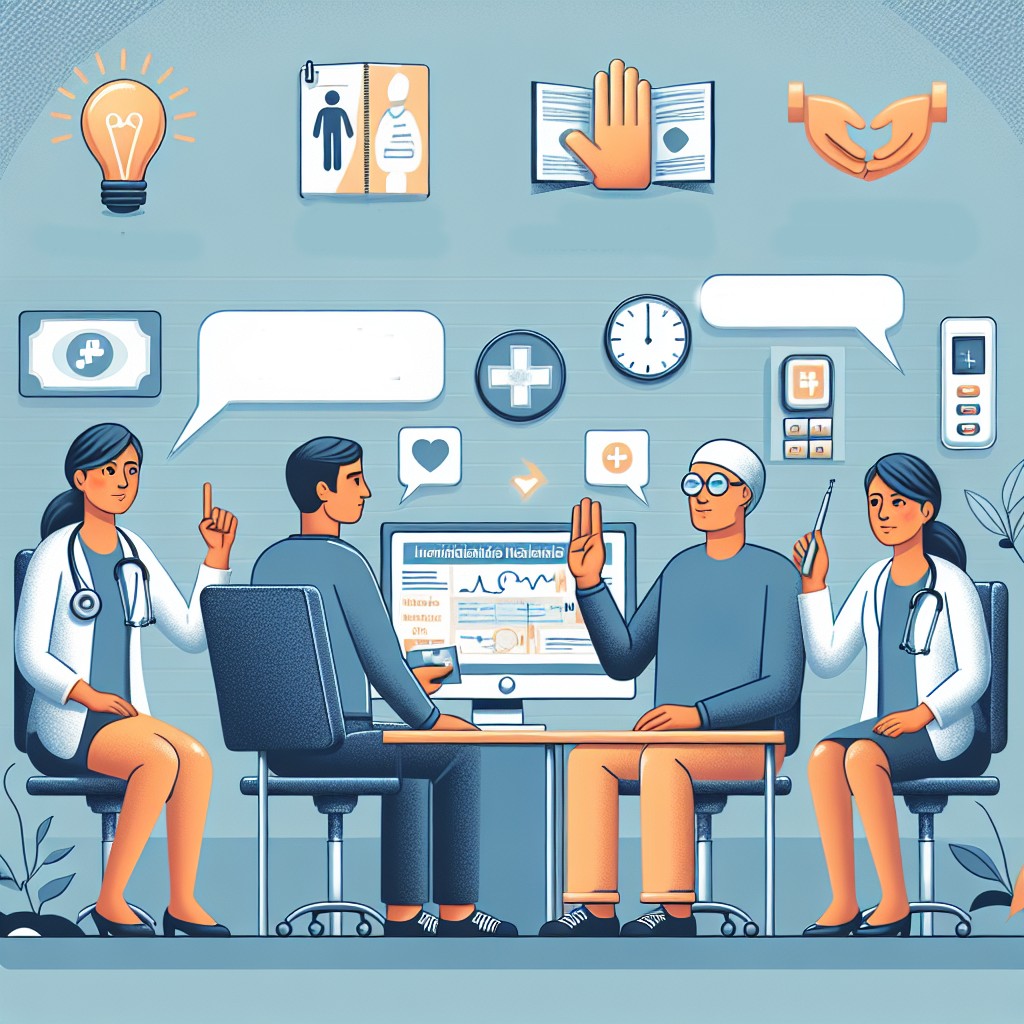
Understanding the challenges faced by members of the Deaf community in healthcare settings is crucial for ensuring their health and wellbeing. This article provides practical tips and strategies for effective communication with healthcare providers, along with advocacy methods for enhanced accessibility. Emphasizing the importance of awareness among both patients and healthcare professionals, this comprehensive guide aims to improve the quality of medical care for individuals who are Deaf or hard of hearing.
Introduction
Accessing quality healthcare is a fundamental right, yet for many individuals in the Deaf community, navigating healthcare settings presents unique challenges. Communication barriers can lead to misunderstandings, misdiagnoses, and inadequate treatment. These issues highlight the need for improved communication strategies and greater cultural competence among healthcare providers.
Deaf education and awareness play a crucial role in addressing these challenges. It’s essential for Deaf individuals, their families, and allies to be well-informed about how to effectively communicate with healthcare professionals, understand their rights, and advocate for necessary accommodations. By doing so, they can ensure they receive the quality care they deserve.
In this article, we will explore various strategies to facilitate effective communication, discuss the importance of advocating for accessibility in healthcare settings, and provide practical tips for both Deaf patients and healthcare providers. Ensuring that healthcare systems are equipped to address the needs of Deaf individuals is not only a matter of inclusivity but also a vital aspect of public health.
Effective Communication Strategies
Effective communication with healthcare providers is the cornerstone of receiving appropriate medical care. For Deaf patients, this requires a combination of self-advocacy and the use of appropriate communication aids. Here are some strategies to consider:
Utilizing Visual Aids and Written Communication
When verbal communication is difficult, visual aids and written notes can bridge the gap. Medical illustrations, diagrams, and written instructions can help convey complex information more clearly. Patients should feel empowered to ask healthcare providers to write down important information such as diagnoses, treatment plans, and medication instructions.
Employing Sign Language Interpreters
One of the most effective ways to ensure clear communication is the use of professional sign language interpreters. According to the Americans with Disabilities Act (ADA), healthcare providers are required to provide appropriate auxiliary aids and services to ensure effective communication with Deaf patients. This includes hiring qualified interpreters, particularly for more complex medical discussions where accuracy is critical.
Using Technology to Enhance Communication
Advancements in technology have opened up new avenues for communication. Video Relay Services (VRS) and video remote interpreting (VRI) can provide real-time interpretation via video calls. Additionally, text-based communication tools such as apps and SMS can be useful for scheduling appointments and discussing non-urgent matters. Mobile apps designed for Deaf individuals can also facilitate communication, offering features such as speech-to-text conversion.
Identifying and Overcoming Barriers
Despite the available communication tools, Deaf patients often encounter obstacles in healthcare settings. Understanding these barriers is the first step towards overcoming them:
Lack of Awareness and Training Among Healthcare Providers
Many healthcare professionals lack the training needed to communicate effectively with Deaf patients. This can result in frustration and miscommunication. Education and training programs on Deaf culture and communication strategies should be integrated into medical curricula and ongoing professional development.
Inaccessible Medical Facilities
Physical accessibility is another concern. Facilities should be equipped with visual alert systems, such as flashing lights for emergency notifications. Additionally, front desk staff should be trained to recognize and address the needs of Deaf patients, ensuring they receive equitable service from the moment they enter the facility.
Inadequate Legal and Institutional Support
Even with legal protections in place, enforcement can be inconsistent. Advocacy is crucial in pressing for compliance with laws such as the ADA. Patients should be aware of their rights and feel empowered to request necessary accommodations. Support from organizations that advocate for Deaf rights can also be instrumental in driving systemic change.
Advocating for Accessibility
Advocacy is a powerful tool for effecting change in healthcare systems. Both Deaf individuals and allies can take steps to promote greater accessibility:
Understanding Rights and Legal Protections
Knowledge is power. Understanding the legal rights under the ADA and other relevant laws enables Deaf patients to advocate for their needs. These rights include access to interpreters, auxiliary aids, and other accommodations necessary for effective communication.
Engaging in Self-Advocacy
Self-advocacy involves actively communicating needs and preferences to healthcare providers. This can be challenging, but preparation and assertiveness are key. Bringing written notes or a support person can help reinforce requests for accommodations.
Collaborating with Advocacy Groups
Being involved with organizations that support Deaf rights can amplify advocacy efforts. These groups often provide resources, support, and avenues for collective action. They can assist in navigating legal issues and offer platforms for voicing concerns and suggestions for improvement within healthcare systems.
Practicing Preventive Healthcare
Preventive care is a critical aspect of healthcare that can be easily overlooked due to communication barriers. Here’s how Deaf individuals can stay proactive about their health:
Regular Health Screenings
Routine health screenings are essential for early detection and management of health issues. Deaf patients should ensure they schedule regular check-ups and screenings pertinent to their age and health history. Bringing a list of questions or concerns to appointments can help maximize the value of these visits.
Health Education and Awareness
Staying informed about common health issues and preventive measures is equally important. Online resources, community health workshops, and educational materials tailored for the Deaf community can provide valuable information on maintaining overall health and wellness.
Building a Supportive Health Network
Creating a network of trusted healthcare providers who are sensitive to the needs of Deaf patients can make a significant difference. This may include doctors, specialists, and other health professionals who are trained in Deaf culture and communication. Building strong, ongoing relationships with these providers fosters better health outcomes and a more comfortable healthcare experience.
Engaging Healthcare Providers
Healthcare providers play a pivotal role in ensuring accessibility for Deaf patients. Here are steps they can take to create a more inclusive environment:
Ongoing Education and Training
Providers should seek ongoing education and training in cultural competence, particularly regarding the Deaf community. Understanding the unique challenges Deaf patients face and learning effective communication strategies can significantly improve patient care.
Implementing Inclusive Policies
Healthcare facilities should establish policies that promote inclusivity and accessibility. This includes having protocols for providing interpreters, making visual aids available, and ensuring that all staff are trained to address the needs of Deaf patients competently.
Fostering a Compassionate Approach
Compassion and patience go a long way. Providers should take the time to listen to Deaf patients’ concerns and ensure they understand treatment options. A patient-centered approach that respects the individual’s communication preferences and needs is crucial for building trust and delivering effective care.
Conclusion
Improving healthcare accessibility for Deaf individuals requires concerted efforts from both patients and providers. By utilizing effective communication strategies, understanding and overcoming barriers, advocating for necessary accommodations, and engaging in preventive care, Deaf patients can navigate the healthcare system more confidently and effectively.
Healthcare providers, on the other hand, must prioritize cultural competence and inclusivity in their practices. Through ongoing education, policy implementation, and compassionate care, they can create a healthcare environment that upholds the dignity and rights of all patients, regardless of their hearing abilities.
Ultimately, fostering an inclusive healthcare system is a shared responsibility. Collaboration, advocacy, and education are key components in ensuring that Deaf individuals receive the quality care they deserve, contributing to their overall health and wellbeing. Together, we can build a healthcare system that is truly accessible to everyone, where no one is left behind due to communication barriers.