

American Sign Language (ASL) is a beautiful, complex, and expressive language used by the Deaf and hearing communities. It is not only a vital communication tool but also an integral part of Deaf culture. One innovative way to engage both learning and cultural appreciation of ASL is through music. Learning ASL through music offers a unique combination of rhythm, melody, and movement, making the learning process both enjoyable and highly effective. This article explores the numerous benefits and methods of learning ASL through music, from song signing to rhythmic expression.
The Intersection of Music and ASL
Music and ASL share an intrinsic connection through rhythm and expression. The idea of combining the two isn’t new, but it is gaining traction as more people realize the multitude of benefits it offers. Rhythmic patterns and melodies can significantly aid in the retention of signs and enhance cognitive connection to the language. The intersection of music and ASL allows for a dynamic approach to language learning, utilizing both the auditory and visual senses to reinforce memory and understanding. This fusion creates a multisensory learning environment that accommodates various learning styles, particularly kinesthetic and auditory learners.
Benefits of Learning ASL Through Music
One of the most significant benefits of learning ASL through music is its ability to engage multiple senses simultaneously, which enhances memory retention. The rhythmic patterns and repetitive nature of songs help learners remember specific signs more efficiently. Additionally, music often evokes emotions, making the learning experience more impactful and memorable. The use of music in learning ASL also fosters a sense of community and connection, encouraging learners to engage with Deaf culture more profoundly. Furthermore, it helps break down language barriers, promoting inclusivity and mutual understanding among diverse groups.
Song Signing: Translating Lyrics Into ASL
Song signing involves translating the lyrics of a song into ASL, which requires a deep understanding of both the language and the music. It is important to note that ASL is not a word-for-word translation of English, but rather its own language with distinct grammar and syntax. When translating lyrics into ASL, one must consider the cultural context, the meaning behind the words, and the appropriate signs to convey the message accurately. This process not only enhances the learner’s ASL proficiency but also deepens their appreciation of the language and its nuances. Watching experienced song signers can be incredibly inspiring and educational for new learners.
Incorporating Rhythmic Expression
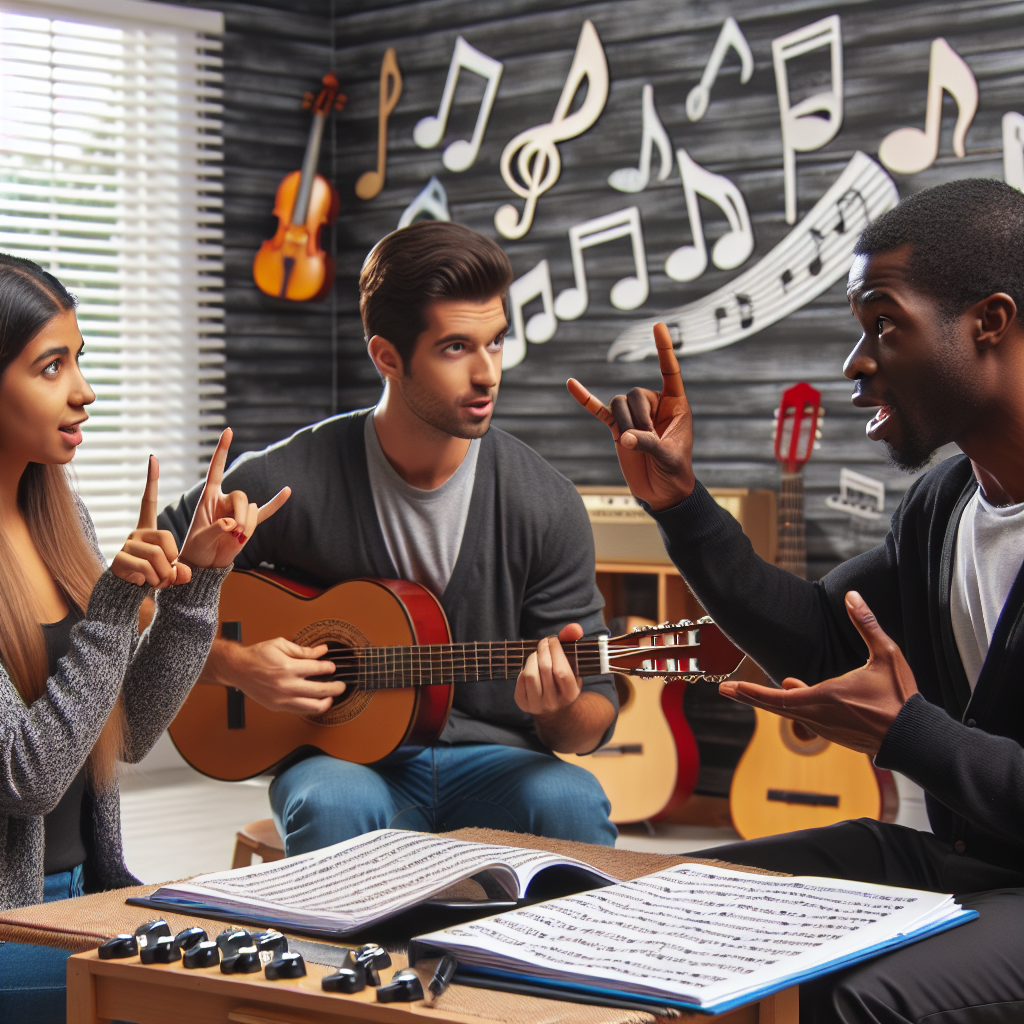
Incorporating rhythmic expression into ASL learning involves using the natural rhythm and beat of music to guide signing. This method helps learners internalize the tempo and flow of signing, making their movements more precise and natural. Rhythmic expression can be particularly useful in developing fluency, as it encourages continuous, fluid movements. Additionally, it helps learners practice timing and coordination, essential skills for effective communication in ASL. Incorporating rhythmic expression can also make the learning process more enjoyable, as it combines movement and music in a harmonious, engaging activity.
Practical Tips for Learning ASL Through Music
Here are some practical tips for those interested in learning ASL through music:
- Choose songs with clear, simple lyrics and a steady rhythm to start with.
- Watch videos of experienced ASL interpreters signing songs to learn accurate signs and expressions.
- Practice signing along with the music, focusing on maintaining the rhythm and flow.
- Record yourself signing and watch the playback to identify areas for improvement.
- Engage with the Deaf community and seek feedback from native ASL signers.
- Attend ASL music events or join ASL choirs to immerse yourself in the culture and practice.
Challenges and Solutions in ASL Music Learning
While learning ASL through music offers many benefits, it also presents some challenges. One common issue is the complexity of some songs, which may feature fast-paced lyrics or intricate rhythms. To overcome this, it is essential to start with simpler songs and gradually move on to more challenging pieces as proficiency improves. Another challenge is the need for accurate translation, as ASL and English are distinct languages with different structures. Collaborating with experienced signers or taking ASL classes can help ensure accuracy and deepen understanding. Additionally, practicing regularly and seeking continuous feedback from native signers can help learners overcome these challenges and achieve fluency in ASL through music.
Conclusion
Learning ASL through music is a creative, engaging, and effective method of language acquisition that benefits learners on multiple levels. It combines the auditory appeal of music with the visual and kinesthetic elements of ASL, making the learning process enjoyable and memorable. From enhancing memory retention and fluency to fostering a deeper connection with Deaf culture, the advantages of this approach are numerous. By incorporating song signing and rhythmic expression, learners can elevate their ASL proficiency and experience the beauty of this language in a new, dynamic way. Whether you are a beginner or an experienced signer, learning ASL through music offers a fulfilling path to fluency and cultural appreciation.