
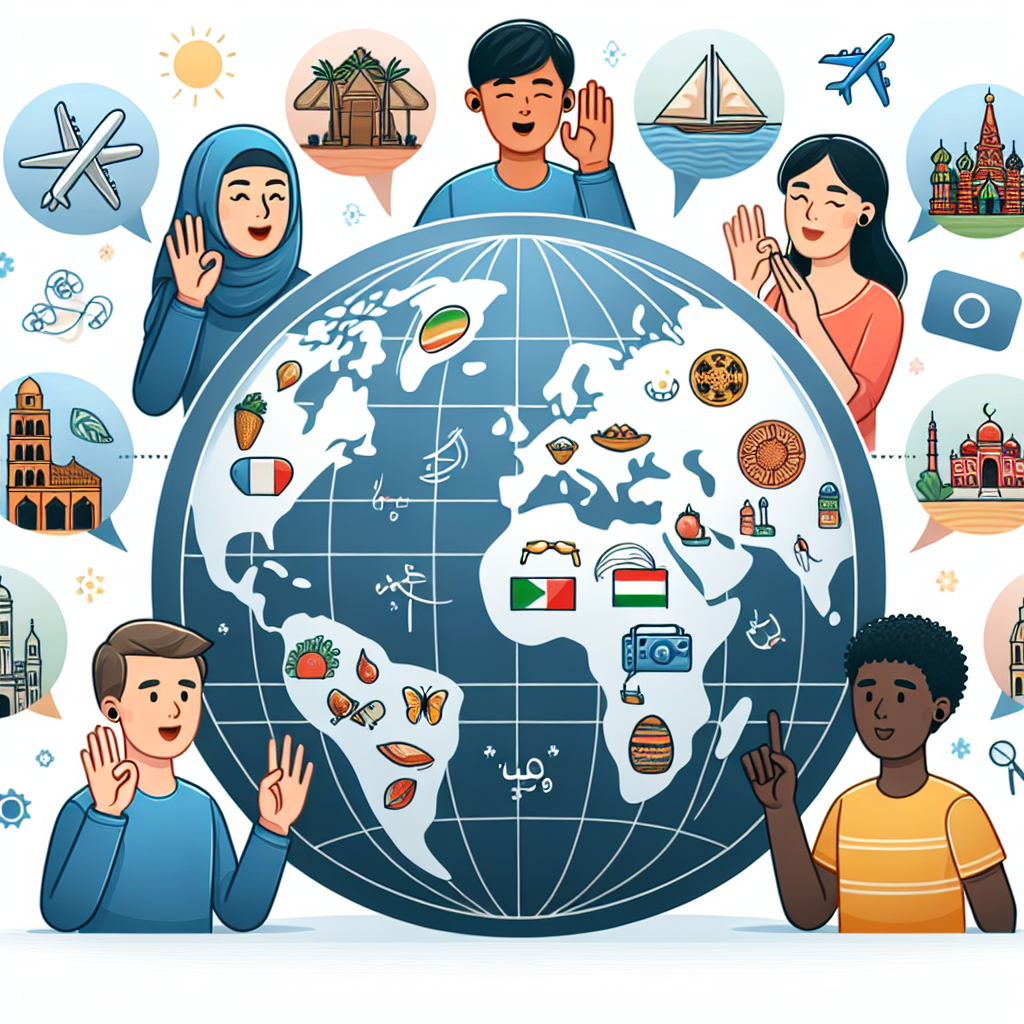
Traveling can sometimes be daunting, but for individuals who are deaf or hard of hearing, it presents a unique set of challenges. Navigating foreign countries, understanding new cultures, and managing communications can be even more complex. However, with planning and the right resources, travel can be an enriching experience for everyone, including the Deaf community. This guide serves to provide indispensable tips and practical advice on how deaf individuals can undertake accessible travel and meaningful cultural exchanges abroad.
From understanding local sign languages to ensuring you have the right tools for communication, we’ll cover it all. The world is ripe with opportunities for discovery and adventure, and there’s no reason the Deaf community should miss out on them. Let’s break down the essential steps and tips to make your travel experience seamless and rewarding.
Research and Preparation
Success in accessible travel starts long before your departure date. Thorough research and meticulous preparation are your best allies. Begin by choosing destinations known for their Deaf-friendly facilities and services. Countries like Sweden, Japan, and the United States have well-established infrastructures and legal frameworks supporting the Deaf community.
Understanding the local culture and any potential communication barriers you may face is equally crucial. Look into whether the destination has a recognized sign language and how widely it’s used. Utilize forums and communities for Deaf travelers online to gather firsthand advice and destination-specific tips. Websites like DeafGlobeTrotter.com or Reddit communities like r/deaf can offer invaluable insights from fellow Deaf travelers.
Don’t forget to research and prepare any legal documents or medical requirements needed for your travels. For example, bring along medical records stored digitally or as hard copies, just in case you need them. Also, ensure that your travel insurance covers your specific needs, including any assistive devices you may carry.
Communication Tools and Apps
In today’s technologically advanced world, numerous tools and apps can significantly enhance your travel experiences. One indispensable tool is a portable video relay service (VRS) device. These devices allow you to make phone calls to hearing individuals via a sign language interpreter, thereby bridging communication gaps effectively.
Mobile apps also offer fantastic resources for the Deaf community. Apps like Rogervoice and Ava allow real-time speech-to-text translation, transforming spoken language into text displayed on your mobile device. Sign language apps like Signily and Mimix3D can also be incredibly useful when you need to convey something specific to a non-signing individual.
Consider carrying a portable battery pack to ensure your devices remain charged throughout your excursions. It might also be handy to bring along a small notebook and pen for those situations where digital communication isn’t feasible. The more prepared you are for various scenarios, the smoother your journey will be.
Choosing Accommodations
Your choice of accommodation can significantly impact the ease and enjoyment of your trip. When booking, look for hotels and hostels that are recognized as Deaf-friendly. These establishments often have visual alarm systems, text telephones (TTY), and staff trained to communicate effectively with Deaf guests. Websites like Booking.com or Airbnb often have filters to help you find such accommodations.
If you can’t find Deaf-friendly accommodations, don’t be disheartened. Contact the hotel or hostel in advance to inform them of your needs. Many establishments are willing to make necessary adjustments if given adequate notice. Explain your requirements clearly, such as needing a vibrating alarm clock or visual doorbell.
Consider also staying in places that are centrally located to minimize transportation hurdles. Being closer to the city center means more accessible public services, restaurants, and attractions within walking distance, reducing your reliance on potentially complicated transportation systems.
Navigating Public Transportation
Public transportation systems vary significantly from country to country, and mastering them can be a challenge for Deaf travelers. Before you travel, make sure to research the public transportation options available at your destination. Download maps and timetables, and familiarize yourself with the routes and schedules.
Look into procuring transportation cards or passes in advance, which can simplify your travels. Apps like Google Maps often provide real-time public transit updates and can be immensely helpful. Additionally, many cities have begun integrating text and sign language support into their public transit systems.
If you’re unsure, don’t hesitate to ask for assistance. Many stations and vehicles have information desks where staff can provide guidance. Use written notes or translation apps to communicate your questions. Most people are more than willing to help if approached kindly and clearly.
Enjoying Local Experiences and Cultural Exchange
One of the most rewarding aspects of travel is immersing yourself in new cultures and experiences. For Deaf travelers, participating in local events and activities can provide a unique perspective on the culture. Museums, art galleries, and historical sites often have guides or tours available in sign language. Check in advance whether such services are available and if you need to book them.
Don’t overlook the Deaf community in the country you’re visiting. Many cities have vibrant Deaf communities, with events and gatherings that you can attend. Joining these gatherings can enhance your cultural experiences and provide valuable networking opportunities. Websites like Meetup.com or local Deaf organizations can help you find events in your destination city.
Remember to respect and adhere to local customs and etiquette. Sign languages and Deaf cultures can vary significantly from place to place, and understanding these differences can enrich your experiences. Take the time to learn basic phrases in the local sign language; this not only aids in communication but also shows your respect and willingness to engage with the local culture.
Building Connections
Travel is as much about the people you meet as it is about the places you see. Building connections during your travels can lead to lifelong friendships and a deeper understanding of the world. For Deaf travelers, connecting with both Deaf and hearing individuals enriches the travel experience.
Social media provides platforms for making initial connections before you even leave home. Join travel groups or forums where you can interact with locals and fellow travelers. Websites like Facebook and Instagram have numerous groups dedicated to Deaf travelers sharing tips, stories, and advice.
When you’re on the road, make a conscious effort to interact with people around you. Attend local events, participate in guided tours, and take advantage of opportunities to learn about the local way of life. Communication barriers may exist, but a friendly demeanor and a willingness to engage often bridge these gaps.
Volunteering can also be a great way to immerse yourself in the local culture and build meaningful connections. Organizations worldwide welcome volunteers, and your unique perspective as a Deaf individual could contribute to valuable cultural exchange. Volunteering opportunities can be found on websites like Workaway or WWOOF.
Conclusion
Traveling as a Deaf individual might come with its set of challenges, but it also offers unique opportunities for growth and cultural exchange. With the right preparation, tools, and mindset, you can navigate any destination with confidence and ease. Remember, accessibility starts with awareness, and your efforts not only enhance your travel experiences but also pave the way for future Deaf travelers.
From thorough research and effective communication tools to engaging with local communities and building connections, every aspect of your journey can be enriching and enjoyable. The world holds endless possibilities and adventures waiting for you. Embrace them with open arms and an open mind, knowing that you are well-equipped to handle whatever comes your way.
Your journey is not just about seeing new places; it’s about experiencing new ways of life, understanding different cultures, and making connections that transcend languages and borders. So pack your bags, prepare your tools, and set off on your adventure. The world is yours to explore, and there’s no limit to what you can achieve.