
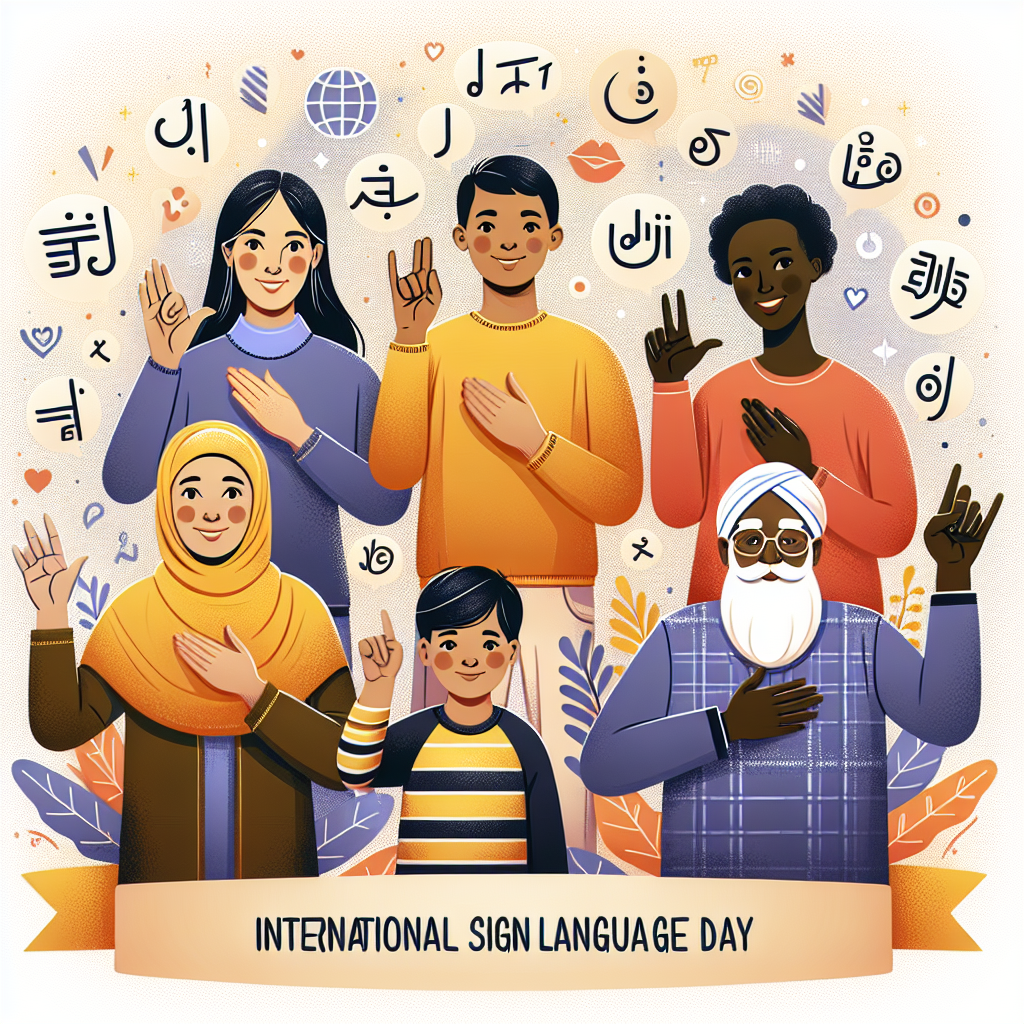
International Sign Languages Day is celebrated on September 23rd each year, a date dedicated to raising awareness of the significance of sign languages and the cultural richness of the Deaf community worldwide. This day is a call to acknowledge and appreciate the linguistic diversity that sign languages bring. It serves as a reminder of the importance of inclusion and equal access to communication for Deaf individuals. By understanding these languages, we not only honor the Deaf community but also bridge gaps in communication, fostering a more inclusive global society.
Introduction
Sign languages are rich and complex visual languages with their own syntax and grammar. Contrary to common misconceptions, they are not universal; every region and country has its own distinct sign language. For instance, American Sign Language (ASL) differs significantly from British Sign Language (BSL), illustrating the remarkable linguistic diversity within the Deaf community. International Sign Languages Day aims to celebrate this diversity and champion the rights of the Deaf community across the globe.
This day also highlights the challenges faced by Deaf individuals in accessing education, employment, healthcare, and other essential services. Many Deaf people encounter barriers due to a lack of awareness and support for sign languages. Education in particular is a crucial area where sign language can play a transformative role, offering Deaf students a robust medium for learning and personal development.
By celebrating International Sign Languages Day, we not only honor the unique cultural identity of the Deaf community but also advocate for policies that promote accessibility and language rights. Governments, organizations, and individuals are encouraged to recognize the importance of sign languages and support initiatives that enhance the quality of life for Deaf people worldwide.
Understanding the Significance of Sign Languages
Sign languages are more than just a means of communication; they are a vital part of the cultural heritage and identity of the Deaf community. Each sign language has its own linguistic structures and expressions, often reflecting the cultural nuances of the Deaf community it serves. The visual modality of sign languages allows for rich, expressive conversations that can convey complex ideas and emotions, making them an indispensable tool for the Deaf.
Recognizing the significance of sign languages is essential for promoting linguistic diversity and cultural inclusion. When we acknowledge and respect different sign languages, we validate the experiences and identities of the Deaf community. This recognition is crucial for breaking down societal barriers and fostering a more inclusive environment where Deaf individuals can thrive. Ensuring access to sign language services in public institutions, educational settings, and workplace environments can significantly improve the quality of life for Deaf people.
The Role of Education in Deaf Awareness
Education plays a pivotal role in raising Deaf awareness and promoting sign language learning. Schools and educational institutions must strive to provide accessible learning environments for Deaf students, incorporating sign language into the curriculum from an early age. Bilingual-bicultural education models, which integrate both sign language and the written/spoken language of the country, have shown tremendous success in enhancing the academic and social development of Deaf students.
Such educational models recognize the importance of sign language as the primary mode of instruction for Deaf students, ensuring they receive the same opportunities for learning as their hearing peers. By fostering a bilingual environment, these schools help students develop a strong linguistic foundation, which, in turn, supports their overall academic achievement and personal growth. Additionally, educators and school staff must receive training in Deaf culture and sign language to better support Deaf students and create an inclusive educational atmosphere.

Promoting Deaf Awareness through Community Events and Initiatives
Community events and initiatives play a crucial role in promoting Deaf awareness and understanding the importance of sign languages. International Sign Languages Day is an excellent opportunity for organizations, schools, and local governments to host events that celebrate sign languages and highlight the contributions of the Deaf community. Events such as sign language workshops, cultural performances, and panel discussions can educate the broader public about Deaf culture and the importance of sign language accessibility.
These initiatives not only celebrate the linguistic diversity of sign languages but also help foster connections between Deaf and hearing individuals. By participating in these events, hearing individuals can gain a deeper understanding of Deaf culture, learn basic sign language skills, and become advocates for accessibility and inclusion. This collaborative effort can lead to a more inclusive society where the rights and contributions of Deaf individuals are respected and valued.
International Cooperation and Policy Advocacy
Advocating for the rights of the Deaf community requires international cooperation and policy advocacy. Governments and international organizations must work together to promote the inclusion of sign languages in public and private sectors. Policies that mandate the provision of sign language interpreters, accessible educational materials, and sign language instruction in schools are critical for ensuring equal opportunities for Deaf individuals.
International cooperation can also facilitate the sharing of best practices and resources, helping countries develop comprehensive strategies for Deaf education and inclusion. By participating in global initiatives and forums, countries can collaborate on solutions to common challenges and promote the recognition of sign languages as official languages. This collective effort is essential for advancing the rights of Deaf individuals and fostering a more equitable and inclusive world.
The Personal Stories of Deaf Individuals
Personal stories and testimonials from Deaf individuals provide powerful insights into the impact of sign languages on their lives. These narratives highlight the challenges and triumphs of navigating a world that often overlooks the needs of the Deaf community. Sharing these stories can humanize the experiences of Deaf individuals and emphasize the importance of accessibility and inclusion.
Personal stories also showcase the resilience and creativity of the Deaf community. From artists to advocates, Deaf individuals have made significant contributions across various fields. By celebrating their achievements and listening to their experiences, we can better understand the unique perspectives and strengths that Deaf individuals bring to our society. These stories serve as a reminder that diversity enriches our world and that supporting the Deaf community benefits everyone.
Conclusion
International Sign Languages Day is a call to action for recognizing the linguistic diversity of sign languages and celebrating the Deaf community worldwide. This day serves as a reminder of the importance of inclusion, accessibility, and respect for the cultural identity of Deaf individuals. By promoting Deaf awareness and advocating for the rights of the Deaf community, we can build a more inclusive society where everyone has the opportunity to thrive.
As we celebrate this day, let us commit to supporting initiatives that enhance the quality of life for Deaf individuals. This includes advocating for accessible education, promoting sign language learning, and fostering community events that celebrate Deaf culture. By working together, we can ensure that the rich linguistic diversity of sign languages is recognized and valued, and that Deaf individuals are empowered to achieve their full potential.