
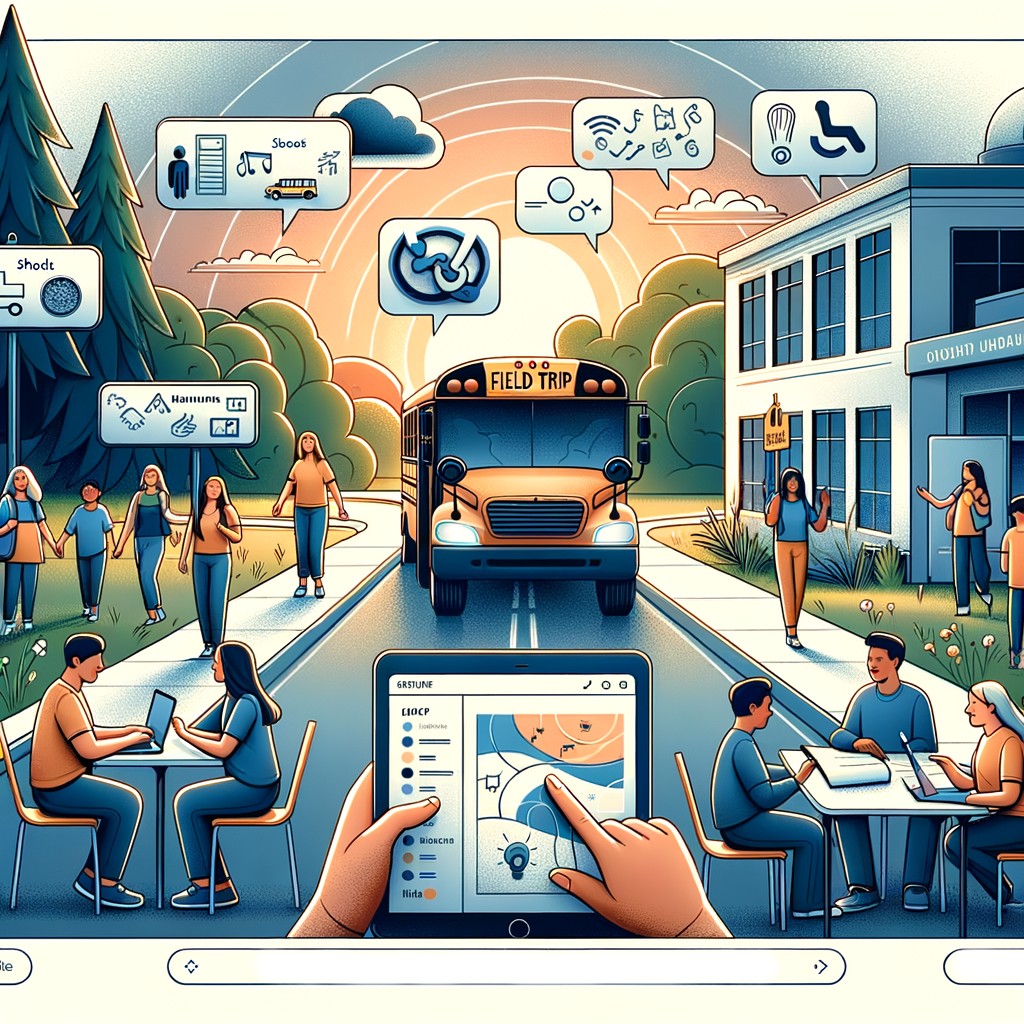
Planning inclusive field trips for deaf students requires a thoughtful approach, blending logistics with educational and social considerations. It’s crucial to create an environment where deaf students can actively participate and benefit equally alongside their hearing peers. An inclusive field trip ensures that every student, regardless of their hearing ability, has an enriching, memorable experience. This means paying attention to communication accessibility, planning for appropriate support, and understanding the needs and preferences of deaf students. By incorporating specific strategies, educators and trip organizers can create field trip opportunities that empower deaf students, fostering a sense of inclusion and belonging. Let’s delve into how educators and organizers can best plan these inclusive experiences, ensuring no student is left out and everyone receives the full educational benefits that field trips have to offer. Throughout this discussion, we will explore logistical considerations, communication methods, and ways to engage with deaf students effectively, ensuring their educational experience is both rewarding and enriching.
Understanding the Unique Needs of Deaf Students
Before planning an inclusive field trip, it’s crucial to understand the unique needs of deaf students. These needs revolve largely around communication and accessibility. Deaf students often use sign language, lip-reading, or a combination of both, and may also utilize hearing aids or cochlear implants. The diversity in their communication preferences means that field trip planners must consider various methods to cater to these differences. Personal familiarity with each student’s communication style ensures better preparation when crafting the field trip plan. Teachers and organizers should engage with students, their guardians, and any associated specialists to understand individual needs better. This consultation phase can reveal critical insights into communication preferences and any additional support students might require.
Choosing the Right Destination
The choice of destination is an essential factor in planning an inclusive field trip. Not all venues may be naturally accommodating to deaf students, which demands careful consideration and sometimes creativity from the planners. Select destinations that inherently support visual learning, as deaf students often rely heavily on visual inputs to compensate for their hearing limitations. Museums, science centers, and zoos can be excellent options due to their interactive and multimedia displays that naturally facilitate learning through sight rather than sound.
In addition to a venue’s inherent characteristics, contact the chosen site to discuss potential accommodations before the visit. Venues may offer specific resources designed for deaf visitors, such as visual or text guide tours, open-captioning on exhibits, and staff trained in basic sign language. This preliminary discussion also serves to alert the venue staff to the group’s presence, potentially prompting enhanced service on the day of the trip.
Communication Strategies for Inclusion
Effective communication is the cornerstone of an inclusive field trip. Hiring or bringing along an interpreter proficient in American Sign Language (ASL) or sign language relevant to the participants is often necessary. Ensure that the interpreter is aware of the day’s itinerary and any specific vocabulary or concepts they might need to explain during the field trip. Their presence helps facilitate interactions not just between the teacher and students, but also with site staff and the broader experience.
Visual aids become indispensable during the field trip. Providing written instructions, maps, and visual guides is essential. Prepare detailed itineraries with explicit schedules, including timelines of activities and breaks. Use visual cues like arrows, color codes, or symbols to ensure clarity and ease of understanding. Where feasible, coordinate with the venue to provide captioned videos and demonstrations to complement live interpretations. These visuals should be prepared in advance and customized to directly relate to the experiences planned within the trip.
Technology’s Role in Inclusion
Technology can significantly bridge the communication gap during field trips. Many apps and devices increase access to audio information by converting it to text or sign language. For instance, use real-time transcription apps to type out spoken words quickly, which can then be read by deaf students. This technology’s inclusion reflects thorough preparation for situations where live interpreters might not suffice, ensuring continuous accessibility.
Provide any needed assistive listening devices or visual media players independently for students with residual hearing ability supported by technology. Additionally, many smartphones now include robust accessibility features enabling notifications through vibrations or flash, which can help keep deaf students engaged and aware throughout the evolving activities of the day.
Facilitating Social Inclusion
Beyond academic and logistical inclusion, the social aspect is equally important to deaf students’ experience during field trips. Encourage interaction between hearing and deaf students by planning group activities specifically designed to foster collaboration. Steps such as pairing deaf students with hearing peers who are either familiar with or interested in learning sign language can promote friendships and understanding. These partnerships can transform a field trip into an opportunity for cultural exchange and deeper mutual respect.
To ensure these social dynamics are handled sensitively, brief hearing students and chaperones about appropriate manners and communication methods when interacting with their deaf peers to prevent misconceptions and awkward situations. Educators may also consider organizing preliminary meetings where students can practice basic sign language phrases. Such preliminary interactions can serve as icebreakers, establishing a comfortable atmosphere for shared experiences during the trip.
Training Staff and Volunteers
The staff and volunteers responsible for overseeing the trip play crucial roles in ensuring its success. They should be adequately trained not only in the general logistics of field trips but also in the specific requirements of accommodating deaf students. This includes understanding deaf students’ communication needs, learning basic sign language gestures for common phrases, and knowing how to effectively use assistive technology to communicate.
In addition to direct support, having staff briefed on emergency procedures, particular considerations for health and safety, and common challenges that could arise ensures they provide a comprehensive support network. Familiarity with the itinerary will enable staff and volunteers to assist during transitions between activities smoothly, thus maintaining an inclusive atmosphere.
Evaluating the Field Trip’s Success
After the field trip, evaluation is an important step to measure how successfully the trip met inclusive goals. Collect feedback not only from deaf students but also from their parents, educators, and peers. Understanding what worked well and what could be improved is vital for learning and adaptation, as it helps refine future trips to be even more accommodating. This evaluation often involves both structured feedback forms and open discussions with students, encouraging them to share their experiences freely and constructively.
Examine aspects like communication effectiveness, social interactions, logistical arrangements, and overall educational outcomes compared to initial objectives. This assessment should lead to a cumulative set of insights forming a guidebook or checklist for organizers hosting inclusive field trips in later instances.
Conclusion
Planning inclusive field trips for deaf students involves meticulous preparation, attentiveness to detail, and a commitment to providing equitable learning experiences. By understanding and meeting the unique needs of deaf students, allocating resources efficiently, employing technology judiciously, and promoting social inclusivity, educators can ensure these field trips are not just informative but also enriching and enriching. Technology, communication strategies, and staff training all play pivotal roles in achieving this aim, merging seamlessly to create an experience memorable for all students involved. Furthermore, using feedback to continuously improve these experiences underscores an ongoing commitment to inclusivity and equality in educational contexts. Field trips become not only opportunities for discovering new knowledge but also stages for interpersonal growth, collaboration, and understanding among all students, irrespective of their hearing abilities. In pursuing these goals, educators prioritize inclusivity, ensuring all students benefit from equal educational opportunities.