
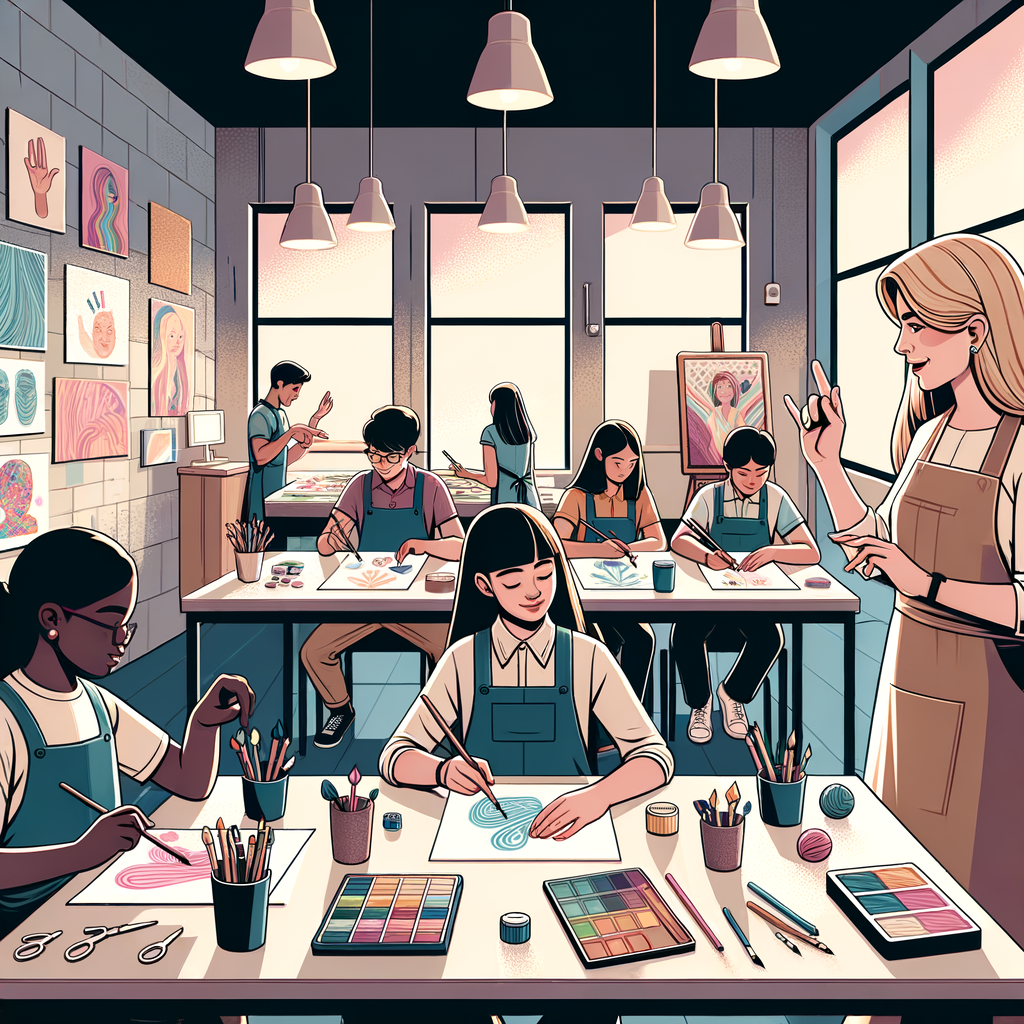
Teaching art and design in deaf schools presents unique challenges and opportunities. For many students who are deaf, visual communication methods are naturally more intuitive, making art and design courses particularly relevant for their educational journey. However, successfully teaching these subjects requires educators to adapt traditional teaching techniques, incorporate innovative approaches, and understand the unique needs of deaf students. This article aims to provide educators with tips and strategies for teaching art and design effectively in deaf schools, thereby enhancing both the learning experience and the creative outcomes for students. From understanding the cultural context of deafness to implementing effective communication strategies and adapting curriculum content, educators can significantly impact their students’ artistic development and engagement. By doing so, they not only foster a love for the arts but also contribute to the holistic educational development of their students. Recognizing the visual strengths, communication preferences, and cultural nuances of deaf students paves the way for teachers to design art curriculums that are not only educational but also inspiring and inclusive. Understanding these aspects can greatly enhance the effectiveness of teaching and learning within the deaf education system.
Understanding the Cultural Context of Deafness
When teaching art and design in deaf schools, it is critical to possess a comprehensive understanding of the cultural context surrounding deafness. Deaf culture is a dynamic and integral part of the Deaf community, influencing every avenue of communication, perception, and expression. This unique culture impacts how students interact with art, both in terms of conceptualization and physical creation. Educators must respect and acknowledge this cultural perspective, incorporating it into curriculum design and everyday teaching. Through immersion in Deaf culture, teachers can learn how students often rely on sight rather than sound, using visual cues and symbols to communicate. This reliance on sight often results in a unique way of conceptualizing the world, one that values visual storytelling and expression. In art and design education, leveraging this cultural insight can enable educators to teach more effectively. For example, incorporating works from Deaf artists into the curriculum not only offers representation but also demonstrates the diversity of creative expression within the community. Educators should also recognize that American Sign Language (ASL) is not just a tool for communication but a wellspring of cultural identity. By integrating signed storytelling in art projects, educators enhance the way students communicate profound ideas visually.
Effective Communication Strategies
The heart of teaching lies in effective communication. This is doubly true in settings that cater to the Deaf community. To teach art and design successfully, educators must tailor their communication methods to accommodate the unique visual and gestural communication styles used by deaf students. Utilizing tools and resources that align with visual learning can help bridge communication gaps. The use of ASL is crucial; teachers proficient in ASL can engage more meaningfully with deaf students. Even for teachers who are not fluent in ASL, learning key phrases can improve rapport and demonstrate respect for the students’ language and culture. Visual aids play an essential role in instruction. Processing visual information is a strong suit for many deaf students, so utilizing instructional videos, slideshows, and diagrams are highly effective methods. Articulate directions clearly using visuals alongside spoken or signed instructions whenever possible. Another approach is collaborative group activities that encourage peer learning. Deaf students often excel in collaborative environments where they can communicate ideas through gestures and unwritten communication. Projects that require team participation foster a sense of inclusivity, encouraging students to express their thoughts visually.
Adapting Curriculum Content
To ensure the success of art and design education in deaf schools, educators should thoughtfully adapt curriculum content to cater to the learning styles of deaf students. This does not imply a simplification of content but rather an enhancement to maximize engagement and comprehension. Begin by incorporating visual learning tools extensively. Lesson plans leveraging interactive software, multimedia presentations, and three-dimensional models can be particularly effective. Engaging each student’s sense of sight through detailed visuals aligns with their natural strengths and can make abstract concepts more tangible. Additionally, consider how art projects can focus on themes relevant to a Deaf worldview. Including themes like communication, identity, and community empowers students to explore their experiences artistically. Letting students illustrate stories from Deaf history or interpret their personal narratives can generate a deep emotional connection to art. Furthermore, adapting content involves curating a broader spectrum of art styles and media. Introducing students to a wide array of artistic disciplines—from traditional painting and sculpture to digital design and performance art—encourages exploration and experimentation. Such diversity ensures that every student finds a medium that suits their personal mode of expression.
Creating an Inclusive and Supportive Environment
Creating an inclusive and supportive learning environment is essential for teaching art and design in deaf schools. Classrooms should be designed to benefit the visual needs of students. Pay attention to layout and lighting, ensuring that all students can see the board, instructor, and each other without obstruction. Adequate lighting helps maintain clear sightlines and supports visual communication. Encourage a classroom culture that celebrates diversity and fosters collaboration. By emphasizing openness and inclusive discussions, students learn to appreciate different perspectives and artistic expressions. It is vital to establish a mindset where every student feels valued and free to express their creativity without fear of judgment or misunderstanding. Classroom rules should encourage respect for different forms of expression, including those specific to Deaf culture. Beyond the classroom, provide opportunities for student exhibitions and performances. Showcasing student work within and outside the school community not only boosts confidence but also demonstrates the value of their art to a broader audience. It becomes a platform for advocacy and awareness, increasing public understanding of Deaf culture and issues.
Implementing Technology and Assistive Tools
Technology plays a pivotal role in modern education and can significantly benefit teaching art and design to deaf students. Assistive tools like visual captioning technology, interactive whiteboards, and digital art applications facilitate instruction and creative expression. Tablets and computers equipped with art software enable students to experiment with designs and techniques inaccessible through traditional methods. Gesture-based technology, such as leap motion, can empower students to manipulate digital art through motion, fostering innovation. Consider introducing video tutorials with closed captions or ASL interpretation. Such resources ensure deaf students have equal access to instructional content and accommodate varied learning paces. Encourage students to record their artistic process through video and photography, enhancing visual storytelling skills. This practice allows them to reflect on their work dynamically and critically. These videos can be valuable feedback tools, providing insights that bolster artistic growth. Furthermore, online platforms and digital portfolios empower students to share their artwork with a broader audience, connecting them to global communities of artists and creators. This exposure fosters artistic development and broadens students’ understanding of diverse artistic cultures.
Evaluating and Assessing Student Work
When assessing art and design work in deaf schools, traditional metrics of evaluation may not fully capture students’ skills and creativity. It requires a diversified approach that considers both the process and the final product. Assess using criteria that recognize creativity, effort, and innovation. Evaluate how well students convey messages and emotions through visual means, and emphasize personal growth over technical perfection. Participation, engagement in the process, and the ability to work collaboratively are essential markers of success in art education for deaf students. Incorporating self-assessment and peer reviews provides students with valuable insights into their artistic development. It encourages reflection on their work and inspires improvement by learning from peers’ perspectives. Such practices help build critical thinking skills and self-confidence in their art-making process. Regularly conferencing with students, using both visual and signed feedback, helps clarify goals and expectations. This personalized communication reinforces learning objectives and supports ongoing development.
Conclusion
Teaching art and design in deaf schools holds incredible potential for unlocking creativity and providing students with a robust avenue for self-expression. By understanding the cultural context of deafness, employing effective communication strategies, and adapting curriculum content to students’ strengths, educators can design engaging and successful learning experiences. Building supportive and inclusive environments where students are free to explore various artistic mediums and connect with their cultural identity fosters a sense of belonging and empowerment. Utilizing technology and assistive tools further enhances the educational landscape, broadening access to resources and global artistic communities. Together, these strategies create a comprehensive teaching approach that not only addresses the unique needs of deaf students but also celebrates their unique perspectives and abilities. As educators continue to embrace innovation and inclusivity in the classroom, they pave the way for deaf students to fully explore and embrace their creative potential. This commitment to understanding, adaptation, and support results in an enriched educational experience that ultimately benefits students and educators alike.