
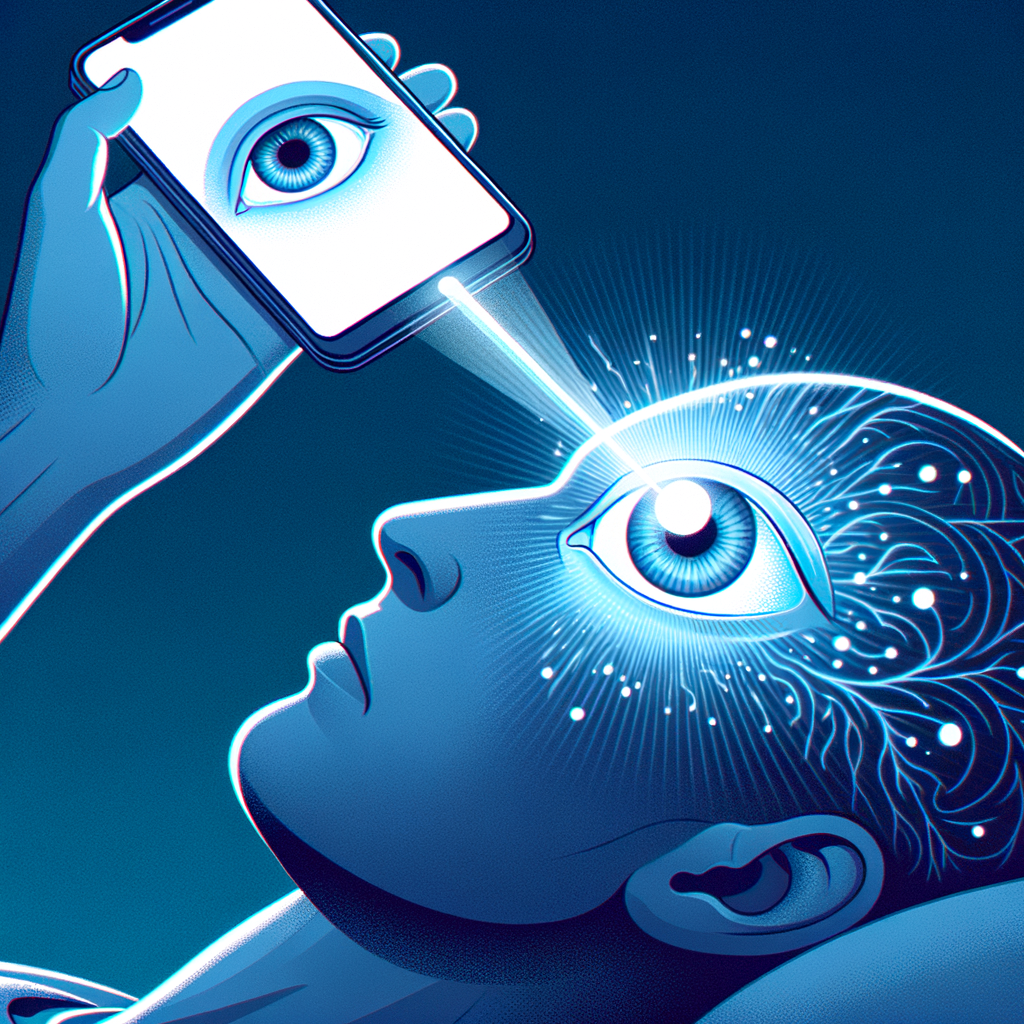
Many people are becoming increasingly aware of how blue light affects their sleep patterns. With the prevalence of digital devices like smartphones, tablets, and computers, exposure to blue light has become a common concern. Blue light, a segment of the visible light spectrum, can significantly impact circadian rhythms and sleep cycles. This light is emitted by both natural sources, like the sun, and artificial sources, such as LED screens and fluorescent lighting. In today’s digital age, especially for the Deaf and hard of hearing communities who might rely heavily on screen-based communications, understanding blue light’s impact on sleep is crucial. Ensuring good quality sleep is vital for overall health and well-being, so knowing effective strategies to reduce blue light exposure is essential. In this article, we delve deep into how blue light influences sleep, the science behind its effects, and practical solutions to manage exposure, thereby improving sleep quality and general health.
Firstly, it’s important to understand the role of circadian rhythms, which are the body’s natural biological clocks. These rhythms help to evaluate sleepiness and alertness over a 24-hour period and react to external signals like light. Blue light specifically plays a dominant role in regulating these rhythms by its influence on the production of melatonin, the sleep-inducing hormone. When we are exposed to blue light, especially in the evenings, it can suppress melatonin production, tricking our bodies into believing it’s still daytime, thus delaying sleep onset. In essence, blue light can make it difficult to fall asleep and achieve restful, restorative sleep. This can be particularly impactful for those who are Deaf or hard of hearing since they might depend more on screens for communication, which are prominent sources of blue light.
Therefore, addressing blue light exposure is an important aspect when aiming to maintain good sleep hygiene. Moreover, poor sleep quality can lead to several health issues, ranging from decreased cognitive function to elevated stress levels, which further reinforces the importance of this topic. In this article, by exploring the scientific mechanics behind blue light and its influence on sleep, combined with solutions to mitigate adverse effects, the goal is to empower the Deaf and hard of hearing to make more informed choices, thereby enhancing their quality of life.
How Blue Light Affects Sleep: Scientific Insights
The science behind how blue light affects sleep is rooted in understanding its relationship with melatonin, a naturally occurring hormone in the body. Melatonin is produced by the pineal gland as darkness falls, signaling the body that it’s time to prepare for sleep. However, exposure to blue light, especially during the evening, interferes with this process by inhibiting melatonin production. This suppression occurs due to the way light-sensitive retinal ganglion cells, responsible for sending information about light exposure to the brain, react specifically to blue light wavelengths. They communicate these signals to the suprachiasmatic nucleus, the body’s master clock, which then regulates melatonin secretion. The delay or suppression of melatonin makes it challenging for one to fall and stay asleep. This scientific understanding underscores the need to reduce blue light exposure during times that could interfere with sleep.
Increased findigs of scientists have effectively shown that prolonged exposure to screens, especially in the hours leading up to bedtime, leads to a misalignment of the circadian rhythm. Whether it’s working late on a computer or unwinding with a favorite TV show, the blue light emitted from these devices sends alertness signals to the brain. Often, this is exacerbated by the prolonged duration people spend on these devices, not to mention the proximity, as screens are frequently placed close to the eyes. Consequently, with the circadian rhythm interrupted, achieving a sound sleep becomes increasingly difficult, creating a negative impact on overall health.
For individuals who are Deaf or hard of hearing, the reliance on screen-based devices for communication, such as video calls or messaging, may increase their exposure to blue light. Therefore, understanding the relationship between blue light and its physiological effects is particularly critical. It might be helpful to implement timing strategies or devices that help manage how much blue light one is exposed to, especially before bedtime.
Impact on Health and Well-Being
Disrupted sleep patterns can lead to a cascade of health issues extending beyond just feeling groggy or irritable. Continuous poor sleep quality impedes cognitive functions, lowers productivity, and even affects cardiovascular health. The immune system is less effective when consistently deprived of optimal sleep, which increases susceptibility to illnesses. Additionally, emotional well-being is at risk when sleep is disrupted, leading to heightened stress levels, depression, and anxiety. This can be particularly challenging for the Deaf and hard of hearing community who might already face unique stressors related to communication and sensory processing; therefore, ensuring they achieve restful sleep becomes even more essential.
There is a direct link between poor sleep and an increased risk of chronic conditions like obesity, diabetes, and heart disease. This stems from the fact that sleep duration and quality significantly affect hormonal balances, including the hormones that regulate appetite and stress. Without restorative sleep, these hormones can become dysregulated, leading to increased hunger and stress, which over time can develop into more severe health problems. Thus, addressing blue light exposure is critical for holistic health management.
Should an individual regularly miss out on good quality sleep due to blue light exposure, it could severely diminish their quality of life. This could impact their productivity at work, effectiveness in personal interactions, and their overall happiness and satisfaction with life. For people who identify as Deaf or hard of hearing, where communication through visual means is an essential part of daily life, the ripple effects of diminished sleep quality extend into every aspect of their day-to-day activities, emphasizing the importance of adopting tools and techniques that minimize blue light exposure to sleep better.
Practical Solutions to Mitigate Blue Light Exposure
Understanding that minimizing blue light exposure can significantly improve sleep hygiene presents an opportunity to adopt practical strategies. Simple adjustments in technology usage can lead to major improvements in sleep cycles. Many devices now come equipped with features such as night mode or blue light filters, which adjust the screen’s color temperature away from blue towards warmer tones. Activating these features in the evenings reduces the detrimental effects of blue light on melatonin production, thereby aiding better sleep.
Besides using built-in device settings, there are numerous applications and software solutions available for download that automatically adjust screen displays. Some popular options dynamically change screen lighting based on the time of day, allowing users to maintain adequate light exposure without interfering with their circadian rhythm. Various types of blue light blocking glasses are now readily available as well. These glasses filter out blue wavelengths and can be particularly useful during prolonged screen exposure. For those focused on improving their sleep hygiene, these tools can be an integral part of their daily routine.
Another effective strategy includes adopting better pre-sleep habits, also known as sleep hygiene. Reducing screen usage at least an hour before bedtime gives the body a better chance of preparing for restful sleep. Instead, engaging in activities that promote relaxation—such as reading a printed book, practicing meditation, or listening to calming music—can help decrease the body’s alert state, encouraging readiness for sleep. Establishing a calming sleep environment is another vital component, including reducing lighting and ensuring a comfortable sleep environment with minimal disruptions.
Physical adjustments can support the reduction of blue light exposure as well. Consider altering room lighting to warmer spectrum bulbs or using dimmer switches during the evening hours. Engaging in outdoor activities during the morning or midday can help regulate natural light exposure and reinforce the body’s internal clock. The combination of morning daylight and reduced nighttime exposure to artificial light aligns the body better with the natural environment, promoting more consistent, quality sleep.
For the Deaf and hard of hearing, where communication via visual tools is often indispensable, emphasizing these strategies to manage blue light exposure while still engaging in essential daily interactions is crucial. By adopting these measures, individuals can protect their sleep and overall health, ensuring that they can engage fully and effectively in their daily activities.
Conclusion
Blue light’s role in disrupting sleep patterns is a significant issue in this digital age, especially for communities that are particularly reliant on screen-based communication, such as the Deaf and hard of hearing. Understanding the science behind blue light and its effects on the body’s natural circadian rhythms allows for informed decision-making when it comes to health and well-being. The correlation between disrupted sleep and numerous health issues highlights the necessity of addressing this concern with practical and accessible strategies. Nevertheless, the situation is not beyond remediation, thanks to numerous solutions readily available to mitigate the impact of blue light exposure.
By incorporating technology solutions like blue light filters, applying pre-sleep habits focused on relaxation, and making environmental adjustments, significant improvements in sleep quality can be achieved. Ultimately, the goal is to empower individuals to take control of their sleep environment, thereby enhancing their overall quality of life. Maintaining vigilance on how much blue light one is exposed to makes it possible to avoid its deleterious effects on sleep. A better understanding of these factors ensures that more people can enjoy the restorative sleep they need.
For the Deaf and hard of hearing community, ensuring good sleep hygiene has notable implications not only for health but for communication efficacy and the richness of social interactions. The balanced approach includes embracing strategies to minimize blue light exposure while prioritizing one’s well-being. By implementing these steps, these communities can continue to thrive in an increasingly digital world without compromising on the vital aspect of sleep. Prioritizing sleep, and taking the necessary steps to protect it from blue light exposure, sets the foundation for healthier living and better overall life satisfaction.
Frequently Asked Questions
1. What is blue light and where does it come from?
Blue light is a type of visible light within the electromagnetic spectrum with a relatively short wavelength and high energy. It’s visible to the human eye as the blue segment of the spectrum. In nature, the most common source of blue light is the sun, which emits blue light during daylight hours, contributing to our natural circadian rhythms by promoting alertness, mood, and performance. However, blue light is also emitted from a variety of artificial sources, including LED bulbs, fluorescent lights, and particularly the screens of digital devices such as smartphones, tablets, laptops, and televisions. These devices have become ubiquitous in our daily lives, and with many people using them well into the evening, exposure to artificial blue light has surged. Exposure to this light can influence the natural sleep-wake cycle by interfering with the production of melatonin, the hormone that regulates sleep, leading to difficulty in falling or staying asleep.
2. How does blue light affect sleep patterns?
Blue light affects sleep by disrupting the body’s circadian rhythm, which is the natural, internal process that regulates the sleep-wake cycle and repeats roughly every 24 hours. In a natural setting, the human body aligns itself to the rising and setting of the sun. During daylight, particularly in the morning, blue light from the sun signals to the brain that it’s time to wake up and be alert. This light suppresses the production of melatonin, the hormone responsible for making us feel sleepy. However, when the sun goes down and darkness sets in, the body is programmed to produce more melatonin, making us feel drowsy and helping us prepare for sleep. The problem arises when artificial blue light from digital screens and artificial lighting continues to signal to our brain that it’s daytime, even after the sun has set. This can confuse the body’s natural rhythms, suppress melatonin production, and ultimately make it harder for individuals to fall asleep, leading to sleep disorders such as insomnia or reduced sleep quality.
3. Are all types of blue light harmful to sleep?
Not all blue light is harmful. As part of natural sunlight, blue light is beneficial during the daytime. It helps boost attention, reaction times, and mood, aligning with how humans have evolved to be active during the day and sleep at night. Problems arise with the timing and amount of exposure to artificial blue light, especially at night when the body should naturally prepare for sleep. Excessive or mistimed exposure to blue light at night is what primarily causes sleep disturbances. While the blue light from screens typically causes the most concern, it’s important to also consider the role of household lighting. In today’s digital world, these artificial sources continue to emit blue light late into the evening, which is when it can begin to interfere with sleep patterns. Interestingly, not all blue light exposure in the evening comes from screens. Many modern indoor lights, particularly LED and fluorescent bulbs, also emit blue light. While blue light blocking glasses and software filters for devices exist, it’s crucial to approach overall light exposure holistically, considering both screens and ambient home lighting to truly address sleep issues related to blue light.
4. What can I do to minimize the negative effects of blue light on my sleep?
There are several strategies to reduce the negative impact of blue light on sleep. Firstly, consider cutting back on screen time at least 2 to 3 hours before bed. This gives your body sufficient time to start producing melatonin and preparing for restful sleep. Additionally, use blue light filters on your digital devices. Many modern devices have ‘night mode’ or ‘blue light filter’ settings designed to reduce blue light emission by altering the screen’s color temperature, shifting to warmer tones in the evening. Investing in blue light blocking glasses can also be beneficial. These glasses are designed to filter out blue light and can be worn while using digital devices in the evening. Switching your home’s lighting to warmer, dimmer tones in the evening can help, too. Consider using incandescent bulbs or dimming down LED lights, or incorporate smart bulbs that can adjust color temperature based on the time to mimic the natural progression of daylight. Lastly, prioritize natural light exposure during the day. Spending time outdoors in natural light, especially in the morning, can help strengthen your circadian rhythm, making it easier to fall asleep at night.
5. Can blue light filtering apps or settings be effective?
Yes, blue light filtering apps and settings can be quite effective when used appropriately. These tools adjust the color temperature of your screen, reducing the amount of blue light emitted by rendering warm tones instead. This reduction can help minimize the disruption to your body’s melatonin production when used in low-light conditions or at night. Many smartphones, tablets, and computers now come with built-in features such as Night Shift (on Apple devices) or Night Light (on Windows). There are also third-party apps like f.lux that adapt the display to the time of day, ensuring you’re exposed to less blue light in the evening. While these solutions can help reduce immediate blue light interference, they should be part of a broader approach. Remember that while these tools help, they don’t completely block out blue light and should not replace other healthy sleep hygiene practices like having a regular bedtime routine, avoiding large meals or caffeine close to bedtime, and ensuring your sleep environment is dark and comfortable.