
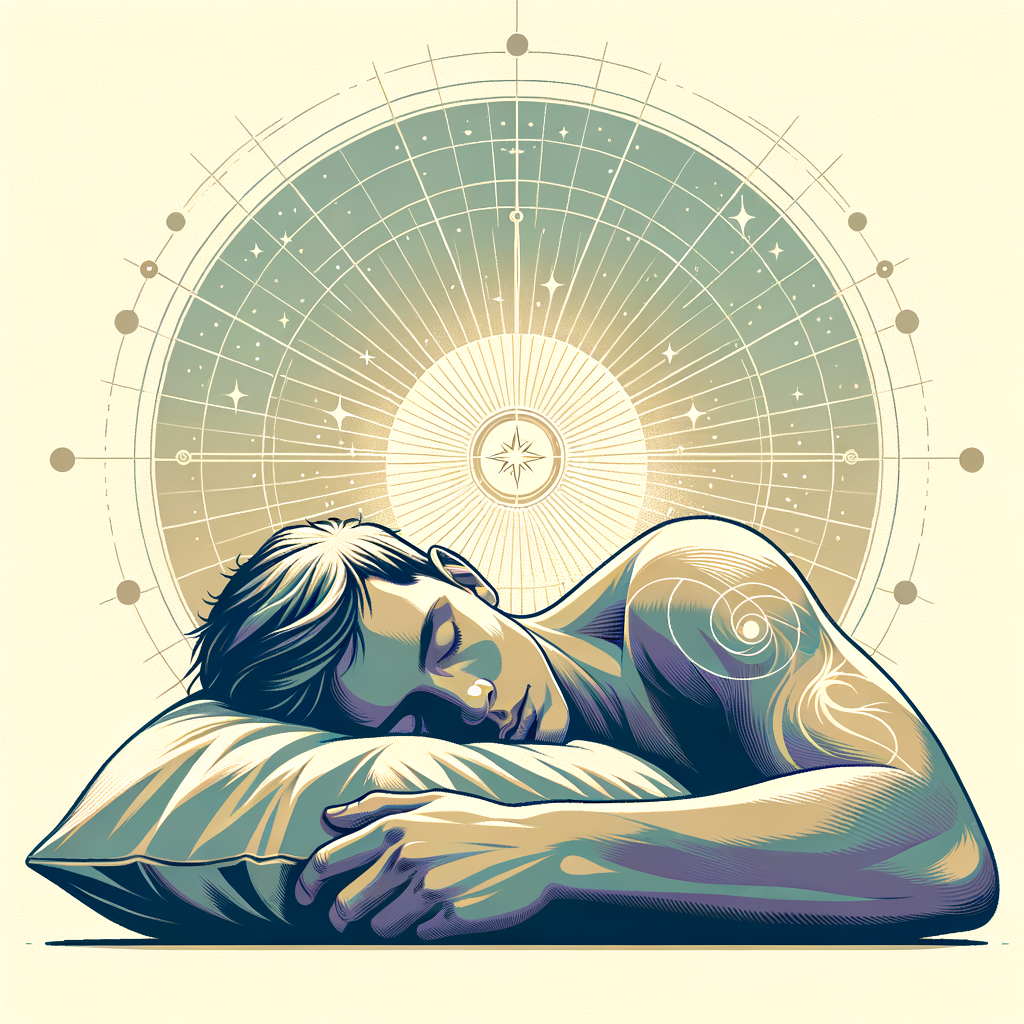
Finding solace and peace at the end of a busy day can be challenging, especially for those with a mind that refuses to quiet down when the lights go out. Visual meditation techniques provide an excellent aid in easing these tensions and nurturing restful sleep. Guided visual meditations are particularly advantageous for individuals who are Deaf or hard of hearing, as they bypass the need for verbal instruction prevalent in many auditory-based meditation practices. These meditative exercises offer a rich tapestry of visual imagination, inviting the mind to wander into tranquil landscapes, leaving daily stresses and mental burdens behind. In this exploration of guided visual meditations tailored for those seeking a gentle nudge into sleep, we’ll delve into their significance, techniques, and benefits. With an ever-expanding universe of digital resources available, learning to harness the power of visual meditation could be your key to a rejuvenating night’s slumber. The following sections will share insights and practical tips on how to engage fully in these visual journeys, along with techniques you can adapt to craft an effective bedtime routine.
The Power of Visual Meditation
Visual meditation is a practice that encourages the minds to build vivid images or scenes that bring about relaxation and focus. Unlike meditations that rely heavily on aural elements, visual meditations tap into the creativity of the individual. This practice is inherently inclusive, offering rich sensory experiences without requiring auditory cues. The visual nature provides a distinct advantage for the Deaf and hard of hearing individuals, as it leans on strengths that are not sound-dependent. Participants are typically guided through scenes that may involve serene environments such as beaches, forests, or starlit skies. These scenes engage the imagination, grounding it in the present moment, which is the core essence of mindfulness. The tranquility fostered by letting oneself become deeply absorbed in these visualizations facilitates a deeper state of relaxation, which can gradually lead to a natural journey into sleep.
Visual meditation, by focusing on positive imagery, allows the mind to detach from the stressors of the day. This detachment is essential, as a restless mind is often the biggest obstacle to falling asleep. Furthermore, the structured nature of guided visual meditations provides a comforting framework. This method ensures that even beginners who might otherwise struggle to maintain focus can find an accessible entry point into meditation. Mastery over this practice can cultivate an instinctive ability to turn to these calming visuals whenever stress or anxiety threatens to pull one away from relaxation. This form of meditation can be enhanced through the use of digital aids or written guides that help in setting the visual scene, making it easier to enter the desired meditative state.
Creating the Perfect Environment
The environment you create for meditation plays a crucial role in its effectiveness and in fostering a transition into sleep. The space should feel safe and soothing, inviting relaxation with minimal distractions. Low lighting or the gentle glow of candlelight can promote a sense of calm and comfort. For the Deaf and hard of hearing, using visual cues to mark the beginning and end of a meditation session can reinforce a consistent routine. Even the setup of the physical space can impact the quality of meditation—comfortable bedding, soft fabrics, and calming colors all contribute to an atmosphere conducive to relaxation.
Additionally, the use of visual or tactile aids can enhance the sensory experience, further anchoring the mind into the meditative narrative. Some individuals prefer the subtle trickling of water from a bedside fountain, the intermittent flicker of electric candles, or the slow diffusion of essential oils to create a multisensory learning environment. These elements serve to immerse the senses in a calm, organized manner, guiding the mind toward meditative focus and gradually preparing the body for a restful state.
Guided Technique Exploration
Guided visual meditations can take various forms, each tailored to an individual’s preference and experience. One of the most popular methods is the “safe place” visualization, which invites the individual to imagine themselves in a personal sanctuary. This ‘safe place’ is a deeply individualized image; an imaginary location comforted by familiarity and warmth, where one feels utterly secure. Imagining the details of this place—be it the rustling leaves of a tree overhead or the soft texture of the grass underfoot—catalyzes relaxation.
Another common practice is the “healing light” visualization, where meditators envision a gentle glow washing over them, soothing and dissolving tension with each metaphorical touch. The warming concept of light gently descending upon the body connects the idea of warmth and protection, aiding in the induction of sleep. In both techniques, the crucial element lies in the engagement of vivid details, using the mind’s eye to fully develop these visions with a sense of reality that whispers away stress and tension.
For those creating guided visualizations to assist others, it is helpful to build a narrative that progressively simplifies into abstract lights and colors, which can gradually fade to encourage a smooth transition to sleep. Initially, more structured narratives can capture attention and direct focus. However, as the meditation progresses, moving into less detailed and more abstract imagery can help the mind transition from active thought into the slower and softer modes of brain activity associated with sleep.
The Benefits for the Deaf and Hard of Hearing
Guided visual meditations offer particular benefits to the Deaf and hard of hearing community. Traditional auditory-focused meditation practices present barriers for individuals with hearing impairments. Visual meditations, however, are inherently inclusive, utilizing imagery and visualization that transcend auditory limitations. This characteristic makes them an empowering tool for personal wellness, as they allow for a fully immersive experience without requiring any modifications that would typically be necessary for audio-based meditations.
The kinesthetic elements of visualization—feeling mentally transported—align closely with the experiences where contextual exploration heightens engagement. Visual meditations also capitalize on attentiveness to detail, a skill that is already sharply honed among many in the Deaf community due to an acute focus on visual and facial cues in daily interactions. Engaging this strength provides an opportunity not only for relaxation but also personal growth, helping practitioners to deepen self-awareness and develop emotional resilience within a tranquil mindscape.
Digital Resources for Guided Visual Meditations
In today’s digital age, resources for guided visual meditations are abundant and varied. Applications and websites provide numerous visual guides specifically tailored to visual calming practices. For those in the Deaf and hard of hearing community, many platforms now prioritize captioned materials, offering text-based guidance combined with evocative imagery. Resources like smartphone applications that narrate stories through text or offer animated guided meditations invite the imagination to take flight.
Online platforms such as YouTube also host collections of visual meditations with both instructional text and captivating visuals. Additionally, certain platforms are dedicated solely to serving the Deaf and hard of hearing community, making the experience inclusive from the very start. Accessibility-focused offerings ensure that the meditative practice is not only inclusive but also encourages personalizing these meditations for nighttime routines. Such resources allow for an unhurried discovery of what appeals most in the search for tranquility and rest, enhancing the capacity for relaxation.
Conclusion
Incorporating guided visual meditations into a nightly routine can be a transformative practice, particularly for the Deaf and hard of hearing. As this article underscores, the power of such practices lies in their ability to transcend traditional auditory-based meditation barriers, offering a deeply inclusive and immersive experience. Through visual meditations, one embarks on a journey of rich imagery and focused imagery, lending itself perfectly to a more profound sense of relaxation and a smoother transition into sleep. By cultivating personal visualizations, curating the sleep environment, and utilizing available digital resources, individuals can develop a robust and effective strategy for achieving the rest they need.
The journey into guided visual meditation not only offers the promise of peaceful slumber but also fosters a deeper understanding and awareness of one’s inner emotional landscape. It encourages practitioners to delight in the creativity of the mind’s eye and overcome the hurdles of insomnia and restlessness that plague so many in today’s fast-paced world. By embracing this practice, one taps into the potential to unlock a sanctuary of calm at the end of each day, ensuring a restful, restorative sleep.
Frequently Asked Questions
1. What exactly are guided visual meditations for falling asleep?
Guided visual meditations for falling asleep are specialized meditation practices that focus on using visualization techniques to induce relaxation and promote sleep. Unlike traditional meditation methods that might rely heavily on spoken guidance, visual meditations engage your imagination to mentally picture calming scenarios or images. This approach is especially beneficial for individuals who are Deaf or hard of hearing, as it eliminates the dependency on auditory instructions. The vivid imagery in these meditations helps to distract the mind from daily stressors, easing you into a peaceful state that encourages restful sleep. By focusing your mind on a serene narrative or a calming scene, these meditations help to gradually quiet down mental chatter, making it easier to drift off to sleep.
2. How do guided visual meditations benefit those with sleep difficulties?
Guided visual meditations are incredibly effective for easing sleep difficulties due to their ability to calm an overactive mind and reduce anxiety. As you visualize soothing images or environments, your body’s stress response is lowered. The process increases the production of melatonin, a hormone that regulates sleep-wake cycles, and decreases cortisol, a stress hormone. This combination encourages the transition from wakefulness to sleep more smoothly. For individuals who find it challenging to mentally shut down after a hectic day, these meditations offer a structured approach to guide your thoughts towards restfulness. Moreover, the practice triggers relaxation responses that regulate breathing, lower heart rates, and promote a state of tranquility, making it easier to fall asleep and experience an improved quality of sleep throughout the night.
3. Are guided visual meditations suitable for everyone, even beginners?
Absolutely, guided visual meditations are suitable for everyone, including beginners. These practices are designed to be inclusive, with the imagery component making it accessible regardless of prior experience with meditation. The key is to start with simple scenarios and gradually explore more elaborate visualizations as your comfort and ability to focus improve. Beginners often find them intuitive, as the mind naturally gravitates towards imagining and creating visual constructs. The guidance usually provided in these exercises offers a path for those new to meditation, making the process less daunting and more engaging. The beauty of visual meditation is its adaptability—tailor the scenes to suit your personal preferences, making the meditative experience both personal and effective.
4. What kind of imagery is typically used in these meditations, and why?
The imagery utilized in guided visual meditations can vary widely, but generally, it includes calming and serene environments such as beaches, forests, mountains, and lakes. These natural settings are chosen because they evoke feelings of peace and tranquility, helping to soothe and settle the mind. Additionally, the brain associates these environments with relaxation, which assists in lowering mental resistance to sleep. Visualizing oneself walking along a sandy shore or lying in a field of flowers harnesses the brain’s power to transform stressful thoughts into serene experiences. Other common imagery might involve visualizing protective light enveloping your body or floating on a gentle sea, both of which evoke security and peace. By aligning the narrative with comforting and safe visuals, these meditations foster a comforting transition into slumber.
5. How can those with hearing impairments effectively engage in guided visual meditations?
Individuals with hearing impairments can effectively engage in guided visual meditations by choosing resources specially designed with minimal or no reliance on sound. Written scripts, image-based guides, or video content with sign language can be tremendous assets. The focus should be on meditative content that prominently uses visual storytelling as opposed to auditory instructions. Those offering meditations without sound can encourage participation by incorporating visual cues and written guidance, allowing participants to follow along easily. Using subtitles or text overlays can also assist in ensuring that all the elements of the meditation are comprehensible and accessible. Furthermore, environments and scenarios can be self-curated, with individuals crafting personal scenes in their imagination based on personal preferences, reinforcing a meditative practice that’s not only inclusive but highly customized to individual needs.