
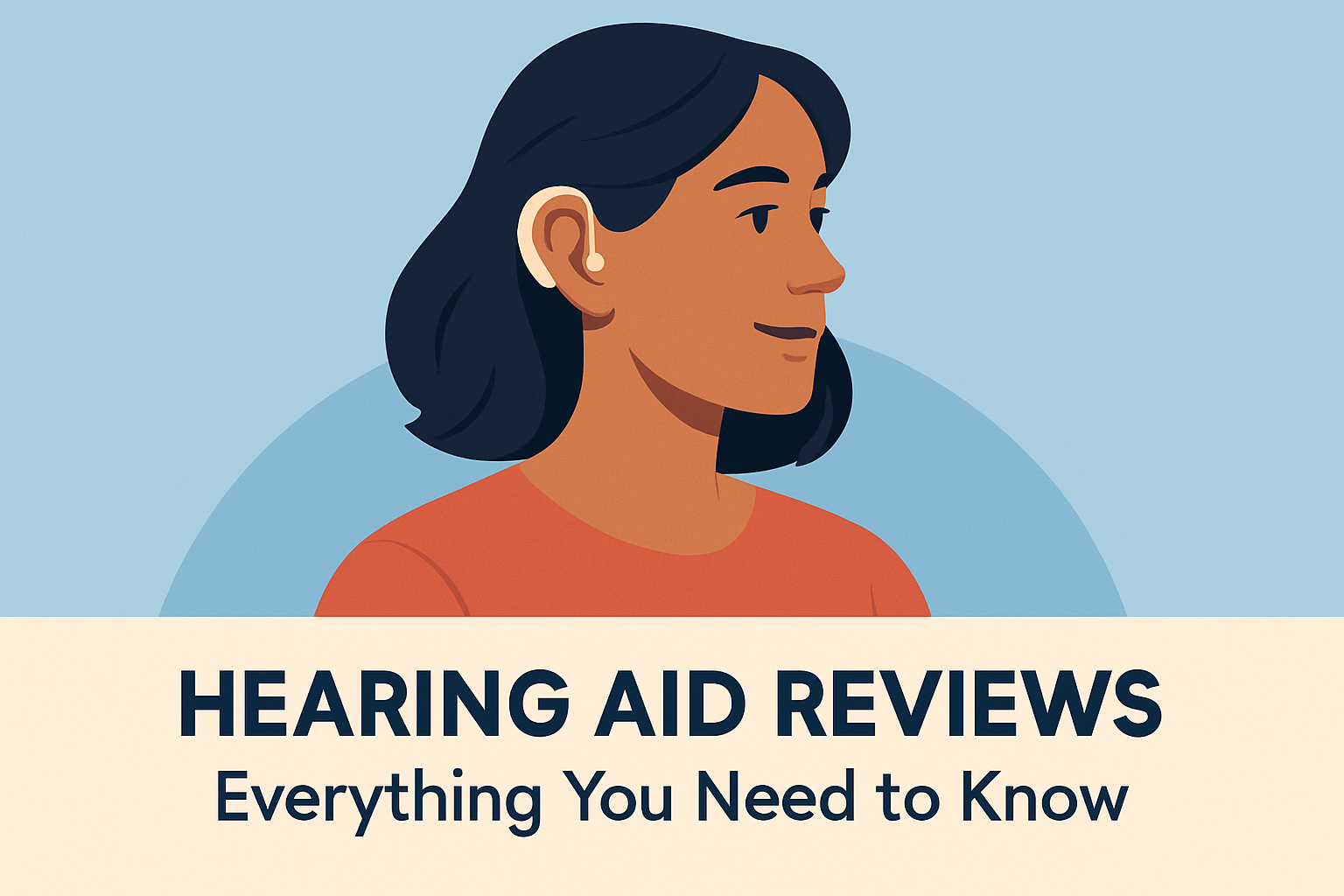
Hearing aids are small electronic devices designed to improve hearing by amplifying sound for individuals with hearing loss. These sophisticated devices are vital for many people as they can significantly enhance their quality of life by improving communication and social interactions. Understanding the intricacies of hearing aids is essential when considering a purchase, as the choice can affect day-to-day experiences profoundly. This comprehensive guide will help you better understand the fundamentals of hearing aids, from their types and features to real-world examples of how they operate, equipping you with all the knowledge you need to make an informed decision.
The Importance of Hearing Aids and Their Functions
Hearing loss can be an isolating experience, often leading to difficulties in social situations, professional environments, and even personal safety. Hearing aids serve as a lifeline for those facing auditory challenges. These devices work by amplifying sound through a microphone, which picks up sound from the environment, then processes it and sends it to an amplifier. Finally, the sound is delivered to the ear through a speaker. While this may sound simple, the technology involved is quite advanced, offering various functionalities tailored to different levels and types of hearing loss.
There are mainly three types of hearing aids: Behind-The-Ear (BTE), In-The-Ear (ITE), and In-The-Canal (ITC). Each type is designed to suit different preferences and levels of hearing loss. For instance, BTE hearing aids are usually more powerful and hence suitable for severe hearing loss, while ITE and ITC are less conspicuous and might be preferred by those conscious of aesthetics.
Different Types of Hearing Aids
When choosing a hearing aid, understanding the differences between types is crucial to finding the right fit. Let’s take a closer look at each:
- Behind-The-Ear (BTE): These are the most common and visible types of hearing aids. They rest behind the ear and are connected to an ear mold within the ear canal.
- In-The-Ear (ITE): These fit completely inside the outer ear and are suitable for mild to severe hearing loss. They often feature a longer battery life.
- In-The-Canal (ITC) and Completely-In-Canal (CIC): These fit inside the ear canal, making them less visible than BTE and ITE hearing aids, although they are not recommended for severe hearing loss.
Each hearing aid type has its advantages and limitations. For example, BTE aids are typically more powerful due to their size, which allows for more components and stronger batteries. In contrast, ITE and ITC models offer more discreet options but may come with a trade-off in terms of power and battery life.
Features and Technology of Modern Hearing Aids
Today’s hearing aids are technological marvels with features that cater to a variety of user needs and lifestyles. Some of the key features include:
- Directional Microphones: These help in focusing on desired sounds, often used in noisy environments to enhance clarity.
- Bluetooth Connectivity: Allows users to connect their hearing aids to smartphones or other devices, providing more versatile use of the aid.
- Rechargeable Batteries: Eliminate the need for regular battery changes and are more environmentally friendly.
- Noise Reduction Algorithms: Help in minimizing background noise, allowing the user to focus on conversation.
- Telecoil Technology: Enables wireless communication with compatible telephones and induction loop systems.
The integration of such technology not only improves sound quality but also enhances user convenience. For instance, Bluetooth connectivity can transform hearing aids into personal headsets, allowing seamless streaming of phone calls, music, and other audio content directly to the user’s ears.
Choosing the Right Hearing Aid for You
Making the right choice in hearing aids involves considering several factors such as the extent of your hearing loss, lifestyle needs, and personal preferences regarding appearance. Here’s a helpful framework that can guide you through the decision-making process:
| Factor | Considerations |
|---|---|
| Type of Hearing Loss | Choose BTE for severe loss; ITE/ITC for mild to moderate loss. |
| Lifestyle | Select aids with noise reduction for social use, Bluetooth for tech-savvy users. |
| Appearance | Opt for ITC/CIC for a discreet look; BTE for more accessible controls. |
| Budget | High-tech features often come with a heftier price tag. |
For example, a busy professional with frequent phone calls might prioritize a model with Bluetooth capabilities, while a retiree who values simplicity might prefer a model with rechargeable batteries and easy-to-use controls.
Real-World Experiences and Testimonials
It’s often beneficial to learn from others who have gone through the process of selecting and using hearing aids. Consider Jane’s experience: A middle-aged woman with moderate hearing loss, Jane opted for a pair of ITC hearing aids with Bluetooth connectivity. She found that these aids allowed her to enjoy hands-free calls and greatly improved her television-watching experience without disturbing others. On the contrary, Mark, a retiree with severe hearing loss, chose BTE hearing aids for their superior power and battery life, finding them easy to manage and highly effective in amplifying speech in various settings.
These individual experiences highlight the importance of aligning personal needs with the features of hearing aids, ensuring an outcome that significantly enhances daily living.
The Financial Aspect of Hearing Aids
The cost of hearing aids can vary widely, largely due to the range of features and technology they come equipped with. Basic models may start at a few hundred dollars, while top-of-the-line options with advanced features can run several thousand dollars. Insurance policies may cover some costs, but this varies widely by provider and plan. It’s important to consider both the initial cost and potential long-term expenses such as maintenance, batteries, and future upgrades.
A useful approach to managing costs is to carefully assess which features are genuinely beneficial to your lifestyle, potentially avoiding unnecessary spending on aspects that you wouldn’t use. Engaging with a hearing care professional can also be invaluable, as they often have insights into what products pose the best value for money given your specific needs.
The Importance of Professional Evaluation and Fitting
A crucial step in acquiring effective hearing aids is professional evaluation and fitting. An audiologist or hearing care specialist can conduct comprehensive tests to determine the nature and extent of your hearing loss and recommend suitable hearing aids. The process typically involves fine-tuning the devices to match your unique hearing profile, ensuring that the aids perform optimally in various situations.
Proper fitting ensures comfort, performance, and ultimately satisfaction with the hearing aid. Ill-fitting devices can lead to discomfort, poor sound quality, and reduced hearing benefits, which underscores the value of engaging experienced professionals in the process.
Maintaining and Caring for Your Hearing Aids
Once you have your hearing aids, maintaining them is crucial for longevity and optimal performance. Regular cleaning to remove wax and moisture, safe storage when not in use, and frequent battery checks are fundamental maintenance steps. Many users find it beneficial to schedule periodic professional cleanings and evaluations to ensure the devices remain in top condition.
Advanced models often come with maintenance features or apps that remind users when the hearing aids need cleaning or new batteries, simplifying the upkeep process significantly. Proper care not only extends the life of the devices but also sustains the quality of hearing improvement you experience.
Conclusion: Making the Most of Your Hearing Aids
Navigating the world of hearing aids can initially seem overwhelming due to the variety of options and technicalities involved. However, understanding the different types, features, and considerations will provide you with the clarity needed to make an informed decision. Hearing aids are a lifelong investment in your quality of life, providing the possibility of improved communication, greater safety, and richer interactions with your environment.
The key benefits to remember include enhanced sound quality tailored to your needs, advanced connectivity options for seamless integration with today’s technology, and the personal convenience offered by rechargeable solutions. By following this guide, you are now equipped to take the next step, whether it’s consulting with a professional or exploring available products to find the hearing aid that best suits your lifestyle. Take action today to regain control over your auditory experiences and embrace the possibilities that come with effective hearing support.
Frequently Asked Questions
1. What should I consider before buying a hearing aid?
Before purchasing a hearing aid, it’s essential to evaluate several key factors to ensure you make the right choice for your needs. First, understand your specific type of hearing loss and its severity. A hearing assessment by a qualified audiologist is critical, as they can provide insights into the level of amplification required and recommend suitable models. Secondly, consider the different styles of hearing aids, such as behind-the-ear (BTE), in-the-ear (ITE), in-the-canal (ITC), and completely-in-canal (CIC) devices. Each style offers varying levels of visibility, comfort, and functionality. Additionally, look into the features offered by different models, such as Bluetooth connectivity, noise cancellation, feedback reduction, and directional microphones. These features can greatly enhance your hearing experience. Moreover, factor in your lifestyle and activities. For instance, if you’re frequently in noisy environments, focus on aids with strong noise-cancellation capabilities. Battery life is also crucial; decide whether you prefer traditional batteries or rechargeable options. Lastly, consider your budget. Hearing aids can vary widely in price, so understanding the relationship between cost, features, and value is vital. Don’t forget to check if your insurance covers any hearing aid expenses, or if there are any financing options available.
2. How do hearing aids work?
Hearing aids function by amplifying sound for individuals with hearing loss, making it easier to listen and communicate effectively. These devices consist of a few essential components that work together seamlessly: a microphone, an amplifier, a speaker (or receiver), and a powered by battery. The process begins when the microphone picks up sound waves from the environment. These sound waves are then converted into electrical signals. The amplifier plays a crucial role as it increases the strength of these electrical signals, tailoring the amplification to match the user’s hearing loss profile as determined by an audiologist. Once amplified, the electrical signals are sent to the speaker, where they are transformed back into sound waves and delivered directly into the user’s ear canal. Here, the improved sound quality helps make conversations clearer, allowing the user to respond and interact with others without straining. Advanced hearing aids often incorporate digital technology, enabling them to adjust automatically to different listening environments. They can filter out background noise, reduce acoustic feedback, and offer variable amplification depending on the surrounding noise levels. As technology advances, hearing aids continue to become more sophisticated and efficient in improving daily communication for their users.
3. How do I properly care for and maintain my hearing aid?
Proper care and maintenance of your hearing aid are crucial for ensuring its longevity and optimal performance. To keep your device in top shape, it begins with daily cleaning. Wipe the hearing aid gently with a soft, dry cloth to remove any accumulated wax or debris. Make sure to clean the microphone opening, as even a small amount of blockage can affect sound quality. Avoid exposing your hearing aid to moisture, as water can damage electronic components. Always remove your hearing aids before showering, swimming, or going out in the rain without a hood or umbrella. Consider using a dehumidifier specifically designed for hearing aids, which can help remove accumulated moisture overnight. Handle your hearing aid with care when changing batteries or cleaning it. Open the battery compartment when not in use to prevent corrosion and extend battery life. Check and replace the batteries regularly, as low battery power can affect performance. Have your hearing aid professionally serviced at least once a year. Regular checkups are essential as audiologists can clean and adjust settings for optimal performance and make any necessary repairs. Finally, store your hearing aids in a protective case when not in use to safeguard them from damage or loss.
4. Are there any side effects associated with wearing hearing aids?
Generally, hearing aids are safe and beneficial for people with hearing loss, offering a significant improvement in their ability to hear and communicate. However, some users may experience mild side effects or an adjustment period as they adapt to wearing hearing aids. Initially, it’s common to feel discomfort when first wearing hearing aids. It takes time for your ears to get used to the sensation, especially if it’s your first pair. Allow yourself a few weeks to adjust gradually by wearing the aids for a couple of hours each day and increasing the time over several weeks. Some people might experience feedback, a whistling noise caused by a loose fitting or improperly inserted device. An audiologist can refit or adjust settings to alleviate this issue. Another potential side effect is hearing sounds differently than before. Enhanced amplification may make some sounds seem surprisingly loud or unfamiliar. Patience is key in adapting to new soundscapes. Rarely, skin irritation can occur in or around the ear due to materials or shapes. If irritation persists, seek advice from your audiologist as they may suggest an alternative material or device style. Overall, any discomfort typically diminishes as users acclimatize to their hearing aids while regular follow-ups ensure optimal performance and comfort.
5. How do I know if I need a hearing aid?
Determining whether you need a hearing aid begins with recognizing common signs of hearing loss. If you frequently ask others to repeat themselves, or often increase the volume on devices, it might indicate a problem. Difficulty following conversations, especially in noisy environments, or perceiving speech as muffled are also red flags. Feeling fatigued after social interactions due to concentrating hard to hear, or the perception that others are mumbling, are additional signs. Missing common sounds such as doorbells, the telephone ringing, or birds chirping can also highlight hearing issues. The most definitive step is to undergo a professional hearing assessment. Audiologists conduct comprehensive evaluations involving a series of tests to determine the extent and nature of your hearing loss. Based on these results, they can recommend specific devices that match your needs. While these signs are strong indicators, professional advice ensures that you get tailored solutions. Regular hearing checkups are beneficial, as they help you address any concerns early and maintain good hearing health, thereby improving your overall quality of life with the appropriate hearing support.